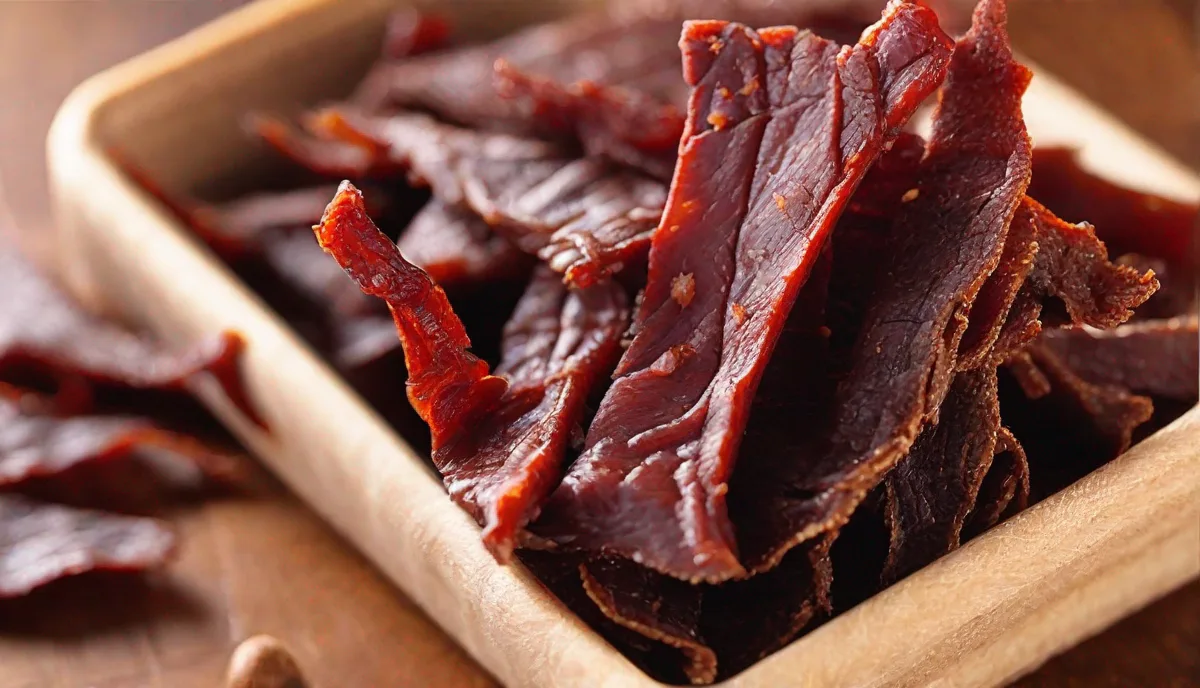
Health Benefits of Beef Jerky
Beef jerky can be a healthy snack option when trying to lose weight. It is high in protein, which helps keep you feeling full and satisfied. Jerky is also low in fat and carbohydrates.
Choosing the Healthiest Beef Jerky
Not all beef jerky is created equal. Look for options with minimal added sugars and sodium. Some good flavor additions include honey, maple syrup, vinegar, herbs and spices.
Portion Control is Key
While beef jerky can be part of a balanced diet, portion control is still important. Stick to 1-2 ounces per day. Spreading your intake throughout the day helps prevent overeating.
Other Healthy Snacking Tips
Pair jerky with raw veggies, fruits or nuts for extra nutrition. Staying hydrated by drinking water throughout the day also helps manage hunger.
Decoding the Nutrition Label: Beyond the Protein Count
When you are scrutinizing a package of jerky, the protein content is the headline, but the fine print is where your diet success is determined. Beyond the macros, look closely at the ingredient list for hidden “filler” sugars. Manufacturers often use brown sugar, corn syrup, or fruit juices to balance the saltiness, which can quickly turn a lean snack into a glucose-spiking trap. Aim for brands where the primary ingredients are beef, soy sauce (or coconut aminos for lower sodium), and spices. If you see sugar listed within the first three ingredients, it is likely contributing significantly to your daily glycemic load. Additionally, pay attention to the serving size listed on the back; sometimes a single bag is labeled as two or three servings, which can lead to accidental caloric surplus if you consume the entire package in one sitting.
The Chemistry of Satiety: Why Chewing Matters
The physical act of eating jerky provides a unique metabolic advantage known as the thermic effect of food (TEF). Because jerky is a tough, dehydrated muscle fiber, it requires significant mechanical breakdown through chewing. This process slows down your rate of ingestion, giving your brain the necessary 20 minutes to register satiety signals from your gut. Compared to soft, processed snacks that can be consumed in seconds, a one-ounce serving of jerky can take several minutes to finish. This mechanical resistance effectively prevents mindless overeating. Furthermore, the high protein density triggers the release of satiety hormones like peptide YY and glucagon-like peptide-1 (GLP-1), which effectively silence hunger cravings for hours after the snack is finished.
DIY Jerky: Mastering the Homemade Advantage
The most effective way to control the quality of your jerky is to manufacture it yourself using a dehydrator or a low-temperature oven. By slicing lean cuts like eye of round or top sirloin into thin strips, you control the fat content from the start. A significant benefit of homemade jerky is the ability to bypass the high-sodium curing salts used in commercial production. You can experiment with “dry rubs” consisting of smoked paprika, garlic powder, onion powder, and crushed red pepper flakes to achieve intense flavor profiles without the high sugar content found in store-bought glazes. Vacuum-sealing your homemade batches allows you to portion them into perfect one-ounce packets, ensuring you always have a ready-to-go, diet-compliant snack that fits your specific macro goals.
Navigating Sodium Sensitivity and Water Retention
One of the primary concerns for dieters consuming jerky is the potential for water retention caused by high sodium levels. If you notice the scale jumping after a day of eating jerky, it is almost certainly water weight, not fat gain. To mitigate this, prioritize “low-sodium” or “natural” labeled products that utilize vinegar or citric acid for preservation rather than just salt. If you do indulge in a saltier batch, balance your intake by increasing your water consumption significantly. Potassium-rich foods, such as a side of fresh spinach, cucumber, or a banana, can also help your body maintain electrolyte balance and counteract the bloating effects of excess sodium. Listening to your body’s signals is essential; if you feel parched or bloated, adjust your intake accordingly the following day.
The Role of Jerky in Intermittent Fasting
For those practicing intermittent fasting, beef jerky serves as an excellent “break-fast” food. Because it contains minimal carbohydrates, it does not trigger a massive insulin response, allowing you to transition out of a fasted state without the lethargy associated with carb-heavy snacks. The dense protein content helps maintain muscle mass while your body is in a caloric deficit. If you are training during your fasting window, the amino acids provided by the beef help facilitate muscle protein synthesis. However, be cautious with flavored varieties during the start of your eating window, as the hidden sugars in teriyaki or sweet-chili flavors might disrupt the metabolic benefits of your fast. Stick to original, peppered, or spice-rubbed varieties to keep your blood sugar stable.
Pairing Strategies for Nutrient Density
To turn jerky from a simple snack into a complete mini-meal, consider the “Protein-Fiber-Fat” triad. Pairing your ounce of jerky with a fiber-rich source, such as celery sticks or bell pepper slices, adds volume to your snack without adding significant calories. This pairing provides a satisfying crunch and hydration. Adding a small handful of raw almonds or walnuts introduces healthy monounsaturated fats, which further slows gastric emptying and keeps you satiated for longer. This strategy is particularly effective for late-afternoon slumps when you are tempted to visit the vending machine. By combining the savory, chewy nature of the jerky with fresh produce and healthy fats, you create a complex sensory experience that keeps your palate satisfied and your hunger hormones in check.
Frequently Asked Questions
Is beef jerky good for you when dieting?
Yes, in moderation. It’s high in protein and low in fat, which helps with appetite control. Just watch the sodium content.
How much jerky can you eat per day?
1-2 ounces, or around 1-2 handfuls, is a reasonable daily amount. This provides protein benefits without too many calories or preservatives.
What are the healthiest jerky brands?
Look for options with 10g or less of sugar per serving. Brands like Perky Jerky, Krave, Duke’s and Chef’s Cut are good options.
Can you lose weight by only eating jerky?
No, jerky alone does not provide balanced nutrition. Combine it with fruits, vegetables and whole grains as part of a healthy diet for weight loss.
Is beef jerky high in sodium?
Yes, many brands contain a lot of sodium for preserving. Compare nutrition labels and choose low-sodium options when possible.
Related posts:
 This Zesty Jerky Is Packed With Mushroom Nutrition
 Is Starbucks Almond Milk Healthy?
 Starbucks’ Surprising Pepper Nitro Jerky
 How to Reduce Sodium Intake Without Losing Flavor
 Choosing the Healthiest Granola Bar
 High-Protein Foods That Pack a Serious Nutritional Punch
 The Meat Blend Trend That’s Taking Over Grocery Stores
 Um, Are We Calling Beef Jerky a Health Food Now?