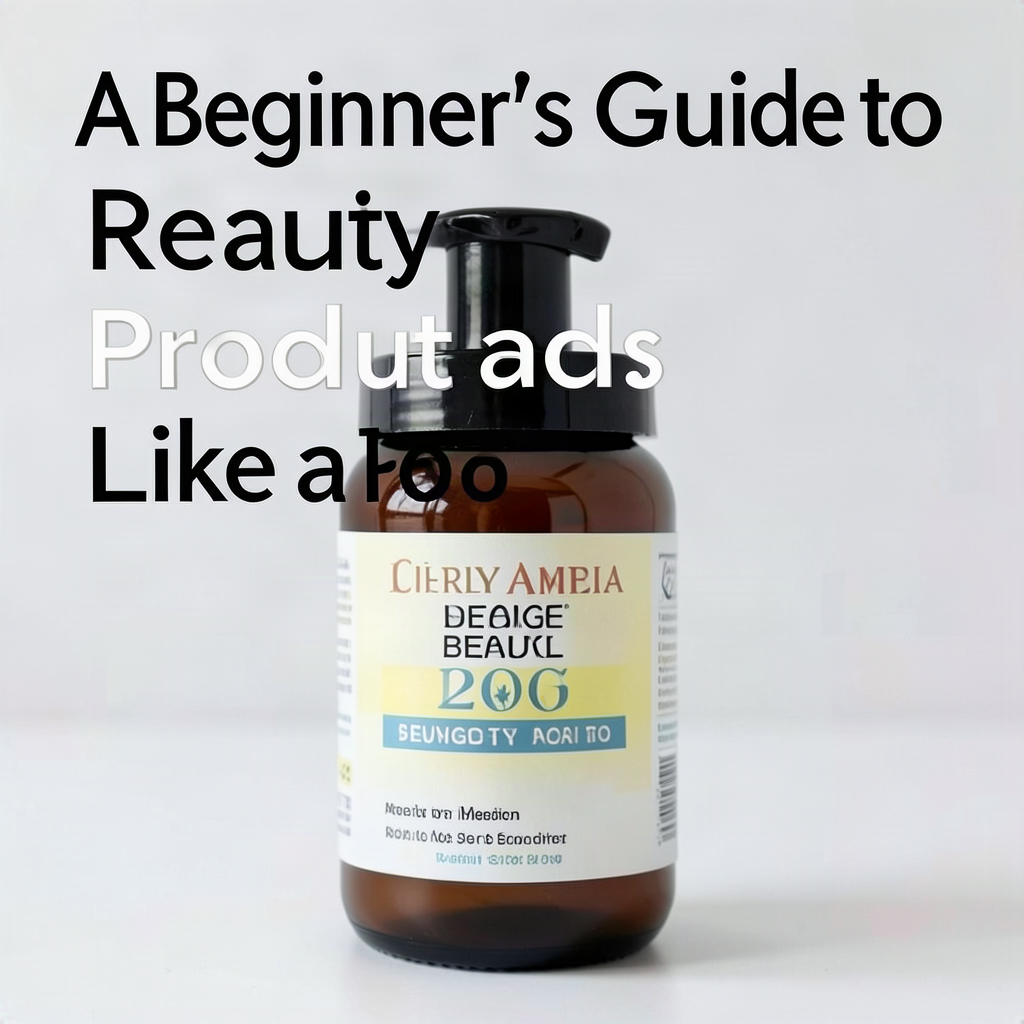
Standing in the skincare aisle, bottle in hand, staring at an ingredient list that looks like it belongs in a chemistry textbook. If this sounds familiar, you’re not alone. Most of us have been there, trying to decipher whether a product is worth the investment or if those unpronounceable words are hiding something we’d rather avoid.
The good news is that reading beauty product labels doesn’t require a science degree. With a few key strategies, you can quickly assess what’s inside that serum, moisturizer, or cleanser and make informed choices that align with your values and skin needs. This guide breaks down everything you need to know to navigate ingredient lists, decode marketing claims, and spot the ingredients that matter most for your skin type.
Understanding Ingredient List Order
The ingredient list on beauty products follows a specific order mandated by regulatory agencies in most countries. Ingredients are listed in descending order by concentration, meaning the first few ingredients make up the bulk of the formula. This simple rule tells you a lot about what you’re actually getting.
Ingredients present at concentrations above 1% appear in descending order. Once you hit the 1% threshold, ingredients can be listed in any order the manufacturer chooses. This is why you’ll often see preservatives, fragrances, and colorants clustered near the end of the list, as they typically appear in very small amounts.
For active ingredients like vitamin C, retinol, or niacinamide, pay attention to where they appear. A vitamin C serum that lists ascorbic acid as the tenth ingredient likely contains a lower concentration than one where it appears in the top five. However, some potent actives work effectively at lower percentages, so position alone doesn’t tell the whole story.
Water usually appears first, which makes sense for most formulas. If you see a product where water isn’t first, it’s either an anhydrous formula (water-free) or a very concentrated treatment. Oils, balms, and powder-based products often skip water entirely.
Decoding Common Skincare Ingredients
Let’s break down the ingredients you’ll encounter most often and what they actually do for your skin.
Humectants attract and hold water in the skin. Look for hyaluronic acid, glycerin, panthenol, and sodium hyaluronate. These appear frequently in moisturizers and serums because they provide hydration without heaviness. Glycerin particularly deserves respect; it’s been studied extensively and remains one of the most effective hydrating ingredients available.
Emollients soften and smooth the skin by filling gaps between skin cells. Common emollients include squalane, various plant oils like jojoba and sunflower oil, fatty alcohols (cetyl alcohol, stearyl alcohol), and silicones. Despite their intimidating names, fatty alcohols are beneficial for skin and shouldn’t be confused with drying alcohols.
Occlusives form a protective barrier that prevents water loss. Petrolatum, dimethicone, shea butter, and beeswax fall into this category. You’ll find these in richer creams and overnight treatments, especially products designed for very dry or compromised skin.
Surfactants create foam and help dissolve dirt and oil. In cleansers, you’ll see sodium lauryl sulfate, sodium laureth sulfate, or gentler alternatives like sodium cocoyl isethionate and decyl glucoside. The gentler versions work well for sensitive skin.
Preservatives prevent bacterial and fungal growth in water-containing products. Phenoxyethanol, ethylhexylglycerin, and various parabens serve this purpose. Without preservatives, water-based products would spoil quickly and potentially cause infections.
Identifying Potentially Irritating Ingredients
While most cosmetic ingredients are safe, some can cause problems for certain skin types. Understanding your personal triggers helps you avoid unnecessary reactions.
Fragrance ranks as the most common contact allergen in cosmetics. The term “fragrance” or “parfum” on a label can represent dozens of individual fragrance compounds, and manufacturers aren’t required to disclose them. Even “unscented” products may contain masking fragrances to neutralize odors. If you have sensitive skin or fragrance allergies, look for “fragrance-free” specifically.
Essential oils often appear in “natural” products but can be surprisingly irritating. Limonene, linalool, and citronellol occur naturally in many essential oils and must be listed separately when they exceed certain concentrations. These components can sensitize skin over time, even if you don’t react initially.
Drying alcohols like denatured alcohol, ethanol, and isopropyl alcohol can strip skin and cause irritation, especially in high concentrations. However, they do serve legitimate purposes in formulas, helping other ingredients penetrate and creating a weightless feel. Not all products containing alcohol are problematic, but those with dry or sensitive skin may want to avoid them near the top of the ingredient list.
Sulfates such as sodium lauryl sulfate effectively remove oil but can be too harsh for some people. If sulfates cause dryness or irritation, look for sulfate-free cleansers that use milder surfactants.
Recognizing Marketing Claims vs. Reality
Beauty product packaging often features compelling claims, but these terms have varying levels of regulatory oversight.
“Dermatologist tested” simply means a dermatologist was involved in testing, not that the product received approval or endorsement. It tells you nothing about the test results or whether the dermatologist was compensated.
“Non-comedogenic” suggests a product won’t clog pores, but there’s no standardized test or regulation for this claim. Companies can use it freely, and individual reactions vary. What clogs one person’s pores may be perfectly fine for another.
“Hypoallergenic” implies reduced allergy risk, but again, no standard definition exists. Manufacturers determine for themselves whether their products qualify. If you have known allergies, rely on the ingredient list rather than this claim.
“Natural” and “Clean” have no legal definitions in most markets. A “natural” product may contain naturally-derived ingredients processed extensively in labs. “Clean beauty” typically means the brand avoids certain controversial ingredients, but the specific avoided ingredients vary by brand.
“Organic” carries more weight when accompanied by certification from organizations like the USDA or Ecocert. Without certification, the term may be used loosely or apply to only some ingredients.
Understanding Active Ingredients and Their Concentrations
Active ingredients target specific skin concerns and often come with recommended concentration ranges for effectiveness. While labels rarely disclose exact percentages, you can make educated guesses based on ingredient position and your growing knowledge of typical formulations.
Vitamin C (ascorbic acid) typically appears at concentrations between 5-20%. Beginner serums often start around 10-15%, while more potent options reach 20%. If ascorbic acid appears in the top five ingredients, the concentration is likely substantial. More stable vitamin C derivatives like sodium ascorbyl phosphate and tetrahexyldecyl ascorbate work at lower concentrations.
Retinoids come in various forms with different strengths. Retinol typically appears at 0.1-1%, with higher concentrations potentially causing irritation. Retinaldehyde works at lower concentrations than retinol. Prescription retinoids like tretinoin are measured differently and require medical guidance.
Niacinamide works effectively across a range of concentrations, typically 2-10%. It’s well-tolerated by most skin types and plays well with other ingredients. You’ll find it in everything from toners to moisturizers.
Alpha hydroxy acids (glycolic, lactic, mandelic acid) and beta hydroxy acid (salicylic acid) have concentration limits depending on the product type and pH. Leave-on products generally contain lower percentages than rinse-off products. Effective exfoliation typically occurs at 5-10% for AHAs and 0.5-2% for BHAs in leave-on products.
Some brands voluntarily disclose active ingredient percentages on packaging or their websites. This transparency helps consumers make informed decisions, especially when comparing similar products.
Reading Labels for Specific Skin Concerns
Different skin types and concerns benefit from different ingredient profiles. Here’s what to look for based on your needs.
Acne-prone skin: Seek out salicylic acid, benzoyl peroxide, niacinamide, and retinoids. Avoid pore-clogging ingredients like coconut oil and isopropyl myristate. Non-comedogenic oils like squalane and jojoba oil work well for moisturizing.
Dry skin: Look for humectants (hyaluronic acid, glycerin), emollients (squalane, ceramides), and occlusives (shea butter, dimethicone). Avoid products with high alcohol content or harsh surfactants. Cream and balm cleansers tend to be gentler than foaming options.
Sensitive skin: Choose fragrance-free formulas with minimal ingredient lists. Look for soothing ingredients like allantoin, bisabolol, centella asiatica, and colloidal oatmeal. Avoid essential oils and products with long ingredient lists full of plant extracts.
Oily skin: Lightweight hydrators like hyaluronic acid and niacinamide work well. Clay and charcoal can help absorb excess oil in masks. Gel moisturizers provide hydration without the weight of creams. Niacinamide also helps regulate sebum production.
Mature skin: Focus on antioxidants (vitamin C, vitamin E, ferulic acid), retinoids, peptides, and sun protection. Hydrating ingredients help address dryness that often accompanies aging skin. Don’t neglect gentle exfoliation to encourage cell turnover.
Hyperpigmentation: Vitamin C, niacinamide, alpha arbutin, tranexamic acid, and licorice root extract all target dark spots. Consistent sun protection remains essential, as UV exposure worsens existing pigmentation and creates new spots.
Spotting Common Allergens and Irritants
If you have allergies or sensitive skin, certain ingredients warrant extra caution. The European Union requires specific allergen disclosure on labels, which helps consumers identify potential triggers.
The most common cosmetic allergens include fragrance compounds, preservatives (particularly formaldehyde-releasing preservatives like DMDM hydantoin and imidazolidinyl urea), and certain dyes. Paraphenylenediamine (PPD) in hair dyes causes reactions in many people.
Natural ingredients aren’t immune to causing reactions. Propolis, bee products, and many plant extracts can trigger allergies in sensitive individuals. Lanolin, derived from sheep’s wool, causes contact dermatitis in some people despite being an excellent moisturizer for others.
If you suspect an ingredient causes reactions, try elimination. Stop using products containing that ingredient and see if symptoms improve. Patch testing new products on your inner arm for 48 hours can help identify potential problems before applying to your face.
Keep a list of ingredients that have caused reactions for you personally. This becomes your personal “avoid” list, more relevant than any general advice about problematic ingredients.
Making Informed Purchasing Decisions
Armed with label-reading skills, you can make smarter choices that save money and serve your skin better.
Compare similar products by examining their ingredient lists. Two serums might both feature vitamin C, but one could contain additional antioxidants that enhance stability and effectiveness. Looking beyond the star ingredient reveals the full picture.
Consider ingredient stability. Some actives, particularly vitamin C and retinoids, degrade with light and air exposure. Products in opaque, airless packaging maintain potency longer than those in clear jars or dropper bottles. A beautiful formula in poor packaging may lose effectiveness before you finish it.
Research brands that align with your values. Some companies prioritize transparency, disclosing full ingredient percentages and sourcing information. Others focus on sustainability, using eco-friendly packaging and responsibly sourced ingredients. Your purchasing decisions support the practices you want to see in the industry.
Don’t be swayed by long ingredient lists alone. More ingredients don’t necessarily mean better products. Simple, well-formulated products often outperform complex cocktails of trendy extracts and actives.
Finally, remember that expensive doesn’t always mean better. Drugstore brands increasingly use sophisticated formulations comparable to luxury products. The ingredient list tells you more about what you’re getting than the price tag ever will.
Navigating Regional Labeling Differences and Import Products
Beauty has gone global, and your skincare collection might include products from Korea, France, Australia, or Japan. Each region enforces different labeling standards, which affects what appears on the package and how information is presented.
The European Union maintains some of the strictest cosmetic labeling requirements globally. EU regulations mandate that 26 specific fragrance allergens be disclosed individually when they exceed certain thresholds. If you see limonene, linalool, citronellol, geraniol, or eugenol listed separately on a product, it’s likely formulated for the EU market or a brand adhering to EU standards voluntarily. The EU also requires nanomaterials to be indicated with [nano] in brackets after the ingredient name—a detail worth noting if you follow discussions about nanoparticle safety.
South Korean products follow KFDA regulations and often include expiration dates rather than the period-after-opening system common in Western markets. Korean labels also emphasize sun protection ratings using the PA system (PA+, PA+++, etc.) for UVA protection alongside SPF numbers. Japanese products similarly highlight UV protection with PA ratings and often list ingredients in Japanese, though export versions include English translations.
When purchasing import products, verify you’re looking at an official translation rather than a third-party translation that might miss nuances. Parallel imports—products sold outside their intended distribution channels—may lack proper labeling for your region. If you’re relying on ingredient information for allergy management, contact the brand directly for an official INCI list rather than trusting unofficial translations.
Australian and New Zealand products often emphasize their exclusion of specific ingredients due to unique environmental concerns. These markets have banned or restricted numerous ingredients still permitted elsewhere, including certain hydroquinone derivatives and specific sunscreen filters. A product labeled for the Australian market might have a different formulation than the identical-looking product sold in North America.
Deciphering INCI Names Versus Common Names
The International Nomenclature of Cosmetic Ingredients (INCI) system standardizes ingredient names across markets, but these scientific names often bear little resemblance to what ingredients are called in marketing materials or casual conversation. Learning to translate between the two helps you spot products that work for your skin regardless of branding.
Vitamin C illustrates this disconnect clearly. When you see “vitamin C” on product packaging, the ingredient list will specify the exact form: L-ascorbic acid (the pure, most-studied form), sodium ascorbyl phosphate (a gentler, stable derivative), magnesium ascorbyl phosphate (oil-soluble, good for drier skin), tetrahexyldecyl ascorbate (another stable, oil-soluble form), or ascorbyl glucoside (water-soluble and gentle). Each form has different stability requirements, penetration abilities, and concentration recommendations, yet marketing materials often lump them all under “vitamin C.”
Retinoids present similar naming challenges. The INCI list will specify retinol, retinal (sometimes written as retinaldehyde), retinyl palmitate, or hydroxypinacolone retinoate. Each converts to active retinoic acid at different rates, meaning they offer different potency levels despite all being “retinoids.” Retinyl palmitate, the gentlest, must convert through multiple steps before becoming active, which explains why products featuring it as a star ingredient might seem less effective than pure retinol formulations.
Plant oils and extracts often appear under their Latin names. Simmondsia chinensis is jojoba oil, Helianthus annuus is sunflower oil, and Butyrospermum parkii is shea butter. Brands that highlight specific botanicals in marketing might use common names prominently while the INCI list shows only the scientific designation. If a brand promotes an ingredient you can’t find on the label, look for its Latin name.
Peptides use abbreviated codes that look like random letters and numbers. Acetyl hexapeptide-8, for instance, is the INCI name for what’s commonly called Argireline in marketing. Copper tripeptide-1 appears on labels exactly as written, but marketing might reference its wound-healing research under various trade names. When a product claims to contain a specific patented peptide, cross-reference the marketing name with the INCI list to confirm what’s actually in the formula.
Understanding Preservative Systems and Their Trade-offs
Preservatives rank among the most misunderstood ingredients in skincare. They exist to prevent microbial growth, protecting you from contaminated products that could cause serious infections. Yet preservatives also draw significant scrutiny from consumers concerned about safety and sensitivity. Understanding preservative systems helps you evaluate products more thoroughly.
Water-based products require preservation. Without effective preservatives, anything containing water becomes a breeding ground for bacteria, yeast, and mold within days or weeks. Even products packaged in seemingly protective containers can become contaminated through normal use. A contaminated eye cream can cause serious eye infections; a contaminated moisturizer applied to compromised skin barriers can lead to bacterial or fungal overgrowth.
Parabens (methylparaben, propylparaben, butylparaben) remain the most extensively studied preservative class. They’ve been used for decades and offer broad-spectrum protection against bacteria and fungi at low concentrations. Concerns about parabens stem from studies detecting them in breast tissue, but subsequent research found these concentrations too low to cause estrogenic effects. Regulatory bodies worldwide consider parabens safe at cosmetic concentrations. However, consumer pressure has led many brands to formulate paraben-free products.
Paraben alternatives include phenoxyethanol (often paired with ethylhexylglycerin), benzyl alcohol, dehydroacetic acid, and various organic acids like sorbic and benzoic acid. These alternatives work effectively but may have different sensitivity profiles. Phenoxyethanol, for instance, can cause stinging in some people, particularly in leave-on products at higher concentrations. It also has usage limits in various regions, typically capped at 1%.
“Preservative-free” claims deserve scrutiny. Some products achieve preservation through multitasking ingredients that function primarily as humectants or antioxidants but also inhibit microbial growth. Caprylyl glycol, for instance, moisturizes skin and has antimicrobial properties. Other “preservative-free” products rely on packaging that prevents contamination, such as single-use ampoules or airless pumps that don’t allow outside air to contact the formula. Still others are anhydrous—without water, microbial growth becomes much harder, though not impossible if water gets introduced during use.
Natural preservative systems present unique challenges. Many natural-derived preservatives offer narrower protection spectrums, working against bacteria but not fungi, or requiring higher concentrations that may irritate sensitive skin. Products preserved naturally often have shorter shelf lives and may require storage in cool, dark places. If you choose naturally preserved products, pay attention to PAO symbols and discard them promptly after opening.
Evaluating Stabilization and Delivery Systems in Formulas
Effective skincare isn’t just about which ingredients a product contains—it’s about whether those ingredients remain stable and reach the appropriate skin layers. Advanced delivery systems and stabilization techniques often appear in ingredient lists without fanfare, but recognizing them helps you understand why some products outperform others with similar star ingredients.
Vitamin C stability illustrates this clearly. L-ascorbic acid degrades rapidly when exposed to light, air, and water. A well-formulated vitamin C serum includes stabilizing ingredients like ferulic acid and vitamin E, which enhance antioxidant activity and protect the vitamin C from oxidation. The ingredient list might also show chelating agents like disodium EDTA, which bind metal ions that accelerate degradation. Without these supporting players, even a high concentration of vitamin C might oxidize before you finish the bottle.
Retinoid stabilization follows similar principles. Retinol degrades in light and oxygen, which is why retinoid products come in opaque, air-restrictive packaging. Ingredient lists for retinoid products often include antioxidants like BHT or tocopherol to prevent oxidation. Some formulas use encapsulated retinol—small spheres that protect the retinol until it penetrates skin and then release it gradually. Encapsulation won’t appear as a separate ingredient, but marketing materials often highlight this technology.
Liposomal delivery systems encapsulate active ingredients in tiny lipid spheres that merge with skin cell membranes, enhancing penetration of ingredients that might otherwise sit on the surface. These systems appear in ingredient lists as phospholipids, lecithin, or specific liposome-forming compounds. They’re particularly common in products with ingredients that have large molecular sizes or poor natural penetration.
Microencapsulation technology protects sensitive ingredients and provides time-released delivery. An encapsulated benzoyl peroxide product might cause less irritation than standard formulations because the active releases gradually rather than all at once. Similarly, encapsulated salicylic acid can provide extended exfoliation with less acute stinging. These delivery advances explain why two products with identical active ingredient percentages might produce different results and irritation levels.
Emulsion systems deserve attention for how they affect product performance. Water-in-oil emulsions (common in rich creams) deliver ingredients differently than oil-in-water emulsions (typical of lighter lotions). The emulsifier choices—cetearyl alcohol and ceteareth-20, for instance, or various polysorbates—determine stability and texture but also influence how the product sits on skin and how well active ingredients penetrate.
Reading Sunscreen Labels Beyond SPF Numbers
Sunscreen labels contain more critical information than most beauty products, yet many consumers focus solely on the SPF number. Understanding the full label helps you choose effective protection that works with your skin type and lifestyle.
SPF measures protection against UVB rays, which cause sunburn and contribute to skin cancer. But UVA rays penetrate deeper, causing premature aging and also contributing to cancer risk. Broad-spectrum designation indicates UVA protection, but the degree varies. In the US, any product passing a basic UVA test can claim broad-spectrum status, even if protection is minimal. European and Asian markets use more rigorous UVA testing and often display separate UVA protection ratings.
The PA system used in Asian markets quantifies UVA protection. PA+ indicates low protection, PA++ moderate, PA+++ high, and PA++++ extremely high. European products may display a UVA logo with a number inside, indicating the UVA protection factor. When comparing sunscreens, these metrics matter more than SPF numbers above 30, as SPF 50 blocks only slightly more UVB than SPF 30 (98% versus 97%), but UVA protection varies significantly between formulas.
Active sunscreen ingredients appear at the top of ingredient lists and fall into two categories: chemical (organic) filters and physical (mineral) filters. Chemical filters like avobenzone, octisalate, and homosalate absorb UV rays and convert them to heat. Physical filters like zinc oxide and titanium dioxide reflect and scatter UV rays. Some sunscreens combine both types for broader protection and cosmetic elegance.
Each filter type has trade-offs. Chemical filters often feel lighter and more cosmetically elegant but may sting sensitive skin or eyes. Avobenzone specifically can be unstable without proper stabilizers, degrading in sunlight unless formulated with photostabilizing ingredients. Physical filters sit on the skin surface and are generally better tolerated by sensitive skin, but older formulations left white casts. Modern micronized versions blend better, though darker skin tones may still notice residue.
Reef-safe claims have proliferated, particularly in regions like Hawaii that banned oxybenzone and octinoxate due to coral reef concerns. However, “reef-safe” lacks standardized definition or testing. Some brands use it to indicate the absence of specific banned filters, while others have reformulated entirely with mineral filters. If environmental impact matters to you, research specific ingredients and their regional regulations rather than relying solely on marketing claims.
Water resistance ratings indicate how long protection lasts during swimming or sweating. In the US, products can claim either 40 or 80 minutes of water resistance. This doesn’t mean waterproof—it means you should reapply after that time period if you’ve been in water. No sunscreen is truly waterproof, and all require reapplication every two hours during continued sun exposure.
Identifying Cross-Reactive Ingredients and Hidden Sources
If you have known sensitivities or allergies, ingredient identification becomes more complex when allergens hide in unexpected places or cross-react with similar compounds. Advanced label reading means understanding these relationships.
Propylene glycol and similar compounds appear in countless products as humectants, solvents, and penetration enhancers. If you react to propylene glycol, you might also react to related compounds like butylene glycol, pentylene glycol, and various PEGs (polyethylene glycols). These ingredients share structural similarities and can trigger cross-reactions. If you’ve identified propylene glycol sensitivity, scan ingredient lists for this entire family rather than just the specific compound that caused your initial reaction.
Coconut-derived ingredients present similar cross-reactivity patterns. If you’re allergic to coconut oil, related ingredients like cocamidopropyl betaine (a surfactant), cetearyl alcohol (when derived from coconut), and caprylic/capric triglyceride may also cause reactions. These ingredients often appear in products marketed as natural or gentle, making coconut-allergic individuals surprised when “sensitive skin” products cause problems.
Essential oil constituents can sensitize skin even when the full essential oil isn’t listed. A product might contain citrus-derived fragrance compounds without listing lemon or orange essential oil. The individual components—limonene, citral, geraniol—must be disclosed separately in the EU when they exceed thresholds, but US regulations don’t require this breakdown. If you’re avoiding essential oils for sensitivity reasons, you need to know these constituent names and watch for them regardless of whether essential oils appear explicitly.
Plant extract allergies require careful attention to botanical families. If you react to one member of the Asteraceae family (daisy family), you might cross-react to others. This family includes chamomile, calendula, arnica, and echinacea—popular in skincare for soothing properties. Rosaceae family cross-reactivity affects those sensitive to roses, strawberries, and various fruit extracts. Understanding botanical relationships helps you avoid related triggers even when unfamiliar Latin names appear on labels.
Hidden fragrance sources extend beyond the obvious. Some ingredients serve dual purposes—they function as preservatives, solvents, or actives but also contribute scent. Benzyl alcohol preserves products but has a characteristic floral odor. Various plant-derived ingredients add subtle natural fragrance without requiring “fragrance” on the label. If you’re highly fragrance-sensitive, these secondary sources matter even in products technically labeled fragrance-free.
Interpreting Batch Codes and Manufacturing Information
While ingredient lists tell you what’s in a product, batch codes and manufacturing information tell you when it was made—and timing matters for product efficacy and safety.
Batch codes typically appear as alphanumeric strings printed or stamped on product packaging, often near the bottom of bottles or on crimped tube edges. Unlike expiration dates, these codes don’t directly indicate when to discard the product. Instead, they allow manufacturers to trace products back to specific production runs if quality issues arise.
Decoding batch codes varies by brand. Some companies use straightforward formats where the first digits indicate the production year and subsequent digits indicate the day or week. Others use proprietary systems that require contacting customer service or using online batch code decoders. For products with limited stability—particularly vitamin C serums, retinoids, and unpreserved or minimally preserved formulas—knowing when your product was manufactured helps you gauge remaining shelf life.
Freshness matters most for antioxidant-rich formulas. Vitamin C serums can oxidize before the PAO expires if they’ve sat on shelves for extended periods. An L-ascorbic acid serum manufactured two years ago has likely degraded significantly, even if the PAO suggests 12 months of use after opening. When purchasing these products, check batch codes if accessible, and buy from retailers with high turnover to ensure recent production.
Physical signs of degradation often appear before official expiration. Vitamin C serums turn yellow or brown as they oxidize. Retinoid products may darken or develop an off smell. Natural products might separate, change texture, or smell rancid. These changes indicate the product has spoiled regardless of what the label suggests. Trust your senses over printed dates when they conflict.
Storage conditions dramatically affect product stability regardless of printed information. A product stored in a hot, humid bathroom degrades faster than one kept in a cool, dry place. Products with natural preservatives or high antioxidant content require extra care. Refrigerating certain products—particularly vitamin C serums, retinoids, and probiotic skincare—extends their active life. The label might not specify refrigeration, but it can help products with sensitive ingredients maintain potency longer.
Frequently Asked Questions
What does the period-after-opening symbol mean?
The PAO symbol looks like a small jar with a number and the letter M (such as 12M or 6M). It indicates how many months a product remains safe to use after opening. This timeframe accounts for preservative effectiveness and typical use conditions. Using products past their PAO can lead to bacterial contamination, even if the product looks and smells fine. Mark the date you open products to track their age, especially for items with active ingredients that degrade over time.
Are products labeled “chemical-free” better for skin?
All matter consists of chemicals, including water and plant extracts, so “chemical-free” is scientifically meaningless as a marketing term. What brands usually mean is that their products avoid certain synthetic ingredients. However, natural doesn’t automatically mean safer or better. Many synthetic ingredients have excellent safety profiles and deliver results effectively. Conversely, plenty of natural ingredients cause irritation and allergies. Focus on ingredients that work for your skin rather than chasing “chemical-free” claims.
Should I avoid all products with parabens?
Parabens remain among the most studied and effective preservatives in cosmetics. While concerns about their potential estrogenic activity circulated in the early 2000s, subsequent research and regulatory reviews have found them safe at the concentrations used in cosmetics. The real risk lies in inadequately preserved products that can harbor dangerous microorganisms. That said, if you prefer to avoid parabens for personal reasons, plenty of alternatives exist. Just recognize that paraben-free products use other preservatives, each with their own considerations.
How can I tell if a product contains hidden fragrances?
Look for “fragrance” or “parfum” anywhere in the ingredient list. In some regions, individual fragrance components like limonene and linalool must also be listed. Products labeled “fragrance-free” should not contain added fragrance compounds, but they may still have ingredients with natural scents. “Unscented” products may contain masking fragrances that neutralize odors without adding detectable scent. If fragrance sensitivity is a concern, “fragrance-free” is the safer choice, and you may want to research specific essential oils that trigger your reactions.
Do ingredient lists differ between countries?
Yes, labeling requirements vary by region. The European Union has stricter allergen disclosure requirements than the United States. Some countries require expiration dates while others use the PAO system. Ingredient names follow the INCI (International Nomenclature of Cosmetic Ingredients) system in most markets, so names should be consistent, but the order and additional information provided can differ. If you purchase products internationally or from brands that sell globally, you might notice variations. Always read the ingredient list on the specific product you’re purchasing rather than relying on information from different markets.
Related posts:
 Proper Order of Skincare Application
 Rael and Good Chemistry Advanced Antioxidant Serum Review
 Foundation’s Impact on Skin
 Beauty Treatments That Work While You Sleep
 Why SCOBY Might Be the Secret Ingredient Your Skincare Routine Needs
 Phlur Fragrance Is Redefining What Clean Perfume Can Be
 The Best Toners for Acne-Prone Skin That Won’t Strip Your Face
 Spring Awakening: The Hydrating Serums Your Winter Skin Is Craving