
Getting Started with Home Workouts: Your Journey to Better Health
Embarking on a fitness journey from the comfort of your home is an empowering step towards improved health and wellbeing. A beginner’s home workout routine can be a gentle yet effective way to build strength, boost energy, and nurture your body. Let’s explore how you can create a positive and sustainable fitness practice that fits seamlessly into your daily life.
Creating a Welcoming Workout Space
Before diving into exercises, it’s important to create a space that feels inviting and comfortable. This doesn’t mean you need a full home gym – a small corner in your living room or bedroom can work wonders. Consider these tips:
- Clear some floor space for movement
- Keep a water bottle and towel nearby
- Play music that uplifts and motivates you
- Open a window for fresh air if possible
- Use a yoga mat or soft surface for comfort
Remember, your workout space should feel like a sanctuary – a place where you can focus on self-care and personal growth.
Starting with Gentle Warm-Ups
Warming up is crucial for preparing your body and mind for exercise. Start with these simple, soothing movements:
- Neck rolls: Gently rotate your head in circles, feeling the stretch in your neck
- Shoulder shrugs: Lift your shoulders towards your ears, then release
- Arm circles: Rotate your arms in large circles, forward and backward
- Torso twists: Stand with feet hip-width apart and gently twist your upper body side to side
- Knee lifts: Slowly lift each knee towards your chest, alternating legs
Take your time with these warm-ups, focusing on how your body feels and practicing deep, steady breathing.
Building Strength with Bodyweight Exercises
Bodyweight exercises are perfect for beginners as they require no equipment and can be modified to suit your fitness level. Here are some compassionate ways to approach common exercises:
Modified Push-Ups
Start on your knees or against a wall. Focus on maintaining a straight line from head to knees (or heels if against a wall). Lower yourself slowly and push back up. Remember, it’s not about how many you can do, but about moving with intention and care for your body.
Gentle Squats
Stand with feet hip-width apart. Lower yourself as if sitting back into a chair, keeping your weight in your heels. Only go as low as feels comfortable. Rise back up slowly. Imagine your movements as a way of honoring your body’s strength.
Supported Lunges
Hold onto a chair or wall for balance. Step one foot forward and lower your body, keeping your front knee above your ankle. Return to standing and switch legs. Move slowly and breathe deeply, appreciating your body’s ability to balance and stretch.
Incorporating Mindful Movement
Exercise isn’t just about physical exertion – it’s an opportunity to connect with your body and practice mindfulness. Consider adding these elements to your routine:
- Take moments between exercises to check in with your breath
- Practice gratitude for what your body can do, rather than focusing on limitations
- Move in ways that feel good, even if they don’t look like traditional exercises
- Include gentle stretches that promote relaxation and flexibility
Remember, the goal is to nurture your body and mind, not to push yourself to exhaustion.
Cooling Down and Reflecting
As you finish your workout, take time to cool down and reflect on your practice. Try these calming activities:
- Gentle walking in place to slow your heart rate
- Deep breathing exercises to center yourself
- Light stretching to release any tension
- A brief meditation or moment of stillness
Use this time to appreciate your effort and the positive steps you’re taking for your health. Every workout, no matter how small, is an act of self-care and personal growth.
Frequently Asked Questions
How often should I do home workouts as a beginner?
As a beginner, start with 2-3 sessions per week, allowing your body time to rest and recover between workouts. Listen to your body and adjust as needed. Remember, consistency is more important than intensity when you’re starting out.
Do I need any equipment for home workouts?
While equipment can be helpful, it’s not necessary for effective home workouts. Many great exercises use just your body weight. As you progress, you might consider adding simple items like resistance bands or light dumbbells, but start with what you have and focus on form and technique.
How long should my home workout sessions be?
For beginners, 20-30 minutes is a great starting point. This gives you enough time for a warm-up, some strength exercises, and a cool-down. As you build stamina and strength, you can gradually increase the duration if you wish. Remember, quality of movement is more important than quantity.
What if I feel pain during a workout?
If you experience pain (not to be confused with the discomfort of exertion), stop the exercise immediately. Sharp or persistent pain is your body’s way of saying something isn’t right. Rest, and if the pain continues, consult with a healthcare professional. It’s always better to be cautious and listen to your body.
How can I stay motivated with home workouts?
Staying motivated can be challenging, but there are many ways to keep yourself engaged. Set small, achievable goals, track your progress, vary your routines, and celebrate your efforts, not just your results. Remember why you started – for better health and wellbeing – and be kind to yourself on days when motivation is low.
Embarking on a home workout journey is a beautiful way to care for yourself. Remember, every step you take, no matter how small, is a step towards better health and wellbeing. Be patient with yourself, celebrate your progress, and enjoy the journey of discovering what your body can do. Your home workout practice is uniquely yours – make it a reflection of your personal path to health and happiness.
Related posts:
 Margot Robbie’s Golden Globes Ab Workout Secrets Revealed
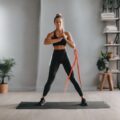 Resistance Band Glute Workouts
 8 Effective Hamstring Exercises You Can Do at Home
 Pilates Scooter Workout
Transform Your Living Room Into a Booty-Building Powerhouse
Pilates Scooter Workout
Transform Your Living Room Into a Booty-Building Powerhouse
 Advanced At-Home Workout
 ClassPass Just Launched Free Audio Workouts and They’re Incredible
 Total Body Strength Workout: Challenging Every Muscle Group