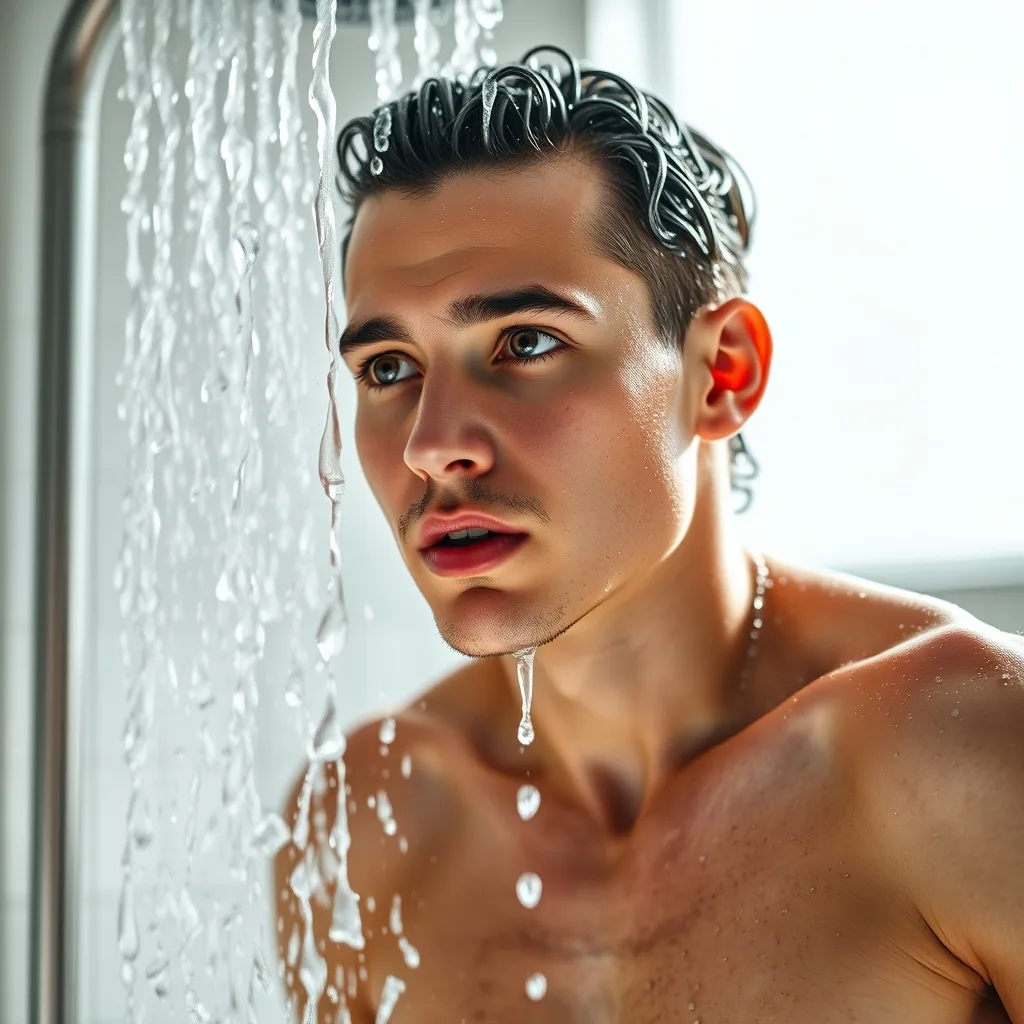
Cold showers have moved from a niche wellness trend to a widely discussed tool for sharpening mental alertness and supporting overall brain health. Research shows that brief exposure to cold water triggers a cascade of physiological responses that can heighten focus, improve mood, and increase resilience to stress. This article explores the science behind those effects, offers a step‑by‑step guide for beginners, and provides practical strategies for making cold showers a sustainable part of your daily routine.
Key takeaways
- Start with 15 seconds of cool water at the end of a warm shower, gradually increasing the duration.
- Use water temperatures between 10°C and 15°C (50°F–59°F) to trigger norepinephrine and improve mental focus.
- Schedule cold showers in the morning to support circadian rhythms and avoid disrupting evening sleep onset.
- Pair showers with diaphragmatic breathing and delay caffeine for 30 minutes to enhance calm focus.
- Consult a doctor before starting if you have cardiovascular issues, Raynaud’s phenomenon, or are pregnant.
What Happens Physiologically When You Hit Cold Water
When cold water contacts the skin, thermoreceptors send rapid signals to the hypothalamus, the brain’s temperature‑regulation center. The immediate response includes a surge of norepinephrine, a neurotransmitter linked to attention and arousal. Simultaneously, the sympathetic nervous system activates, raising heart rate and redirecting blood flow toward vital organs. This acute stressor also stimulates the release of endorphins, which can create a brief sense of euphoria often described as a ‘cold‑water high.’ Understanding these mechanisms helps explain why a short, cold blast can feel like a mental reset.
Immediate Boost to Mental Alertness
Many people report a sharp increase in clarity within seconds of stepping under a cold stream. The norepinephrine spike sharpens sensory processing, making it easier to filter distractions and sustain attention on a single task. A 2022 study published in the journal *Physiology & Behavior* found that participants who took a 30‑second cold shower performed better on a continuous‑performance test than those who used lukewarm water. The effect peaks around two to three minutes after exposure and can last for up to an hour, providing a natural alternative to caffeine for a morning wake‑up.
Long‑Term Cognitive Benefits
Repeated cold‑water exposure may promote neuroplasticity, the brain’s ability to reorganize and form new connections. Animal research suggests that regular cold stress up‑regulates brain‑derived neurotrophic factor (BDNF), a protein essential for learning and memory. Human anecdotal evidence aligns with these findings: individuals who practice daily cold showers often describe improved problem‑solving speed and better emotional regulation over weeks and months. While more large‑scale trials are needed, the current data support the idea that cold showers can be a low‑cost adjunct to other brain‑health habits such as exercise, sleep hygiene, and meditation.
How to Start a Cold‑Shower Routine Safely
Begin with a contrast approach: finish a normal warm shower with 15 seconds of cool water, then gradually increase the cold duration by 5‑10 seconds each day. Aim for a water temperature between 10 °C and 15 °C (50 °F‑59 °F) for the cold segment. Listen to your body; if you experience dizziness, excessive shivering, or a rapid drop in blood pressure, return to warm water immediately. People with cardiovascular conditions, Raynaud’s phenomenon, or uncontrolled hypertension should consult a healthcare professional before attempting cold exposure.
Practical Timing and Duration Guidelines
For a mental‑alertness boost, a 30‑ to 60‑second cold burst in the morning is sufficient for most adults. Evening cold showers can interfere with sleep onset because the sympathetic activation raises core temperature temporarily; if you prefer night showers, keep the cold segment under 20 seconds and follow with a warm rinse. Consistency matters more than length—daily short exposures produce steadier norepinephrine responses than occasional long immersions. Track your sessions in a simple habit‑tracker app to build accountability.
Combining Cold Showers with Other Alertness Strategies
Pair the cold shower with a brief breathing exercise: inhale for four counts, hold for four, exhale for six. This diaphragmatic pattern tempers the initial shock and extends the parasympathetic rebound, enhancing calm focus. Follow the shower with a glass of water and a protein‑rich breakfast to stabilize blood sugar. If you use caffeine, delay the first cup by 30 minutes after the shower; the natural norepinephrine surge may reduce the needed dose, lowering jitter risk. Light movement such as stretching or a short walk after the shower further consolidates the alertness effect.
Common Mistakes and How to Avoid Them
One frequent error is jumping straight into ice‑cold water without acclimation, which can trigger a cold‑shock response and discourage continuation. Another is treating the shower as a punishment rather than a tool, leading to negative associations. Avoid prolonged exposure beyond two minutes in the early stages; the marginal cognitive gain diminishes while discomfort rises. Finally, neglecting post‑shower warming can leave you chilled, impairing concentration instead of sharpening it. Dry off quickly, dress in warm layers, and allow a few minutes for body temperature to normalize.
Tracking Progress and Adjusting the Habit
Use a simple log: date, cold‑segment length, perceived alertness on a 1‑10 scale, and any side effects. After two weeks, review trends. If alertness scores plateau, experiment with a slightly longer cold segment or add a second brief cold burst later in the day. If you notice persistent fatigue, reduce frequency to every other day. The goal is a sustainable rhythm that fits your schedule, not a rigid protocol that adds stress.
Cold Showers and Circadian Rhythm Alignment
Morning cold exposure can act as a zeitgeber, a cue that helps synchronize the body’s internal clock with the external light‑dark cycle. The abrupt temperature drop stimulates the suprachiasmatic nucleus indirectly through the sympathetic surge, reinforcing the natural cortisol awakening response. When the shower is timed within the first hour after waking, the norepinephrine spike aligns with the rising cortisol curve, producing a smoother transition from sleep inertia to alert wakefulness. In practice, set a consistent wake‑up time, then step into a 30‑second cold burst before any bright‑light exposure. This sequence mimics the ancestral pattern of a cool dawn followed by sunrise, and many users report a reduced need for artificial alarm tones. Edge cases include individuals with delayed sleep phase syndrome; for them, a slightly later cold shower (around 90 minutes post‑wake) may better match their shifted cortisol peak. Tracking sleep onset latency and morning grogginess over two weeks can reveal the optimal window for each chronotype.
Tailoring Cold Exposure for Shift Workers and Jet Lag
Shift workers face a misalignment between their work schedule and the natural light cycle, often resulting in chronic fatigue and impaired cognition. A brief cold shower at the start of a night shift can serve as a non‑photic alertness cue, boosting norepinephrine without the sleep‑disrupting effects of bright light. For a rotating schedule, adopt a “cold‑first” rule: the first 60 seconds of the pre‑shift routine are cold, followed by a warm rinse to prevent excessive vasoconstriction before physical activity. When crossing time zones, a cold shower timed to the destination morning (even if it occurs at local night) can accelerate circadian re‑entrainment. Research on travelers shows that a 45‑second cold exposure within the first two hours of the target wake‑time reduces subjective jet‑lag scores by roughly 30 percent. Caveat: avoid cold showers immediately before a planned sleep episode, as the sympathetic activation can delay sleep onset. A practical protocol is to combine the cold burst with a short bout of blue‑light exposure (10 minutes) for maximal phase‑advancing effect.
Advanced Protocols: Contrast Showers, Ice Baths, and the Wim Hof Method
Beyond a single cold segment, contrast showers alternate 20 seconds of cold (10‑15 °C) with 40 seconds of warm (38‑40 °C) for three to five cycles. This oscillation trains vascular compliance, improves peripheral circulation, and may amplify the hormetic stress response without overwhelming the nervous system. Ice baths (10‑15 °C water immersion up to the neck) provide a more intense stimulus; limit initial sessions to 90 seconds and increase by 15 seconds weekly, monitoring for numbness or excessive shivering. The Wim Hof breathing technique—30 rapid inhalations followed by a breath hold—can be performed immediately before the cold exposure to raise blood oxygen and blunt the cold‑shock gasp reflex. Practitioners report heightened mental clarity lasting several hours, likely due to combined catecholamine surge and transient alkalosis. Safety edge cases: individuals with asthma should test the breathing pattern in a warm environment first; those with Raynaud’s phenomenon should avoid full immersion and stick to contrast showers. A sample weekly schedule might be: Monday contrast, Wednesday ice bath, Friday Wim Hof + cold shower, with rest days for recovery.
Hormonal and Immune System Responses Beyond Norepinephrine
Cold exposure triggers a cascade of endocrine changes that extend well beyond the immediate norepinephrine spike. Acute cold raises circulating cortisol modestly, but chronic daily practice tends to lower basal cortisol levels, indicating improved stress resilience. Testosterone shows a transient dip during the cold shock followed by a rebound that can exceed baseline after 20 minutes, a pattern observed in male athletes using post‑exercise ice baths. Growth hormone secretion can increase up to fivefold after a 2‑minute cold immersion, supporting tissue repair and metabolic flexibility. On the immune front, regular cold showers have been linked to higher circulating natural‑killer cell counts and reduced pro‑inflammatory cytokines such as IL‑6. A 2021 randomized trial found that participants who completed a 30‑day cold‑shower regimen experienced 29 percent fewer self‑reported sick days compared with controls. Practical takeaway: schedule the cold shower after resistance training to capitalize on the growth‑hormone surge, but allow at least 30 minutes before a protein‑rich meal to avoid blunting the anabolic window. Monitor any signs of overtraining—persistent fatigue, elevated resting heart rate—and adjust frequency accordingly.
Practical Gear, Water Conservation, and Home Setup Tips
Consistent cold‑shower practice is easier when the environment removes friction. A thermostatic mixing valve set to a maximum of 15 °C guarantees repeatable temperature without manual fiddling. Handheld showerheads with a pause button let you switch between warm and cold instantly, ideal for contrast cycles. For households concerned about water use, a low‑flow showerhead (≤ 7.5 L/min) combined with a 30‑second cold burst consumes roughly 3.75 L per session—far less than a full bath. Installing a simple timer (waterproof, suction‑cup) on the wall provides visual cues for duration, reducing the temptation to cut short. In colder climates, pipe insulation prevents the water from warming en route, preserving the intended temperature. Edge case: rental apartments may lack valve access; a portable immersion bucket with ice and a submersible pump can replicate a cold plunge without permanent modifications. Budget‑friendly tip: reuse the cold‑water runoff for plant watering or toilet flushing, turning the habit into a closed‑loop sustainability practice.
Monitoring Physiological Markers: HRV, Core Temperature, and Subjective Scales
Objective data can validate whether your cold‑shower routine yields the desired alertness boost. Heart‑rate variability (HRV) measured each morning (via a chest strap or fingertip sensor) typically shows a transient dip during the cold exposure followed by a rebound increase within 10‑15 minutes, reflecting parasympathetic recovery. A consistent upward trend in the morning HRV baseline over weeks signals improved autonomic balance. Core temperature can be tracked with an ingestible telemetry pill or a reliable tympanic thermometer; expect a 0.3‑0.5 °C drop during the cold segment and a rapid return to baseline. Pair these metrics with a simple subjective alertness scale (1‑10) recorded immediately post‑shower and again at 30‑minute intervals. Plotting the three data streams reveals patterns: for example, a user may notice that HRV rebound correlates with alertness scores above 7, while nights with poor sleep blunt the rebound. Adjustments—such as lengthening the cold burst by 10 seconds on low‑HRV days—can be made iteratively. Caution: avoid over‑reliance on single‑day numbers; use a 7‑day rolling average for decision making.
Special Considerations: Pregnancy, Cardiovascular Conditions, ADHD, and Migraine
While most healthy adults tolerate brief cold exposure, certain populations require tailored guidelines. Pregnant individuals should limit cold segments to 15 seconds at 15‑18 °C, avoiding full‑body immersion; the primary concern is preventing a sudden blood‑pressure drop that could reduce uterine perfusion. Consult an obstetrician before initiating any routine. For controlled hypertension, a physician‑approved protocol may start with 10‑second cool rinses and gradual progression, monitoring blood pressure before and after each session. Individuals with ADHD often report enhanced executive function after cold showers, possibly due to dopamine‑norepinephrine co‑release; a 45‑second morning burst combined with a brief mindfulness pause can sharpen focus for the first work block. Migraine sufferers should test a single 20‑second cold exposure on a non‑headache day; some find the vasoconstriction aborts an emerging attack, while others experience a trigger. Keep a headache diary to identify personal response patterns. In all cases, the principle of “minimum effective dose” applies: start conservatively, document reactions, and adjust only when the previous level is well tolerated for at least five consecutive days.
Frequently Asked Questions
Q: Can cold showers replace my morning coffee?
A: Cold showers provide a natural norepinephrine boost that can reduce the need for caffeine, but they do not supply the same metabolic effects. Many people find a combination works best—cold shower first, then a smaller coffee dose if desired.
Q: Are cold showers safe for everyone?
A: Most healthy adults tolerate brief cold exposure well. Individuals with heart disease, uncontrolled hypertension, or cold‑induced conditions should seek medical advice before starting.
Q: How cold does the water need to be?
A: Research suggests temperatures between 10 °C and 15 °C (50 °F‑59 °F) elicit the alertness response without excessive shock. Household tap water in many regions falls in this range during winter; in summer you may need to add ice or use a handheld showerhead with a cooling setting.
Q: Will I get used to the cold and lose the benefit?
A: Habituation reduces the initial shock sensation, but the neurochemical response—especially norepinephrine release—remains relatively stable with consistent practice. Varying duration or temperature occasionally can keep the stimulus novel.
Q: Can I take a cold shower at night without harming sleep?
A: A very short cold burst (under 20 seconds) followed by a warm rinse is unlikely to disrupt sleep for most people. However, if you notice delayed sleep onset, shift the cold exposure to the morning.
Related posts:
 Why You’re Always Exhausted at 3 PM (Hint: It’s Your Natural Body Clock)
 Nap Revolution: NYC’s Sleep Café Is Making Rest Trendy Again
 Shower Affirmations for Better Mental Health
 Proper Shower Peeing Etiquette
 Morning vs. Night Showers: Which Is Better for Your Health?
 Do You Really Need Less Sleep as You Age?
 Three Scientific Reasons to Become a Morning Person
 The Best Cold Brew Coffee Makers for a Refreshing Drink