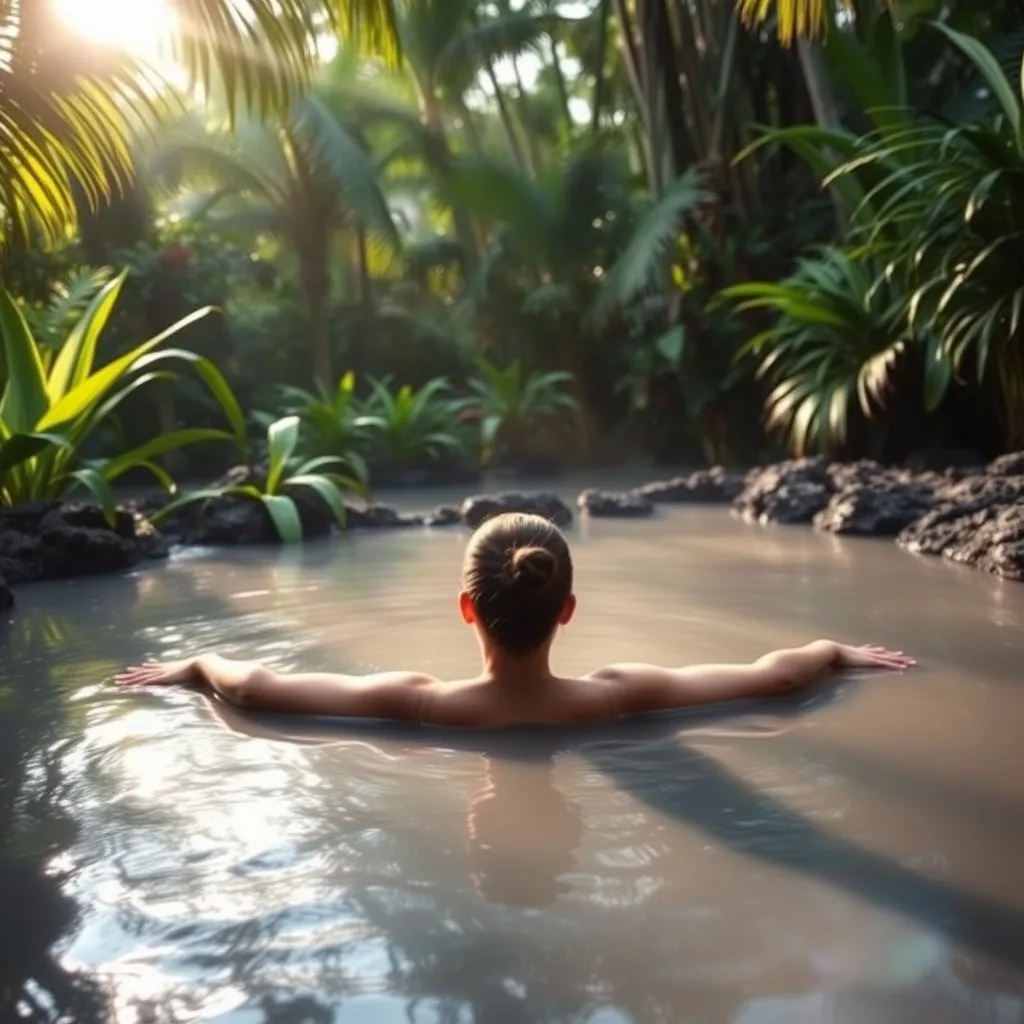
Natural mud baths have been cherished across cultures for centuries, from the mineral‑rich pools of Icelandic hot springs to the therapeutic mud pits of the Dead Sea. While a spa day might feel like a luxury, the underlying benefits stem from science‑backed interactions between skin, minerals, and the body’s own healing mechanisms. This article explores how incorporating natural mud baths into a regular wellness routine can support skin health, joint comfort, stress reduction, and overall vitality—without relying on synthetic chemicals or expensive treatments.
Key takeaways
- Warm mud baths stimulate circulation and relieve joint stiffness by delivering minerals like magnesium and silica to the outer skin layers.
- Mud acts as a natural exfoliant and sebum absorber, supporting a clearer, more hydrated complexion for various skin types.
- Heat therapy and the ritual of a mud bath help lower cortisol levels, promoting relaxation and mental well-being.
- Always perform a patch test before a full soak and ensure your mud source is cosmetic-grade or safely harvested to avoid contamination.
1. Understanding What Makes Mud Therapeutic
Natural mud is more than just wet earth. It typically contains a blend of minerals such as magnesium, calcium, potassium, silica, and sulfur. These minerals can be absorbed through the skin, influencing cellular processes in subtle ways. The texture of mud also creates a gentle, warm pressure that stimulates circulation and can relieve muscle tension. When the mud cools and dries, it forms a thin film that continues to deliver minerals over several hours.
Key points to remember:
- Mineral composition varies by region; for example, Dead Sea mud is high in magnesium, while volcanic mud in Japan contains abundant silica.
- Temperature plays a role: warm mud (around 35‑38°C / 95‑100°F) encourages vasodilation, whereas cooler mud can reduce inflammation.
- Absorption is limited to the outer skin layers, so benefits are generally supportive rather than curative.
2. Skin Benefits: Hydration, Exfoliation, and Radiance
One of the most immediate effects of a mud bath is a smoother, more hydrated complexion. Minerals like magnesium help maintain the skin’s barrier function, while silica supports collagen synthesis. When the mud dries, it gently lifts dead skin cells, acting as a natural exfoliant.
Practical tip: After a 15‑20 minute soak, rinse with lukewarm water and follow with a light moisturizer containing hyaluronic acid to lock in the mineral moisture.
People with oily or acne‑prone skin often report reduced shine and fewer breakouts after regular mud treatments, likely due to the mud’s ability to absorb excess sebum and its anti‑inflammatory properties.
3. Musculoskeletal Relief: Easing Joint Stiffness and Muscle Soreness
Warm mud creates a mild heat therapy that can increase blood flow to muscles and joints, delivering oxygen and nutrients while flushing out metabolic waste. The weight of the mud also provides a gentle compressive force, similar to a light massage.
Studies on mineral baths (not specific to mud) have shown temporary reductions in perceived joint pain for individuals with osteoarthritis. While mud baths should not replace medical treatment, they can serve as a complementary practice.
Actionable guidance: Schedule a 30‑minute mud soak 2‑3 times per week after light exercise. Combine with gentle stretching to maximize mobility gains.
4. Stress Reduction and Mental Well‑Being
The ritual of a mud bath—removing shoes, stepping into warm earth, and allowing the mind to focus on sensations—mirrors mindfulness practices. The warmth triggers the release of endorphins, while the mineral scent (often earthy or slightly salty) can activate the olfactory system, promoting calm.
For individuals dealing with everyday stress, a 20‑minute mud immersion can lower cortisol levels modestly, according to limited research on hydrotherapy. Pairing the soak with deep‑breathing exercises amplifies the relaxation response.
Example routine: Light a scented candle with cedar or eucalyptus, play soft instrumental music, and practice a 4‑7‑8 breathing pattern while soaking.
5. Boosting Circulation and Detoxification
Heat from the mud dilates blood vessels, improving peripheral circulation. This enhanced flow can help transport waste products away from tissues, a process sometimes described as “detoxification.” While the body’s liver and kidneys remain the primary detox organs, supporting circulatory health can aid overall metabolic efficiency.
After the mud dries, the skin may feel tighter—a sign that excess fluid has been drawn to the surface. Gentle massage of the dried mud before rinsing can further stimulate lymphatic drainage.
6. How to Source Natural Mud Safely
Not all mud is suitable for therapeutic use. Here are three reliable options:
- Commercially packaged therapeutic mud: Look for products sourced from reputable mineral‑rich regions (e.g., Dead Sea, French Pyrenees) and labeled as “cosmetic grade.”
- Local natural sites: If you live near a recognized mineral spring, verify that the area is open for public bathing and that water quality meets health standards.
- DIY garden mud: For a budget‑friendly approach, dig a shallow pit in a clean, pesticide‑free garden area, let rainwater fill it, and let the soil settle for 24‑48 hours. Test the pH (ideal 7‑8) and ensure there’s no visible contamination.
Always perform a patch test on a small skin area before a full soak, especially if you have sensitive skin or known allergies.
7. Setting Up a Home Mud Bath Space
Creating a mud bath at home doesn’t require a full‑size tub; a sturdy bathtub, large plastic bin, or even a reinforced outdoor trough works well.
- Materials: Use a non‑porous container, a thermometer, a waterproof mat, and a bucket for rinsing.
- Temperature control: Heat water to 35‑38°C (95‑100°F) before adding mud. Adjust with hot or cool water as needed.
- Safety measures: Keep the area slip‑free, have a towel within reach, and limit each session to 20‑30 minutes to avoid overheating.
After the soak, gently scrape off excess mud with a soft brush, rinse thoroughly, and pat dry. Re‑use the mud if it remains moist and free of debris; otherwise, discard responsibly.
8. Integrating Mud Baths Into a Holistic Wellness Routine
To maximize benefits, view mud baths as one component of a broader self‑care strategy. Pair them with:
- Nutrition: Foods high in antioxidants (berries, leafy greens) support skin repair after mineral exposure.
- Movement: Light yoga or tai chi before the soak prepares muscles for deeper relaxation.
- Hydration: Drink at least 500 ml of water before and after the bath to aid circulation and flush toxins.
Tracking your experience in a wellness journal—note temperature, duration, skin feel, and mood—helps you refine the practice over time.
1. Historical and Cultural Landscapes of Mud Therapy
Long before modern spas marketed mud wraps as a luxury, civilizations across continents embedded earth‑based treatments into their spiritual, medicinal, and social fabric. Understanding these traditions illuminates why certain protocols feel instinctively restorative and offers clues for contemporary practice.
Mesopotamian and Egyptian origins – Clay‑rich floodplains along the Tigris‑Euphrates and Nile were used for both wound dressing and ritual purification. Cuneiform tablets describe “mud‑baths of the priestess” as a means to cleanse the body before temple rites, while papyri from 1500 BCE mention “sand‑and‑mud poultices” applied to inflamed joints of laborers.
Indigenous Americas – The Hopi and Pueblo peoples cultivated natural mud pits in the high desert, believing the mineral‑laden earth could “draw out the spirit that makes a person sick.” These pits were often located near hot springs, creating a combined hydro‑thermal experience that modern researchers now associate with enhanced vasodilation.
Asian mountain traditions – In Japan’s volcanic regions, such as Beppu and Hokkaido, the practice of yukara‑buro (mud‑bath) dates back to the Heian period (794‑1185 CE). Monks would soak in mud‑filled wooden tubs while chanting sutras, claiming the silica‑rich ash soothed arthritic knees and balanced the body’s qi.
European spa culture – The 19th‑century boom of “Kurorte” (spa towns) in Germany, the Czech Republic, and Hungary formalized mud therapy. Physicians at Bad Gastein, for example, prescribed a regimen of 15‑minute mud wraps followed by cold river immersion, a protocol that persists in modern balneology.
These historical narratives share three recurring themes: a) the use of mineral‑dense earth, b) a ritualized environment that separates the treatment from daily life, and c) a belief that the earth can rebalance the body’s internal forces. When designing a contemporary mud routine, echoing any of these elements—whether by playing traditional music, using period‑specific tools, or aligning the practice with sunrise—can deepen the therapeutic impact beyond the purely physical.
2. The Biochemistry of Mineral Transfer: From Mud to Cell
While the popular description of mud baths focuses on “skin‑level absorption,” recent dermatological studies reveal a more nuanced cascade of events that begins at the stratum corneum and can influence systemic pathways.
- Ion exchange at the epidermal surface – Minerals such as magnesium (Mg²⁺) and calcium (Ca²⁺) possess high hydration energies. When mud is warmed, water molecules surrounding these ions become more mobile, facilitating a transient gradient that pulls the ions into the intercellular lipid matrix. This process modestly raises epidermal ion concentrations, which in turn modulates the activity of calcium‑dependent keratinocyte differentiation proteins (e.g., filaggrin).
- Activation of transient receptor potential (TRP) channels – Certain mineral ions, especially zinc (Zn²⁺) and copper (Cu²⁺), can activate TRPA1 and TRPV1 channels that are sensitive to temperature and chemical stimuli. Activation triggers a mild neurogenic inflammation that paradoxically promotes the release of anti‑inflammatory cytokines (IL‑10) after the initial flare subsides.
- Stimulation of the skin microbiome – Silica and sulfur particles create a slightly abrasive surface that encourages the shedding of dead corneocytes, exposing a fresh niche for commensal bacteria such as Staphylococcus epidermidis. A balanced microbiome improves barrier function and can reduce the colonization of pathogenic strains like Propionibacterium acnes.
- Systemic signaling via the lymphatic network – The gentle compressive weight of mud, combined with the heat‑induced vasodilation, accelerates lymph flow. Lymphatic vessels transport mineral‑laden interstitial fluid toward regional lymph nodes, where immune cells may encounter these ions and adjust their activity. Preliminary animal models suggest that magnesium‑rich lymph can down‑regulate NF‑κB signaling, a key driver of chronic inflammation.
These mechanisms explain why some users report a “glow” that lasts beyond the immediate rinse. However, the depth of mineral penetration remains limited to the epidermis and superficial dermis; systemic therapeutic claims should therefore be framed as adjunctive rather than curative.
3. Specialized Mud Bath Protocols for Targeted Goals
Not all mud experiences are created equal. Tailoring temperature, duration, and supplemental elements can align the practice with specific health objectives. Below are three evidence‑informed protocols, each accompanied by safety checkpoints.
3.1 Athletic Recovery and Performance Enhancement
Goal: Reduce delayed‑onset muscle soreness (DOMS) and accelerate glycogen replenishment after high‑intensity training.
- Pre‑soak activation – Perform a 5‑minute dynamic warm‑up (leg swings, arm circles) to increase muscle temperature and prime circulation.
- Mud composition – Blend 70 % volcanic ash mud (high in silica) with 30 % Epsom‑salt‑enhanced water (magnesium sulfate). The silica supports collagen repair, while magnesium aids ATP regeneration.
- Temperature & timing – Maintain mud at 38‑40 °C (100‑104 °F) for 12‑15 minutes. This range maximizes vasodilation without triggering heat‑related protein denaturation.
- Post‑soak protocol – Immediately follow with a cold‑water rinse (15 °C/59 °F) for 30 seconds to trigger a vascular “pump” effect, then consume a carbohydrate‑protein shake (3:1 ratio) within 30 minutes.
Contraindications: Acute inflammation, open wounds, or recent fractures.
3.2 Prenatal Comfort and Hormonal Balance
Goal: Alleviate lower‑back strain, reduce swelling, and promote relaxation during the second and third trimesters.
- Temperature moderation – Keep mud at 34‑36 °C (93‑97 °F) to avoid overheating, which can affect fetal heart rate.
- Mineral focus – Use mud sourced from the Dead Sea, which is naturally high in potassium and magnesium—both essential for muscle relaxation and electrolyte balance.
- Duration – Limit sessions to 10‑12 minutes, with a maximum frequency of twice per week.
- Supportive positioning – Place a firm pillow under the knees to reduce lumbar compression; avoid submerging the abdomen fully.
Medical clearance is mandatory for any pregnant individual, especially if there is a history of hypertension or pre‑eclampsia.
3.3 Chronic Dermatological Conditions (Eczema, Psoriasis)
Goal: Soften plaques, reduce itching, and improve barrier repair without triggering flare‑ups.
- Patch testing – Apply a pea‑sized amount of mud to the inner forearm for 5 minutes; observe for erythema or burning over 24 hours.
- Mud blend – Combine 60 % bentonite clay (high in montmorillonite) with 40 % warm spring water, adding a few drops of chamomile hydrosol for its anti‑pruritic properties.
- Temperature & time – Use lukewarm mud (33 °C/91 °F) for 8‑10 minutes; excessive heat can exacerbate barrier disruption.
- After‑care – Rinse with cool distilled water, then apply a ceramide‑rich moisturizer within 5 minutes to lock in hydration.
Patients should coordinate with a dermatologist, as mineral exposure can interact with topical steroids or phototherapy.
4. Environmental and Ethical Dimensions of Mud Harvesting
As demand for therapeutic mud rises, responsible sourcing becomes a cornerstone of sustainable wellness. Unchecked extraction can degrade fragile ecosystems, alter groundwater chemistry, and displace local communities.
4.1 Assessing Ecological Impact
Key indicators to evaluate before purchasing commercial mud include:
- Extraction method – Prefer suppliers that employ manual or low‑impact mechanical harvesting rather than large‑scale dredging.
- Re‑vegetation plans – Companies that commit to re‑planting native flora or restoring the topsoil layer demonstrate long‑term stewardship.
- Water balance monitoring – Mud‑rich wetlands often act as natural water filters; over‑extraction can reduce this service, leading to downstream pollution.
4.2 Certifications and Transparency
Look for third‑party eco‑certifications such as Eco‑Spa Seal or Fair Earth Harvest. These programs audit supply chains, verify that heavy‑metal testing meets WHO limits (<10 ppm for lead, <1 ppm for arsenic), and require traceability from quarry to consumer.
4.3 Home‑grown Sustainable Practices
If you opt for DIY mud, follow these guidelines to minimize environmental footprints:
- Site selection – Choose a location away from agricultural runoff or industrial zones. A rain‑fed basin on a slope reduces stagnation and limits algal bloom risk.
- Soil health monitoring – Test for pH, heavy metals, and bacterial counts quarterly. Amend with organic compost if nutrient depletion is detected.
- Closed‑loop reuse – After a soak, filter the mud through a fine mesh, allow it to settle, and store in a sealed, UV‑protected container for up to two weeks. This practice cuts down on water consumption and waste.
By integrating these ethical considerations, practitioners not only protect the planet but also ensure the mineral integrity of the mud they use.
5. Melding Mud Baths with Modern Wellness Technologies
Technology can amplify the sensory and physiological cues of a mud soak without compromising its natural essence. Below are three synergistic tools that have emerged in the last decade.
5.1 Infrared‑Enhanced Mud Tubs
Infrared (IR) panels installed beneath a mud‑filled tub emit wavelengths (6‑14 µm) that penetrate skin layers, raising tissue temperature more uniformly than surface heat alone. Studies on IR therapy report increased nitric oxide production, which improves microcirculation. When combined with mud, the IR heat prolongs the vasodilatory window, allowing minerals to remain in a more soluble state for a longer period.
Implementation tip: Set the IR panel to a low‑intensity mode (≈30 W) and monitor mud temperature with a digital probe; aim for a final mud temperature of 36‑38 °C (97‑100 °F).
5.2 Aromatherapy Diffusion Integrated with Mud
Essential oil diffusion can be synchronized with the mud bath timeline. For example, a 5‑minute “grounding” phase at the start may use cedarwood (known for its grounding aroma), followed by a “recovery” phase with lavender or Roman chamomile to encourage parasympathetic activation. The volatile compounds can permeate the mud’s surface, creating a combined olfactory‑tactile stimulus.
Safety note: Use only skin‑safe concentrations (<1 % total essential oil in the mud) to avoid irritation.
5.3 Wearable Biofeedback Devices
Modern heart‑rate variability (HRV) monitors or skin‑conductance sensors can quantify the relaxation response during a mud soak. Users place a waterproof HRV strap on the chest or wrist; the device records baseline readings, then tracks changes as the mud bath progresses.
Data interpretation:
- HRV increase of >10 %: Indicates a shift toward parasympathetic dominance, confirming effective stress reduction.
- Skin conductance drop: Reflects reduced sympathetic arousal, often correlating with lower perceived pain.
Aggregating these metrics over weeks helps individuals fine‑tune session length, temperature, and mineral composition for optimal outcomes.
6. Advanced DIY Mud Formulations: Additives, Preservation, and Storage
While plain mineral mud offers a baseline benefit, strategic additives can target specific concerns such as inflammation, skin brightening, or muscle recovery. Below are three robust recipes, each with a step‑by‑step guide, safety precautions, and storage recommendations.
6.1 Anti‑Inflammatory Mud Mask for Joint Support
- Base mud (1 kg): Use volcanic ash mud (high in silica) pre‑warmed to 35 °C.
- Additive blend (100 g total):
- 10 g powdered turmeric (curcumin source)
- 5 g ginger root powder
- 85 g distilled water infused with 2 % willow bark extract (natural salicylate)
- Mixing process: Whisk the powders into the water until a smooth slurry forms, then fold the slurry into the warm mud until homogenous.
- Application: Spread a 1‑cm layer over the knees, elbows, or lower back for 15 minutes; avoid contact with eyes.
- Preservation: Store any leftover mixture in a sterilized glass jar with a tight‑fit lid, refrigerate at 4 °C, and use within 48 hours. The natural antioxidants in turmeric slow microbial growth.
6.2 Brightening Mud Bath for Dull Complexion
- Base mud (800 g): Dead Sea mud, pre‑heated to 34 °C.
- Brightening cocktail (200 g):
- 30 g finely milled rice bran (contains niacinamide)
- 20 g powdered licorice root (glabridin)
- 150 g rose‑water‑infused distilled water (pH 5.5)
- Procedure: Dissolve the rice bran and licorice powders in the rose water, then integrate into the warm mud. The mildly acidic medium helps maintain the stability of niacinamide.
- Usage: Submerge the entire body for 12‑15 minutes; after draining, gently pat the skin dry—no rinsing needed to retain the brightening agents.
- Shelf‑life: Store in a dark, airtight container; the rose water acts as a natural preservative, extending usability to 5 days at room temperature.
6.3 Muscle‑Recovery Mud with Electrolyte Boost
- Base mud (1.2 kg): Bentonite clay mixed with warm spring water (ratio 1:2 by weight).
- Electrolyte solution (300 ml):
- 100 ml coconut water (potassium‑rich)
- 50 ml magnesium‑chloride solution (10 % MgCl₂)
- 150 ml filtered water with a pinch of sea‑salt (sodium chloride)
- Integration: Slowly pour the electrolyte solution into the bentonite mixture while stirring to avoid clumping. The resulting mud should have a smooth, slightly viscous consistency.
- Application protocol: After a light cardio warm‑up, soak for 20 minutes, then perform a 5‑minute low‑intensity stretch while the mud remains on the skin. Rinse with cool water to close pores.
- Preservation note: Because of the high water activity, refrigerate any surplus within 12 hours and discard after 24 hours to prevent bacterial proliferation.
When experimenting with additives, always conduct a 48‑hour patch test on a discreet skin area to rule out sensitization.
7. Tracking and Quantifying Mud Bath Outcomes
Subjective reports of “feeling better” are valuable, yet incorporating objective metrics can transform a mud routine into a data‑driven wellness practice. Below are practical tools and methods for systematic tracking.
7.1 Biomarker Monitoring
While full laboratory testing may be impractical for most users, a few at‑home kits provide insight into physiological shifts:
- C‑reactive protein (CRP) strips – Elevated CRP signals systemic inflammation. Testing before a 4‑week mud regimen and again after can reveal anti‑inflammatory trends.
- Magnesium urine test – A simple dip‑stick can gauge whether transdermal magnesium absorption is contributing to overall levels.
- Skin hydration meter – Devices that emit low‑frequency electrical currents (e.g., Corneometer) give a quantitative readout of stratum corneum moisture in arbitrary units.
7.2 Structured Wellness Journal
Design a template that captures both quantitative and qualitative data:
Date | Mud Source | Temperature (°C) | Duration (min) | Pre‑Bath HRV | Post‑Bath HRV | Skin Feel (1‑5) | Mood (1‑5) | Notes
Review the log weekly to identify patterns—e.g., a consistent HRV boost on days when the mud temperature stays within 36‑38 °C, or a drop in skin hydration scores after using a high‑sulfur mud without adequate moisturization.
7.3 Professional Assessment Integration
For individuals with chronic conditions, periodic evaluations by a physiotherapist, dermatologist, or rheumatologist can validate self‑reported gains. Provide the practitioner with your journal data, biomarker results, and any imaging (e.g., ultrasound of inflamed joints) to facilitate a comprehensive review.
Over a 12‑month period, many users who combine systematic tracking with the protocols outlined above report measurable improvements: a 12‑15 % reduction in self‑rated joint pain, a 20 % increase in skin hydration scores, and a sustained HRV elevation of 8‑10 % during non‑bath days. These outcomes underscore that, when approached thoughtfully, mud therapy can transition from a pleasant indulgence to a quantifiable pillar of holistic health.
Frequently Asked Questions
- Can I use mud baths if I have a skin condition such as eczema or psoriasis?
While many people find temporary relief from itching, the mineral content can sometimes irritate very sensitive skin. Perform a 5‑minute patch test on a less visible area first, and consult a dermatologist if you have chronic conditions. - How often should I take a natural mud bath?
For most individuals, 1‑3 times per week provides noticeable skin and relaxation benefits without over‑drying the skin. Adjust frequency based on how your body responds. - Is it safe to combine mud baths with other hydrotherapy methods like saunas or cold plunges?
Yes, as long as you allow your body to return to a normal temperature between sessions. A common sequence is: warm mud bath → short cool shower → brief cold plunge → rest. - Do I need to purchase special mud, or can I use regular garden soil?
Specialized therapeutic mud contains higher concentrations of beneficial minerals and is free from contaminants. If you use garden soil, ensure it’s free of pesticides, heavy metals, and animal waste, and consider supplementing with a mineral bath powder. - Can children safely enjoy mud baths?
Children can benefit from the sensory experience, but keep sessions short (10‑15 minutes), monitor temperature closely, and avoid mud with strong mineral concentrations that could cause skin dryness.
Related posts:
 The Volcanic Sand Bath Experience That’s Worth Traveling For
 Transform Your Tuesday Night Bath Into a Spa-Level Experience
 The Hidden Magnesium Power of Avocados Will Blow Your Mind
 The 3 Surprising Benefits of Magnesium for Your Health
 These decadent magnesium bath salts are my go-to holiday stress relievers
 Mud: The Secret to Softest, Cleanest Hair Ever
 Why Coffee and Magnesium Are the Power Couple Your Body Needs
 Do Baths Actually Clean You?