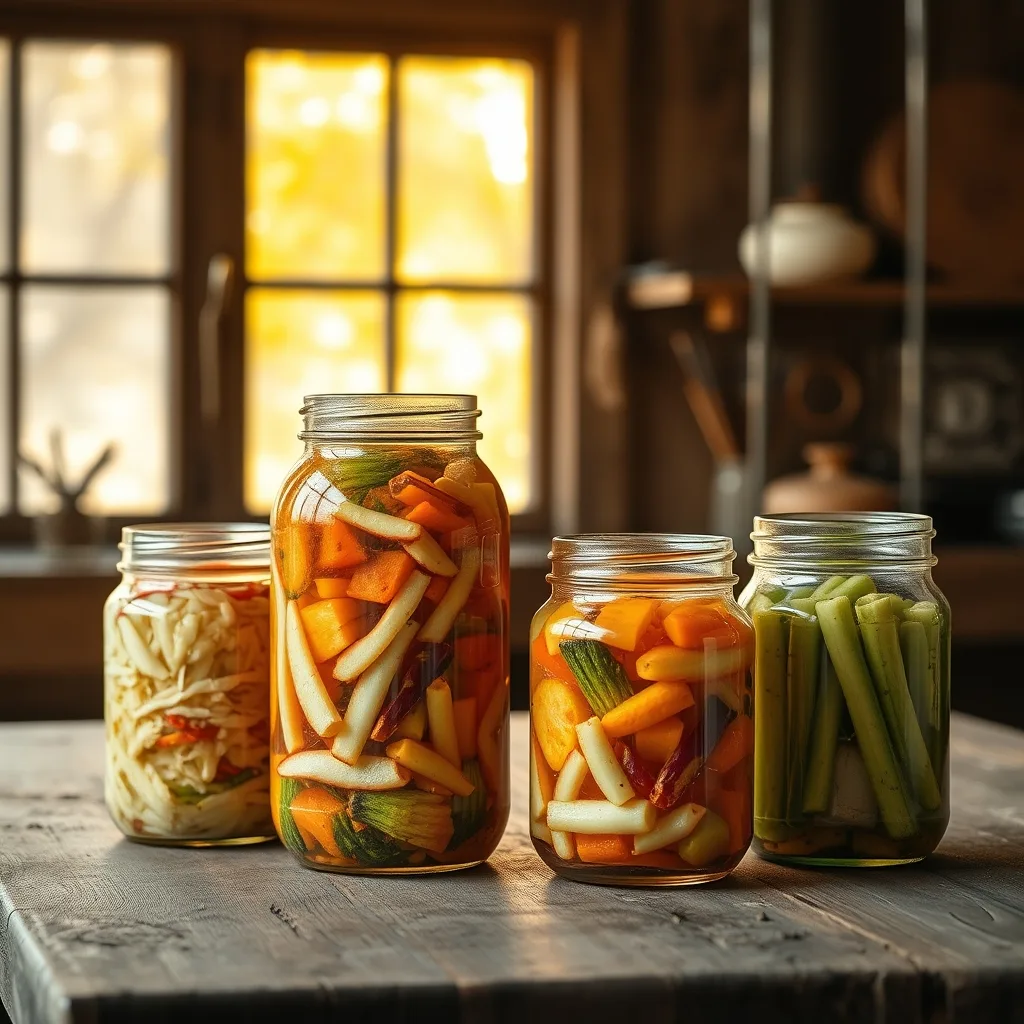
In the modern landscape of health and wellness, few topics have garnered as much attention as the human microbiome. This internal ecosystem, home to trillions of microorganisms, plays a pivotal role in nearly every facet of our physical and mental well-being. While our ancestors relied on fermentation primarily as a method of food preservation in the absence of refrigeration, contemporary science is rediscovering the profound health benefits these foods offer. From the tangy crunch of sauerkraut to the effervescent zing of kombucha, fermented foods are more than just culinary delights; they are biological powerhouses that can transform your health from the inside out.
Key takeaways
- Buy raw, unpasteurized fermented foods to ensure you receive live, active probiotic cultures for optimal gut health.
- Start with small portions, like one tablespoon daily, to prevent temporary bloating while your internal ecosystem adjusts.
- Fermentation breaks down anti-nutrients like phytic acid, significantly increasing the bioavailability of essential minerals in your meals.
- Regular consumption supports mental health by influencing the gut-brain axis and the production of mood-regulating neurotransmitters like serotonin.
- These foods provide postbiotics like butyrate, which strengthen the intestinal barrier and help lower chronic systemic inflammation.
Adding fermented foods to your daily meals is not merely a dietary trend; it is a return to a traditional way of eating that supports the body’s natural rhythms. By introducing live, beneficial bacteria into the digestive tract, we provide our bodies with the tools necessary to optimize digestion, bolster the immune system, and even influence our mood. This article explores the multifaceted benefits of adding fermented foods to your meals, providing a comprehensive guide to understanding why these ancient staples deserve a permanent place on your plate.
The Biological Magic of the Fermentation Process
To appreciate the benefits of fermented foods, one must first understand what happens during the fermentation process. At its core, fermentation is a metabolic process where microorganisms—such as bacteria, yeast, or fungi—convert carbohydrates (like sugars and starches) into alcohol or organic acids. This occurs under anaerobic conditions, meaning in the absence of oxygen. The most common form in food production is lactic acid fermentation, where natural bacteria feed on the sugar and starch in the food, creating lactic acid.
This process does two critical things: it preserves the food by creating an acidic environment that prevents the growth of harmful pathogens, and it creates beneficial enzymes, B-vitamins, Omega-3 fatty acids, and various strains of probiotics. Unlike raw or cooked vegetables, fermented vegetables are essentially “pre-digested.” The microbes have already broken down some of the tough cellular structures and complex sugars, making the nutrients more accessible to the human body. This biochemical transformation is what makes fermented foods unique, turning simple ingredients into nutrient-dense functional foods.
Cultivating a Diverse and Resilient Gut Microbiome
The primary reason health experts advocate for fermented foods is their impact on the gut microbiome. A healthy gut is characterized by high microbial diversity. When we consume fermented foods, we are essentially “seeding” our gut with beneficial bacteria, primarily from the Lactobacillus and Bifidobacterium families. These transient bacteria move through the digestive system, interacting with our resident microbes and helping to maintain a balanced environment.
In a world dominated by processed foods, antibiotics, and high stress—all of which can deplete our beneficial gut flora—regularly consuming fermented foods acts as a corrective measure. A diverse microbiome is linked to better weight management, reduced risk of metabolic disorders, and improved overall resilience against environmental toxins. By making fermented foods a staple, you are providing a constant influx of “good” bacteria that help keep “bad” bacteria and opportunistic yeasts like Candida in check.
Enhancing Digestion and Maximizing Nutrient Bioavailability
Many individuals struggle with digestive discomfort, ranging from bloating and gas to more chronic issues like Irritable Bowel Syndrome (IBS). Fermented foods can be a gentle yet effective tool for improving digestive efficiency. Because the fermentation process breaks down components that are often difficult for humans to digest, these foods place less strain on the pancreas and small intestine. For example, the fermentation of milk into yogurt or kefir breaks down lactose, the milk sugar that many people find difficult to tolerate.
Furthermore, fermentation neutralizes “anti-nutrients” found in many plant foods. Phytic acid, for instance, is found in grains, seeds, and legumes and can inhibit the absorption of minerals like iron, zinc, and calcium. The fermentation process (as seen in sourdough bread or tempeh) breaks down phytic acid, significantly increasing the bioavailability of these essential minerals. When you eat fermented foods alongside other healthy ingredients, you aren’t just getting the nutrients from the fermented food itself; you are actually helping your body absorb more nutrients from the entire meal.
Strengthening the Immune System from the Inside Out
It is often said that 70% to 80% of the immune system resides in the gut. This is because the gut lining contains the Gut-Associated Lymphoid Tissue (GALT), which is responsible for monitoring the contents of the digestive tract and mounting immune responses. The beneficial bacteria found in fermented foods play a crucial role in training and modulating this immune response. They help strengthen the intestinal barrier, preventing “leaky gut” or intestinal permeability, where undigested food particles and pathogens leak into the bloodstream, causing systemic inflammation.
Regular consumption of probiotics through food has been associated with a lower incidence of common respiratory infections and a faster recovery time when illness does occur. By maintaining a robust population of beneficial microbes, the body is better equipped to identify and neutralize harmful invaders before they can cause significant damage. In essence, a healthy gut serves as the first line of defense for the entire body.
The Gut-Brain Axis: Fermented Foods and Mental Well-being
One of the most exciting areas of modern research is the gut-brain axis—the bidirectional communication network between the central nervous system and the enteric nervous system of the gut. This connection means that the state of your gut can directly influence your mood, anxiety levels, and cognitive function. Interestingly, a significant portion of the body’s serotonin, a neurotransmitter responsible for regulating mood and sleep, is produced in the gut.
Studies have suggested that diets rich in fermented foods may help reduce symptoms of anxiety and depression. Probiotics can influence the production of neurotransmitters like GABA (gamma-aminobutyric acid), which has a calming effect on the brain. Additionally, by reducing systemic inflammation, fermented foods may help protect the brain from neuroinflammation, which is increasingly linked to mood disorders. Including a serving of kimchi or a glass of kefir daily might just be as beneficial for your mind as it is for your body.
Reducing Inflammation and Chronic Disease Risk
Chronic, low-grade inflammation is a silent driver of many modern diseases, including heart disease, type 2 diabetes, and certain types of cancer. Fermented foods contribute to an anti-inflammatory environment in the body by promoting the growth of bacteria that produce short-chain fatty acids (SCFAs), such as butyrate. SCFAs are vital for the health of the colon lining and have been shown to have anti-inflammatory effects throughout the body.
Furthermore, the antioxidants produced during fermentation can help neutralize free radicals, reducing oxidative stress. For example, fermented soy products like miso and tempeh contain higher levels of bioactive peptides and isoflavones compared to unfermented soy, which may offer protective benefits for cardiovascular health. By consistently choosing fermented options, you are actively working to lower the inflammatory markers that contribute to long-term health decline.
A Guide to Common Fermented Foods and Their Unique Benefits
If you are new to the world of fermentation, the variety of options can be overwhelming. Here are some of the most accessible and nutrient-dense fermented foods to consider adding to your meals:
- Sauerkraut: Finely shredded cabbage fermented by lactic acid bacteria. It is exceptionally high in fiber, Vitamin C, and Vitamin K. Ensure you buy “raw” or “unpasteurized” versions found in the refrigerated section, as heat-treated canned sauerkraut contains no live cultures.
- Kimchi: A Korean staple usually made from fermented cabbage and radishes with a mix of spices. It contains unique strains like Lactobacillus kimchii and is known for its metabolism-boosting properties.
- Kefir: A fermented milk drink (similar to thin yogurt) made with kefir grains. It typically contains a much wider variety of probiotic strains than standard yogurt and is highly effective for gut colonization.
- Miso: A Japanese seasoning produced by fermenting soybeans with salt and koji (a fungus). It is a rich source of minerals and adds a deep “umami” flavor to soups and dressings.
- Tempeh: Made from fermented soybeans that have been pressed into a compact cake. It is a complete protein source and an excellent meat substitute for those seeking a plant-based diet.
- Kombucha: A fermented, slightly effervescent tea. While it should be consumed in moderation due to its sugar content, it provides a refreshing dose of beneficial yeasts and bacteria.
Practical Tips for Incorporating Fermented Foods Safely
While the benefits are vast, it is important to introduce fermented foods into your diet thoughtfully. If your gut is not used to high levels of probiotics, starting with large portions can lead to temporary bloating or gas as your internal ecosystem shifts. A good rule of thumb is to start small—perhaps one tablespoon of sauerkraut or half a cup of kefir per day—and gradually increase the amount over several weeks.
When shopping, always look for the words “contains live and active cultures” on the label. Avoid products that have been shelf-stabilized with vinegar and high-heat processing, as this kills the beneficial bacteria. Additionally, be mindful of sodium and sugar content. Some commercial kombuchas are high in added sugars, and some fermented vegetables can be very high in salt. For the best results, aim for variety; different fermented foods provide different strains of bacteria, and a diverse intake leads to a more resilient gut.
Culinary Inspiration: Fermented Foods for Every Meal
Integrating these foods into your routine doesn’t require complex recipes. Here are some simple, actionable ways to add a probiotic boost to your daily meals:
- Breakfast: Stir a spoonful of yogurt or kefir into your morning oats or smoothies. Alternatively, top a savory avocado toast with a pinch of kimchi for a spicy kick.
- Lunch: Use sauerkraut or fermented pickles as a topping for salads, grain bowls, or sandwiches. The acidity of the fermented vegetables cuts through rich flavors beautifully.
- Dinner: Whisk miso paste into a salad dressing or use it as a glaze for roasted vegetables or fish. Just remember to add miso at the end of the cooking process to avoid boiling it, which preserves the live cultures.
- Snacks: Enjoy a small glass of kombucha instead of soda, or snack on tempeh strips that have been lightly pan-fried with a dash of tamari.
By viewing fermented foods as a condiment or a flavor-enhancer rather than a separate dish, you can effortlessly make them a permanent part of your lifestyle. Over time, your palate will likely begin to crave the complex, tangy flavors that these foods provide, making healthy eating a natural and enjoyable habit.
The Emergence of Postbiotics: The Hidden Power of Fermentation Byproducts
While much of the conversation surrounding fermented foods focuses on probiotics—the live bacteria—modern nutritional science is increasingly highlighting the importance of postbiotics. Postbiotics are the functional bioactive compounds generated during the fermentation process, including microbial cells, cell constituents, and metabolites. Unlike probiotics, which must remain alive to be effective, postbiotics are stable and can exert health benefits even if the food is lightly heated or if the bacteria do not successfully colonize the gut. These compounds include short-chain fatty acids (SCFAs), functional proteins, secreted polysaccharides, and organic acids that act as signaling molecules within the body.
One of the most significant postbiotics found in fermented vegetables and dairy is butyrate. This short-chain fatty acid serves as the primary energy source for the cells lining your colon. By nourishing these cells, butyrate helps maintain the integrity of the gut barrier, reducing the risk of systemic inflammation. Furthermore, postbiotics like peptidoglycans and teichoic acids, derived from the cell walls of lactic acid bacteria, have been shown to interact directly with the immune system’s receptors. This interaction can help “tune” the immune response, preventing it from overreacting to harmless environmental stimuli while ensuring it remains vigilant against actual pathogens. When you consume a glass of aged kefir or a serving of long-fermented sourdough, you are ingesting a complex cocktail of these metabolites that support metabolic health far beyond the simple presence of live cultures.
Edge cases exist where postbiotics are particularly beneficial. For individuals with severely compromised immune systems who may need to be cautious with high loads of live bacteria, foods that have been fermented and then gently processed may still offer these metabolic advantages. Additionally, the organic acids produced during fermentation, such as acetic and lactic acids, lower the pH of the digestive tract. This slightly acidic environment is not only hostile to pathogens like E. coli and Salmonella but also enhances the solubility and absorption of minerals like magnesium and ferric iron, proving that the chemical legacy of the bacteria is just as vital as the bacteria themselves.
Fermented Foods and the Gut-Skin Axis: A Natural Path to Radiance
The connection between the gut and the skin, often referred to as the gut-skin axis, suggests that the health of our internal microbiome is frequently reflected in our complexion. Chronic skin conditions such as acne, rosacea, psoriasis, and atopic dermatitis are often linked to dysbiosis—an imbalance of gut bacteria—and increased intestinal permeability. By regularly incorporating fermented foods into your diet, you are addressing skin health from the foundational level. The reduction in systemic inflammation that follows a fermented-rich diet can lead to a visible decrease in skin redness and the frequency of inflammatory breakouts.
Specific strains of bacteria found in fermented dairy, such as Lactobacillus rhamnosus, have been studied for their ability to modulate the signaling of insulin-like growth factor 1 (IGF-1). High levels of IGF-1 are often associated with increased sebum production and acne. By stabilizing the gut environment and potentially lowering these systemic markers, fermented foods act as an internal “toner” for the skin. Moreover, the fermentation process increases the availability of skin-supportive nutrients. For instance, fermented soy products like miso are rich in aglycone isoflavones, which are more easily absorbed than their unfermented counterparts. These compounds have been shown to support collagen production and improve skin elasticity, making fermented foods a potent tool for “anti-inflammaging.”
Beyond acne and aging, the hydration of the skin is also influenced by the gut. Beneficial bacteria produce bioactive peptides that can influence the production of hyaluronan, a substance that helps the skin retain moisture. For individuals struggling with dry, flaky skin or eczema, the introduction of high-diversity ferments like kimchi or traditionally made buttermilk can provide the internal microbial support necessary to strengthen the skin’s natural barrier. This holistic approach to skincare emphasizes that what we ingest is just as important as the topical treatments we apply.
Optimizing Metabolic Health and Insulin Sensitivity
The role of fermented foods in metabolic regulation is a burgeoning field of research, particularly regarding how these foods influence blood glucose levels and insulin sensitivity. Fermentation naturally reduces the sugar and carbohydrate content of foods, as the microbes consume these as their primary fuel source. This makes fermented versions of foods, such as berries or dairy, lower on the glycemic index than their raw counterparts. However, the benefits go deeper than just reduced sugar content; the organic acids produced during fermentation, particularly acetic acid, play a functional role in glucose metabolism.
Acetic acid has been shown to slow the rate of gastric emptying, which means that glucose from the rest of your meal is released into the bloodstream more gradually. This prevents the sharp insulin spikes that can lead to energy crashes and, over time, insulin resistance. Furthermore, certain probiotic strains found in fermented foods can stimulate the secretion of glucagon-like peptide-1 (GLP-1), a hormone that enhances insulin secretion and promotes a feeling of fullness. This makes fermented foods an excellent addition for those managing type 2 diabetes or looking to support long-term weight maintenance.
Consider the impact of kimchi on metabolic markers. Research has indicated that fermented kimchi can improve glucose tolerance and reduce body fat percentage in individuals with pre-diabetes. The combination of fiber, capsaicin from chili peppers, and the unique bacterial strains created during the fermentation of cabbage works synergistically to boost thermogenesis and improve lipid profiles. By adding a small portion of fermented vegetables to a carbohydrate-heavy meal, such as rice or potatoes, you are effectively using the biological properties of the ferment to mitigate the meal’s glycemic impact, creating a more stable metabolic environment.
The Art of the Brine: Mastering Home Fermentation Safety and Science
While purchasing high-quality fermented foods is convenient, mastering the science of home fermentation allows for a deeper connection to the process and the ability to customize flavors and probiotic diversity. The cornerstone of safe home fermentation is the brine—a solution of water and salt that creates the ideal environment for Lactobacillus to thrive while suppressing harmful bacteria. For most vegetables, a salt concentration of 2% to 3% of the total weight of the vegetables and water is the “gold standard.” This specific salinity is high enough to inhibit spoilage organisms but low enough to allow the beneficial lactic acid bacteria to begin their work.
One common concern for home fermenters is the appearance of “Kahm yeast,” a white, wavy film that can develop on the surface of the brine. While unsightly, Kahm yeast is harmless; however, it can affect the flavor if left too long. It is crucial to distinguish this from mold, which is typically fuzzy, colorful (black, green, or pink), and grows in circular patches. Mold indicates that oxygen has reached the surface or the salinity was too low, and in such cases, the batch should be discarded. To prevent these issues, using an airlock system or ensuring the vegetables are completely submerged under the brine using ceramic weights is essential. The anaerobic (oxygen-free) environment is what triggers the specific metabolic pathways that produce the beneficial acids and enzymes we seek.
Temperature also plays a critical role in the quality of the ferment. Most vegetable ferments thrive at “cellar temperatures” between 60°F and 70°F (15°C to 21°C). Fermenting at too high a temperature can lead to mushy vegetables and an overly sharp, unpleasant acidity, as the bacteria move through their life cycles too quickly. Conversely, very cold temperatures will slow the process to a crawl. By understanding these environmental variables—salinity, oxygen exclusion, and temperature—you can safely produce nutrient-dense foods in your own kitchen, ensuring a constant supply of “living” food that is tailored to your specific palate.
Exploring Regional Ferments: From Japanese Natto to Salvadoran Curtido
Broadening your intake of fermented foods involves looking beyond the standard grocery store staples to traditional regional specialties, each offering unique microbial profiles and health benefits. One of the most potent, yet often overlooked, fermented foods is Japanese Natto. Made from soybeans fermented with Bacillus subtilis, Natto is an acquired taste due to its pungent aroma and stringy texture, but its nutritional profile is unparalleled. It is the world’s richest source of Vitamin K2 (specifically the MK-7 variant), which is essential for bone health and cardiovascular integrity by ensuring calcium is directed to the bones and not the arterial walls. It also contains nattokinase, an enzyme with powerful fibrinolytic (blood-clot-dissolving) properties.
In Central America, Curtido serves as a vibrant example of a regional ferment. This Salvadoran cabbage relish, often seasoned with oregano, onions, carrots, and lime juice, offers a different flavor profile than European sauerkraut. The addition of oregano provides antimicrobial properties that complement the probiotics, while the shorter fermentation time often results in a crunchier texture and a brighter, more zestful acidity. Similarly, in Ethiopia, the sourdough flatbread known as Injera is made from teff flour that undergoes a multi-day fermentation. This process not only neutralizes the high levels of phytic acid in teff but also creates a complex, tangy flavor that pairs perfectly with spicy stews, making the grain’s iron and protein much more bioavailable.
Incorporating these global ferments introduces your gut to a wider variety of bacterial strains. For example, the Bacillus species found in Natto are spore-forming bacteria, which are particularly resilient and can survive the harsh acidic environment of the stomach better than some Lactobacillus strains. By rotating your ferments—using miso for a savory soup one day, Curtido on your tacos the next, and perhaps experimenting with Natto or Injera—you are creating a more robust and adaptable internal ecosystem that can better handle the stresses of a modern diet.
Fermented Beverages: Expanding Beyond Kombucha
While kombucha has become the face of the fermented beverage movement, there is a vast world of other liquid ferments that offer distinct benefits and lower sugar profiles. Beet Kvass, a traditional Slavic tonic, is made by fermenting beets in a salt brine. Unlike kombucha, which is yeast-forward and can be high in sugar, Beet Kvass is earthy, salty, and deeply medicinal. It is renowned for its ability to support liver detoxification and gallbladder function. The fermentation process makes the betalains (antioxidants) in the beets more bioavailable, creating a blood-purifying elixir that is often used as a digestive aid before meals.
Another excellent option is Water Kefir, also known as tibicos. Unlike milk kefir, which uses dairy, water kefir is made by adding “grains” (a symbiotic culture of bacteria and yeast) to sugar water or fruit juice. The grains consume the sugar, resulting in a light, effervescent, and probiotic-rich drink that is dairy-free and highly customizable. It is a fantastic alternative for those who find the tang of dairy kefir too intense. Water kefir typically contains a different set of microbial strains than kombucha, including Lactobacillus hilgardii, providing a different set of tools for gut colonization.
For those seeking a more DIY, “zero-waste” approach, Rejuvelac is an enzymatic powerhouse made from fermented sprouted grains, usually wheat berries or quinoa. This cloudy, tart liquid is exceptionally high in digestive enzymes and is often used as a starter for vegan nut cheeses. Because it is made from sprouts, it is packed with vitamins B, C, and E. These beverages offer a convenient way to stay hydrated while simultaneously delivering a dose of beneficial microbes. Replacing a midday soda or a second cup of coffee with a small glass of Beet Kvass or Water Kefir can provide a natural energy boost without the subsequent caffeine or sugar crash, thanks to the B-vitamins and organic acids that support mitochondrial function.
Strategic Pairing: Maximizing Synergy Between Ferments and Whole Foods
The benefits of fermented foods are significantly amplified when they are strategically paired with other nutrient-dense whole foods. This “entourage effect” ensures that the probiotics have the fuel they need to thrive and that the nutrients in the accompanying food are fully absorbed. One of the most effective pairings is combining fermented foods with prebiotic fibers. While the existing article mentions this briefly, the practical application involves specific combinations: for example, adding raw leeks or slightly underripe bananas to a yogurt bowl. The inulin in the leeks and the resistant starch in the bananas act as a specialized fuel that allows the Bifidobacteria in the yogurt to flourish and produce more beneficial SCFAs.
Another powerful synergy exists between fermented foods and healthy fats. Many of the vitamins found in fermented foods, such as Vitamin K2 in Natto or Vitamin A in fermented carrots, are fat-soluble. This means they require a source of dietary fat to be absorbed by the body. Serving your kimchi with a side of avocado, or drizzling extra virgin olive oil over a salad that features fermented pickles, ensures that you are actually absorbing the fat-soluble vitamins that the fermentation process has unlocked. Furthermore, the acidity of fermented foods helps emulsify fats, making them easier for the gallbladder and lipase enzymes to break down, which can prevent the heavy, sluggish feeling that sometimes follows a high-fat meal.
Frequently Asked Questions
1. Are all pickles considered fermented foods?
No, not all pickles are fermented. Most commercially available pickles are made through a process called “vinegar pickling,” where vegetables are soaked in a heated vinegar and salt solution. While this preserves the food, it does not involve the biological process of fermentation and therefore does not contain live probiotics. To get the probiotic benefits, look for “lacto-fermented” pickles, which are typically found in the refrigerated section and are made using only water and salt brine.
2. Can fermented foods be harmful to anyone?
For most people, fermented foods are very safe. however, individuals with a histamine intolerance may experience headaches, digestive upset, or skin rashes, as fermentation naturally increases histamine levels. Additionally, those who are severely immunocompromised or have recently undergone major gastrointestinal surgery should consult their physician before adding large amounts of live-culture foods to their diet, as the introduction of bacteria (even beneficial ones) needs to be managed carefully in these cases.
3. Does cooking fermented foods destroy their probiotic benefits?
Yes, high heat kills the live, beneficial bacteria (probiotics) found in fermented foods. For example, if you boil sauerkraut in a soup or bake kimchi into a high-heat dish, you will still benefit from the fiber and some of the pre-digested nutrients, but you will lose the live microbial benefits. To preserve the probiotics, it is best to eat fermented foods raw or add them to cooked dishes just before serving once the food has cooled slightly.
4. How much fermented food should I eat daily to see benefits?
Consistency is more important than quantity. You don’t need to eat a whole jar of sauerkraut to see results; in fact, doing so might cause digestive distress. Most experts recommend aiming for one to three small servings per day. This could look like a small bowl of yogurt for breakfast, a tablespoon of kimchi with lunch, and a miso-based dressing at dinner. Regular, small exposures help maintain a steady population of beneficial bacteria in the gut.
5. What is the difference between probiotics and prebiotics?
Probiotics are the live beneficial bacteria themselves, found in foods like yogurt and sauerkraut. Prebiotics, on the other hand, are types of dietary fiber that act as “food” for these bacteria. To have a truly healthy gut, you need both. Eating fermented foods (probiotics) alongside fiber-rich foods like garlic, onions, bananas, and asparagus (prebiotics) ensures that the beneficial bacteria have the fuel they need to thrive and colonize your digestive tract effectively.
Related posts:
 Choosing the Right Probiotics for Kids
 Why SCOBY Might Be the Secret Ingredient Your Skincare Routine Needs
 Can Probiotics Help Depression?
 Coconut Cult Just Dropped New Products That Will Revolutionize Your Gut Health
 Fermented Foods for Gut Health
 Is Kombucha Making Your IBS Worse?
 Postbiotics Are the New Probiotics Everyone’s Talking About
 Gut Health for Longer Life