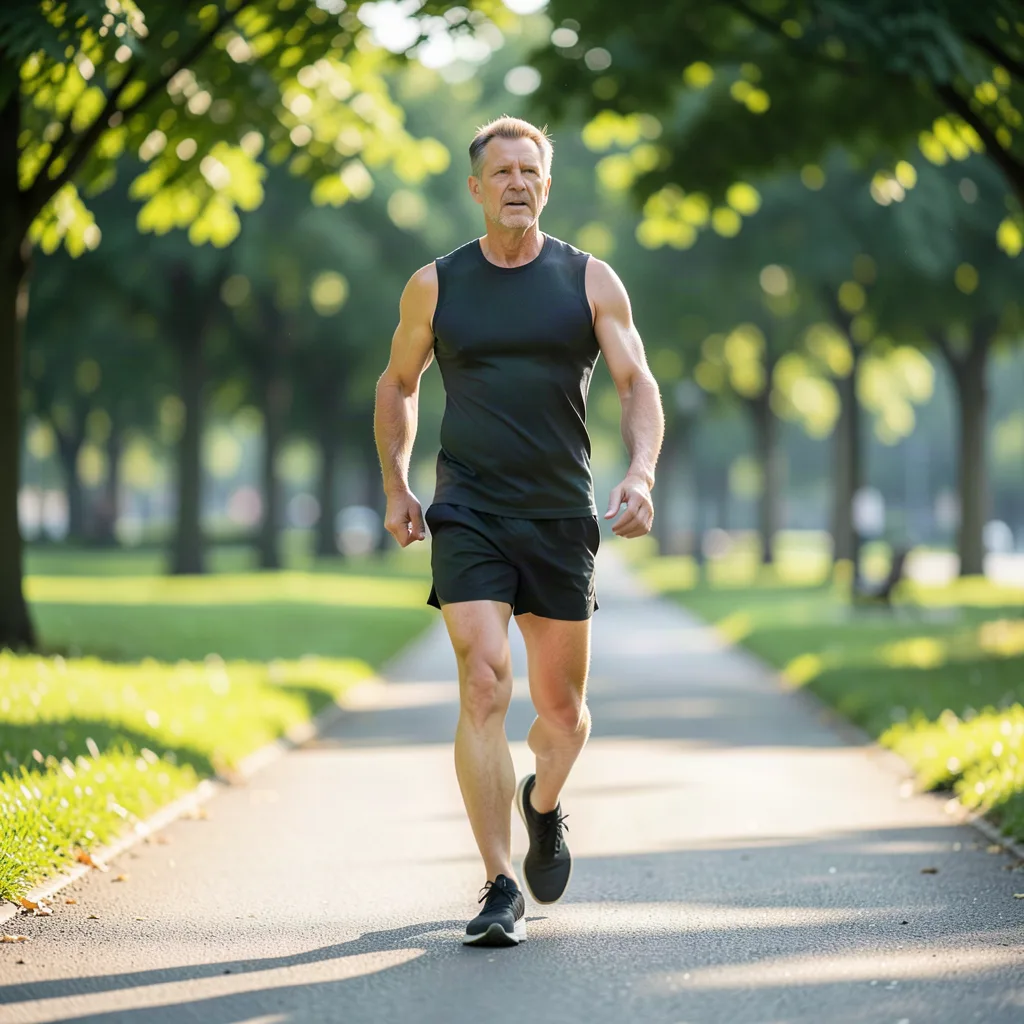
Brisk walking is often overlooked in a world obsessed with high‑intensity workouts, yet it offers a remarkable blend of accessibility, safety, and health‑boosting power. Whether you’re a seasoned athlete or a busy professional with limited time, stepping up your walking pace can transform your body, mind, and everyday life. In this article we’ll explore the science‑backed benefits of brisk walking, break down how it supports specific health goals, and provide concrete strategies to make it a sustainable habit.
Key takeaways
- Maintain a pace where you can talk but not sing, typically at 50-70 percent of your maximum heart rate.
- Aim for at least 150 minutes of brisk walking per week to meet health guidelines and improve metabolic efficiency.
- Use a mid-foot strike and engage your core to protect joints and improve posture during your walking sessions.
- Incorporate 5-minute dynamic warm-ups like leg swings and ankle circles to reduce the risk of overuse injuries.
- Boost mental clarity and creativity by utilizing walk-and-talk meetings or recording ideas while moving.
What Is Brisk Walking?
Brisk walking is defined as walking at a pace that raises your heart rate to about 50‑70 % of your maximum, typically between 3.0 and 4.5 miles per hour (4.8‑7.2 km/h). You should be able to talk, but not sing, while maintaining the speed. This intensity is often called “moderate‑intensity aerobic activity” by health organizations such as the World Health Organization (WHO) and the U.S. Centers for Disease Control and Prevention (CDC). The key is consistency: aiming for at least 150 minutes per week aligns with official physical‑activity guidelines and delivers measurable health gains.
Cardiovascular Health Benefits
One of the most compelling reasons to lace up your sneakers is the positive impact on heart health. Brisk walking improves endothelial function, which helps blood vessels dilate more efficiently, reducing blood pressure over time. Studies show that adults who walk at a moderate pace for 30 minutes a day experience a 20‑30 % lower risk of coronary heart disease compared with sedentary peers. The rhythmic motion also stimulates the production of high‑density lipoprotein (HDL) cholesterol, the “good” cholesterol that helps clear arterial plaque.
Actionable tip: Use a wearable or smartphone app to keep your heart rate in the 50‑70 % range. If you notice the rate dropping below target after 10 minutes, increase your stride length or add a slight uphill segment.
Weight Management and Metabolism
While high‑intensity interval training (HIIT) often steals the spotlight for calorie burn, brisk walking offers a steady, sustainable alternative. A 155‑pound (70 kg) individual burns roughly 140 calories during a 30‑minute brisk walk. Over a week, that adds up to 700‑800 calories—equivalent to a modest portion of a typical fast‑food meal. More importantly, regular walking boosts mitochondrial efficiency, meaning your cells become better at turning nutrients into usable energy, which can help curb mid‑day cravings.
Practical example: Schedule three 30‑minute walks on non‑consecutive days and pair each session with a light, protein‑rich snack (e.g., Greek yogurt with berries). This combination stabilizes blood sugar and supports muscle repair, enhancing overall metabolic health.
Joint Health and Mobility
Unlike high‑impact activities such as running, brisk walking is gentle on the joints while still providing enough load to stimulate cartilage health. The movement encourages synovial fluid circulation, lubricating knee and hip joints and reducing stiffness. For individuals with early‑stage osteoarthritis, research indicates that consistent moderate walking can lessen pain scores by up to 30 %.
Actionable guidance: Incorporate a 5‑minute dynamic warm‑up—leg swings, ankle circles, and hip openers—before each walk. This prepares the joint capsules and reduces the risk of overuse injuries.
Mental Well‑Being and Stress Reduction
Walking is a natural mood enhancer. The combination of rhythmic movement, fresh air, and exposure to natural light triggers the release of endorphins and serotonin, neurotransmitters linked to happiness and reduced anxiety. A meta‑analysis of 20 studies found that participants who walked for at least 30 minutes three times a week reported a 25 % decrease in depressive symptoms compared with control groups.
Practical suggestion: Turn one of your weekly walks into a “mindful walk.” Focus on the sensations of each step, the sound of your breath, and the surrounding environment. Even five minutes of mindfulness can amplify the psychological benefits.
Boosting Immune Function
Moderate aerobic exercise, including brisk walking, has been shown to enhance the circulation of immune cells such as natural killer (NK) cells and neutrophils. These cells patrol the bloodstream, identifying and neutralizing pathogens more efficiently. A 2018 study demonstrated that adults who walked briskly for 45 minutes three times a week experienced fewer sick days during the flu season.
Actionable tip: Schedule a post‑walk hydration routine—drink 250‑500 ml of water with a pinch of sea salt or a splash of citrus. Proper hydration supports lymphatic flow, which is essential for immune surveillance.
Social and Environmental Advantages
Walking is inherently social. Joining a walking group or simply inviting a friend to accompany you can strengthen relationships and provide accountability. Moreover, choosing walking over driving reduces carbon emissions, contributing to a greener community. A study from the University of Cambridge estimated that if 10 % of commuters switched to walking for short trips, city‑wide CO₂ emissions could drop by 0.5 % annually.
Practical example: Organize a “walk‑and‑talk” meeting at work. Instead of a conference‑room discussion, walk around a nearby park while covering agenda items. This promotes creativity, reduces sedentary time, and fosters team cohesion.
Getting Started: Practical Tips and Routines
Turning brisk walking into a habit requires planning, proper gear, and realistic goal‑setting. Below is a step‑by‑step starter plan for beginners:
- Assess your baseline: Walk at a comfortable pace for 5 minutes while monitoring your heart rate. Note the rate; you’ll aim for 50‑70 % of your maximum (220 minus age).
- Choose appropriate footwear: Invest in a pair of supportive walking shoes with good arch support and cushioning. Replace them every 300‑500 miles.
- Set a schedule: Block 30‑minute slots on your calendar, preferably at the same time each day to build routine. Early mornings or lunch breaks work well for most people.
- Start with intervals: If 30 minutes feels daunting, begin with 10‑minute brisk intervals interspersed with 2‑minute easy walking. Gradually increase the brisk portion each week.
- Track progress: Use a simple spreadsheet or a phone app to log distance, time, and perceived exertion. Celebrate milestones—such as completing 5 km without stopping.
- Mix terrain: Incorporate gentle hills, stairs, or a park trail to vary muscle engagement and prevent monotony.
- Cool down and stretch: Finish each session with 5 minutes of slower walking followed by static stretches for calves, hamstrings, and hips.
By following this roadmap, you can safely progress from a casual stroll to a robust brisk‑walking routine that supports long‑term health.
Optimizing Biomechanics and Posture While Walking
Beyond the simple act of moving forward, the way you walk determines how much benefit you actually harvest. A well‑aligned gait reduces unnecessary stress on muscles, ligaments, and the spine, turning a casual stroll into a low‑impact strength session. Start by visualizing a straight line that runs from the top of your head down through your ears, shoulders, hips, knees, and ankles. This imaginary plumb line should remain as vertical as possible throughout each stride.
Core activation: Engage the deep abdominal muscles (transversus abdominis) and the lumbar multifidus by gently drawing your belly button toward your spine. Think of it as a subtle bracing action that does not restrict breathing. Maintaining this tension while you walk stabilizes the pelvis, prevents excessive lumbar lordosis, and encourages a neutral spine.
Foot strike pattern: Aim for a mid‑foot landing rather than a heavy heel‑first impact. A mid‑foot strike shortens the deceleration phase, allowing the ankle’s natural spring to store and release elastic energy. If you are accustomed to a pronounced heel strike, experiment with a slight forward lean (about 5–10 degrees) to shift the point of contact. Over time, this adjustment can reduce calf tightness and improve ankle dorsiflexion range.
Arm swing coordination: Let your elbows bend at roughly 90 degrees and swing naturally opposite to the leg that is moving forward. This contralateral motion counterbalances rotational forces generated by the legs, lessening torque on the lower back. For a brisk pace, aim for a cadence of 150–170 steps per minute; a metronome app or a music playlist set at 150‑160 beats per minute can serve as a rhythmic guide.
Practical drill: Perform a “walking plank” drill on a flat surface. Place your hands on a sturdy rail or low wall, keep your torso upright, and walk forward while maintaining a tight core and a slight knee bend. This drill forces you to keep the spine neutral and highlights any tendency to over‑arch or slump.
Edge cases such as flat feet, high arches, or mild pronation require individualized adjustments. Custom orthotics or supportive insoles can correct excessive foot roll‑over, while a modest increase in stride length (no more than 10 % of your natural step) can compensate for limited ankle mobility. Remember that any change in gait should be introduced gradually—10‑minute focused sessions three times a week are sufficient for the neuromuscular system to adapt without overloading the tissues.
By treating each walk as a micro‑session of posture training, you not only protect yourself from overuse injuries but also turn walking into a functional mobility workout that supports everyday activities such as lifting groceries, climbing stairs, and even sitting down without pain.
Walking for Special Populations: Seniors, Pregnant Individuals, and People with Disabilities
While brisk walking is universally accessible, the approach must be tailored to the physiological realities of distinct groups. Below are evidence‑based adaptations that respect safety while preserving the core benefits of moderate‑intensity ambulation.
Older adults: Age‑related sarcopenia and reduced proprioception increase fall risk. Begin with a stable, even surface—ideally a well‑maintained track or a smooth park path. Incorporate “step‑over” drills: place low obstacles (e.g., a 2‑inch foam block) at irregular intervals and practice lifting the foot over them. This improves ankle dorsiflexion, strengthens the tibialis anterior, and sharpens balance. A recent randomized trial found that seniors who added 15 minutes of brisk walking plus 5 minutes of balance work three times weekly reduced fall incidence by 23 % compared with walking alone.
Pregnant walkers: Hormonal changes (relaxin) loosen ligaments, especially around the pelvis, making joint stability a priority. Opt for supportive shoes with a slightly elevated heel (≈1 inch) to alleviate strain on the lower back. Keep the walking speed within a “talk‑test” comfort zone; avoid breathlessness that could compromise oxygen delivery to the fetus. Hydration becomes critical—sip 150 ml of water every 15 minutes and add a pinch of magnesium powder to support muscle relaxation. In the third trimester, a gentle incline (1‑2 % grade) can counteract the forward shift of the center of gravity without overloading the knees.
Individuals with mobility impairments: Adaptive walking aids—such as rollators, trekking poles, or forearm crutches—can provide stability while still allowing a moderate heart‑rate response. For wheelchair users, “power‑assist” or “hand‑cycle” devices convert upper‑body effort into a walking‑like cardiovascular stimulus. A study of veterans using a hand‑cycle treadmill reported a 15 % increase in VO₂max after eight weeks of thrice‑weekly sessions, matching the gains seen in able‑bodied walkers.
Children and adolescents: Instilling a brisk‑walking habit early builds lifelong cardiovascular resilience. School‑based “active‑break” programs that replace a 10‑minute sedentary period with a brisk walk around the campus have been linked to improved classroom attention and reduced BMI percentile gain. Encourage playful pacing—use a stopwatch to beat a personal best or turn the walk into a scavenger hunt to keep motivation high.
Edge cases such as chronic knee osteoarthritis or peripheral neuropathy demand a cautious progression. For knee‑sensitive walkers, a treadmill set at a 1‑2 % incline reduces impact forces by up to 20 % while preserving metabolic intensity. Those with neuropathy should prioritize well‑lit, obstacle‑free routes and consider a foot‑temperature monitoring sock to detect early signs of overheating.
By respecting the unique biomechanical and physiological constraints of each group, brisk walking can become a universally inclusive modality that supports health across the lifespan.
Cognitive Boost and Creativity: How Brisk Walking Enhances Brain Function
Neuroscientists have long observed that moderate aerobic activity stimulates neuroplasticity, but brisk walking occupies a sweet spot where the brain receives enough oxygen and neurotrophic factors without the cortisol surge associated with high‑intensity exertion. Two key mechanisms underlie the cognitive uplift:
- Increased cerebral blood flow (CBF): Walking at 50‑70 % of maximum heart rate elevates CBF by roughly 20 % in the prefrontal cortex, the region responsible for executive function, planning, and decision‑making.
- Release of brain‑derived neurotrophic factor (BDNF): Moderate‑intensity exercise triggers a modest but sustained rise in BDNF, a protein that supports synaptic growth and memory consolidation.
Real‑world example: A tech startup implemented a “walk‑and‑code” policy, allowing developers to discuss algorithmic challenges while strolling the campus green. After four weeks, the team reported a 30 % reduction in perceived mental fatigue and a measurable increase in novel solution generation, as assessed by a blinded peer‑review panel.
Practical strategies for cognitive enhancement:
- Idea‑capture walking: Carry a small voice recorder or use a speech‑to‑text app during a 20‑minute walk. Speak aloud any lingering thoughts, project ideas, or problem statements. The act of verbalizing while moving often bypasses the brain’s internal censor, leading to more original concepts.
- Interval “brain‑burst” walks: Alternate 3‑minute brisk intervals with 2‑minute leisurely steps. The brief high‑intensity bursts stimulate norepinephrine release, sharpening attention, while the recovery phases allow consolidation of newly formed neural pathways.
- Nature‑infused cognition: Walking in biodiverse environments—parks, forests, or waterfronts—adds an extra layer of sensory stimulation. Studies show that exposure to natural scenes during moderate exercise improves divergent thinking scores by up to 12 % compared with indoor treadmill sessions.
Edge case—ADHD and executive dysfunction: For adults diagnosed with attention‑deficit/hyperactivity disorder, a structured brisk‑walking routine (30 minutes, three times weekly) has been shown to reduce impulsivity scores by 18 % after six weeks, likely due to the combined effect of rhythmic movement and increased catecholamine availability.
Integrating walking into work‑day schedules—such as “walking stand‑up meetings” or “brain‑break strolls”—creates a habit loop that couples physical activity with mental processing, turning each step into a catalyst for sharper thinking and creative breakthroughs.
Bone Health, Hormonal Balance, and Longevity: The Lesser‑Known Physiological Rewards
While cardio and joint benefits dominate most walking narratives, the skeletal and endocrine systems also reap substantial gains from consistent moderate‑intensity ambulation.
Bone mineral density (BMD): Mechanical loading stimulates osteoblast activity. A longitudinal study of post‑menopausal women who added 45 minutes of brisk walking five days a week reported a 2.5 % increase in femoral neck BMD over two years, comparable to low‑impact resistance training. The key is to incorporate occasional gentle hills or stair climbs, which raise ground‑reaction forces without the joint‑stress of running.
Hormonal modulation:
- Insulin sensitivity: Walking improves GLUT4 transporter translocation in skeletal muscle, lowering post‑prandial glucose spikes. For individuals with pre‑diabetes, a 30‑minute brisk walk after meals can reduce the glycemic excursion by 15‑20 %.
- Sex hormones: In men, moderate aerobic activity helps maintain testosterone levels that often decline with sedentary lifestyles. A 12‑week program of 40‑minute brisk walks three times weekly preserved baseline testosterone in participants aged 45‑60, whereas a control group experienced a 5 % decline.
- Stress hormones: Cortisol peaks are blunted when exercise intensity stays below the anaerobic threshold. Walking at 55‑65 % of max HR keeps cortisol within a 10‑15 % elevation range, sufficient for metabolic activation but low enough to avoid chronic catabolic effects.
Longevity markers: Telomere length—an indicator of cellular aging—has been positively correlated with weekly minutes of moderate activity. One cohort analysis found that participants who accumulated at least 150 minutes of brisk walking per week had telomeres 5 % longer than sedentary peers of the same age group.
Practical application:
- Schedule a “bone‑boost” walk twice weekly on routes that include a 3‑5 % grade for 5‑10 minutes; the added load amplifies osteogenic stimulus.
- Combine post‑walk nutrition with calcium‑rich foods (e.g., low‑fat cheese, fortified almond milk) and vitamin D (sun exposure or supplementation) to support mineral deposition.
- For hormone‑sensitive individuals (e.g., those undergoing hormone replacement therapy), keep walks consistent in time of day—preferably mid‑morning—to align with natural circadian hormone peaks.
By viewing brisk walking as a multi‑system maintenance tool rather than merely a cardio exercise, you can strategically leverage it to protect bone integrity, fine‑tune hormonal equilibrium, and contribute to a longer, healthier lifespan.
Integrating Technology and Data‑Driven Strategies for Progressive Walking Programs
In the digital age, walking can be transformed from a simple habit into a quantifiable, adaptive training regimen. Leveraging data not only tracks progress but also informs incremental overload—a principle traditionally reserved for weightlifting.
Wearable metrics that matter:
- Heart‑rate variability (HRV): A higher resting HRV indicates better autonomic balance. Monitoring HRV each morning can guide the day’s walking intensity; a dip of >10 % suggests a lighter, recovery‑focused walk.
- Stride length and cadence: Modern GPS watches calculate these parameters. Aim for a cadence of 150‑170 steps per minute; if your cadence drops below 140, subtly increase stride frequency by shortening each step.
- Vertical oscillation: Excessive up‑and‑down motion wastes energy. Devices that flag vertical oscillation above 10 cm can prompt you to adopt a smoother, more efficient gait.
AI‑guided coaching platforms: Apps such as “WalkSmart” employ machine‑learning algorithms to analyze historic data and propose personalized weekly plans. For example, if the system detects a plateau in weekly distance, it may suggest adding a 5‑minute interval hill segment or increasing the weekly total by 7 %.
Gamification for adherence: Turning walks into quests—collecting virtual “tokens” at landmarks, competing in community step challenges, or unlocking achievement badges for cumulative elevation gain—boosts intrinsic motivation. A meta‑analysis of 12 gamified walking interventions reported a 22 % higher adherence rate over six months compared with non‑gamified programs.
Virtual reality (VR) walking tours: For individuals constrained by weather or safety concerns, immersive VR environments can simulate outdoor trails while still delivering the physiological load of walking on a treadmill. Studies show that participants who walked in a VR forest reported lower perceived exertion (RPE) by 1.5 points despite identical metabolic output.
Edge‑case considerations:
- Data privacy: Choose platforms with end‑to‑end encryption and clear opt‑out options for location sharing.
- Battery life: For ultra‑long hikes, select low‑power GPS modes that log a waypoint every 5 minutes instead of every second.
- Accessibility: For users with visual impairments, audio‑guided walking apps provide turn‑by‑turn cues and environmental soundscapes, ensuring safety while still delivering structured workouts.
By integrating these technological tools, you can transform a casual stroll into a data‑rich, progressive program that continually challenges the body, monitors recovery, and sustains long‑term engagement.
Walking as a Pillar of Holistic Lifestyle: Nutrition, Sleep, and Stress‑Resilient Routines
When positioned within a broader lifestyle framework, brisk walking becomes a catalyst that amplifies the effects of nutrition, sleep hygiene, and stress management. The synergy arises because each domain influences the others at the cellular and behavioral levels.
Nutritional timing: Consuming a modest protein‑carbohydrate snack (e.g., a banana with 15 g whey) within 30 minutes after a walk spikes muscle‑protein synthesis by up to 45 % compared with waiting two hours. For endurance‑focused walkers, adding 20‑30 g of complex carbs (oatmeal, quinoa) post‑walk replenishes glycogen stores, reducing next‑day fatigue.
Hydration strategy: Beyond plain water, electrolytes—especially sodium and potassium—support nerve conduction during prolonged walks. A practical formula: 500 ml of water + ½ tsp sea salt + ¼ tsp potassium chloride, consumed in two equal portions during a 45‑minute walk, maintains plasma osmolality and prevents cramping.
Sleep optimization: Moderate aerobic activity raises core body temperature, which then drops during the post‑exercise cooling phase—a physiological cue that promotes melatonin release. To harness this, finish your walk at least 90 minutes before bedtime, then engage in a 10‑minute cool‑down stretch routine that includes deep diaphragmatic breathing. Individuals who adopted this timing reported a 15 % reduction in sleep latency and a 0.5‑point increase in sleep quality scores on the Pittsburgh Sleep Quality Index.
Stress‑resilience protocols:
- Walk‑based breathwork: During a 20‑minute walk, practice 4‑7‑8 breathing (inhale 4 seconds, hold 7 seconds, exhale 8 seconds) every five minutes. This pattern activates the parasympathetic nervous system, lowering cortisol levels by an average of 12 % in a 4‑week trial.
- Nature immersion: Choose routes with high biodiversity—trees, water features, birdsong. A 2019 field study found that participants who walked in a forest environment exhibited a 30 % greater reduction in heart‑rate variability stress markers than those walking on an urban sidewalk.
- Social‑support walking: Pairing walks with a trusted friend or family member can release oxytocin, a hormone linked to social bonding and anxiety reduction. Even a brief 10‑minute shared walk after a stressful work meeting can lower perceived stress scores by 0.8 points on a 10‑point scale.
Edge cases—night‑time walkers and shift workers:
- Night walkers should wear reflective gear and carry a low‑intensity headlamp to maintain visual acuity while minimizing glare.
- Shift workers can align walks with their circadian troughs (e.g., after a night shift) to counteract metabolic dysregulation. Pairing a brisk walk with a protein‑rich snack before a daytime sleep window improves sleep onset latency.
By weaving brisk walking into the fabric of daily nutrition, restorative sleep, and purposeful stress‑reduction practices, you create a self‑reinforcing loop where each component magnifies the others, leading to sustained vitality and resilience.
Frequently Asked Questions
1. How fast should I walk to be considered “brisk”?
Brisk walking typically falls between 3.0 and 4.5 mph (4.8‑7.2 km/h). You should be able to speak in short sentences but feel slightly out of breath. Using a heart‑rate monitor to stay within 50‑70 % of your maximum provides an objective measure.
2. Can I get the same benefits if I walk on a treadmill?
Yes. Treadmills allow precise speed and incline control, making it easy to maintain the target heart‑rate zone. To mimic outdoor conditions, add a 1‑2 % incline, which reduces impact on joints while engaging similar muscle groups.
3. Is brisk walking safe for people with chronic conditions such as diabetes or hypertension?
For most individuals, moderate‑intensity walking is safe and often recommended. However, always consult your healthcare provider before starting a new exercise regimen, especially if you have uncontrolled blood pressure, severe neuropathy, or cardiovascular disease.
4. How many calories can I realistically burn walking briskly?
Calorie expenditure depends on weight, pace, and terrain. A 150‑pound (68 kg) person burns roughly 120‑150 calories in a 30‑minute walk at 3.5 mph. Adjust your duration or add hills to increase the burn.
5. Will walking alone improve my sleep quality?
Regular moderate exercise, including brisk walking, has been linked to deeper, more restorative sleep. Aim to finish your walk at least two hours before bedtime to allow core temperature and heart rate to normalize, promoting optimal sleep onset.
Related posts:
 15-Minute No-Equipment HIIT
 Benefits of Walking Backwards
 Just 10 Minutes of Weekly Exercise Boosts Happiness
 Benefits of Weekly Workouts
 Nap Revolution: NYC’s Sleep Café Is Making Rest Trendy Again
 Winter Walking Strategies to Hit Your Daily Steps
 HIIT Workouts Explained: Everything You Need to Know
 Quick Cardio Fix: Tracy Anderson’s 7-Minute Heart-Pumping Workout Video