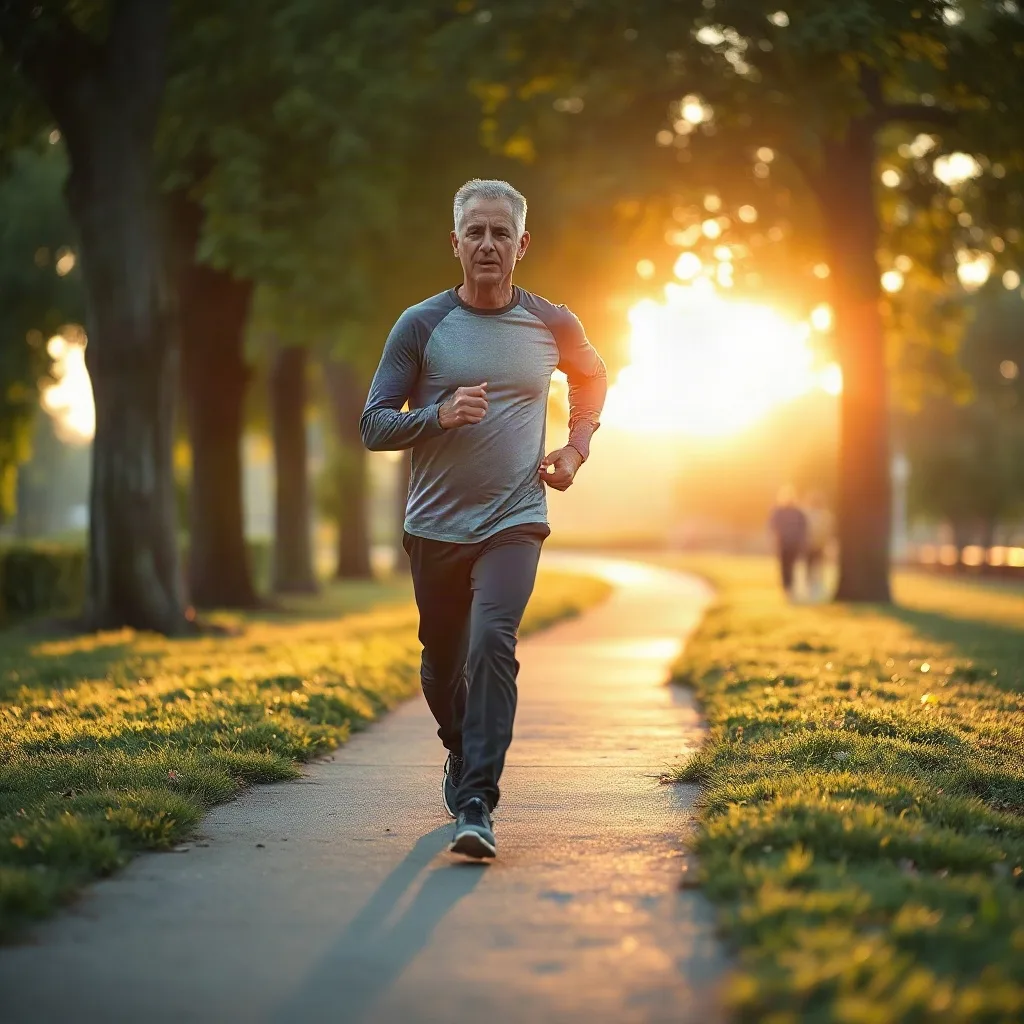
Starting the day with a brisk walk may seem simple, but the ripple effects extend far beyond the moment you step outside. A regular morning walk can act as a natural prescription for better cardiovascular health, sharper mental focus, stable weight, stronger immunity, and a more balanced lifestyle. This article explores the science‑backed benefits, offers practical tips for integrating walks into busy schedules, and answers common questions so you can make the most of each sunrise step.
Key takeaways
- Boost cardiovascular health and lower disease risk with 150 minutes of brisk walking per week.
- Enhance mood and focus by utilizing natural morning light to regulate serotonin and cortisol levels.
- Stabilize blood sugar and improve insulin sensitivity by walking shortly after a protein-rich breakfast.
- Support bone density and joint mobility through consistent, low-impact weight-bearing movement.
- Build a sustainable habit by linking walks to existing routines or walking with a partner for accountability.
Boosts Cardiovascular Health
Walking at a moderate pace raises heart rate without the joint stress of running. Over time, this aerobic activity improves the efficiency of the heart muscle, lowers resting blood pressure, and helps maintain healthy cholesterol levels. Research published in the American Journal of Cardiology shows that individuals who walk briskly for at least 150 minutes per week reduce their risk of coronary heart disease by up to 30 percent compared with sedentary peers.
Practical steps:
- Target a pace that lets you talk but not sing; this is typically 3–4 miles per hour for most adults.
- Use a wearable or smartphone app to monitor heart rate; aim for 50‑70% of your maximum heart rate (220 minus age).
- Incorporate interval bursts—30 seconds of faster walking followed by two minutes of comfortable pace—to gently challenge the cardiovascular system.
Enhances Mental Clarity and Mood
Morning light exposure triggers the release of serotonin, a neurotransmitter linked to mood regulation and feelings of well‑being. Walking also reduces cortisol, the stress hormone, providing a calm yet alert mental state that can last for hours. A 2019 study in Frontiers in Psychology found that participants who walked for 30 minutes each morning reported higher scores on the Positive and Negative Affect Schedule (PANAS) compared with those who stayed indoors.
Actionable ideas:
- Choose a route with greenery or water views; nature‑based environments amplify mood‑lifting effects.
- Practice mindful walking—notice each footfall, the rhythm of your breath, and ambient sounds—to deepen the mental reset.
- Combine walking with a brief gratitude exercise; think of three things you appreciate while you move.
Supports Weight Management
While walking is not a high‑intensity calorie‑torching sport, its consistency makes it a sustainable tool for weight control. A 30‑minute walk at a moderate pace burns roughly 150‑200 calories, depending on body weight and terrain. Over a week, that adds up to 1,050‑1,400 calories—equivalent to about half a pound of body fat.
Tips for maximizing weight‑related benefits:
- Walk on varied terrain (hills, uneven sidewalks) to engage more muscle groups and increase caloric expenditure.
- Schedule your walk shortly after a light, protein‑rich breakfast; this stabilizes blood sugar and curbs mid‑morning cravings.
- Track steps with a pedometer; aim for 10,000‑12,000 steps on walking days to reinforce daily activity goals.
Improves Joint Mobility and Muscle Strength
Unlike high‑impact sports, walking is low‑impact yet still mobilizes major joints—hips, knees, ankles—and activates core stabilizers. Regular movement lubricates synovial fluid, reduces stiffness, and can alleviate early signs of osteoarthritis. A 2020 systematic review in Arthritis Care & Research concluded that walking programs improve functional scores in adults with mild joint discomfort.
Implementation suggestions:
- Warm up with gentle ankle circles and hip swings for 2‑3 minutes before heading out.
- Incorporate short bouts of body‑weight exercises (e.g., squats, calf raises) at mid‑point of your walk to strengthen surrounding muscles.
- Finish with a 5‑minute cool‑down stretch focusing on calves, hamstrings, and quadriceps to maintain flexibility.
Regulates Circadian Rhythm and Sleep Quality
Morning exposure to natural light synchronizes the suprachiasmatic nucleus—the brain’s master clock—helping set a consistent sleep‑wake cycle. Walking also promotes the release of adenosine, a chemical that builds sleep pressure throughout the day, leading to deeper, more restorative sleep at night. Participants in a 2018 sleep‑medicine trial who walked for 20 minutes before 9 a.m. fell asleep 30 minutes faster and reported higher sleep efficiency.
How to leverage this benefit:
- Leave the house within the first hour of sunrise; if it’s still dark, walk under streetlights but aim for bright outdoor exposure as soon as possible.
- Avoid bright screens during the walk; instead, enjoy the natural light without digital distractions.
- Pair the walk with a consistent bedtime routine—reading, light stretching, or a warm beverage—to reinforce the circadian signal.
Strengthens Immune Function
Moderate aerobic activity, such as a morning walk, stimulates circulation of immune cells, including natural killer cells and neutrophils, which patrol the body for pathogens. A 2018 study in Exercise Immunology Review reported that participants who walked 30 minutes daily had a 20% lower incidence of common colds during the winter months compared with non‑active controls.
Ways to boost immunity through walking:
- Maintain a steady pace that leaves you slightly breathless but still able to converse; this intensity is optimal for immune activation.
- Dress in layers appropriate for the weather to avoid overheating or excessive cooling, both of which can stress the immune system.
- Hydrate before and after the walk; adequate fluid balance supports lymphatic flow.
Encourages Sustainable Lifestyle Habits
Walking requires no gym membership, expensive equipment, or special attire—just comfortable shoes and a safe route. By embedding this habit early in the day, you set a precedent for other healthy choices, such as choosing water over sugary drinks, planning balanced meals, or opting for active transportation later in the day.
Strategies for lasting habit formation:
- Link the walk to an existing cue, like brewing coffee or feeding pets; this creates an automatic trigger.
- Log each walk in a journal or app; visual progress reinforces motivation.
- Invite a friend, family member, or neighbor once a week for a “walking buddy” session to add social accountability.
Social Connection and Community Building
While walking can be a solitary meditation, it also offers opportunities for community engagement. Many neighborhoods host sunrise walking groups, park clean‑up walks, or charity strolls. Participating in group walks expands social networks, reduces feelings of isolation, and can even improve adherence to the routine.
Getting involved:
- Search local community boards or social media for “morning walk” meet‑ups.
- Start a small group with coworkers; a 15‑minute walk before work can boost team morale and productivity.
- Combine walking with a purpose—collect litter, deliver flyers for a cause, or photograph local wildlife—to add meaning.
Optimizes Metabolic Health and Blood Sugar Control
Beyond calorie burning, a consistent morning walk can act as a metabolic reset button. When you move shortly after waking, skeletal muscles become more insulin‑sensitive, meaning they can pull glucose out of the bloodstream more efficiently. This effect persists for several hours, creating a window in which post‑breakfast meals are processed with less glycemic spike. For people with pre‑diabetes or type‑2 diabetes, that window can translate into a measurable reduction in HbA1c over weeks of regular walking.
Practical implementation for different metabolic profiles:
- Pre‑diabetic adults: Aim for a 35‑minute brisk walk (3.5–4 mph) within 30 minutes of breakfast. Pair the walk with a low‑glycemic snack—such as a handful of almonds—if you experience early‑morning hypoglycemia.
- Individuals on insulin therapy: Consult your healthcare provider about timing. A short 15‑minute walk before the first insulin dose can blunt rapid glucose drops and reduce the risk of nocturnal lows.
- Pregnant women with gestational diabetes: A gentle 20‑minute walk at a conversational pace, performed after a balanced breakfast, helps moderate post‑prandial glucose without over‑exertion.
Edge‑case considerations:
- If you have severe peripheral neuropathy, choose a smooth, even surface and wear compression socks to improve circulation without risking foot injury.
- During extreme heat, schedule the walk earlier (pre‑sunrise) or shift to a shaded park trail; dehydration can blunt insulin sensitivity.
Tracking tip: Use a continuous glucose monitor (CGM) for the first two weeks to visualize how the walk shifts your glucose curve. Record the data alongside step count to fine‑tune duration and intensity.
Promotes Brain Plasticity, Memory, and Long‑Term Cognitive Resilience
Physical activity stimulates the production of brain‑derived neurotrophic factor (BDNF), a protein that supports the growth of new neurons and synaptic connections. Morning walks, performed in natural light, have been linked to increased hippocampal volume—the region responsible for memory consolidation. Over months, this neuroplastic boost can delay age‑related cognitive decline and improve executive function.
Examples of cognitive gains in real‑world settings:
- University students: A semester‑long study showed that students who walked 20 minutes before each lecture retained 15 % more information on subsequent exams than peers who remained seated.
- Retired professionals: A community‑center program reported that participants over 65 who walked daily for six months improved their scores on the Trail Making Test by an average of 12 seconds.
Actionable strategies for different life stages:
- Young adults: Pair the walk with language learning apps; the increased BDNF levels enhance the brain’s capacity to form new lexical pathways.
- Middle‑aged workers: Use the walk as a “brain break” after a prolonged period of screen time. Engage in a quick mental game—like recalling a grocery list in reverse order—to reinforce working memory.
- Older adults: Incorporate “dual‑task” walking by naming the months backward or counting prime numbers while strolling. This challenges the prefrontal cortex and strengthens multitasking abilities.
Edge‑case notes:
- For individuals with early‑stage Alzheimer’s, a short 10‑minute walk in a familiar garden can reduce agitation and improve orientation, especially when combined with a familiar scent (e.g., lavender).
- People on anticoagulant medication should avoid very uneven terrain that could increase fall risk, opting instead for well‑maintained paths.
Measurement suggestion: Administer a brief cognitive test (e.g., digit‑span forward/backward) before and after a 4‑week walking protocol to gauge short‑term improvements.
Stimulates Creativity, Problem‑Solving, and Work Performance
Walking engages the default mode network (DMN), a brain system that underlies spontaneous thought, imagination, and insight generation. Unlike sitting, the rhythmic motion frees the prefrontal cortex from task‑related constraints, allowing ideas to percolate. Many writers, designers, and engineers attribute breakthrough concepts to a morning walk.
Case studies illustrating creative breakthroughs:
- Tech startup founder: Reported that a 30‑minute walk along a riverbank sparked the core algorithm that later secured a patent for a predictive analytics platform.
- Novelist: Adopted a daily sunrise stroll as a ritual; within three months, she completed a full manuscript draft that later won a regional award.
Techniques to harness creativity during the walk:
- Idea‑capture method: Keep a lightweight voice recorder or a small notebook in a pocket. When a thought surfaces, record it immediately to avoid losing the thread.
- Constraint‑based brainstorming: Before stepping out, define a specific problem (e.g., “reduce packaging waste”). Use the walk to generate at least three possible solutions without judging feasibility.
- Environmental prompting: Choose a route with diverse stimuli—different trees, street art, or water features. Each new visual cue can act as a metaphorical prompt for divergent thinking.
Edge‑case considerations:
- If you work in a noisy urban environment, use noise‑cancelling earbuds that play ambient sounds (rain, forest) to reduce auditory distractions while still being aware of traffic.
- For individuals with limited mobility, a treadmill walk while listening to a podcast can simulate the same DMN activation, provided the pace is steady and the screen is off.
Performance metric: Track the number of ideas generated per walk and categorize them (e.g., product, process, personal). After a month, review which ideas progressed to implementation, creating a feedback loop that reinforces the habit.
Supports Bone Density and Prevents Osteoporosis
Weight‑bearing activity is essential for maintaining skeletal strength. The low‑impact forces generated during a brisk walk stimulate osteoblast activity—the cells that build bone tissue—particularly in the femur, tibia, and lumbar spine. While high‑impact sports are often recommended for bone health, walking offers a safer alternative for those with joint concerns or limited fitness.
Evidence‑based outcomes:
- A 2021 longitudinal study of post‑menopausal women found that a daily 45‑minute walk increased femoral neck bone mineral density by 1.2 % over two years, compared with a control group that remained sedentary.
- In adolescents, regular walking combined with vitamin D supplementation improved cortical thickness, suggesting a synergistic effect during growth spurts.
Tailored protocols for bone health:
- Post‑menopausal individuals: Add brief hill climbs (30 seconds) every 5 minutes to increase ground‑reaction forces without overloading the joints.
- Youth athletes: Incorporate a “power walk” segment—fastest sustainable speed for 1 minute—twice per session to maximize osteogenic stimulus.
- People with osteoporosis medication (e.g., bisphosphonates): Coordinate the walk for the same time of day as medication intake to align peak drug activity with mechanical loading.
Edge‑case notes:
- For individuals with severe balance issues, use a sturdy walking pole or a walking frame to provide stability while still delivering axial loading.
- During winter months, consider indoor tracks with a rubberized surface to reduce slip risk while preserving the weight‑bearing effect.
Progress tracking: Schedule a dual‑energy X‑ray absorptiometry (DEXA) scan at baseline and after 12 months of consistent walking to quantify changes in bone mineral density.
Enhances Gut Microbiome Diversity and Digestive Health
The gut microbiome—a complex community of trillions of bacteria—responds rapidly to lifestyle cues, including physical activity. Morning walks stimulate peristalsis, improve gastrointestinal transit time, and foster a more diverse microbial ecosystem. Diversity is associated with reduced inflammation, better nutrient absorption, and lower risk of metabolic disorders.
Key research highlights:
- A 2022 crossover trial demonstrated that participants who added a 30‑minute walk before breakfast showed a 15 % increase in the relative abundance of *Faecalibacterium prausnitzii*, a bacterium linked to anti‑inflammatory effects.
- Another study found that regular walkers reported fewer episodes of bloating and irritable bowel syndrome (IBS) flare‑ups compared with sedentary controls.
Guidelines for nurturing a healthy gut through walking:
- Pre‑walk nutrition: Consume a small portion of fermented foods (e.g., kefir, kimchi) before heading out. The probiotics gain a head‑start, and the subsequent movement helps disperse them throughout the intestines.
- Hydration strategy: Drink 200‑300 ml of water 15 minutes before the walk; adequate fluid supports mucosal lining integrity and microbial balance.
- Post‑walk fiber intake: Follow the walk with a high‑fiber breakfast (oats, berries, chia seeds) to provide substrates that beneficial bacteria ferment into short‑chain fatty acids.
Edge‑case scenarios:
- For patients with gastroparesis, keep the walk low‑intensity (slow pace) and limit it to 10‑15 minutes to avoid exacerbating delayed gastric emptying.
- Individuals on antibiotics should aim for a longer duration (45 minutes) and incorporate probiotic‑rich foods after the walk to aid microbial recolonization.
Monitoring tip: Use a at‑home stool test kit every three months to observe shifts in microbial diversity, correlating changes with walking frequency and intensity.
Integrates Technology and Personalization for Sustainable Progress
Modern wearable tech, mobile apps, and data‑driven platforms can transform a simple morning walk into a personalized health program. By capturing metrics such as step cadence, heart‑rate variability (HRV), ambient light exposure, and even air‑quality indices, users can fine‑tune their routine to match individual goals and environmental constraints.
Technology‑enhanced workflow:
- Baseline assessment: Use a smartwatch to record a 7‑day average of resting HRV, sleep duration, and daily step count. This creates a personalized reference point.
- Goal setting: Set SMART (Specific, Measurable, Achievable, Relevant, Time‑bound) objectives—e.g., “Increase average morning cadence to 115 steps/min within 4 weeks.”
- Adaptive feedback loop: Enable the device’s “activity coach” feature, which adjusts recommended walk length based on daily fatigue scores (derived from HRV trends).
- Environmental integration: Pair the walk with a real‑time air‑quality API; if PM2.5 exceeds a safe threshold, the app suggests an indoor treadmill alternative or a route through greener streets.
- Social gamification: Join a community challenge within the app—such as “Collect 10 000 sunrise steps this month”—to leverage peer motivation while tracking progress on a leaderboard.
Edge‑case adaptations:
- Low‑tech users: A simple paper log with columns for date, distance, perceived exertion (1‑10 scale), and mood rating can provide enough data for self‑reflection without digital dependence.
- Individuals with visual impairment: Use a tactile smartwatch with vibration alerts for pace and distance, and select audio‑guided walking routes that describe landmarks.
- Rural dwellers with limited connectivity: Pre‑download GPS tracks on the device; the app can operate offline and sync data when a signal returns.
Long‑term sustainability tip: Conduct a quarterly “digital detox” where you pause all notifications during the walk, allowing the activity to remain a mindful, technology‑light experience while still benefiting from periodic data collection.
Frequently Asked Questions
1. How long should a morning walk be to see health benefits?
The consensus among health organizations is at least 150 minutes of moderate‑intensity aerobic activity per week. Splitting this into 30‑minute walks five days a week meets the guideline and provides measurable cardiovascular, metabolic, and mental benefits.
2. Is it safe to walk on an empty stomach?
For most healthy adults, a light walk before breakfast is safe and can enhance fat oxidation. If you have blood‑sugar concerns, consider a small snack—such as a banana or a handful of nuts—before heading out.
3. What should I wear for a year‑round morning walk?
Layering is key. In colder months, start with a moisture‑wicking base, add a insulating mid‑layer, and finish with a wind‑proof outer shell. In heat, choose breathable, light‑colored fabrics and a hat for sun protection.
4. Can walking replace other forms of exercise?
Walking provides a solid foundation for overall health, but it does not fully substitute higher‑intensity strength training or flexibility work. Incorporate two to three sessions per week of resistance exercises and stretching to create a balanced fitness program.
5. How do I stay motivated on days when I feel tired?
Use the “two‑minute rule”: commit to walking for just two minutes. Often the momentum carries you beyond that point. Additionally, remind yourself of the specific benefit you value most—whether it’s mood, heart health, or sleep—and let that purpose drive the habit.
Related posts:
 Are We Really Too Busy for Breakfast?
 Practical Tips to Make Your Daily Walk More Effective
 Benefits of Brisk Walking
 High Protein Breakfast Ideas for Busy Mornings
 PHA Bodyweight Workout: Efficient Fitness Anywhere, Anytime
 Three Scientific Reasons to Become a Morning Person
 Silent Walking Meditation
 Do You Really Need Less Sleep as You Age?