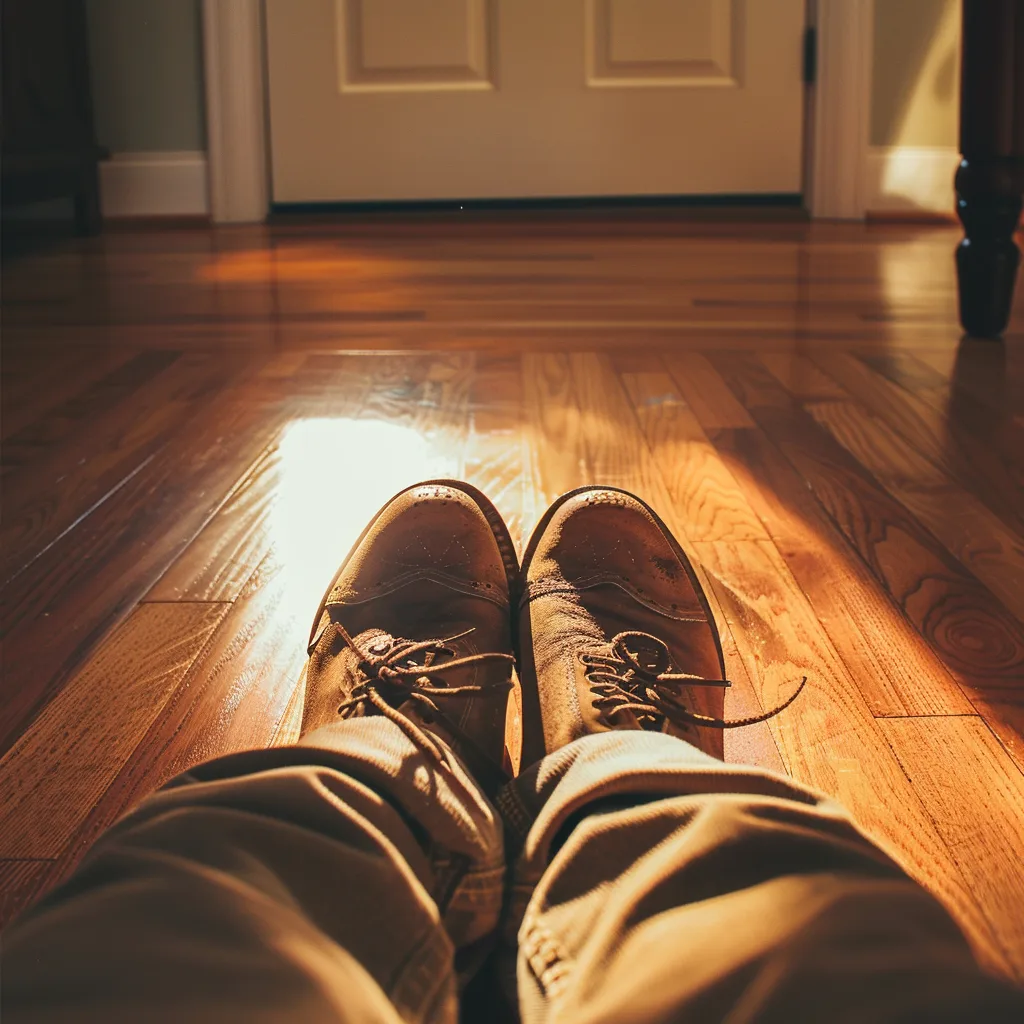
Going shoeless at home provides surprising health and wellness perks. More families are leaving footwear at the door for cleaner floors, stronger feet, and cozier comfort.
Why Kick Off Your Shoes?
Wearing outdoor shoes indoors tracks in dirt, bacteria, chemicals, and more. Floors stay cleaner when we go barefoot or wear socks/slippers. This helps limit exposure to unhealthy substances, promoting wellness.
Cleaner Home, Healthier You
Research shows floors have fewer germs and allergens in shoeless homes. We also avoid tracking in substances like lead from soil and pesticides from lawns. Going shoeless leads to less indoor air pollution for better breathing.
Stronger Feet
Shoes provide cushioning but weaken feet over time. Bare feet exercise intricate muscles, tendons, and ligaments. This foot strength aids balance, posture and circulation. Start slowly on soft surfaces to allow adjustment.
Mind and Mood Boost
Kicking off shoes reduces tension and anxiety. Connecting bare feet to the ground may offer mental/emotional benefits via ions exchanged between soil and skin. There’s also joy found in padding around shoeless!
Cozier Comfort
After a long day, peeling off shoes signals relaxation at home. Going barefoot feels comfortable and freeing. Quality time without shoes offers families a chance to unwind while bonding.
Preserving the Foundation: How Shoeless Habits Extend Flooring Lifespan
While the health benefits of a shoeless home are often the primary motivator, the financial implications regarding home maintenance are equally significant. Every time a person walks across a hard surface or carpet in outdoor shoes, they are essentially applying an abrasive treatment to that surface. Street shoes collect microscopic particles of quartz, silica, and granite, which are significantly harder than most residential flooring finishes. When these particles are pressed between a shoe sole and a hardwood floor, they act like sandpaper, grinding down the polyurethane or wax finish. Over time, this results in “traffic lanes”—dull, worn patches that require expensive sanding and refinishing.
For those with wall-to-wall carpeting, the damage is even more insidious. Soil particles are often sharp; when ground into carpet fibers by the weight of a walking adult, they act like tiny saws, cutting the delicate synthetic or wool fibers at the base. This leads to premature balding of the carpet and a loss of resiliency that no amount of professional steam cleaning can fully restore. By implementing a strict no-shoes policy, you effectively eliminate the primary source of this abrasive grit. This can extend the life of a carpet by five to ten years and push back the need for hardwood refinishing by a decade or more, representing a savings of thousands of dollars in home equity maintenance.
Furthermore, outdoor shoes often carry moisture and oils that can chemically react with certain flooring types. Rubber soles can leave scuff marks that require harsh chemicals to remove, while the acidity of rainwater or the salt used for de-icing roads in winter can etch into natural stone like marble or travertine. A shoeless home remains a structurally sound home for longer, preserving the aesthetic integrity of the materials you’ve invested in.
The Hidden Chemistry of the Street: Beyond Simple Dirt
When we talk about tracking in “dirt,” we are often using a euphemism for a complex cocktail of industrial and environmental toxins. Research into the composition of house dust has revealed that a significant percentage of indoor contaminants originate from the soles of shoes. One of the most concerning groups of chemicals found in shoeless-exempt homes is Polycyclic Aromatic Hydrocarbons (PAHs). These are byproducts of petroleum and are commonly found in asphalt driveway sealants. PAHs are known carcinogens, and once they are tracked onto a carpet, they can persist for years because they are shielded from the degrading effects of sunlight and fresh air.
Another overlooked contaminant is lead. Even in areas where lead-based paint is no longer used, lead dust from legacy soil contamination remains prevalent near busy roads or older structures. This dust hitches a ride on shoe treads and settles into the fibers of rugs where infants crawl. Since children frequently engage in hand-to-mouth behavior, the presence of lead-laden dust in a carpeted living room is a serious developmental risk. By removing shoes at the door, you create a chemical firewall, ensuring that the heavy metals and persistent organic pollutants of the industrial world stay outside.
The biological load is also worth noting. Studies have identified that nearly 96% of shoe soles contain coliform bacteria, including E. coli. While the human immune system is robust, the constant re-introduction of these pathogens into the living environment—especially in kitchens and bathrooms—increases the baseline risk of opportunistic infections. A shoeless policy isn’t just about avoiding a muddy footprint; it’s about maintaining a laboratory-grade level of environmental purity in the space where you sleep and eat.
Mastering the Transition: Designing an Efficient Entryway System
The success of a shoeless household often depends on the architecture of the entryway. If there isn’t a logical, comfortable place to remove shoes, the habit will eventually fail, especially during busy mornings or when carrying groceries. A functional “transition zone” or mudroom should be designed with ergonomics in mind. This starts with seating. Providing a sturdy bench allows residents and guests to sit while unlacing boots, which is essential for the elderly or those with balance issues.
Storage is the next pillar of a successful system. Open cubbies are generally superior to closed closets for daily-use shoes because they allow for airflow, which prevents the buildup of moisture and odors within the footwear. For wet climates, a heavy-duty boot tray with a raised edge is indispensable. These trays should ideally be filled with a layer of river stones; this allows water to drip off the boots and settle at the bottom of the tray, preventing the soles from sitting in a pool of stagnant water and ensuring they dry faster.
To further encourage the habit, the transition zone should be psychologically distinct. Using a different flooring material in the entryway—such as durable porcelain tile or slate—creates a visual boundary that signals where the “outdoor world” ends. This area should be equipped with a high-quality coir mat outside and a microfiber “grabber” mat inside to catch any lingering debris before the feet ever touch the primary flooring of the home. By making the process of shoe removal seamless and organized, you remove the friction that often leads to people “just quickly” walking through the house in their sneakers.
Social Grace and the Shoeless Rule: Navigating Guest Relations
One of the most common hurdles in maintaining a shoeless home is the social anxiety associated with asking guests to remove their footwear. This requires a delicate balance of firmness and hospitality. The most effective way to communicate the rule is through “passive signaling.” A visible shoe rack filled with neat pairs of shoes near the door usually informs guests of the house protocol without a word being spoken. However, for more formal gatherings, it is helpful to mention the policy in advance, perhaps by saying, “We’re a shoeless household, so feel free to bring your favorite slippers or thick socks!”
Hospitality dictates that if you ask something of a guest, you should provide an alternative for their comfort. Keeping a basket of “guest slippers” in various sizes is a hallmark of a gracious shoeless home. These can be inexpensive, washable cotton slippers or even disposable ones similar to those found in high-end hotels. This addresses two common guest concerns: cold feet and the potential embarrassment of having holes in their socks. For guests with known orthopedic issues who cannot walk flat-footed, it is perfectly acceptable to allow them to bring a pair of “indoor-only” shoes that have never been worn outside.
In cases of large parties, the sheer volume of shoes can become a tripping hazard. Utilizing a portable, multi-tiered shoe tree or a designated “shoe corner” with a decorative screen can keep the entryway from looking chaotic. Remember that the goal is to create a welcoming environment; if a guest is truly uncomfortable or has a physical limitation that makes shoe removal difficult, the health of the relationship should take precedence over the cleanliness of the floor for that one evening.
Mechanical Alignment: The Bio-Mechanical Shift of Indoor Barefooting
The transition to a shoeless lifestyle indoors offers a unique opportunity for bio-mechanical recalibration. Most modern footwear features a “heel drop,” where the heel is elevated higher than the forefoot. This constant elevation shortens the Achilles tendon and the calf muscles over time. When you move barefoot at home, you allow these tissues to return to their natural length. This can alleviate chronic tension in the lower legs and even reduce referred pain in the lower back, as the pelvis is allowed to settle into a more neutral, anatomically correct position.
Walking barefoot also engages the “intrinsic muscles” of the foot—small muscles that are rarely used when the foot is encased in a rigid shoe. These muscles are responsible for maintaining the integrity of the foot’s arches. By strengthening them through daily indoor movement, you can actually improve your foot’s shock-absorption capabilities when you are back in shoes for outdoor activities. This is particularly beneficial for individuals who suffer from overpronation or flat feet, as the varied surfaces of a home—from the firmness of tile to the give of a plush rug—provide a form of low-impact physical therapy.
However, it is important to note the “edge case” of hard-surface fatigue. If your home consists entirely of polished concrete or hard tile, sudden and prolonged barefoot walking can lead to heel pain or plantar fasciitis for those not accustomed to it. In these specific environments, the use of a supportive indoor slipper with a contoured footbed can provide the necessary cushioning while still maintaining the hygienic benefits of a shoeless home. The key is to listen to your body’s feedback during the first few weeks of the transition.
Indoor-Only Footwear: Bridging the Gap for Support and Safety
A shoeless home does not necessarily mean a barefoot home. For many, the ideal compromise is a dedicated pair of indoor-only shoes. This is an essential strategy for those who work from home and find that they are more productive when wearing shoes, or for those who need specific orthopedic support that socks cannot provide. The golden rule is that these shoes must never cross the threshold of the entryway. This ensures that while you have the support you need, you aren’t bringing in the pesticides and heavy metals from the driveway.
When selecting indoor-only footwear, look for materials that breathe well, such as boiled wool, felt, or high-quality leather. Since these shoes won’t encounter the elements, you can prioritize comfort and breathability over water resistance. For those concerned about safety, particularly on wooden stairs, choosing slippers with a non-slip rubber or suede sole is vital. Many household accidents occur when people wear slick-bottomed socks on polished stairs; a dedicated indoor shoe with a grip-focused outsole provides the necessary traction to prevent slips and falls.
For individuals with diabetes or peripheral neuropathy, going entirely barefoot can be risky due to the potential for unnoticed cuts or bruises. In these cases, indoor shoes are a medical necessity. By choosing a pair with a wide toe box, you allow the toes to splay naturally—a benefit of barefooting—while still protecting the skin from accidental bumps against furniture. This hybrid approach allows every member of the household, regardless of their health status, to participate in the shoeless lifestyle safely.
Sensory Intelligence: The Neurological Impact of Direct Floor Contact
The soles of the human feet are among the most nerve-dense parts of the body, containing thousands of sensory receptors. When we wear shoes, we effectively “blindfold” these nerves, dulling our proprioception—the body’s ability to sense its position in space. Going shoeless indoors reawakens this sensory stream. This constant feedback loop between the feet and the brain helps improve balance and coordination, which is a critical factor in fall prevention for the elderly and motor skill development for toddlers.
There is also a psychological component to this sensory input. Different textures—the coolness of ceramic tile, the grain of hardwood, the softness of a wool rug—provide a form of “sensory grounding.” In a world that is increasingly digital and disconnected from physical reality, the simple act of feeling the floor can have a calming effect on the nervous system. This is often referred to as “tactile stimulation,” and it can help reduce the sympathetic nervous system’s “fight or flight” response after a stressful day in the outside world.
Furthermore, for children, a shoeless environment is a playground for cognitive development. As they navigate the different textures and temperatures of the home’s floors, they are building complex neural pathways related to spatial awareness and tactile discrimination. This “sensory diet” is a fundamental part of early childhood growth that is often overlooked in favor of structured play. By keeping the floors clean enough to walk on without shoes, you are providing a safe, stimulating environment that benefits the brain just as much as the body.
FAQ
Is it actually healthier not to wear shoes inside?
Yes, research shows homes tend to have fewer germs and allergens when outdoor shoes are left at the door. This promotes wellness by limiting exposure to unhealthy substances we track in.
But won’t my feet get cold without shoes on?
You may want to wear cozy socks or slippers to keep feet warm indoors after kicking off shoes. Adjusting may take time if not used to being barefoot at home.
Can I still wear shoes for things like cooking?
Absolutely, wear clean shoes made for indoor/home use when needed for activities prone to spills, drops or mess. Just be sure to take them off after to keep your floors as shoeless as possible.
Is going barefoot at home truly better for kids?
Yes, exposing growing feet to different textures promotes strength and development. Letting children go shoeless also offers sensory benefits related to cognition. Just be sure to check play areas for hazards first.
What if someone has foot odor? Won’t that smell up the house?
Practice good hygiene by washing bare feet daily. Open windows regularly too. Consider using foot powder or gentle odor absorbers if needed. With a little extra care, smelly feet won’t be an issue.
Related posts:
 Finding Supportive Shoes
 Meghan Markle’s High Heel Hack
 Old Navy’s Hygge Sock Sale Is the Black Friday Deal Your Feet Need
 Step Into Compassion: The Best Vegan Shoe Brands Making Waves
 Smart Shoe Shopping Tips Everyone Should Know
 Common Sneaker Questions Answered
 The Hygge Slippers Cute Enough to Wear Outside
 Best Hard-Soled Slippers