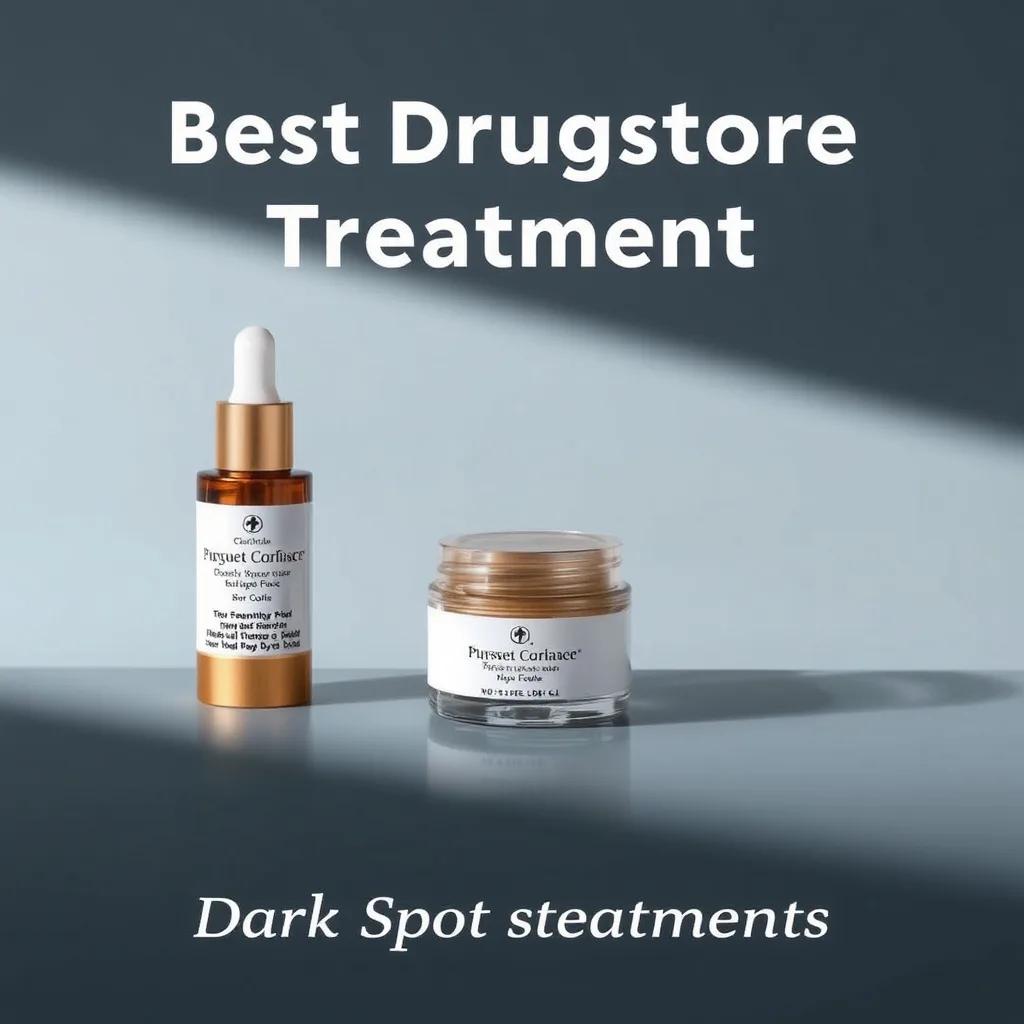
Dark spots, also known as hyperpigmentation, can appear after acne, sun exposure, or hormonal changes. While professional treatments exist, many people achieve noticeable improvement with products available at the local drugstore. This guide walks you through the science behind dark spot treatments, highlights the most effective over‑the‑counter (OTC) options, and offers a step‑by‑step plan to incorporate them into a sustainable skincare routine.
Understanding Dark Spots
Dark spots are areas of excess melanin production. Melanin is the pigment that gives skin its color, and when melanocytes (the cells that create melanin) become overstimulated, they deposit more pigment in the upper layers of the skin. Common triggers include:
- Post‑inflammatory hyperpigmentation (PIH): lingering discoloration after acne, cuts, or insect bites.
- Sun exposure: ultraviolet (UV) radiation accelerates melanin synthesis.
- Hormonal fluctuations: pregnancy, birth control, or thyroid changes can lead to melasma.
- Age spots (lentigines): appear after years of cumulative sun damage.
Understanding the cause helps you select an ingredient that targets the underlying mechanism rather than just the surface appearance.
How Over‑the‑Counter Ingredients Work
Drugstore formulas typically rely on four categories of active ingredients. Each works at a different point in the melanin pathway:
- Tyrosinase inhibitors: block the enzyme that converts the amino acid tyrosine into melanin. Common examples are hydroquinone (in low concentrations), kojic acid, and arbutin.
- Exfoliants: remove pigmented cells from the skin’s surface, allowing newer, less pigmented cells to rise. Alpha hydroxy acids (AHAs) like glycolic acid and beta hydroxy acids (BHAs) like salicylic acid fall into this group.
- Antioxidants: neutralize free radicals that can trigger melanin production. Vitamin C (ascorbic acid) and niacinamide are the most studied.
- Skin‑lightening peptides: such as tranexamic acid and certain copper peptides, which interfere with melanin transfer to surrounding skin cells.
When an OTC product combines two or more of these actions, the result is usually faster and more even fading.
Top Ingredients to Look For
Below is a quick reference for the most reliable ingredients you’ll encounter on drugstore shelves. Concentrations listed are typical ranges for OTC products; higher percentages often require a prescription.
- Niacinamide (4‑10%): reduces melanosome transfer and improves barrier function.
- Vitamin C (10‑20% L‑ascorbic acid or 5‑10% magnesium ascorbyl phosphate): brightens by inhibiting tyrosinase and providing antioxidant protection.
- Kojic acid (1‑4%): a natural fungal metabolite that gently inhibits tyrosinase.
- Azelaic acid (10‑15%): both a tyrosinase inhibitor and a mild exfoliant, suitable for sensitive skin.
- Glycolic acid (5‑10%): an AHA that dissolves dead‑cell bonds, revealing fresher skin underneath.
- Salicylic acid (0.5‑2%): a BHA that penetrates pores, useful when dark spots coexist with acne.
- Tranexamic acid (2‑5%): a newer ingredient that blocks melanin synthesis pathways, especially effective for melasma.
How to Choose the Right Product for Your Skin Type
Not every ingredient is suitable for every skin type. Below is a quick decision tree:
- Dry or mature skin: prioritize hydrating formulas with niacinamide, vitamin C, and glycolic acid. Look for added humectants like hyaluronic acid.
- Oily or acne‑prone skin: choose salicylic‑based exfoliants, azelaic acid, or lightweight serums with niacinamide.
- Sensitive skin: start with low‑strength niacinamide or azelaic acid. Avoid high concentrations of AHAs or harsh alcohol‑based toners.
- Combination skin: a two‑step routine—gentle exfoliation in the evening and a brightening serum in the morning—works well.
Patch‑test any new product for 48‑72 hours before full‑face application. Apply a small amount on the jawline or behind the ear, wait, and observe for redness, itching, or burning.
Review of 7 Best Drugstore Dark Spot Treatments (2024)
All of the following products are available at major U.S. retailers (e.g., CVS, Walgreens, Target) and have received consistent positive feedback from dermatologists and consumers.
1. The Ordinary Niacinamide 10% + Zinc 1%
Key ingredients: 10% niacinamide, 1% zinc PCA.
Why it works: Niacinamide reduces melanin transfer while zinc calms inflammation that can exacerbate PIH.
Best for: All skin types, especially oily or acne‑prone.
2. CeraVe Resurfacing Retinol Serum
Key ingredients: 0.3% encapsulated retinol, 5% niacinamide, ceramides.
Why it works: Retinol accelerates cell turnover, and niacinamide supports barrier repair. The low retinol concentration is safe for OTC use.
Best for: Dry, mature, or texture‑concerned skin.
3. Neutrogena Rapid Tone Repair Dark Spot Corrector
Key ingredients: 4% vitamin C, 2% retinol, hyaluronic acid.
Why it works: Vitamin C blocks tyrosinase, while retinol promotes exfoliation. Hyaluronic acid offsets potential dryness.
Best for: Normal to dry skin seeking a brightening boost.
4. Olay Luminous Tone‑Perfecting Cream
Key ingredients: Niacinamide, hexapeptide‑8, glycerin.
Why it works: Peptide technology reduces melanin transfer; niacinamide adds a soothing, brightening effect.
Best for: Sensitive skin or those who prefer a moisturizer‑type product.
5. Paula’s Choice 10% Azelaic Acid Booster
Key ingredients: 10% azelaic acid, soothing botanical extracts.
Why it works: Azelaic acid offers dual action—exfoliation and melanin inhibition—without the irritation associated with higher‑strength AHAs.
Best for: Sensitive or rosacea‑prone skin.
6. L’Oréal Paris Revitalift Bright Reveal Brightening Peel Pads
Key ingredients: 10% glycolic acid, vitamin C, hyaluronic acid.
Why it works: The pad format ensures even application of an AHA‑rich solution, while vitamin C adds antioxidant protection.
Best for: Normal to oily skin; ideal for weekly use.
7. Murad Rapid Age Spot and Pigment Lightening Serum
Key ingredients: 2% hydroquinone (OTC limit), 3% glycolic acid, vitamin C.
Why it works: Hydroquinone remains the gold‑standard tyrosinase inhibitor, even at the 2% OTC limit. Glycolic acid speeds up turnover, and vitamin C supports overall brightness.
Best for: Stubborn, longstanding spots on resilient skin. Use with caution on sensitive skin.
How to Use Dark Spot Treatments Effectively
Consistency and correct layering are more important than the price tag. Follow this four‑step protocol:
- Cleanse: Use a gentle, pH‑balanced cleanser to remove debris without stripping natural oils.
- Target: Apply the dark spot treatment (serum or cream) to clean, dry skin. Use a pea‑sized amount and gently pat—avoid rubbing, which can irritate the area.
- Moisturize: Seal the actives with a barrier‑supporting moisturizer containing ceramides or hyaluronic acid.
- Protect: Finish with a broad‑spectrum sunscreen (SPF 30 or higher). UV exposure can reverse weeks of progress within minutes.
For products containing retinol or strong acids, limit use to evenings and start with two applications per week, gradually increasing as tolerated.
Common Mistakes and How to Avoid Them
- Skipping sunscreen: The most frequent reason dark spots reappear. Reapply sunscreen every two hours outdoors.
- Over‑exfoliating: Using multiple acids simultaneously can compromise the skin barrier, leading to redness and post‑inflammatory hyperpigmentation.
- Expecting overnight results: Most OTC ingredients need 8‑12 weeks of consistent use to show measurable fading.
- Mixing incompatible actives: Pairing high‑strength vitamin C with strong acids can lower efficacy. Use vitamin C in the morning and acids at night.
- Applying too much product: More is not better. A thin, even layer maximizes absorption and reduces irritation.
Supporting Practices for Long‑Term Spot‑Free Skin
While topical treatments do the heavy lifting, lifestyle habits reinforce results:
- Daily sunscreen: Choose mineral‑based (zinc oxide or titanium dioxide) or chemical formulas with UVA/UVB coverage.
- Antioxidant‑rich diet: Foods high in vitamin C, vitamin E, and polyphenols (berries, leafy greens, nuts) help combat oxidative stress that fuels melanin production.
- Hydration: Adequate water intake supports epidermal turnover.
- Stress management: Chronic stress can elevate cortisol, which may aggravate hormonal hyperpigmentation.
- Regular skin checks: Monitor any new or changing lesions and consult a dermatologist if you notice irregularities.
When to See a Professional
OTC products are effective for mild to moderate PIH and age spots. Seek a dermatologist if you notice any of the following:
- Spots that are larger than a pencil eraser or continue to expand.
- Irregular borders, uneven color, or a change in texture.
- Persistent irritation despite patch testing.
- Desire for faster results using prescription‑strength hydroquinone, tretinoin, or procedural options such as chemical peels, laser therapy, or microneedling.
A professional can also tailor a regimen that combines prescription actives with the OTC staples listed above.
Reading Labels: Decoding Ingredient Percentages, pH, and Stability
When you pick up a dark‑spot serum or cream at the pharmacy, the front‑of‑pack often touts “brightening” or “pigment‑fading” without explaining how the formula actually works. The fine print on the back is where the real clues lie. Look first for the exact concentration of the active ingredient. A product that lists “niacinamide” without a percentage could contain anywhere from 0.5% to 10%; the efficacy window for noticeable melanin reduction typically starts at 4%.
Second, note the pH range. Tyrosinase inhibitors such as kojic acid and hydroquinone need an acidic environment (pH 3‑4) to stay soluble and penetrate the epidermis. In contrast, niacinamide is most stable around pH 5‑7, and applying it over a highly acidic AHA serum can convert it to nicotinic acid, which may cause flushing. If the label does not list a pH, check the ingredient order: a high proportion of acids (e.g., glycolic, lactic) usually signals a lower pH.
Third, assess the vehicle. Water‑based gels provide rapid absorption but can evaporate quickly, reducing contact time. Oil‑in‑water emulsions, on the other hand, create a barrier that keeps actives on the skin longer, which is beneficial for ingredients that require sustained exposure, such as tranexamic acid. Look for descriptors like “micro‑encapsulated” (often used for retinol or vitamin C) which protect the ingredient from oxidation until it reaches the skin.
Finally, examine the preservative system. Some preservatives, especially parabens or certain phenoxyethanol blends, can interact with sensitive actives and lower their potency. A product that lists “phenoxyethanol, ethylhexylglycerin” is generally safe for most actives, whereas a formula that relies on high levels of alcohol may dry out the barrier and paradoxically increase melanin production due to inflammation.
Practical tip: Create a simple spreadsheet with columns for product name, active concentration, pH (if known), vehicle type, and preservative list. When you notice a new spot fading slower than expected, cross‑reference the spreadsheet to see if a mismatch in pH or vehicle could be the culprit.
Strategic Layering: Combining Dark‑Spot Actives with Anti‑Aging, Hydration, and Sun Protection
Most drugstore routines treat dark‑spot serums as a single step, but the skin is a layered ecosystem where each product can either amplify or neutralize the next. Understanding the hierarchy of absorption helps you build a stack that maximizes brightening while preserving barrier health.
Layer 1 – Cleansing and pH Reset: After cleansing, a gentle toner with a slightly acidic pH (around 5.5) prepares the skin for actives without stripping natural lipids. Look for toners that contain soothing ingredients like rose water or panthenol; they act as a buffer for subsequent acids.
Layer 2 – Targeted Brighteners: Apply low‑pH actives (e.g., a 2% hydroquinone serum) first, because they need direct contact with the epidermis. Wait 30‑60 seconds for the serum to dry; this prevents dilution when the next layer is added.
Layer 3 – Barrier‑Supporting Boosters: Follow with a niacinamide‑rich moisturizer or a ceramide‑based cream. Niacinamide not only supports barrier repair but also counteracts any residual irritation from the brightener. The moisturizer’s occlusive properties also slow the transepidermal loss of water, which is essential when using exfoliating acids.
Layer 4 – Sunscreen: The final step must be a broad‑spectrum sunscreen with at least SPF 30. For daytime routines that include vitamin C, choose a mineral sunscreen (zinc oxide or titanium dioxide) to avoid potential oxidation of the antioxidant. If you prefer a chemical filter, look for formulas that contain avobenzone stabilized with octocrylene, as this combination reduces the risk of photodegradation of the underlying actives.
Evening Stack Example:
- Cleanse with a pH‑balanced gel.
- Apply a 5% glycolic acid pad (allow 1‑2 minutes).
- Pat a 2% hydroquinone serum onto pigmented patches.
- Seal with a peptide‑infused night cream that includes hyaluronic acid.
This sequence ensures that the exfoliant removes the dead‑cell “roof,” the hydroquinone reaches the melanocytes, and the night cream prevents barrier disruption.
Edge case: If you are treating both melasma and fine lines, you might incorporate a retinol product on alternate nights. On retinol nights, skip the glycolic acid to avoid over‑exfoliation; on glycolic‑acid nights, omit retinol but keep the hydroquinone.
Seasonal and Geographic Adjustments: Tailoring Your Regimen for Summer, Winter, High Altitude, and Travel
Sunlight intensity, humidity, and even barometric pressure influence how quickly melanin forms and how well your skin tolerates actives. A one‑size‑fits‑all routine can lead to flare‑ups in summer and under‑performance in winter.
Summer (High UV Index): Increase sunscreen reapplication frequency to every 60‑90 minutes, especially after swimming or sweating. Consider swapping a daytime brightening serum for a tinted mineral sunscreen that offers both UV protection and a subtle optical‑blurring effect on existing spots. If you notice increased irritation from AHAs, lower the concentration (e.g., from 10% glycolic to 5%) or reduce usage to twice a week.
Winter (Low Humidity, Cold Air): The barrier is more prone to cracking, which can exacerbate post‑inflammatory hyperpigmentation. Prioritize humectants (glycerin, hyaluronic acid) and occlusives (shea butter, petrolatum) in your moisturizer. You can safely increase the frequency of exfoliating acids because the skin is less likely to over‑produce sebum, but always follow with a richer barrier cream.
High Altitude (Increased UVB Radiation): UVB intensity rises roughly 10‑12% for every 1000 m above sea level. If you travel to mountainous regions, double your sunscreen SPF (e.g., SPF 50) and add a physical shield like a wide‑brimmed hat. Consider a short‑term “boost” of a tranexamic‑acid serum, which has been shown to reduce UV‑induced melanin synthesis more effectively in high‑altitude environments.
Travel (Airplane Cabin): Cabin air is extremely dry, which can compromise the skin barrier. Use a hydrating mist (containing rose water or aloe) every 2‑3 hours and keep a travel‑size barrier cream in your carry‑on. If you cross time zones, maintain your evening routine consistently; sudden shifts in sleep patterns can trigger hormonal fluctuations that worsen melasma.
Case study: A 34‑year‑old with PIH noticed that her spots darkened after a week-long ski trip. By adding a 5% azelaic acid serum in the morning (instead of the usual vitamin C) and increasing her nightly moisturizer’s ceramide content, she restored barrier function and halted further pigmentation within two weeks.
Budget‑Friendly Bulk Buying, Subscription Models, and DIY Enhancements
Dark‑spot treatments can add up quickly, especially when you need multiple actives. Smart shoppers can stretch their budget without sacrificing efficacy.
Bulk Purchasing: Many drugstores offer 2‑pack or 4‑pack deals on popular serums (e.g., The Ordinary Niacinamide 10% + Zinc 1%). Calculate the unit price; a 30 ml bottle at $12 is a better deal than a 15 ml bottle at $9, even if the total cost is higher. Store the extra bottles in a cool, dark place to preserve vitamin C and other oxidation‑prone ingredients.
Subscription Services: Retailers such as Target’s “Cartwheel” or CVS’s “ExtraCare” programs provide automatic discounts (usually 10‑15%) for recurring orders. Set a reminder to review your subscription every 3‑4 months; skin needs evolve, and you may no longer require a high‑strength AHA once your spots fade.
DIY Enhancements Using Drugstore Staples:
- Vitamin C Booster: Dissolve a pinch of powdered L‑ascorbic acid (available in the vitamin aisle) into a few drops of a hyaluronic‑acid serum. This creates a freshly mixed antioxidant that can be applied under your regular serum for an extra brightening punch.
- Cooling Spot Mask: Mix equal parts of aloe‑vera gel and a few drops of niacinamide serum, then apply to pigmented areas for 10‑15 minutes before rinsing. The cooling effect reduces inflammation, which can otherwise stimulate melanin production.
- Exfoliation Enhancer: Add a teaspoon of finely ground oatmeal to a glycolic‑acid pad. Oatmeal’s saponins provide gentle mechanical exfoliation while soothing the skin, making the acid more tolerable for sensitive users.
These hacks keep you within a drugstore budget while allowing you to customize concentrations beyond what’s pre‑formulated.
Remember to patch‑test any DIY mixture for 48 hours. Even “natural” additives can cause irritation if the pH shifts dramatically.
When Dark Spots Meet Other Skin Conditions: Acne, Rosacea, Eczema, and Sensitive Barriers
Many people who struggle with hyperpigmentation also contend with concurrent skin concerns. Treating one issue in isolation can inadvertently worsen another, so a holistic approach is essential.
Acne‑Prone Skin: Salicylic acid (0.5‑2%) is a beta‑hydroxy acid that penetrates pores, reducing comedones and inflammation. Pair it with a niacinamide serum to address both acne and post‑inflammatory hyperpigmentation. Avoid layering a high‑strength hydroquinone directly over salicylic acid; the combined irritation can trigger a flare‑up.
Rosacea‑Prone Skin: The vascular component of rosacea can amplify redness when using exfoliating acids. Opt for azelaic acid (10%) as it offers both anti‑inflammatory and melanin‑inhibiting benefits without the burning associated with AHAs. Additionally, incorporate a calming serum containing allantoin or bisabolol.
Eczema (Atopic Dermatitis): The compromised barrier in eczema patients makes them highly reactive to alcohol‑based toners and strong acids. Focus on barrier repair first: use a ceramide‑rich moisturizer twice daily, then introduce a low‑dose (2‑3%) vitamin C serum for brightening. Keep exfoliation to a maximum of once per week with a mild lactic‑acid (5%) product.
Highly Sensitive Barriers: For those who experience stinging with any active, start with a 2‑step protocol: a niacinamide serum (4%) followed by a mineral sunscreen with added antioxidants (e.g., green tea extract). After four weeks of tolerance, you can introduce a single‑use spot treatment containing 0.5% hydroquinone applied only to the darkest areas.
Edge case example: A 28‑year‑old male with oily, acne‑prone skin and occasional PIH used a 2% salicylic‑acid cleanser and a 4% hydroquinone spot treatment simultaneously. Within two weeks, he developed severe irritation and new hyperpigmented patches. The solution was to switch to a 10% azelaic‑acid serum (applied nightly) and reduce hydroquinone usage to twice a week, resulting in gradual fading without further breakouts.
Tracking Progress: Tools, Timelines, and When to Pivot Your Regimen
Objective measurement is the cornerstone of any effective skincare plan. Subjective impressions can be misleading, especially when dealing with subtle pigment changes.
Photography Tips: Use a consistent lighting setup—natural daylight near a window or a ring light with a color‑temperature setting of 5500 K. Take photos at the same distance (about 30 cm) and angle each time. A smartphone with a manual camera mode allows you to lock exposure and focus, ensuring comparable images week over week.
Digital Apps: Several dermatology‑focused apps (e.g., SkinVision, TroveSkin) let you upload photos and track changes using AI‑driven analysis. While not a substitute for a professional evaluation, they can flag when a spot’s darkness has plateaued for more than 12 weeks, suggesting it may be time to switch actives.
Timeline Benchmarks:
- Weeks 0‑2: Skin may feel tighter or slightly tingling as the barrier adapts.
- Weeks 3‑6: Early lightening becomes visible; spots may appear pinker before turning lighter.
- Weeks 7‑12: Significant fading (20‑40% reduction in darkness) is typical for most OTC actives.
- Weeks 13‑24: Diminishing returns; if progress stalls, consider rotating to a different mechanism (e.g., from AHA‑based exfoliation to tranexamic acid).
When to Pivot: If after 12 weeks you see less than a 15% change, evaluate the following:
- Compliance – are you applying twice daily and using sunscreen?
- Product Stability – has the serum changed color or odor, indicating oxidation?
- Ingredient Conflict – are you unintentionally layering two strong acids?
- Skin Tolerance – is there persistent redness that could be causing melanin overproduction?
If any of these red flags appear, either adjust the routine (e.g., reduce frequency) or replace the active with a complementary one.
Long‑term maintenance is as important as the initial fading phase. Once a spot reaches a near‑normal shade, switch to a maintenance serum containing 2‑4% niacinamide and continue diligent sunscreen use. This prevents re‑pigmentation and keeps the skin’s tone even.
Frequently Asked Questions
- 1. How long does it typically take to see results from a drugstore dark spot treatment?
- Most users notice a subtle lightening within 4‑6 weeks, with more pronounced fading after 8‑12 weeks of twice‑daily application. Results vary based on spot depth, skin type, and adherence to sunscreen.
- 2. Can I use a dark spot serum on my entire face or just on the spots?
- Many serums are safe for full‑face use, especially those formulated with niacinamide or vitamin C. However, stronger actives like hydroquinone or high‑strength acids are best limited to the pigmented areas to minimize irritation.
- 3. Is it okay to combine a vitamin C serum with an AHA product?
- Yes, but timing matters. Apply vitamin C in the morning (under sunscreen) and AHAs in the evening. This separation maintains each ingredient’s stability and reduces the risk of irritation.
- 4. Do I need to use a separate moisturizer when I’m already applying a treatment serum?
- Moisturizer is essential to restore the skin barrier after active ingredients. Choose a non‑comedogenic moisturizer that contains ceramides, glycerin, or hyaluronic acid to lock in hydration.
- 5. Are there any drugstore treatments that are safe for pregnant or breastfeeding individuals?
- During pregnancy, it’s best to avoid hydroquinone, retinoids, and high‑strength acids. Products centered around niacinamide, vitamin C, and gentle azelaic acid (≤10%) are generally considered safe, but always discuss any new skincare with your healthcare provider.
Related posts:
 Spring Awakening: The Hydrating Serums Your Winter Skin Is Craving
 The Key Differences Between Serums, Oils, Moisturizers, and Balms
 Rael and Good Chemistry Advanced Antioxidant Serum Review
 Natural Face Sunscreens Guide
 Proper Order of Skincare Application
 The Best Toners for Acne-Prone Skin That Won’t Strip Your Face
 Managing Body Hyperpigmentation
 Foundation’s Impact on Skin