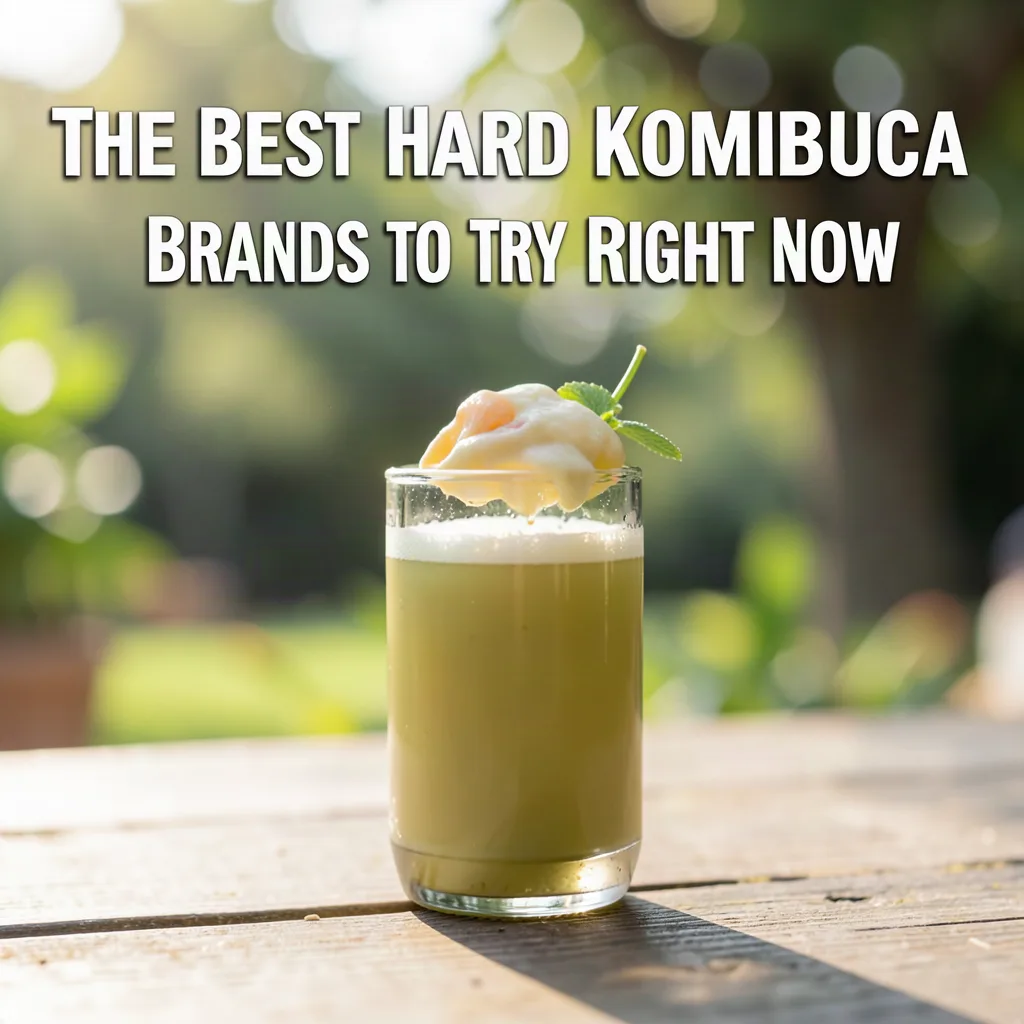
Hard kombucha has moved from niche health‑food aisles to mainstream beverage shelves, offering a fizzy, probiotic‑rich alternative to traditional beer and cider.
Because the category is still young, shoppers often wonder which brands deliver consistent flavor, transparent ingredients, and a clean finish. This guide breaks down the essentials, highlights the most reliable labels on the market today, and gives practical tips for choosing, serving, and enjoying hard kombucha responsibly.
What Is Hard Kombucha?
Hard kombucha is a fermented tea that undergoes a second fermentation with added yeast, raising the alcohol level typically between four and seven percent ABV while preserving live cultures. The base tea, sugar, and SCOBY (symbiotic culture of bacteria and yeast) create a tangy, slightly sweet profile that the extra fermentation rounds out with subtle alcohol warmth.
Unlike standard kombucha, which usually stays below 0.5 percent ABV, hard versions are regulated as alcoholic beverages and must carry proper labeling. The result is a drink that can deliver probiotic benefits, lower calories than many craft beers, and a wide spectrum of fruit, herb, and spice infusions.
How Hard Kombucha Is Made
Production starts with brewing black, green, or white tea and dissolving sugar. The SCOBY ferments the sweet tea for seven to fourteen days, producing organic acids, trace alcohol, and carbonation. For hard kombucha, brewers then introduce a wine or champagne yeast strain and sometimes additional sugar to push the ABV higher.
After the second fermentation, the liquid is filtered, optionally pasteurized, and packaged in cans or bottles. Some brands keep the product raw to retain live cultures, while others opt for a light pasteurization to improve shelf stability. Understanding this process helps you read labels: raw, unpasteurized bottles will list live cultures, whereas pasteurized ones will not.
Key Factors When Choosing a Brand
- Alcohol by volume – Decide whether you prefer a light sessionable sip around four percent or a stronger craft experience near seven percent.
- Ingredient transparency – Look for brands that list tea type, sugar source, yeast strain, and any added flavors or juices.
- Probiotic claim – If live cultures matter, choose raw, unpasteurized options and check for a CFU (colony forming units) count on the label.
- Flavor profile – Brands range from clean, tea‑forward to heavily fruit‑infused. Match the profile to your palate or food pairing plans.
- Packaging – Cans protect from light and are portable; bottles can showcase branding but may be more fragile.
Top Hard Kombucha Brands to Try Now
Below are eight labels that consistently earn high marks from retailers, reviewers, and consumers. Each entry notes ABV range, signature flavors, and where you’ll typically find them.
- Boochcraft – 7% ABV. Core line includes Ginger Lime, Watermelon Mint, and Hopped Grapefruit. Widely distributed in natural‑food chains and larger grocery stores.
- JuneShine – 6% ABV. Known for bright fruit combos like Blood Orange Mint and Acai Berry. Available in many West Coast markets and expanding nationally.
- Kombrewcha – 4.5% ABV. Offers a clean, tea‑forward base with flavors such as Lemongrass Lime and Royal Ginger. Strong presence in the Northeast and Mid‑Atlantic.
- Wild Tonic – 5.6% ABV. Uses a honey‑sweetened base; flavors include Blueberry Basil and Mango Chili. Distributed through specialty beverage distributors.
- Flying Embers – 7% ABV. Emphasizes adaptogenic herbs; standout varieties are Pineapple Chili and Black Cherry. Found in health‑focused retailers and online.
- Hardy Kombucha – 5% ABV. Small‑batch, organic, and raw. Seasonal releases like Cranberry Sage keep the lineup fresh. Mostly sold direct‑to‑consumer and in select co‑ops.
- Luna Bay Booch – 6% ABV. Focuses on low‑sugar, gluten‑free recipes; flavors such as Lavender Lemon and Hibiscus Rose. Growing distribution in the Midwest.
- Remedy Hard Kombucha – 4.5% ABV. Australian brand now in U.S. markets; clean label with flavors like Raspberry Lemonade and Passionfruit. Available in larger liquor stores and online.
Flavor Profiles and Pairings
Hard kombucha’s acidity and effervescence make it a versatile partner for food. Light, citrus‑forward versions complement seafood tacos, ceviche, or a simple green salad. Herb‑infused options such as basil or rosemary pair well with grilled vegetables and goat cheese. Sweeter, fruit‑heavy styles can balance spicy Asian dishes or serve as a dessert accompaniment with dark chocolate.
When hosting a tasting, arrange the lineup from lowest to highest ABV and from most tea‑forward to most fruit‑forward. Provide palate cleansers like sparkling water and plain crackers. Encourage guests to note aroma, mouthfeel, and finish; this turns a casual sip into a learning experience.
Alcohol Content and Serving Tips
Serve hard kombucha chilled, ideally between 38 and 45 degrees Fahrenheit. Over‑chilling can mute the nuanced tea notes, while serving too warm accentuates alcohol heat. Pour into a tulip or wine glass to concentrate aromas; a standard pint glass works for casual settings.
Because the carbonation level varies, open cans gently to avoid overflow. If you prefer a softer fizz, let the drink sit for a minute after opening. For lower‑ABV sessions, consider mixing half hard kombucha with half sparkling water and a squeeze of fresh citrus – this creates a refreshing spritz while keeping probiotic benefits.
Where to Buy and What to Look For on Labels
Major grocery chains, natural‑food stores, and dedicated bottle shops now stock hard kombucha. Online retailers such as Drizly, Instacart, and brand‑direct websites expand access, especially for limited releases. When scanning a label, verify the following:
- ABV clearly stated
- Tea type and sugar source listed
- Yeast strain or “wild fermentation” noted
- Live culture claim with CFU count if raw
- Allergen information – gluten‑free, vegan, nut‑free as needed
- Best‑by date – raw versions have shorter windows
If a label lacks transparency, consider it a red flag. Reputable producers proudly disclose their process because it differentiates them in a crowded market.
Sustainability and Ingredient Transparency
Many hard kombucha makers emphasize organic tea, fair‑trade sugar, and recyclable packaging. Brands like Flying Embers and Hardy Kombucha publish annual sustainability reports detailing water usage, carbon offsets, and waste diversion. Choosing these labels supports a supply chain that values environmental stewardship as much as flavor.
Look for certifications such as USDA Organic, Non‑GMO Project Verified, and B Corp status. While not mandatory, they provide third‑party assurance that the product meets rigorous standards. Additionally, some breweries partner with local farms for fruit sourcing, reducing food miles and strengthening community economies.
Frequently Asked Questions
Is hard kombucha gluten‑free?
Most hard kombuchas are naturally gluten‑free because they are brewed from tea and sugar, not grains. However, always check the label for any added flavorings or malt extracts that could introduce gluten.
Can I drink hard kombucha if I am pregnant?
Hard kombucha contains alcohol, typically four to seven percent ABV, so it is not recommended during pregnancy. Opt for non‑alcoholic kombucha if you want the probiotic benefits without the alcohol.
Does hard kombucha need to be refrigerated?
Raw, unpasteurized hard kombucha should stay refrigerated to keep live cultures stable and prevent over‑carbonation. Pasteurized versions are shelf‑stable until opened, but chilling improves flavor and fizz.
How many calories are in a typical can?
A twelve‑ounce can usually ranges from ninety to one hundred thirty calories, depending on residual sugar and ABV. Brands that emphasize low‑sugar recipes tend to sit at the lower end of this range.
Can I use hard kombucha in cocktails?
Absolutely. Its tangy, effervescent character works well in spritzes, margaritas, or as a substitute for beer in a shandy. Just remember the ABV adds up, so adjust other spirits accordingly.
Related posts:
 QUIZ: We Can Guess Your Favorite Kombucha Flavor Based on Your Gut Feelings
 Reading Kombucha Labels: What You Need to Know
 Why Health-Ade Kombucha Is a Fridge Staple for Wellness Blogger McKel Hill
 Is Kombucha Making Your IBS Worse?
 Top Spiked Seltzer Guide
 Gluten-Free Beauty Guide
 Coconut Cult Just Dropped New Products That Will Revolutionize Your Gut Health
 Portland: America’s Kombucha Capital