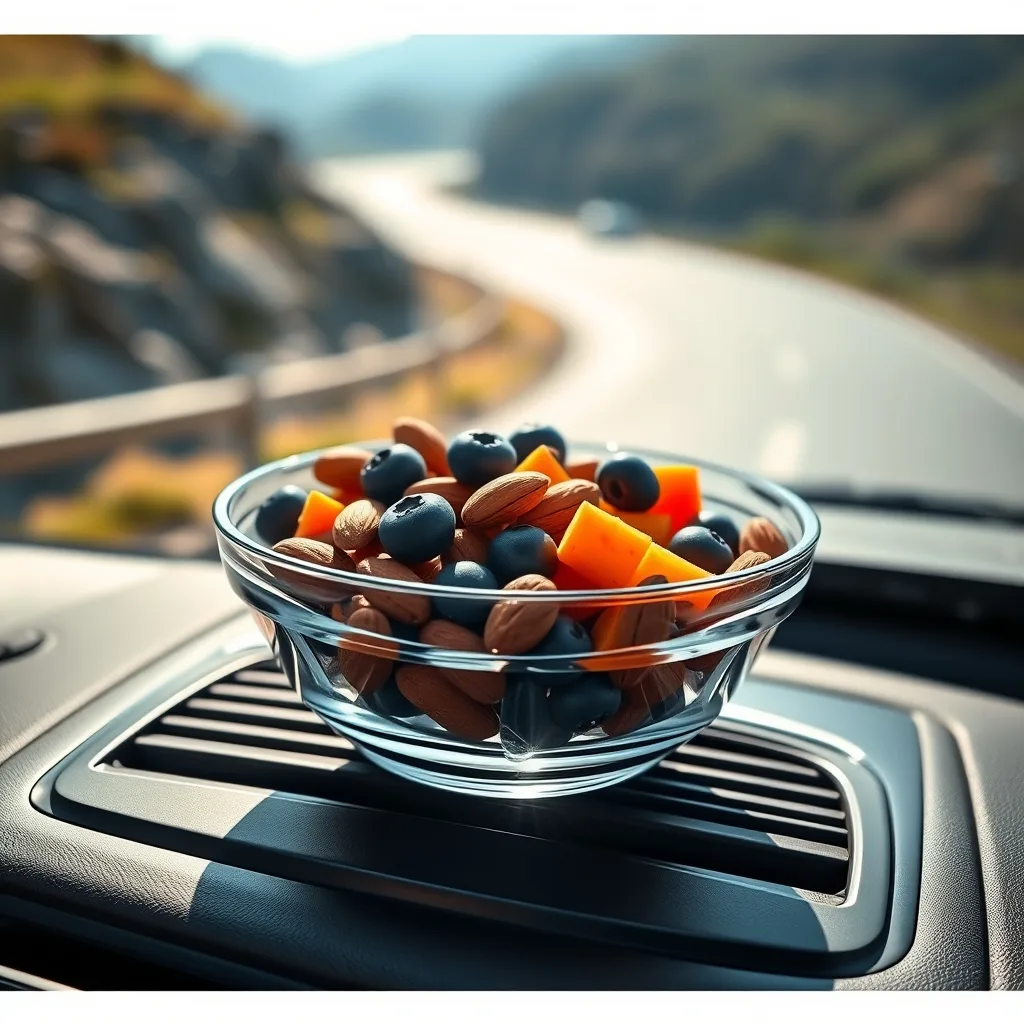
Road trips promise adventure, but the food you bring can make or break the journey. Choosing snacks that fuel energy, keep hunger at bay, and survive a few hours in a warm car is a skill worth mastering. This guide walks you through a practical, nutrition‑focused packing plan so you can enjoy the open road without compromising health.
Key takeaways
- Allocate 150 to 200 calories per person every two hours, balancing carbs, protein, and healthy fats.
- Pack whole fruits or pre-cut vegetables in silicone bags with damp paper towels to maintain crispness.
- Choose low-sodium jerky, roasted chickpeas, and whole-grain crackers with at least 3g of fiber per serving.
- Place ice packs on top of food in a cooler and freeze water bottles to act as ice.
- Discard perishable foods that have been kept above 40°F for more than two hours.
Planning Your Snack Strategy
Start by estimating the length of your drive and the number of passengers. A good rule is to allocate roughly 150 to 200 calories per person for each two‑hour segment. Write a quick list on your phone or a paper notebook, grouping items by macronutrient: carbs for quick fuel, protein for satiety, and healthy fats for sustained energy. Consider dietary restrictions, allergies, and personal preferences before you shop. Having a written plan prevents last‑minute impulse buys at convenience stores, where options are often high in sodium and added sugars. Pack a small cooler or insulated bag for items that need refrigeration, and reserve a dry compartment for shelf‑stable goods. Label each container with the date prepared so you can rotate older snacks first.
Fresh Fruit and Veggie Packs
Whole fruits such as apples, oranges, and bananas travel well because their skins protect the flesh. Pre‑slice firmer produce like carrots, celery, bell peppers, and cucumber into sticks; store them in reusable silicone bags with a damp paper towel to maintain crispness. Grapes and berries hold up if you keep them in a shallow container lined with a paper towel to absorb excess moisture. For a sweet‑savory twist, pair apple slices with a single‑serve packet of almond butter. Avoid pre‑cut fruit cups that sit in syrup; they add unnecessary sugar and can leak. If you have a portable cutting board and knife, you can prep larger melons or pineapple at a rest stop, but pre‑portioning at home saves time and reduces waste.
Protein‑Packed Options
Protein keeps blood sugar stable and curbs the urge to snack on empty calories. Hard‑boiled eggs are a classic choice; peel them before you leave and store in a sealed container with a pinch of salt. Individual packets of roasted chickpeas or edamame provide plant‑based protein and a satisfying crunch. Jerky made from turkey, beef, or salmon offers a lightweight, shelf‑stable option—look for brands with less than 300 mg sodium per serving. Greek yogurt cups can travel in a cooler for up to four hours; choose plain varieties and add your own honey or fresh fruit to control sweetness. For a no‑mess alternative, single‑serve pouches of nut butter (peanut, almond, or sunflower) pair nicely with whole‑grain crackers or rice cakes.
Whole‑Grain and Fiber Choices
Fiber slows digestion, helping you feel full longer. Whole‑grain crackers, popcorn, and rice cakes are lightweight and non‑perishable. Choose crackers with at least 3 g fiber per serving and minimal added oils. Air‑popped popcorn seasoned with nutritional yeast or a dash of smoked paprika delivers a savory snack with about 4 g fiber per three‑cup serving. Granola or muesli clusters can be portioned into zip‑top bags; select versions where the first ingredient is oats and the sugar content is under 6 g per serving. If you prefer a warm option, instant oatmeal packets require only hot water from a thermos—great for early‑morning departures.
Healthy Fats and Nuts
Nuts and seeds supply essential fatty acids, vitamin E, and magnesium. Almonds, walnuts, pistachios, and pumpkin seeds are all excellent travel companions. Portion them into 1‑ounce bags (about a small handful) to avoid mindless overeating. Trail mixes that combine nuts, seeds, dried fruit, and a touch of dark chocolate can be balanced if you control the ratio—aim for a 2:1 nut‑to‑fruit ratio and limit chocolate to a few chips per serving. Single‑serve packets of olives or roasted seaweed snacks add variety and a salty kick without excess saturated fat. Remember that nuts are calorie‑dense; a modest portion delivers lasting energy without weighing you down.
Homemade Snack Bars and Bites
Making your own bars lets you dictate ingredients and avoid preservatives. A simple base of rolled oats, dates, nut butter, and a pinch of salt can be pressed into a pan, chilled, and cut into bars. Add chia seeds, flaxmeal, or hemp hearts for extra omega‑3s. Energy balls formed from the same mixture rolled into bite‑size spheres are easy to grab with one hand. Bake a batch of savory muffins using whole‑wheat flour, grated zucchini, cheese, and herbs; they freeze well and thaw by lunchtime. Store homemade items in parchment‑lined containers to prevent sticking and keep them fresh for up to three days in a cooler.
Hydration and Beverage Pairings
Staying hydrated reduces fatigue and helps regulate appetite. Fill reusable stainless‑steel bottles with water, and add a slice of lemon, cucumber, or a few mint leaves for flavor without sugar. Unsweetened iced tea or cold‑brew coffee can provide a mild caffeine lift; pack them in insulated tumblers to keep temperature stable. Coconut water offers natural electrolytes, but choose brands without added sugar. If you prefer a fizzy option, bring a few cans of sparkling water flavored with essence only. Avoid sodas, energy drinks, and fruit juices high in added sugars—they cause rapid glucose spikes followed by crashes.
Packing Tips for Freshness and Safety
Use a two‑compartment cooler: one for ice packs and perishable items, another for dry snacks. Place ice packs on top of food, not underneath, because cold air sinks. Freeze water bottles the night before; they double as ice packs and become drinkable water as they melt. Keep the cooler in the shade, ideally on the floor behind the front seats where airflow is minimal. Replenish ice at rest stops if the trip exceeds six hours. Store dry goods in airtight containers or resealable bags to protect against humidity and pests. Finally, practice good hand hygiene—carry a travel‑size hand sanitizer and wipe down surfaces before eating.
Frequently Asked Questions
How many snacks should I pack for a four‑hour drive with two adults?
Plan for roughly 300 to 400 calories per person, which translates to about three to four snack portions each. A combination of fruit, nuts, and a protein item usually covers this range.
Can I bring cheese on a road trip without a cooler?
Hard cheeses such as cheddar, gouda, or parmesan tolerate a few hours at room temperature, but soft cheeses need refrigeration. If you lack a cooler, stick to hard varieties and consume them early in the trip.
What are the best low‑sodium snack options?
Fresh vegetables, unsalted nuts, plain popcorn, and homemade bars made without added salt are naturally low in sodium. Check labels on packaged items and aim for less than 140 mg per serving.
How do I keep cut fruit from turning brown?
Toss apple or pear slices in a solution of one tablespoon lemon juice per cup of water before packing. The acid slows oxidation and preserves color and flavor.
Is it safe to eat snacks that have been in a hot car for several hours?
Perishable foods left above 40 °F for more than two hours enter the danger zone for bacterial growth. Use a cooler with ice packs for any item that requires refrigeration, and discard anything that has been unrefrigerated beyond the safe window.
Related posts:
 Outdoor Voices Launches Snack Line for Active Lifestyles
 High-Protein Foods That Pack a Serious Nutritional Punch
 Managing Fiber Intake with IBS
 Fiber for Healthy Aging: Nourishing Your Body as You Grow Older
 Portion vs Serving Size Guide
 Bubble Vegan Snacks Sale Guide
 Healthy Canned Foods Worth Stocking Up On
 How to Reduce Sodium Intake Without Losing Flavor