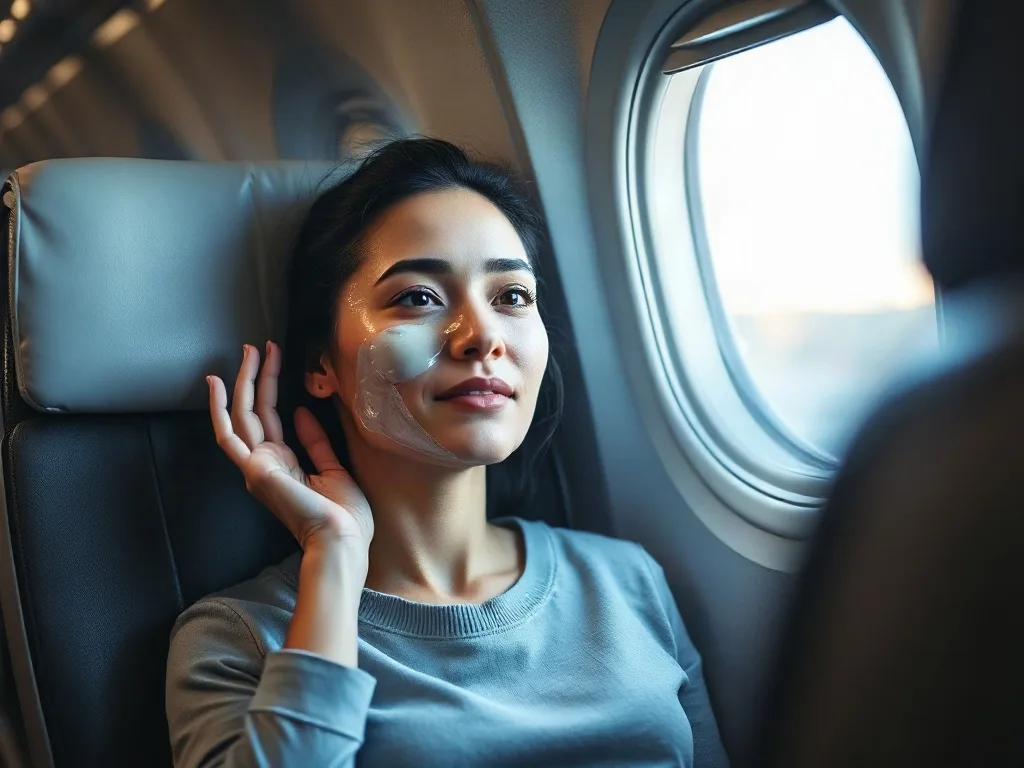
Long‑haul flights can feel like a marathon for your skin. The cabin air is typically low in humidity, the temperature fluctuates, and the pressurised environment can strip moisture from the outer layer of your face. By the time you land, many travelers notice dullness, tightness, or even a fine‑line‑like texture that wasn’t there before. The good news is that a well‑chosen hydrating mask can act as a portable skin‑care oasis, delivering a burst of moisture and protective ingredients exactly when you need it most.
Key takeaways
- Choose travel-sized, no-rinse masks containing hyaluronic acid, glycerin, or panthenol for effective, mess-free hydration.
- Apply masks during calm periods of the flight and use a timer to ensure you avoid overstaying the recommended application time.
- Stick to fragrance-free, non-comedogenic formulas to avoid irritating your skin or neighboring passengers in the confined cabin.
- Maximize hydration by prepping skin with a barrier-supporting moisturizer before boarding and drinking plenty of water during the flight.
Why Your Skin Needs Extra Hydration on a Plane
Airplane cabins are usually kept at 15‑20°C (59‑68°F) and the relative humidity hovers around 10‑20%, compared with the 30‑60% range that is considered comfortable for human skin. This low humidity accelerates transepidermal water loss (TEWL), meaning the skin’s natural barrier can’t retain the moisture it already has. The result is:
- Tight, uncomfortable feeling – especially around the cheeks and jawline.
- Dull, lack‑luster complexion – because dehydrated skin reflects less light.
- Increased sensitivity – dryness can amplify the sting of any existing irritation or sunscreen.
- Potential for premature fine lines – chronic dehydration can weaken the skin’s elasticity over time.
Hydrating masks work by delivering water‑binding ingredients (like hyaluronic acid, glycerin, and botanical extracts) directly onto the skin’s surface, while many also contain occlusive agents that lock that moisture in for several hours.
How to Choose a Mask That Works in the Air
Not every mask is created equal, and the confined space of an aircraft adds a few practical considerations:
- Travel‑size packaging – A 30‑50 ml tube or a single‑use sheet fits easily in a carry‑on and complies with TSA liquids rules.
- Quick‑drying formula – You won’t have time for a 20‑minute mask that needs to be rinsed. Look for “instant‑hydrate” or “no‑rinse” claims.
- Non‑comedogenic and fragrance‑free – Cabin air can circulate scents, so a fragrance‑free mask reduces the risk of irritation for you and nearby passengers.
- Ingredient focus – Prioritise masks that list hyaluronic acid, glycerin, panthenol, or soothing botanical extracts (e.g., aloe vera, cucumber) within the first three ingredients.
- Packaging durability – A sturdy pump or sealed sachet prevents leaks during turbulence.
Top 7 Hydrating Masks for Air Travel (2024)
Below is a curated list of masks that meet the criteria above, along with a brief breakdown of why each one shines for in‑flight use.
1. Dr. Jart+ Cicapair™ Tiger Grass Re.Pair Serum Mask
Key benefits: 5 % tiger grass extract, hyaluronic acid, and a breathable sheet that adheres without slipping.
Why it’s travel‑friendly: Comes in a compact 10‑sheet sachet, each sheet is pre‑soaked and can be left on for 10‑15 minutes (no rinsing needed). The formula is fragrance‑free and designed to calm redness—useful if you’re prone to cabin‑induced flushing.
2. Laneige Water Sleeping Mask – Travel‑Size (15 ml)
Key benefits: Moisture‑Lock™ technology, a blend of berry juice complex, and a light, gel‑cream texture.
Why it’s travel‑friendly: The mini tube fits under a seat pocket, and the mask can be applied before boarding and left on throughout the flight. It’s a “set‑and‑forget” option that continues to hydrate while you sleep or read.
3. First Aid Beauty Ultra Repair Instant Oatmeal Mask
n
Key benefits: Colloidal oatmeal, shea butter, and hyaluronic acid for a soothing, barrier‑supporting experience.
Why it’s travel‑friendly: The 30 ml pump is leak‑proof, and the mask works in 5‑minute intervals—perfect for a quick mid‑flight refresh before a connecting flight.
4. Glow Recipe Watermelon Glow Sleeping Mask – Mini (15 ml)
Key benefits: Watermelon extract, hyaluronic acid, and a lightweight gel that feels like a light serum.
Why it’s travel‑friendly: The mini jar is TSA‑compliant, and the mask’s “no‑rinse” claim means you can apply it right before you settle into your seat and keep it on until you land.
5. Neutrogena Hydro Boost Hydrating Sheet Mask
Key benefits: Hyaluronic acid‑infused sheet, glycerin, and a non‑sticky finish.
Why it’s travel‑friendly: Each sheet is individually sealed, making it easy to stash in a toiletry bag. The mask stays effective for up to 30 minutes, giving you flexibility whether you have a short domestic hop or a longer intercontinental leg.
6. Fresh Rose Face Mask – Travel‑Size (30 ml)
Key benefits: Real rosewater, cucumber extract, and a blend of botanical oils that hydrate without feeling heavy.
Why it’s travel-friendly: The pump tube is sturdy and the formula is designed to be left on for 10‑15 minutes, then gently patted away—no water needed.
7. The Ordinary “Buffet” + Hyaluronic Acid 2% + B5 (Travel‑Size)
Key benefits: A multi‑peptide serum paired with hyaluronic acid and vitamin B5 for deep hydration and a subtle plumping effect.
Why it’s travel‑friendly: The 30 ml bottle can double as a “mask‑in‑a‑bottle.” Apply a generous layer, let it sit for 10‑12 minutes, then smooth the excess into the skin. No rinse required, and the lightweight texture won’t feel greasy in a cramped seat.
How to Apply a Hydrating Mask on a Plane Without Disrupting Others
Even the most discreet mask can become a source of inconvenience if you’re not mindful of cabin etiquette. Follow these steps to keep the experience smooth for you and your neighbours:
- Choose the right moment. Aim for a time when the seatbelt sign is off and the cabin is relatively calm—typically after take‑off or during a long cruising phase.
- Gather your tools. Have a small, soft towel or a few paper napkins ready. If you’re using a sheet mask, a single‑use cotton pad can help remove excess product after the set time.
- Apply sparingly. A pea‑size amount of a cream‑based mask or a single sheet is enough. Over‑application can lead to dripping, which is both messy and potentially irritating to the seat fabric.
- Set a timer. Use your phone’s alarm (set to vibrate) for the recommended duration—usually 5‑15 minutes.
- Seal the deal. After the mask time is up, gently press any remaining product into the skin with the back of your hand. This step locks in moisture without the need for a rinse.
- Dispose responsibly. If you’re using a sheet mask, place it in a resealable bag before discarding it in the lavatory trash. Avoid leaving any residue on the seat or tray table.
Complementary Skincare Steps for Flight‑Ready Hydration
A mask is only one piece of the puzzle. Pair it with these simple practices to maximise hydration throughout the journey:
- Pre‑flight moisturizer. Apply a lightweight, barrier‑supporting cream (containing ceramides or squalane) before you board. This creates a base that helps the mask’s ingredients stay on the surface.
- Hydrating mist. A fine‑mist spray of rose water or a hyaluronic‑acid mist can be used intermittently during the flight to refresh the skin without feeling sticky.
- Stay hydrated internally. Drink at least 2‑3 liters of water over a 10‑hour flight. Hydration from the inside supports the skin’s natural water‑retention mechanisms.
- Limit alcohol and caffeine. Both can act as diuretics, increasing the risk of dehydration. If you do indulge, balance each drink with a glass of water.
- Protect from UV. Even at altitude, UV rays can penetrate the cabin windows. A broad‑spectrum SPF 30 (in a lightweight fluid) applied before the mask can protect against photo‑damage.
DIY Travel‑Friendly Hydration Boost (If You Prefer a Custom Mix)
For those who love a hands‑on approach, a simple, travel‑size DIY mask can be assembled with ingredients that are easy to find in most drugstores. Here’s a recipe that fits in a 30 ml squeeze bottle:
- Ingredients. 1 tsp (5 ml) pure aloe vera gel, 1 tsp (5 ml) glycerin, 1 tsp (5 ml) hyaluronic acid serum (1 % concentration), a few drops of chamomile extract (optional for extra soothing).
- Mix. Combine the ingredients in the bottle, shake gently until uniform.
- Application. Apply a thin layer to clean skin, leave on for 10‑12 minutes, then pat the excess into the skin. No water needed.
- Storage. Keep the bottle in a cool, dark place (your carry‑on’s side pocket works well). The mixture is stable for up to two weeks.
This blend delivers the same core ingredients—glycerin and hyaluronic acid—for water‑binding, while aloe provides a soothing, anti‑inflammatory boost.
What to Avoid When Using Masks on a Plane
Even a well‑chosen mask can backfire if paired with the wrong habits. Keep these pitfalls in mind:
- Heavy, oil‑based masks. They can feel greasy and may transfer onto the seat or neighboring passengers.
- Strong fragrances. Cabin air circulates scents quickly; a strong perfume can trigger sensitivities for you or others.
- Long‑lasting masks that need rinsing. Rinsing in the tiny lavatory sink is impractical and can lead to spills.
- Masks with high alcohol content. They can exacerbate dryness rather than alleviate it.
- Applying immediately after shaving or waxing. The skin is already sensitised; a mask may cause stinging.
Post‑Flight Skin Care Routine to Seal in the Benefits
Once you’ve landed, the cabin environment is behind you, but the skin can still feel the after‑effects of the flight. Follow this three‑step routine to lock in the hydration you’ve just given your face:
- Gentle cleanse. Use a hydrating, sulfate‑free cleanser (e.g., a cream‑based formula) to remove any residual mask product and pollutants from the airport environment.
- Re‑apply a moisturizer. Choose a richer cream that contains ceramides, niacinamide, or squalane. This re‑establishes the barrier that may have been compromised during the flight.
- Finish with a protective serum. A vitamin C serum (under 10 % concentration) can brighten the complexion and provide antioxidant protection against any UV exposure you encounter after exiting the terminal.
Doing this within 30‑60 minutes of landing maximises the skin’s ability to absorb the active ingredients before the day’s environmental stressors take over.
Pre‑Flight Skin Conditioning: Building a Moisture Reservoir
Before you even step onto the tarmac, give your skin a head‑start by creating a micro‑reservoir of hydration that will release slowly throughout the journey. The key is to layer lightweight, humectant‑rich products in a specific order so that each layer can bind water without feeling heavy under a mask.
- Cleanse with a low‑pH, hydrating cleanser. A pH‑balanced gel‑cream (around 5.5) removes overnight residue while leaving the skin’s natural acids intact, which is essential for optimal hyaluronic‑acid function.
- Apply a serum that contains multiple molecular weights of hyaluronic acid. The smaller molecules penetrate deeper, while the larger ones sit on the surface, creating a dual‑action effect that maximises water retention.
- Seal the serum with a lightweight occlusive. Choose a fluid moisturizer that contains squalane or dimethicone. These ingredients form a breathable barrier that slows TEWL, allowing the serum to stay active for longer periods.
- Finish with a thin layer of a barrier‑boosting cream. Products that include ceramides, cholesterol, and fatty acids (the 3‑C trio) reinforce the lipid matrix, which is especially vulnerable in low‑humidity cabins.
Timing matters as well. Apply this routine at least 30 minutes before boarding so each layer can fully absorb. If you have a layover of more than four hours, repeat the same steps in the airport lounge using travel‑size containers; the added reinforcement will keep the skin supple even if the flight stretches beyond 12 hours.
Temperature‑Smart Storage: Keeping Masks Effective in Varying Cabin Conditions
Airplane cabins experience temperature swings—from chilly air‑conditioning during ascent to warm, humid air in the galley when the flight crew prepares meals. These fluctuations can alter the texture and potency of a mask, especially those with volatile botanical extracts or high concentrations of glycerin.
- Insulated pouches. A small, zip‑locked neoprene pouch (the size of a lipstick case) keeps a mask at a stable temperature for up to six hours. Place the pouch in a seat pocket away from direct sunlight or the overhead vent.
- Pre‑conditioned masks. If you travel frequently, consider pre‑soaking sheet masks in a cool, distilled‑water spray and storing them in the insulated pouch. This prevents the mask from becoming overly saturated when the cabin heats up.
- Avoid freezing. During winter flights, the overhead bin can become surprisingly cold. Store masks in the inner pocket of your jacket rather than the bin to keep them from stiffening.
- Condensation control. When the aircraft descends, humidity spikes briefly. A quick pat‑down with a soft paper towel after the mask is removed prevents excess moisture from seeping into your seat cushion.
By treating your mask like a delicate piece of equipment—protecting it from extreme cold, heat, and moisture—you preserve the integrity of actives such as niacinamide, centella asiatica, and peptide complexes, ensuring they perform exactly as the manufacturer intended.
Tailoring Hydration Masks to Specific Skin Concerns on the Plane
Not every traveler has the same skin profile, and a one‑size‑fits‑all mask can leave some issues unattended. Below are three common skin types and the mask attributes that best complement each during air travel.
1. Oily or Acne‑Prone Skin
Look for masks that combine humectants with sebum‑regulating ingredients. A sheet mask infused with witch‑hazel, tea‑tree oil (in a low concentration, <0.5 %), or salicylic acid can hydrate without clogging pores. The key is a non‑occlusive base that absorbs quickly, allowing you to apply a mattifying primer afterward if you need to attend a meeting upon landing.
2. Dry, Mature Skin
Choose masks that pair hyaluronic acid with barrier‑supporting lipids such as ceramides, cholesterol, and fatty acids. Adding a small percentage of peptides (e.g., palmitoyl tripeptide‑5) can stimulate collagen synthesis, which helps counteract the flattening effect of cabin pressure on fine lines. Sheet masks with a slightly thicker, gel‑cream texture are ideal because they stay on the skin longer, delivering a sustained release.
3. Sensitive or Rosacea‑Prone Skin
Fragrance‑free, hypoallergenic formulas that include calming agents like oat extract, bisabolol, or madecassoside are essential. Avoid masks that contain alcohol, essential oils, or high concentrations of acids. A thin, breathable sheet saturated with aloe‑verae gel and a touch of panthenol will soothe flushing that often intensifies at altitude.
For each skin type, keep a small “skin‑type card” in your travel wallet that lists the specific mask you’ve tested and any tolerance notes. This quick reference prevents you from reaching for the wrong product in the cramped aisle.
Integrating Mask Time with In‑Flight Wellness Practices
The minutes you spend letting a mask work can double as a mini‑wellness session, turning a potentially awkward pause into a restorative ritual.
- Guided breathing. Set a timer for 10 minutes and practice diaphragmatic breathing: inhale for four counts, hold for four, exhale for six. This reduces stress‑induced cortisol, which can otherwise exacerbate skin inflammation.
- Neck and shoulder stretches. While the mask sits, perform gentle neck rolls and shoulder shrugs. Improved circulation delivers more oxygen and nutrients to the facial skin, enhancing the mask’s efficacy.
- Mindful visualization. Close your eyes (or keep the mask on) and imagine a wave of moisture flowing from the mask into each cell of your face. This mental focus can heighten the perception of comfort and reduce the urge to fidget.
- Audio accompaniment. Load a short, instrumental playlist or a meditation podcast onto your device. The low‑volume background helps you stay relaxed and prevents you from tapping the mask against the armrest.
By aligning mask application with these low‑impact activities, you avoid drawing attention from fellow passengers while still gaining the full benefit of the product.
Travel‑Friendly Tools that Amplify Mask Benefits
Beyond the mask itself, a handful of compact accessories can boost absorption, reduce mess, and turn the experience into a spa‑like treatment.
- Silicone applicator pads. A 2‑inch silicone disc lets you spread a cream‑based mask evenly without using your fingers, which can become sticky in a cramped seat. The silicone also creates a slight suction effect, encouraging deeper penetration of actives.
- Facial roller (jade or rose quartz). After the mask has set, gently roll the stone over the skin for 30 seconds. The cool surface reduces puffiness, while the micro‑massaging action stimulates lymphatic drainage.
- Cooling eye patches. Place a pair of reusable gel eye patches under the mask. They keep the eye area hydrated and prevent the mask from drying out the delicate skin around the lashes.
- Travel‑size humidifier necklace. Small, battery‑powered misting necklaces release a fine spray of distilled water every 10 minutes. Pair this with a hydrating mask for a continuous moisture boost without violating TSA liquid limits (the device holds no liquid, only a micro‑reservoir).
- Reusable silicone mask bowl. If you prefer a DIY mask, a collapsible silicone bowl fits in a side pocket and prevents the mixture from spilling while you shake the bottle.
All of these tools are TSA‑compliant, lightweight, and can be stored in a dedicated “skin‑care pocket” of your carry‑on.
Post‑Flight Skin Monitoring: How to Track Hydration Recovery
Hydration is not a one‑off event; it’s a continuum that extends days after you touch down. Implementing a simple tracking system helps you understand how effective your in‑flight mask regimen truly is.
- Skin‑journal entries. Within 30 minutes of landing, note the feel of your skin (e.g., “plump, no tightness”), any redness, and the time you applied each product. Use a small notebook or a note‑taking app.
- Digital hydration sensors. Some smart mirrors and handheld devices measure skin capacitance, giving you a numeric hydration score. Record the score before the flight, after mask use, and 24 hours later to see the trend.
- Photographic comparison. Take a quick selfie in natural light before boarding and another after your post‑flight routine. A side‑by‑side view helps you spot subtle dullness or fine‑line improvement.
- Follow‑up routine adjustments. If the post‑flight score drops more than 15 % compared to the pre‑flight baseline, consider adding an extra hyaluronic‑acid serum the next day or extending mask time on the next trip.
By treating each flight as a data point, you can refine your mask selection, timing, and complementary products, turning anecdotal comfort into evidence‑based skin care.
Safety First: Patch Testing, Allergens, and Mask Use for Sensitive Passengers
Air travel compresses many variables—pressure, temperature, air flow—so a mask that feels benign on the ground can become irritating at altitude. Implement a pre‑flight safety protocol to minimise risk.
- 24‑hour patch test. Apply a small amount of the mask on the inner forearm before the trip. If no redness, itching, or swelling appears after 24 hours, the product is likely safe for cabin use.
- Check ingredient lists for common allergens. Avoid masks containing propylene glycol, parabens, or high‑concentration essential oils if you have a known sensitivity.
- Consider a “travel‑only” mask. Formulate a DIY blend using hypoallergenic bases (e.g., distilled water, glycerin, a few drops of chamomile extract). Keep this as a backup in case a commercial mask triggers a reaction.
- Mask use for children and infants. For kids over six years, a fragrance‑free, thin sheet mask with aloe and cucumber is acceptable. For younger children, stick to a simple mist or a light moisturizer; masks can obstruct breathing if the child lies down.
- Men’s travel skin care. Many male travelers skip masks due to perceived “feminine” branding. Emphasise functional benefits—reduced skin tightness, less post‑flight shaving irritation—and choose neutral‑packaged, fragrance‑free formulas.
Finally, keep a small travel‑size emergency kit that includes a hypoallergenic barrier cream and a sterile gauze pad. If a mask causes unexpected irritation, a quick cleanse with micellar water followed by the barrier cream can calm the skin until you reach a full‑service bathroom.
FAQ – Frequently Asked Questions About Hydrating Masks on Airplanes
1. Can I use a sheet mask that requires water to activate?
Most sheet masks are pre‑soaked, so you don’t need additional water. However, if a mask specifically calls for a splash of water, it’s best to avoid it on a flight because the lavatory sink is small and can become slippery.
2. How often should I apply a hydrating mask during a long flight?
For flights longer than 8 hours, you can safely use a mask twice: once after the initial ascent (when the cabin stabilises) and again during the second half of the journey. Space the applications at least 3‑4 hours apart to avoid over‑saturation.
3. Are there any masks that are safe for sensitive skin in the cabin?
Yes. Look for masks labelled “fragrance‑free,” “hypoallergenic,” and those that feature soothing agents such as panthenol, oat extract, or centella asiatica. The Dr. Jart+ Cicapair Tiger Grass mask and First Aid Beauty Ultra Repair mask are two examples that tend to perform well for sensitive skin.
4. Will a hydrating mask interfere with my makeup if I need to look presentable after landing?
Most modern hydrating masks are formulated to be non‑greasy and absorb quickly, leaving a smooth base that actually improves makeup adherence. Apply the mask, allow it to set, then gently press any excess product into the skin before applying foundation or tinted moisturizer.
5. Is it okay to combine a hydrating mask with a retinol product before a flight?
Retinol can increase skin sensitivity, especially in low‑humidity environments. If you use retinol at night, give your skin at least 12 hours before boarding before applying a hydrating mask. If you must use both on the same day, apply retinol first, wait 20‑30 minutes, then follow with the mask to help counteract potential dryness.
Related posts:
 Best Overnight Hydrating Masks
 How to Fly Safely After Lifted Mask Mandate
 Best Hydrating Masks for Air Travel
 Free Sheet Masks at Sephora
 Proper Order of Skincare Application
 The Best Toners for Acne-Prone Skin That Won’t Strip Your Face
 Spring Awakening: The Hydrating Serums Your Winter Skin Is Craving
 The Slow Beauty Movement’s Secret Hydration Recipes