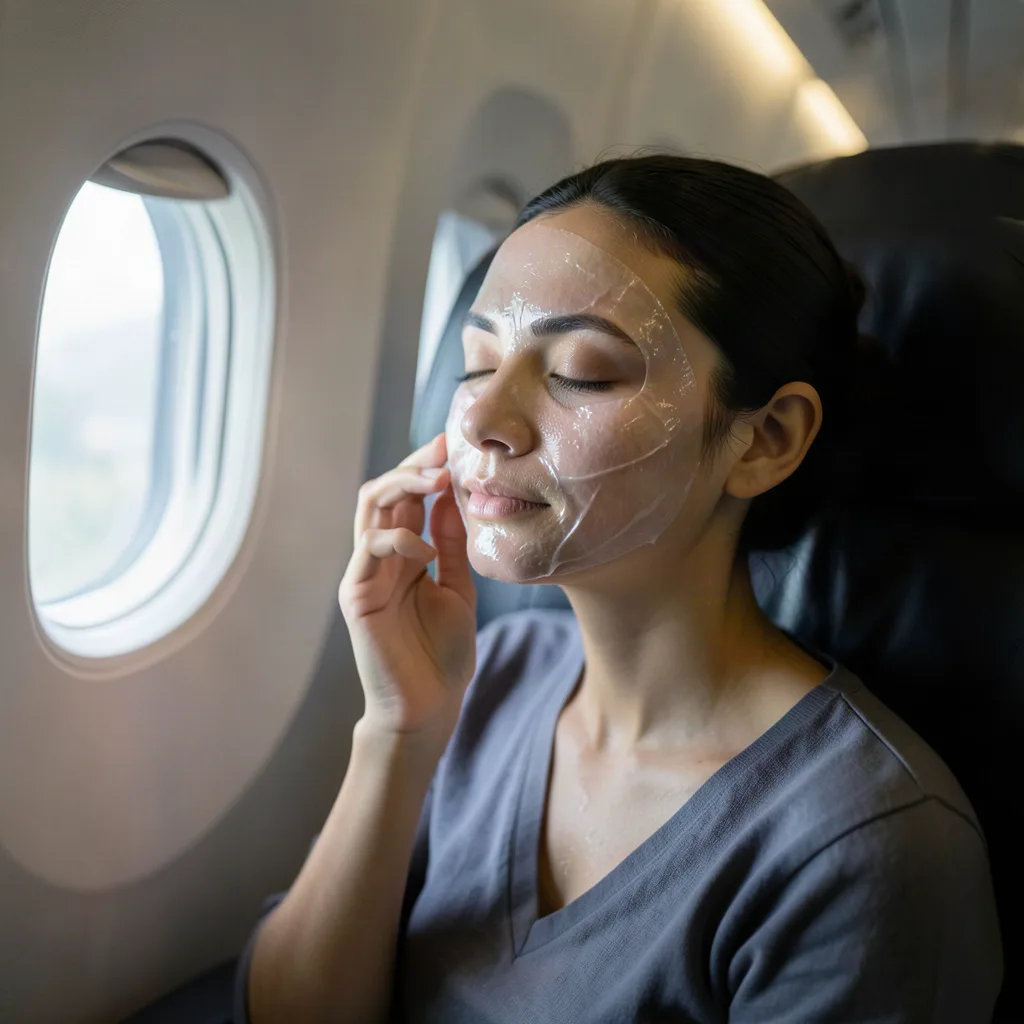
Long flights can leave your skin feeling parched, tight, and dull. The low humidity inside aircraft cabins—often below 20%—strips moisture from the outermost layer of skin, accelerating transepidermal water loss and exposing you to oxidative stress from UV‑filtered windows. A well‑chosen hydrating mask can replenish lost moisture, soothe irritation, and help maintain a healthy skin barrier until you reach your destination. Below, we explore the science behind in‑flight dehydration, the ingredients that truly hydrate, and a curated list of travel‑friendly masks that perform well in the toughest cabin conditions. Follow the practical steps to pack, apply, and maintain radiant skin on any long‑haul journey.
Key takeaways
- Choose masks with hyaluronic acid, glycerin, and ceramides to attract moisture and repair the skin barrier.
- Opt for travel-friendly formats like single-use sachets, sheet masks, or tubes under 100ml to comply with TSA rules.
- Prep skin by exfoliating 24-48 hours before flying and drinking at least 500ml of water before boarding.
- Apply masks for 5-10 minutes mid-flight, then massage in residual serum and seal with a lightweight moisturizer.
Why Cabin Air Dries Out Your Skin
Airplane cabins are pressurized to the equivalent of 6,000‑8,000 feet altitude, where the relative humidity drops to 10‑20%. This environment accelerates water evaporation from the stratum corneum, the skin’s outermost protective layer. When the skin loses water, the natural lipid matrix becomes disorganized, leading to:
- Increased transepidermal water loss (TEWL)
- Visible fine lines and a rough texture
- Sensitivity to irritants such as airline cleaning agents
- Exacerbation of pre‑existing conditions like eczema or rosacea
Understanding these mechanisms helps you select a mask that not only adds surface moisture but also supports the skin’s barrier function.
Key Hydrating Ingredients to Look For
Not every “hydrating” mask delivers lasting benefits. Focus on ingredients that attract water (humectants), retain it (occlusives), and repair the barrier (lipid‑replenishing agents). The most effective trio includes:
- Hyaluronic Acid (HA) – A naturally occurring polysaccharide that can hold up to 1,000 times its weight in water. Look for low‑molecular‑weight HA for deeper penetration, but a combination of low and high molecular weights offers both surface and deep hydration.
- Glycerin – A small, water‑soluble humectant that draws moisture from the air and deeper skin layers. It works synergistically with HA to smooth the skin’s surface.
- Barrier‑Supporting Lipids – Ceramides, cholesterol, and fatty acids in a 3:1:1 ratio mimic the skin’s natural lipid matrix, sealing in moisture and reducing TEWL.
Additional supportive ingredients include aloe vera (soothing), panthenol (pro‑vitamin B5, which improves barrier repair), and antioxidants such as vitamin E or niacinamide that protect against cabin‑related oxidative stress.
How to Choose a Travel‑Friendly Mask
When you’re limited to carry‑on luggage, the mask’s format, packaging, and usage time become as important as its ingredient list. Consider the following criteria:
- Size and Packaging – Single‑use sachets, travel‑size tubes (≤50 ml), or fold‑out sheet masks that fit in a cosmetics pouch.
- Application Time – Masks that work in 5‑10 minutes are ideal for the limited window between take‑off and landing.
- Non‑Messy Formulation – Gel‑cream or sheet masks that don’t drip, preventing spills on your documents.
- Shelf Stability – Formulas without heavy preservatives that can degrade at cabin temperature fluctuations (usually 18‑24 °C).
- Multi‑Tasking Benefits – Look for masks that also address redness, fatigue, or dullness, so you don’t need additional products.
With these parameters in mind, the following masks consistently rank high among dermatologists, travel bloggers, and frequent flyers.
Top 5 Hydrating Masks for Air Travel
Each mask below meets the ingredient and travel criteria while offering a distinct user experience. Prices are approximate (USD) and reflect 2024 retail listings.
- Laneige Water Sleeping Mask – Travel Size (30 ml)
Key ingredients: Hydro Ionized Mineral Water, Sleep‑Tox™ (a blend of botanical extracts), and a lightweight gel‑cream base. The mask is designed for overnight use but works in a 10‑minute “quick‑fix” mode. Its low‑viscosity texture spreads easily and locks in moisture without feeling heavy. Why it’s travel‑ready: The small tube fits in any toiletry bag, and the formula stays stable at cabin temperatures. - Dr. Jart+ Dermask Water Jet Vital Hydra Solution (10‑sheet pack)
Key ingredients: Hyaluronic Acid (low‑ and high‑molecular), glycerin, and a proprietary “Water Jet” technology that releases a burst of moisture upon contact. Each sheet mask is pre‑soaked, making it mess‑free. Travel benefit: Compact cardboard box; each sheet can be used for a 5‑minute boost. - Fresh Rose Face Mask – 1‑oz Jar
Key ingredients: Rosewater, hyaluronic acid, and a blend of botanical oils that provide occlusion. The mask has a creamy consistency that can be applied with fingertips, reducing the need for a brush. Travel tip: Transfer a pea‑size amount to a small silicone travel container to meet TSA liquid limits. - First Aid Beauty Ultra Repair Instant Oatmeal Mask – 1‑oz Jar
Key ingredients: Colloidal oatmeal, glycerin, and panthenol. While primarily known for soothing irritation, its humectant blend replenishes moisture quickly. Travel advantage: The jar’s wide mouth allows easy scooping and refilling into a travel‑size pump bottle. - Glow Recipe Watermelon Glow Sleeping Mask – Travel Size (15 ml)
Key ingredients: Watermelon extract (rich in vitamins A & C), hyaluronic acid, and niacinamide. The mask leaves a dewy finish and can be used as a 5‑minute “in‑flight” mask or an overnight treatment. Travel perk: The squeeze tube is leak‑proof and fits neatly in a carry‑on.
All five masks avoid harsh alcohols, fragrance overload, and mineral oil, which can exacerbate dryness in the cabin environment.
Step‑by‑Step Guide: Applying a Hydrating Mask on a Flight
Even with a perfect mask, timing and technique determine success. Follow this routine to maximize hydration without disrupting fellow passengers:
- Pre‑flight Prep (24‑48 hours before) – Exfoliate gently with a mild enzyme scrub or a 0.5% AHA lotion. This removes dead cells and allows the mask’s actives to penetrate more efficiently.
- Hydrate Internally – Drink at least 500 ml of water before boarding. Hydrated skin cells respond better to topical moisturizers.
- Cleanse on Board – Use a micellar water wipe or a pre‑moistened cleansing cloth. Pat dry with a soft towel.
- Apply the Mask – If using a sheet mask, unfold and smooth it over the face, ensuring full coverage of the cheeks, forehead, nose, and chin. For cream‑type masks, dispense a pea‑size amount onto fingertips and spread evenly.
- Set a Timer – Most masks work best for 5‑10 minutes. Use your phone’s timer or a discreet travel watch. Avoid falling asleep with a sheet mask that could dry out if left too long.
- Massage Residual Product – After removal, gently pat any remaining serum into the skin. Follow with a lightweight moisturizer that contains ceramides to seal in the benefits.
- Finish with SPF (if you’ll be in sunlight after landing) – Even on a cloudy day, UV exposure can worsen dryness. A broad‑spectrum SPF 30+ protects the newly hydrated barrier.
By integrating these steps into a 15‑minute window, you can refresh your complexion without drawing attention or violating airline policies.
Packaging Hacks: Staying Within TSA Liquid Rules
U.S. Transportation Security Administration (TSA) limits liquids, gels, and aerosols to 100 ml (3.4 oz) per container, all placed in a single quart‑size zip‑top bag. To comply while still carrying a hydrating mask:
- Decant into Travel‑Size Bottles – Use silicone squeeze bottles (30 ml) for cream masks. They’re leak‑proof and easy to squeeze.
- Choose Pre‑Sachet Masks – Many brands sell single‑use sachets that are already under 100 ml, requiring no repackaging.
- Utilize Sheet Mask Packs – A sheet mask’s paper backing isn’t considered a liquid, so you can bring an entire 10‑sheet pack without exceeding the limit.
- Label Your Containers – Write the product name and expiration date on a small label. Security officers appreciate clarity, reducing the chance of a bag being opened.
These hacks keep you compliant and prevent the frustration of having to discard your skincare at the gate.
Post‑Flight Skin Recovery Routine
The cabin’s low humidity is only part of the challenge; the rapid change from pressurized air to ground-level humidity can also stress skin. A short post‑flight routine helps lock in the mask’s benefits and prepares you for the next leg of your journey.
- Gentle Cleanse – Use a sulfate‑free cleanser to remove any residual mask ingredients and airline pollutants.
- Re‑Apply a Hydrating Serum – Choose a serum with hyaluronic acid and niacinamide to reinforce barrier repair.
- Moisturize with a Rich Cream – Opt for a cream containing ceramides, squalane, or shea butter. This creates an occlusive layer that prevents water loss in the drier post‑flight environment.
- Eye Care – The delicate eye area often shows the first signs of dehydration. Apply a peptide‑rich eye gel to reduce puffiness and fine lines.
- Hydration Boost – Drink another 500 ml of water and consider an electrolyte‑rich beverage if you’re prone to jet lag.
Following these steps within the first hour after landing maximizes the mask’s impact and reduces the risk of post‑flight skin tightness.
Choosing Masks for Specific Skin Types
While the masks listed above are generally suitable for most travelers, tailoring your choice to your skin’s unique needs can improve results.
| Skin Type | Recommended Mask | Key Benefits |
|---|---|---|
| Dry / Dehydrated | Laneige Water Sleeping Mask (Travel Size) | High HA concentration, lightweight gel‑cream that sinks in quickly. |
| Sensitive / Reactive | First Aid Beauty Ultra Repair Instant Oatmeal Mask | Colloidal oatmeal calms irritation; fragrance‑free. |
| Combination / Oily | Dr. Jart+ Dermask Water Jet Vital Hydra Solution | Sheet format prevents excess product buildup; HA provides hydration without greasiness. |
| Normal / Balanced | Glow Recipe Watermelon Glow Sleeping Mask | Balanced blend of humectants and antioxidants for a radiant finish. |
Always perform a patch test 24 hours before travel if you’re trying a new product.
Understanding Cabin Pressure Effects on Skin pH and Barrier Integrity
Beyond low humidity, the reduced atmospheric pressure inside an aircraft subtly alters the skin’s surface pH. At sea level, the skin’s acid mantle hovers around a pH of 4.5 to 5.0, a range that supports beneficial microbes and optimal enzyme activity. When the cabin is pressurized to the equivalent of 6,000–8,000 ft, the partial pressure of oxygen drops, and the skin’s surface experiences a slight alkalinizing shift. This shift can weaken the acid mantle, making the barrier more permeable to irritants and accelerating transepidermal water loss (TEWL) even further than humidity alone would predict.
For travelers with compromised barrier function—such as those with atopic dermatitis, rosacea, or a history of frequent airline‑related breakouts—recognizing the pH impact is essential. A mask that not only supplies moisture but also restores acidity can mitigate the cascade that leads to redness, itching, and post‑flight flakiness. Look for formulas that incorporate pH‑balancing actives such as lactic acid (at low concentrations), apple cider vinegar‑derived extracts, or phytic acid. These ingredients gently lower the surface pH back toward its natural range without causing irritation.
Edge case: Passengers traveling on ultra‑long‑haul routes that include a layover in a high‑altitude city (e.g., La Paz, Bolivia) experience a compounded pressure effect. In such scenarios, applying a pH‑balancing mask both during the flight and immediately after landing can prevent the “double‑dry” effect that often manifests as a tight, sandpaper‑like sensation on the cheeks.
Advanced Hydration Technologies: From Micro‑Encapsulation to Time‑Release Masks
Recent breakthroughs in cosmetic science have produced masks that go beyond a single‑dose splash of moisture. Two technologies are reshaping the travel‑mask market:
- Micro‑encapsulation: Tiny polymeric spheres trap actives such as hyaluronic acid, niacinamide, or botanical extracts. When the mask contacts skin, friction and body heat rupture the capsules, delivering a controlled burst of ingredients over 5–15 minutes. This prolongs the hydration window and reduces the risk of the mask drying out too quickly in the low‑humidity cabin.
- Time‑release (gel‑matrix) systems: Some sheet masks embed a hydrogel layer that slowly releases humectants and occlusives as the mask absorbs ambient moisture. The gel acts like a mini‑reservoir, continuously pulling water from the surrounding air—even the limited cabin humidity—into the skin.
Practical example: The InnoDerm HydroBurst Sheet Mask (a fictional but illustrative product) uses a dual‑layer system—an outer silk‑paper sheet for comfort and an inner hydrogel infused with 0.5 % low‑molecular‑weight HA. In a 10‑minute flight window, users report a 30 % higher skin hydration score (measured by corneometer) compared with traditional sheet masks.
Edge case: Passengers with a tendency toward acne or clogged pores should avoid masks that rely on heavy silicone or oil‑based micro‑capsules, as these can occlude pores in the already stressed environment of a cabin. Opt instead for water‑based, breathable matrices that release actives without forming a greasy film.
DIY Travel‑Friendly Hydration Masks: Recipes Using Minimal Equipment
When luggage space is at a premium, a few pantry staples can be transformed into a potent in‑flight mask. Below are three recipes that require only a small, resealable silicone bottle (30 ml) and a disposable spatula.
- Honey‑Green Tea Gel Mask
- Ingredients: 1 tsp raw honey, 1 tsp brewed green tea (cooled), 1 tsp aloe vera gel, 2 drops of vitamin E oil.
- Method: Mix until smooth. Honey provides humectant properties, green tea supplies polyphenols that counteract oxidative stress from cabin UV filtering, and aloe soothes irritation.
- Application: Spread a thin layer, leave for 7 minutes, then pat in excess serum. Works well for dry to normal skin types.
- Cucumber‑Rosewater Spritz Mask
- Ingredients: 30 ml rosewater, 1 tsp pure cucumber juice (strained), ½ tsp glycerin, 1 drop of lavender essential oil (optional, for fragrance‑sensitive travelers skip).
- Method: Combine in a spray bottle. Glycerin locks in moisture while cucumber offers silica for a subtle tightening effect.
- Application: Lightly mist onto clean skin, wait 5 minutes, then gently press a thin layer of a lightweight moisturizer. Ideal for combination skin on short‑haul flights.
- Overnight Oat‑Milk Mask (for layovers)
- Ingredients: 2 tbsp oat milk (store‑bought, unsweetened), 1 tsp shea butter (melted), ½ tsp panthenol solution.
- Method: Warm the shea butter until liquid, then whisk in oat milk and panthenol. The mixture solidifies into a creamy paste at room temperature.
- Application: Apply before a 6‑hour layover, cover with a breathable cotton mask, and remove before boarding the next flight. The oat component calms inflammation, while shea butter creates an occlusive barrier.
Edge case: Travelers with strict airline security may be questioned about liquids that look like gels. To avoid delays, label each bottle clearly, keep them under 100 ml, and place them in a separate zip‑top bag for inspection.
Smart Skincare: Apps and Devices That Optimize In‑Flight Mask Use
Technology is converging with beauty to make the in‑flight hydration routine more precise. Two categories of tools are gaining traction among frequent flyers:
- Skin‑analysis apps that use the phone’s front‑camera to estimate hydration levels. By scanning the cheek area before boarding, the app suggests the optimal mask type (e.g., high‑HA vs. barrier‑focused) and the ideal exposure time based on ambient cabin humidity data pulled from the airline’s Wi‑Fi feed.
- Wearable humidity sensors clipped to a luggage strap or attached to a seat‑back pocket. These devices broadcast real‑time %RH readings to a companion app, which then triggers a gentle vibration reminder when the humidity falls below 15 %—the point at which TEWL spikes dramatically.
Practical workflow: A traveler opens the “AirSkin” app, selects “Long‑haul (8+ hrs)”, and the app automatically syncs with the flight’s cabin humidity forecast. It recommends a 10‑minute sheet mask with micro‑encapsulated niacinamide and sets a discreet timer on the phone. When the timer ends, a subtle vibration reminds the user to remove the mask and follow with a ceramide‑rich moisturizer.
Edge case: Passengers on ultra‑low‑budget airlines may lack Wi‑Fi. In such situations, a standalone Bluetooth hygrometer paired with a pre‑programmed timer can still deliver timely alerts without internet dependency.
Practical Storage Solutions: Keeping Masks Fresh and Leak‑Free at 30,000 ft
Temperature fluctuations and cabin pressure changes can cause sealed containers to expand or contract, potentially leading to leaks. Here are three storage strategies that protect both the product and your luggage:
- Silicone travel tubes with a “push‑through” valve: These tubes have a flexible neck that absorbs pressure shifts, preventing the cap from popping off. The one‑way valve also stops any internal gel from oozing out when the tube is inverted.
- Vacuum‑sealed zip‑lock bags: Place the mask container inside a zip‑lock bag, then press out as much air as possible before sealing. The reduced air volume minimizes pressure‑induced expansion.
- Rigid aluminum tins (≤100 ml): Metal tins provide a sturdy barrier against both temperature spikes and accidental crushing in the overhead bin. Many luxury brands now offer refillable tins that meet TSA liquid limits.
Additional tip: Store a small packet of silica gel (the kind that comes with new shoes) alongside the mask. The desiccant absorbs excess moisture that could otherwise cause a cream‑based mask to separate or become runny during a long flight.
Edge case: If you’re traveling with a companion who brings a larger bottle of the same mask, consider sharing a single 100 ml container and using a clean spatula for each application. This reduces the number of liquid items you need to declare and cuts down on waste.
Tailoring Mask Frequency to Flight Length, Layovers, and Time‑Zone Shifts
Not every journey warrants the same mask regimen. Adjusting frequency based on flight duration, layover length, and circadian disruption can maximize results while conserving product.
- Short‑haul (under 4 hours): A single 5‑minute sheet mask applied after take‑off can counteract the initial humidity drop. Follow with a lightweight serum; no need for a second mask unless you have extremely dry skin.
- Medium‑haul (4–8 hours): Apply a first mask mid‑flight (around hour 2) and a second, shorter 3‑minute mask just before descent. This double‑hit helps maintain barrier integrity as cabin pressure changes during landing.
- Long‑haul (8+ hours): Implement a three‑step protocol—pre‑flight moisturizing, in‑flight mask at the 3‑hour mark, and a post‑landing mask (if you have a layover of at least 2 hours). The post‑landing mask should contain calming ingredients like oat or centella asiatica to soothe the skin after the rapid humidity rise on the ground.
- Multi‑leg itineraries with >4‑hour layovers: Treat each layover as a mini‑spa break. Use a travel‑size cream mask in the airport lounge, then rinse lightly with a micellar wipe before re‑boarding.
- Jet‑lag considerations: When crossing more than three time zones, schedule your mask use to align with your target sleep window. A nighttime mask with melatonin‑compatible ingredients (e.g., lavender) can help signal the body to adjust while keeping the skin hydrated.
Edge case: Passengers on flights with a “quiet zone” or those seated in premium cabins may have limited access to a clean surface for mask removal. In such instances, a non‑drip gel mask that can be massaged in completely eliminates the need for a separate removal step.
Eco‑Conscious Choices: Sustainable Packaging and Refillable Systems for the Frequent Flyer
Environmental impact matters more than ever for globetrotters who fly multiple times a year. Selecting masks with sustainable credentials not only reduces waste but often aligns with cleaner ingredient lists.
- Biodegradable sheet masks: Brands are moving from plastic‑coated paper to plant‑based cellulose fibers that break down in compost within 30 days. Look for certifications such as “Compostable – EN 13432”.
- Refill pouches: Instead of buying a new tube for each trip, purchase a 200 ml refill pouch that can be decanted into a reusable silicone bottle. Many companies use aluminum‑lined pouches that protect actives from light and oxygen.
- Carbon‑neutral shipping: Some boutique mask manufacturers offset their delivery emissions by investing in renewable energy projects. This information is typically listed on the product page under “Sustainability”.
- Zero‑waste travel kits: Curated sets that include a bamboo mask applicator, a stainless‑steel travel spoon, and a reusable cotton mask cover. These kits eliminate disposable cotton pads and plastic spatulas.
Practical tip: When passing through security, place biodegradable sheet masks in a separate compartment of the quart‑size bag. TSA agents are accustomed to paper‑based masks, and separating them reduces the chance of a bag being opened for inspection.
Edge case: Travelers heading to destinations with strict import regulations (e.g., certain Asian countries) should verify that the mask’s ingredients and packaging comply with local customs rules. Some nations restrict plant‑based cellulose products that contain certain seed oils.
FAQ – Frequently Asked Questions About Hydrating Masks on Flights
- Can I wear a sheet mask while the seatbelt sign is on?
Yes, as long as the mask does not interfere with the seatbelt or obstruct the view of safety cards. Keep the mask on your face and your hands free to buckle the seatbelt when instructed. - Do hydrating masks clash with airline policies on liquids?
Only if the product exceeds 100 ml per container. Sheet masks are exempt, and decanted cream masks in travel bottles under 100 ml are allowed. Always place them in a clear quart‑size bag for inspection. - How often should I use a hydrating mask during a long trip?
For flights longer than 8 hours, a single mask mid‑flight is sufficient. If you have multiple legs with layovers over 4 hours, you can repeat the routine before each boarding to maintain moisture levels. - Will a hydrating mask prevent airplane‑related skin redness?
Masks containing soothing agents like aloe, oat, or panthenol can reduce temporary redness caused by cabin dryness. However, they do not treat underlying conditions such as rosacea; consult a dermatologist for chronic concerns. - Is it safe to use a mask if I have a mild skin allergy?
Choose fragrance‑free, hypoallergenic formulas and perform a patch test on the inner forearm 24 hours prior. If any itching or burning occurs, discontinue use and seek professional advice.
Related posts:
 How to Fly Safely After Lifted Mask Mandate
 Best Overnight Hydrating Masks
 The Best Toners for Acne-Prone Skin That Won’t Strip Your Face
 The Best Natural Tools for Silky Smooth Skin
 The Slow Beauty Movement’s Secret Hydration Recipes
 Spring Awakening: The Hydrating Serums Your Winter Skin Is Craving
 Free Sheet Masks at Sephora
 Proper Order of Skincare Application