
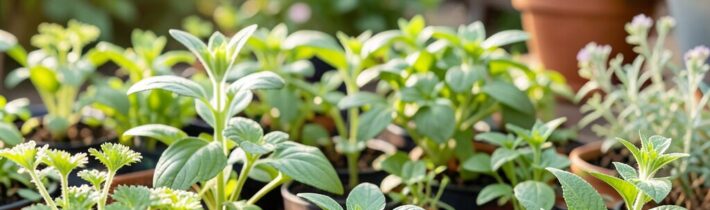
Cultivating an indoor herb garden is one of the most rewarding ways to bring nature into your home while elevating your culinary repertoire. Whether you have a sprawling kitchen counter or a compact apartment windowsill, modern herb garden kits have removed the guesswork from gardening, allowing you to harvest fresh basil, cilantro, mint, and thyme regardless of the season or your level of green-thumb expertise.
Understanding Your Lighting Needs
The success of any indoor herb garden hinges primarily on light. Most culinary herbs, such as rosemary, thyme, and oregano, require at least six to eight hours of direct sunlight daily. If your home lacks a south-facing window with consistent exposure, you will struggle to grow healthy plants without supplemental lighting. Many of the best indoor herb kits come equipped with integrated LED grow lights. These systems provide the specific light spectrum required for photosynthesis, ensuring that your herbs don’t become “leggy” or weak. When selecting a kit, consider the intensity and the height adjustability of the light hood; as your plants grow, you must be able to raise the light to prevent burning the delicate leaves.
Hydroponic Systems vs. Soil-Based Kits
Indoor gardening is generally divided into two camps: hydroponic systems and soil-based containers. Hydroponic kits, which use water and nutrient solutions instead of soil, are often the cleanest and fastest-growing options. These systems, like those offered by AeroGarden or Click and Grow, automate the watering and lighting process, making them perfect for busy professionals. Soil-based kits, on the other hand, offer a more traditional gardening experience. They are often more affordable and provide the natural complexity of soil biology, which some gardeners believe leads to a more robust flavor profile in herbs like basil and parsley. Choose hydroponics if you want a “set-it-and-forget-it” experience, and opt for soil if you enjoy the hands-on ritual of tending to plants.
Selecting the Right Herbs for Beginners
If you are new to indoor gardening, it is wise to start with hardy, fast-growing varieties. Basil is the gold standard for indoor kits because it germinates quickly and produces a high yield. Mint is another excellent choice, though it should be kept in its own container as it tends to be invasive and can crowd out other plants. Chives and parsley are also exceptionally forgiving for beginners. Avoid starting with woody, slow-growing herbs like rosemary or lavender until you have mastered the basics of your specific system, as these plants require very precise moisture levels and can be sensitive to the fluctuations of indoor environments.
Managing Water and Nutrient Levels
Overwatering is the single most common cause of failure in indoor herb gardening. In a soil-based system, always check the moisture level by inserting your finger about an inch into the soil before adding more water. If it feels damp, wait. In hydroponic systems, the reservoir will alert you when it is time to refill, but it is essential to follow the manufacturer’s instructions regarding nutrient concentration. Adding too much fertilizer can lead to “nutrient burn,” characterized by brown, crispy leaf edges. Consistency is key; keep your nutrient schedule on a calendar to ensure your herbs receive the steady nourishment they need to thrive.
The Importance of Air Circulation
Indoor environments often lack the natural breezes that outdoor plants rely on to strengthen their stems and prevent fungal diseases. Stagnant air can lead to problems like powdery mildew or aphid infestations. To combat this, place your herb garden in an area with good airflow, such as a kitchen or a living room with an overhead fan. If you are using a closed system, ensure that the leaves have enough space between them to allow for proper ventilation. If you notice your herbs drooping or developing spots, try gently shaking the plants occasionally to simulate wind, which encourages the development of stronger stems.
Harvesting Techniques for Maximum Growth
Many beginners make the mistake of harvesting herbs from the top, which can stunt the plant’s growth. The secret to a long-lasting indoor garden is pruning from the top down. When you harvest basil, for example, cut just above a leaf node—the point where two small leaves sprout from the main stem. This forces the plant to branch out, creating a bushier, more productive herb rather than a single, tall, spindly stalk. Never harvest more than one-third of the plant at any given time, as the plant needs its remaining foliage to continue producing energy through photosynthesis.
Troubleshooting Common Indoor Pests
Even indoors, pests can find their way into your garden. Fungus gnats are the most common nuisance, often arriving in potting soil or attracted to damp surfaces. To prevent them, allow the top layer of soil to dry out between waterings and use sticky traps near your pots to catch adults. If you notice tiny, sticky webs or white spots, you may have spider mites or aphids. A gentle wipe-down of the leaves with a mixture of water and a few drops of mild castile soap is usually sufficient to handle minor infestations. Always inspect your plants weekly so you can address issues before they spread to your entire garden.
Seasonal Adjustments for Indoor Gardens
Your indoor garden will experience subtle shifts throughout the year, even inside a climate-controlled home. In the winter, the air is typically much drier due to heating systems, which can stress your herbs. Consider using a small humidifier nearby or misting your plants to maintain a comfortable ambient humidity. Conversely, during the summer, ensure your indoor garden isn’t sitting directly in the path of an air conditioning vent, as cold drafts can shock tropical-leaning herbs like basil. By observing these environmental changes and making minor adjustments to your care routine, you can ensure your herbs remain vibrant and flavorful year-round.
Optimizing Root Zone Health for Longevity
While foliage growth is what you see, the true vitality of your indoor herb garden resides in the root zone. In soil-based containers, root health is often compromised by compaction, which suffocates the plant and hinders nutrient uptake. To prevent this, use a high-quality, airy potting mix specifically formulated for indoor containers—avoid garden soil, which is too dense and prone to harboring pathogens. Incorporating perlite or vermiculite into your soil mix can improve aeration and drainage, ensuring that roots receive adequate oxygen. In hydroponic setups, root rot is the primary adversary, typically identified by brown, slimy, or foul-smelling roots. Prevent this by ensuring that your water reservoir remains cool and well-oxygenated. If you aren’t using an air stone or a pump, consider refreshing the water slightly more often to introduce dissolved oxygen, which is critical for preventing the anaerobic conditions where root-rotting bacteria thrive.
The Critical Role of pH Balancing
Most culinary herbs prefer a slightly acidic to neutral pH range, typically between 6.0 and 7.0. When the pH of your water or soil drifts outside this range, the plant becomes unable to absorb specific nutrients, even if they are present in abundance. This phenomenon, known as nutrient lockout, often manifests as localized chlorosis—yellowing between leaf veins—or stunted growth. For hydroponic gardeners, a simple pH testing kit is a non-negotiable tool. If your water source is highly alkaline, a few drops of a pH-down solution can bring your nutrient solution into the optimal range. In soil kits, the organic matter acts as a natural buffer, but over time, accumulated mineral salts from fertilizers can shift the pH. Periodic flushing of your pots with distilled or filtered water can help reset the chemical balance and wash away excess salt buildup.
Strategic Companion Planting in Shared Containers
If you are utilizing a large, single-vessel container rather than individual pods, you must be intentional about which herbs share the space. This is the concept of companion planting, where you group species with similar water and light requirements. For instance, Mediterranean herbs like rosemary and thyme are “drought-tolerant” and prefer drier soil; pairing them with moisture-loving cilantro or parsley is a recipe for disaster. Instead, group your “wet” herbs (basil, cilantro, parsley, chives) in one container and your “dry” herbs (rosemary, thyme, oregano, sage) in another. Furthermore, consider the growth habit of your herbs. Fast-growing, aggressive plants like mint or lemon balm should ideally be grown in standalone containers, as their rhizomatous root systems will quickly colonize the entire pot, choking out the root space of slower-growing neighbors.
Managing Light Cycles with Smart Automation
Beyond simply providing enough light, the duration and timing of that light are crucial for mimicking natural cycles. While many kits include basic timers, you can take your garden to the next level by using a smart plug to manage your grow lights. This allows you to simulate sunrise and sunset, preventing the jarring shock of lights abruptly turning on or off. Furthermore, if you are growing herbs for culinary use, you may want to adjust the photoperiod based on the plant’s needs. For example, giving basil a slightly longer light cycle (14–16 hours) can encourage faster vegetative growth, while reducing the light cycle for plants that are prone to flowering can sometimes help delay the onset of bolting. Always ensure your light source is on a consistent schedule; herbs are highly sensitive to photoperiod changes, and erratic lighting can stress the plant and trigger premature seed production.
The Art of Micro-Pruning for Flavor Intensity
The flavor profile of an herb is concentrated in its essential oils, which are often produced in higher quantities when the plant is under mild, controlled stress. Beyond standard harvesting, “micro-pruning” involves removing the oldest, lowest leaves of a plant to improve airflow at the base and redirect energy to the newer, more flavorful growth at the crown. This technique is particularly effective for large-leafed herbs like basil or sage. By selectively removing the bottom-most leaves, you not only harvest the largest (and often most potent) foliage but also create a clearance gap between the soil and the plant canopy. This gap significantly reduces the risk of fungal spores splashing onto leaves during watering—a common cause of leaf spot diseases in indoor environments. Always use clean, sharp scissors for these cuts to avoid crushing the stem tissue, which can create entry points for bacteria.
Overcoming the Winter “Dormancy” Trap
Many indoor gardeners report that their plants seem to “stop” growing or become sluggish during the winter months. This is rarely a sign of death; rather, it is a response to the reduced ambient light and lower temperatures. During this period, your herbs enter a state of semi-dormancy. The most common mistake gardeners make is continuing to fertilize at summer-time rates, which leads to toxic salt accumulation in the soil or nutrient solution. Instead, reduce your feeding frequency by half during the winter. Additionally, since the plant’s metabolic rate has slowed, its water consumption will drop significantly. Adjust your irrigation schedule to account for this; a plant that required water every two days in July might only need it once a week in January. By respecting the natural rhythm of the seasons, you prevent root rot and ensure that your plants are ready to surge with vigorous growth when the days begin to lengthen in early spring.
Advanced Propagation for a Perpetual Harvest
To keep your indoor garden truly “year-round,” you should move beyond seeds and master the art of propagation. Many herbs, especially woody ones like rosemary and soft-stemmed ones like basil or mint, can be easily propagated from cuttings. Simply snip a 4-inch piece of a healthy, non-flowering stem, remove the lower leaves, and place the cutting in a glass of water on a bright windowsill. Once the roots are about an inch long, you can transplant the cutting into your soil or hydroponic system. This method allows you to clone your favorite, most vigorous plants, ensuring you always have a replacement ready when an older plant reaches the end of its productive life cycle. Propagation is also a great way to share your garden with friends or expand your setup without the cost of new seed kits, providing a sustainable and cost-effective way to keep your indoor garden lush and productive indefinitely.
Frequently Asked Questions
Q: How often should I change the water in my hydroponic kit? A: Most modern hydroponic kits only require you to top off the water reservoir weekly. You should perform a full water change and clean the reservoir every 4 to 6 weeks to prevent mineral buildup and ensure the nutrient solution remains effective.
Q: Can I grow herbs in a window without a grow light? A: Yes, provided you have a south-facing window that receives at least 6 hours of direct, unfiltered sunlight. If your window faces north or is blocked by trees or buildings, you will almost certainly need an artificial grow light to prevent the herbs from becoming weak.
Q: Why are my herbs turning yellow? A: Yellowing leaves usually indicate either overwatering or a nutrient deficiency. Check the soil moisture first. If the soil is soggy, let it dry out. If the soil is dry and you haven’t fertilized in a few weeks, your plants likely need a boost of nutrients.
Q: Can I transplant store-bought herb plants into my kit? A: While you can move store-bought herbs into larger pots, it is generally not recommended to put them into hydroponic kits. These kits are designed for specific seed pods that are free of soil-borne diseases and pests that might be hiding in the roots of nursery-bought plants.
Q: How do I keep my herbs from flowering? A: Flowering, or “bolting,” is a natural stage in an herb’s life cycle that often changes the flavor of the leaves, making them taste bitter. To prevent this, harvest frequently and pinch off any flower buds as soon as you see them forming. This redirects the plant’s energy back into leaf production.
Related posts:
 Holy Basil: Nature’s Stress Fighter
 Madonna’s Basil Bath Secret
 The Best Herbs to Grow Indoors for Fall and Winter
 Indoor Flowering Plants
 Here’s How To Dry Fresh Basil
 How to Create an Indoor Herb Garden for Fresh Flavors Year-Round
 Creative Indoor Gardening
 Indoor Greenery: Bringing Nature into Your Home