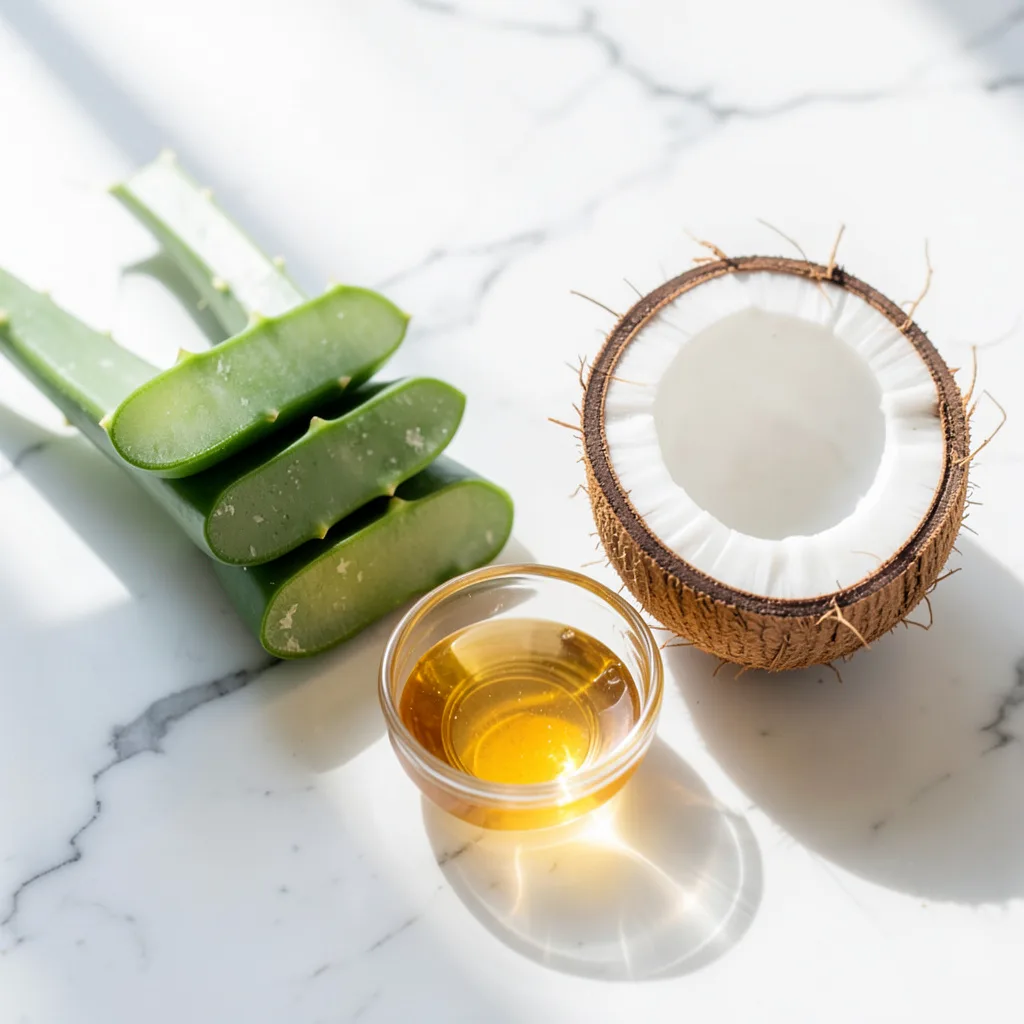
There is a particular kind of frustration that comes with dry skin. It begins as a subtle tightness after a shower, progresses to a persistent itch, and can eventually lead to flaky patches or painful cracks. Whether it is triggered by the biting cold of winter, the drying effects of air conditioning, or the natural changes that come with aging, dry skin—clinically known as xerosis—can affect not just your appearance, but your overall comfort and confidence. While the pharmacy aisles are filled with synthetic creams and lotions, many people are turning back to nature’s pharmacy to find relief.
Key takeaways
- Combine humectants to hydrate, emollients to soften, and occlusives to seal in moisture effectively.
- Apply humectants like aloe vera or honey to damp skin to maximize their water-attracting properties.
- Use shea butter for deep softening and beeswax or coconut oil to create a protective moisture barrier.
- Relieve itching and inflammation with soothing agents such as colloidal oatmeal, chamomile, or calendula.
- Support skin health by using lukewarm water, humidifiers, and eating foods rich in Omega-3 fatty acids.
The secret to effectively soothing dry skin lies in understanding that “moisturizing” is not a single action, but a three-part process involving hydration, softening, and sealing. To truly heal the skin barrier, you need a combination of humectants, emollients, and occlusives. By utilizing natural ingredients that fulfill these specific roles, you can restore your skin’s elasticity, calm inflammation, and create a resilient shield against the elements. This guide explores the most potent natural ingredients for dry skin, the science behind why they work, and how to integrate them into a compassionate self-care ritual.
The Science of the Skin Barrier and Dryness
Before diving into the ingredients, it is essential to understand why skin becomes dry. Your skin’s outermost layer, the stratum corneum, acts as a brick-and-mortar structure. The “bricks” are your skin cells (corneocytes), and the “mortar” is a complex mixture of lipids, including ceramides, cholesterol, and fatty acids. When this lipid barrier is compromised, your skin suffers from Transepidermal Water Loss (TEWL), where moisture evaporates from the deeper layers of the skin into the air.
Dry skin occurs when the skin cannot produce enough of these natural oils or when external factors strip them away. When the barrier is “leaky,” irritants can enter more easily, leading to the redness and itching often associated with dryness. Natural ingredients work by either mimicking these lost lipids, drawing water back into the cells, or creating a physical barrier to stop evaporation. The goal is not just to add oil to the surface, but to support the skin’s biological ability to retain its own hydration.
Humectants: Nature’s Moisture Magnets
Humectants are ingredients that attract water. They work by pulling moisture from the air—or from the deeper dermis—into the epidermis. For those with dry skin, humectants provide the essential “hydration” phase of skincare.
- Aloe Vera: Perhaps the most famous soothing agent, aloe vera is rich in mucopolysaccharides, which help bind moisture to the skin. It also contains salicylic acid, which gently exfoliates dead skin cells, allowing other moisturizers to penetrate deeper. Aloe is particularly effective for dry skin that is also sun-damaged or inflamed.
- Raw Honey: Honey is a natural humectant that not only attracts water but also possesses antimicrobial properties. Manuka honey, in particular, is prized for its ability to soothe cracked skin and promote healing. When applied as a mask, honey creates a hydrating film that plumps the skin.
- Vegetable Glycerin: Derived from plant oils, glycerin is a powerhouse humectant. It helps to maintain the skin’s moisture balance by preventing the evaporation of water. Because it is so potent, it is often used as a base for other natural serums.
Practical Tip: Humectants work best when applied to damp skin. After bathing, pat your skin lightly with a towel so it remains moist, then apply your aloe or honey-based product. This gives the humectant a direct source of water to pull into the skin.
Emollients: Smoothing and Softening the Texture
While humectants bring water in, emollients fill in the gaps. Dry skin often feels rough because the “bricks” of the skin barrier are unevenly spaced. Emollients are lipids and oils that slide into these gaps, smoothing the skin’s surface and improving flexibility.
- Shea Butter: Extracted from the nuts of the African shea tree, this butter is rich in stearic and oleic acids. It provides a deep, creamy texture that softens the skin and reduces the appearance of flaking. Shea butter is an excellent choice for extremely dry areas like elbows, knees, and heels.
- Jojoba Oil: Technically a liquid wax, jojoba oil is chemically very similar to human sebum (the oil our skin produces naturally). This makes it highly biocompatible, meaning the skin absorbs it easily without feeling excessively greasy. It tricks the skin into thinking it has produced enough oil, which can balance oil production over time.
- Cocoa Butter: Known for its rich aroma and thick consistency, cocoa butter is high in fatty acids that nourish the skin. It is particularly effective at improving skin elasticity and preventing the “tight” feeling that often accompanies dry weather.
Actionable Guidance: If you have oily skin in some areas (like the T-zone) but dry skin elsewhere, use jojoba oil on the face and reserve the heavier shea or cocoa butters for the body.
Occlusives: Locking in the Hydration
The final step in soothing dry skin is occlusion. Occlusives are the “sealants” of the skincare world. They create a physical barrier on top of the skin to prevent TEWL. Without an occlusive, the water drawn in by humectants and the softness provided by emollients can simply evaporate into the air.
- Beeswax: A natural wax that provides a breathable yet protective layer. Beeswax is often used in balms to protect skin from windburn and extreme cold. It locks in moisture while keeping external pollutants out.
- Coconut Oil: While it has emollient properties, coconut oil acts as a strong occlusive due to its high saturated fat content. It is excellent for locking in moisture on the body, though those with acne-prone skin should use it with caution on the face as it can be comedogenic.
- Avocado Oil: Rich in oleic acid and vitamins A, D, and E, avocado oil penetrates deeper than many other oils while still providing a protective surface seal. It is particularly soothing for skin that has become sensitized or irritated.
Practical Example: For a “deep hydration” treatment, apply an aloe vera gel (humectant), follow it with a few drops of jojoba oil (emollient), and finish with a thin layer of beeswax-based balm or coconut oil (occlusive). This triple-layer approach mimics the skin’s natural barrier.
Calming Agents for Itchy and Irritated Skin
Dry skin rarely exists in a vacuum; it is often accompanied by itching, redness, and inflammation. When the skin is irritated, the focus shifts from mere hydration to soothing the nervous system of the skin.
- Colloidal Oatmeal: This is oats ground into an extremely fine powder. It contains avenanthramides, which are potent anti-inflammatory compounds. Colloidal oatmeal forms a protective film on the skin and helps relieve the “itch-scratch cycle” that often damages the skin barrier further.
- Chamomile: Whether used as an infusion or an essential oil (diluted), chamomile contains bisabolol, which reduces redness and calms the skin. It is ideal for those whose dry skin feels “hot” or hypersensitive.
- Calendula: Derived from the marigold flower, calendula is renowned for its wound-healing properties. It stimulates collagen production and is exceptionally gentle, making it a primary choice for soothing dry skin in infants or those with very sensitive complexions.
DIY Soothing Bath: To calm full-body itchiness, add one cup of finely ground colloidal oatmeal and a few drops of chamomile oil to a lukewarm bath. Soak for 15-20 minutes, then moisturize immediately after exiting the tub.
Fatty Acids and Essential Oils for Barrier Repair
To move from temporary relief to long-term skin health, you must provide the skin with the building blocks it needs to repair itself. This is where omega fatty acids and antioxidant-rich oils come into play.
- Rosehip Seed Oil: High in essential fatty acids and natural trans-retinoic acid (a natural precursor to Vitamin A), rosehip oil helps regenerate skin cells and improve the overall texture of dry, aging skin.
- Evening Primrose Oil: Rich in gamma-linolenic acid (GLA), this oil is specifically beneficial for those with chronic dry skin or conditions like eczema. GLA helps to strengthen the skin’s lipid barrier from the inside out.
- Vitamin E Oil: A powerful antioxidant that protects the skin from oxidative stress. Vitamin E helps to stabilize other oils and prevents the lipid layer from breaking down under the stress of UV exposure or pollution.
Guidance on Essential Oils: Always remember that concentrated essential oils (like lavender or tea tree) can be irritating to dry skin if used neat. Always dilute them in a carrier oil, such as almond or apricot kernel oil, to ensure they soothe rather than sensitize.
Creating Your Own Natural Skin Rituals
Integrating these ingredients into your life is most effective when done with intention. Rather than seeing moisturizing as a chore, view it as a ritual of self-care and compassion for your body.
The Winter Rescue Body Butter
This blend combines emollients and occlusives for maximum protection during cold months. Ingredients: 1/2 cup shea butter, 1/4 cup coconut oil, 1/4 cup jojoba oil, and 5 drops of lavender essential oil. Method: Melt the shea butter and coconut oil in a double boiler. Remove from heat and stir in the jojoba oil and lavender. Pour into a glass jar and let it set in the refrigerator for two hours. Apply to damp skin after every shower.
The Soothing Night Face Oil
A lightweight blend designed to repair the barrier while you sleep. Ingredients: 2 tablespoons rosehip seed oil, 1 tablespoon evening primrose oil, and 2 drops of Vitamin E oil. Method: Mix the oils in a dark amber glass bottle to protect them from light. Massage 3-4 drops into the skin using upward, circular motions to stimulate lymphatic drainage and absorption.
The Gentle Hydrating Face Mask
For days when your skin feels particularly tight. Ingredients: 1 tablespoon raw honey, 1 tablespoon aloe vera gel, and a pinch of colloidal oatmeal. Method: Mix into a paste and apply to the face for 15 minutes. Rinse with lukewarm water. The honey and aloe hydrate, while the oatmeal calms any redness.
Lifestyle Habits to Support Natural Ingredients
No amount of topical oil can fully compensate for internal dehydration or environmental stressors. To maximize the efficacy of your natural ingredients, pair them with these supportive habits:
- Temperature Control: Hot water strips the skin of its natural oils. Switch to lukewarm showers and limit your time in the water to 10 minutes.
- Humidification: During winter or in dry climates, use a humidifier in your bedroom. This increases the moisture in the air, giving humectants like aloe and honey more water to pull into your skin.
- Omega-Rich Nutrition: Support your skin barrier from within by eating foods rich in Omega-3 fatty acids, such as walnuts, flaxseeds, chia seeds, and fatty fish. These healthy fats are the precursors to the lipids in your skin barrier.
- Gentle Cleansing: Avoid harsh soaps containing sodium lauryl sulfate (SLS), which break down the skin’s natural oils. Instead, use oil-based cleansers or mild, fragrance-free natural soaps.
When to See a Professional
While natural ingredients are powerful for general dryness, it is important to recognize when dry skin is a symptom of a medical condition. You should consult a dermatologist or healthcare provider if you experience the following:
- Severe Cracking: If your skin is cracking to the point of bleeding, as this increases the risk of bacterial infection.
- Persistent Itching: If the itch prevents you from sleeping or does not respond to soothing agents, it may be a sign of an underlying allergy or systemic issue.
- Signs of Infection: Red streaks, warmth to the touch, or yellow crusting in the dry areas.
- Widespread Scaling: If the dryness is accompanied by thick, silvery scales, which may indicate psoriasis rather than simple xerosis.
Natural care is a wonderful complement to professional medical advice, but it should not replace it when clinical intervention is necessary.
Specialized Natural Oils for Targeted Barrier Repair
While the foundational oils like jojoba and coconut are highly effective, certain specialized botanical oils offer unique molecular structures that target specific types of dryness. For those whose skin feels “thin” or lacks elasticity, integrating oils with high concentrations of rare fatty acids and sterols can provide a more comprehensive repair mechanism.
- Argan Oil: Often referred to as “liquid gold,” argan oil is exceptionally rich in saponins and Vitamin E. Unlike some heavier oils, it has a balanced profile of oleic and linoleic acids, making it an ideal choice for dry skin that is also prone to occasional breakouts. It works by strengthening the skin’s lipid layer without clogging the pores, providing a subtle glow that mimics healthy, hydrated skin.
- Baobab Oil: Extracted from the seeds of the African baobab tree, this oil is a powerhouse of Omega 3, 6, and 9. It is particularly useful for skin that has lost its resilience due to aging or chronic sun exposure. Baobab oil helps to improve skin tone and elasticity by stimulating the production of collagen and providing a dense layer of protection against oxidative stress.
- Marula Oil: This oil is prized for its high antioxidant content and its ability to absorb quickly without leaving a greasy residue. It contains a significant amount of oleic acid, which makes it an excellent emollient for extremely dry, flaky patches. Because it is lightweight, it can be used as a “booster” mixed into a basic aloe vera gel to create a custom-strength hydrating serum.
Edge Case: The “Oil-Slick” Effect. Some users find that applying these oils results in a greasy film that doesn’t absorb. This usually occurs when the skin’s surface is covered in a layer of dead cells (hyperkeratosis). In such cases, the oil cannot penetrate the stratum corneum. To fix this, try applying the oil to skin that is still steaming from a shower; the heat opens the pores and the moisture acts as a vehicle for the oil to glide deeper into the epidermis.
The Role of Natural Exfoliants in Enhancing Absorption
A common mistake when treating dry skin is to focus solely on adding moisture. However, if the skin is covered in a thick layer of dead, desiccated cells, the most expensive natural oils will simply sit on top of the surface, providing temporary shine but no real hydration. To allow humectants and emollients to reach the living cells of the skin, a gentle, natural exfoliation process is necessary.
The goal is not to “scrub” the skin—which can further damage a compromised barrier—but to use chemical exfoliants derived from nature that dissolve the “glue” holding dead cells together.
- Lactic Acid (from Yogurt or Buttermilk): Lactic acid is a natural alpha-hydroxy acid (AHA) that is unique because it is both an exfoliant and a humectant. It gently removes dead skin while simultaneously drawing moisture into the skin. Applying a plain, organic yogurt mask for 10 minutes can soften the skin’s texture, making it far more receptive to subsequent moisturizing steps.
- Papain (from Papaya): This natural enzyme breaks down proteins in dead skin cells. A mashed papaya mask provides a non-abrasive way to clear away flakiness. This is particularly useful for dry skin that is too sensitive for physical scrubs or grainy exfoliants.
- Colloidal Oat Flour: While mentioned as a calming agent, finely ground oats also provide a very mild physical exfoliation. When massaged gently into the skin during a bath, they lift away loose flakes without creating micro-tears in the skin barrier.
Practical Application: The “Prep and Prime” Method. Once a week, apply a yogurt-based mask to clean skin. After rinsing with lukewarm water, do not dry your skin completely. While the skin is still damp and the dead cells have been loosened, apply your humectant (like aloe) followed by your occlusive (like shea butter). This sequence ensures that the active ingredients are actually reaching the deeper layers of the skin rather than wasting away on the surface.
Regional and Traditional Hydration Secrets
Different cultures have developed unique methods for combating dryness using local flora. Integrating these traditional ingredients can provide a broader spectrum of nutrients and minerals that are often missing from standard skincare routines.
- Rice Water: A staple in East Asian beauty rituals, fermented rice water is rich in inositol, a carbohydrate that helps repair damaged skin and improve elasticity. Using rice water as a final rinse after cleansing helps to soothe inflammation and provides a “plumping” effect to the skin by hydrating the upper layers of the epidermis.
- Seaweed and Algae Extracts: Marine botanicals are naturally rich in sulfated polysaccharides, which are incredibly powerful humectants. Seaweed extracts can hold a massive amount of water, making them ideal for skin that feels “parched” regardless of how much oil is applied. Many natural sea-kelp gels can be used as a base layer before applying a heavier cream.
- Matcha and Green Tea: While often thought of as an internal health drink, the polyphenols in matcha protect the skin from environmental pollutants that strip moisture. A concentrated green tea compress can help calm the redness associated with dry, wind-burned skin by constricting dilated blood vessels and providing a burst of antioxidants.
Example Ritual: The Marine-Botanic Soak. For a luxurious skin-recovery treatment, mix a tablespoon of powdered kelp or spirulina with raw honey and a splash of rice water. Apply this as a thick mask for 20 minutes. The kelp provides mineral-rich hydration, the honey locks it in, and the rice water refines the skin texture. Rinse with cool water to seal the pores.
Managing Dryness in High-Stress Zones
Not all skin is created equal. The skin on your elbows, knees, cuticles, and lips lacks the same density of sebaceous glands as the skin on your face or back, making these “high-stress zones” significantly more prone to severe cracking and dehydration.
- The Lip Barrier: The skin on the lips is incredibly thin and has no oil glands. To prevent chronic chapping, avoid using petroleum-based products which can create a dependency. Instead, use a blend of beeswax and raw honey. The beeswax creates a physical shield against the wind, while the honey draws moisture into the delicate tissue.
- Cuticles and Nail Beds: Dry cuticles often lead to painful hangnails. The best approach here is a high-penetration oil. Sweet almond oil or apricot kernel oil are ideal because their small molecular size allows them to seep into the nail fold. Massage a drop into each nail bed every night before bed to maintain flexibility.
- Heels and Elbows: These areas often suffer from “hyperkeratosis,” where the skin thickens and cracks. To treat this, a heavy-duty occlusive is required. A mixture of cocoa butter and avocado oil applied under cotton socks or sleeves overnight creates a “mini-sauna” effect, forcing the lipids into the thickest parts of the skin.
Edge Case: The “Cracked Heel” Cycle. When heels crack deeply, applying oil alone may not be enough. In these cases, you must first soften the callus with a warm soak, gently file away the dead skin with a pumice stone, and then immediately apply a thick layer of shea butter sealed with a beeswax balm. This prevents the crack from reopening as the skin moves during walking.
Adapting Natural Care for Seasonal Shifts
The needs of dry skin change radically between the humid heights of summer and the arid depths of winter. Using the same moisturizer year-round can lead to either clogged pores in the summer or insufficient protection in the winter.
The Summer Transition: Lightweight Hydration
In humid weather, the air provides some of the moisture that humectants need. The focus should shift toward hydration without heaviness. Swap heavy butters for lightweight gels. A combination of aloe vera and a few drops of jojoba oil is usually sufficient. This provides the necessary barrier protection without trapping too much heat or sweat against the skin, which can lead to “summer rashes” or heat-induced breakouts.
The Autumn Pivot: Barrier Strengthening
As the air cools and humidity drops, the skin begins to lose water more rapidly. This is the time to introduce regenerative oils like rosehip or evening primrose. These oils help the skin build up its lipid reserves before the extreme cold of winter arrives. Begin incorporating a nightly face oil and increasing the frequency of your hydrating masks.
The Winter Fortress: Maximum Occlusion
Winter air is notoriously dry, and indoor heating further strips moisture from the skin. During this phase, the “Triple-Layer Approach” (Humectant $
ightarrow$ Emollient $
ightarrow$ Occlusive) becomes mandatory. This is when you should rely heavily on shea butter and beeswax. The goal is to create a “winter fortress” on the skin that prevents the biting wind from pulling moisture out of the dermis.
Internal Hydration and Micronutrients for Skin Elasticity
Topical treatments are essential, but the skin is an organ that is fed from the inside out. If the body is dehydrated or lacking specific micronutrients, the skin barrier will remain “leaky” regardless of how many oils are applied to the surface.
- Water-Dense Foods: While drinking water is important, “eating” your water through cucumbers, celery, watermelon, and zucchini provides hydration along with essential minerals and electrolytes that help the cells retain that water.
- Zinc and Vitamin C: Zinc is critical for skin healing and the production of new skin cells. Pumpkin seeds, chickpeas, and cashews are excellent natural sources. Vitamin C, found in citrus fruits and bell peppers, is a necessary cofactor for collagen synthesis, which gives dry skin its bounce and prevents it from looking “crepey.”
- Silica and Sulfur: These minerals are the building blocks of connective tissue. Foods like oats, brown rice, and cruciferous vegetables (broccoli, cauliflower) provide the sulfur needed to maintain the integrity of the skin’s structural proteins.
Practical Tip: The “Hydration Synergy” Smoothie. To support your topical routine, blend a handful of spinach (minerals), a tablespoon of flaxseeds (Omega-3s), half an avocado (healthy fats), and a cup of coconut water (electrolytes). This combination provides the internal raw materials your body needs to produce the very lipids you are applying topically.
Safety, Patch Testing, and Ingredient Synergy
Natural does not always mean non-irritating. In fact, some of the most potent natural ingredients can cause reactions if used incorrectly or in the wrong combination. Establishing a safety protocol is vital when experimenting with a natural skincare wardrobe.
The Art of the Patch Test
Before applying a new oil or botanical extract to your face, perform a “sensitivity test.” Apply a small amount of the ingredient to the inside of your forearm or behind the ear. Wait 24 to 48 hours to check for redness, itching, or small bumps. This is especially important for essential oils and nut-based butters, which are common allergens.
Avoiding Ingredient Conflicts
While most natural oils play well together, be mindful of how you mix active agents. For example, avoid mixing highly acidic ingredients (like lemon juice or strong apple cider vinegar) with heavy occlusives like beeswax. The occlusive can trap the acid against the skin, potentially causing a chemical burn or severe irritation. Always apply acidic exfoliants first, rinse them off, and then follow with your soothing oils.
Preservation and Stability
Because natural ingredients lack synthetic preservatives, they are susceptible to oxidation. When an oil goes rancid, it produces free radicals that can actually damage the skin barrier. To prevent this:
- Store in Amber Glass: Light accelerates oxidation. Dark bottles protect the delicate fatty acids in rosehip and evening primrose oils.
- The Vitamin E Trick: Vitamin E is a natural antioxidant. Adding a few drops of pure Vitamin E oil to your DIY body butters acts as a natural preservative, extending the shelf life of the product and adding an extra layer of skin protection.
- Small Batching: Instead of making a giant jar of moisturizer that will last six months, make small batches that you can use within 3-4 weeks. This ensures the ingredients remain potent and fresh.
Frequently Asked Questions
Q: Can I use coconut oil on my face if I have dry skin?
A: While coconut oil is a fantastic occlusive for the body, it is highly comedogenic, meaning it can clog pores. If you have dry but acne-prone skin, it is better to use jojoba oil or rosehip oil on your face, as these have a lower likelihood of causing breakouts while still providing deep moisture.
Q: How often should I apply natural moisturizers?
A: For best results, apply moisturizers immediately after bathing and again before bed. If you work in a very dry environment, a light application of a humectant-based serum during the day can help maintain hydration levels.
Q: Is it better to use a cream or an oil for dry skin?
A: Ideally, both. A cream (which is an emulsion of water and oil) provides both hydration and softening. However, for very dry skin, applying an oil over a cream or aloe gel helps “lock in” the moisture, preventing it from evaporating. Think of the cream as the drink and the oil as the lid on the glass.
Q: Can natural ingredients be too heavy for some skin types?
A: Yes. If you find that shea butter or cocoa butter feels too greasy or “heavy,” try switching to lighter carrier oils like apricot kernel oil or grapeseed oil. You can also mix a small amount of butter with aloe vera gel to create a lighter, more absorbable lotion.
Q: Do natural oils expire?
A: Yes, natural oils can go rancid over time due to oxidation. To extend their shelf life, store your oils in dark glass bottles away from direct sunlight and heat. Adding a few drops of Vitamin E oil can also act as a natural preservative to slow down oxidation.
Related posts:
 The Best Toners for Acne-Prone Skin That Won’t Strip Your Face
 Moisture Sandwich Technique
 Liquid Gold: The Surprising Health Benefits of Drinking Aloe Vera Juice
 DIY Natural Acne Treatment
 The Sweet Science: Why Honey in Your Coffee Is a Game-Changer
 The Slow Beauty Movement’s Secret Hydration Recipes
 The Truth About Honey: Does Liquid Gold Really Last Forever?
 The Best Natural Tools for Silky Smooth Skin