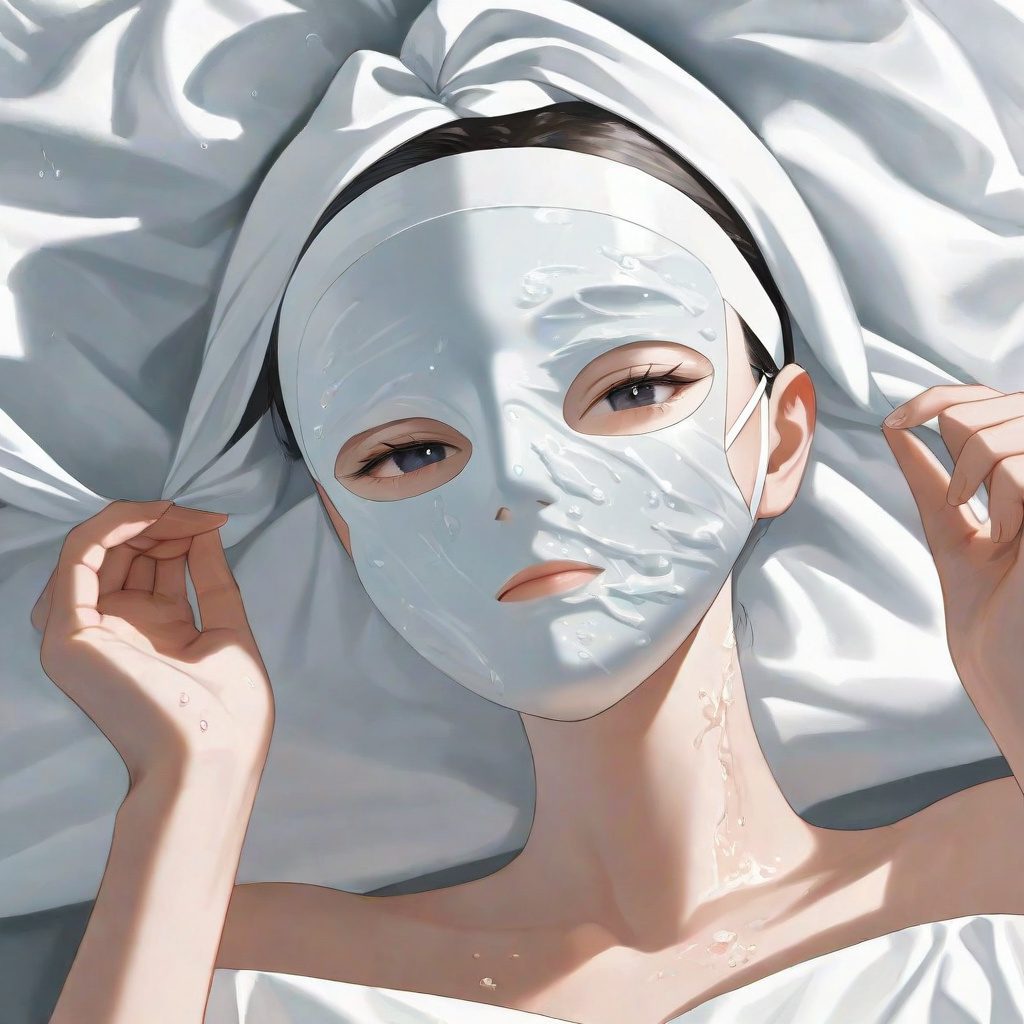
Finding a mask that works while you sleep can transform a morning routine from dull to radiant. Overnight hydrating masks deliver a concentrated dose of moisture when the skin’s barrier is most receptive, allowing active ingredients to penetrate without interference from makeup or environmental stressors. This guide explores the science behind night time hydration, highlights top performing formulas, and offers practical tips for integrating a mask into any regimen.
Why Nighttime Hydration Matters
During sleep the body shifts into repair mode and the skin’s permeability increases. This window allows humectants such as hyaluronic acid and glycerin to draw water into the deeper layers more efficiently than during the day. A well formulated overnight mask creates a breathable seal that prevents transepidermal water loss while still letting the skin breathe. The result is plumper, smoother skin that shows fewer fine lines by morning.
Research shows that barrier recovery peaks between 10 pm and 2 am. Applying a hydrating mask before bed aligns product delivery with this natural rhythm. Consistent use can improve elasticity and reduce the feeling of tightness that many experience after cleansing. For those with compromised barriers, a nightly mask can be a gentle way to rebuild resilience without harsh actives.
Beyond moisture, nighttime masks often contain soothing agents like centella asiatica or allantoin. These ingredients calm inflammation that accumulates from daily exposure to pollution and UV radiation. The combined effect of hydration and calm creates a foundation for better makeup application and a more even tone throughout the day.
Key Ingredients to Look For
Hyaluronic acid remains the gold standard for attracting water. Look for multiple molecular weights so the ingredient hydrates both surface and deeper layers. Glycerin works synergistically with hyaluronic acid to lock in moisture. Ceramides reinforce the lipid barrier, preventing the water you just added from evaporating.
Occlusive agents such as squalane, shea butter, or dimethicone form a lightweight film that seals hydration without feeling heavy. For sensitive skin, choose masks that rely on plant derived squalane rather than synthetic silicones. Antioxidants like vitamin E, niacinamide, or green tea extract add a protective layer against oxidative stress that can degrade collagen overnight.
Peptides such as palmitoyl tripeptide‑1 support firmness while you rest. If brightening is a goal, seek formulas with licorice root extract or tranexamic acid at low concentrations. Always check the ingredient list for potential irritants like alcohol denat or synthetic fragrance, especially if you have reactive skin.
Top Picks for Dry Skin
Laneige Water Sleeping Mask remains a cult favorite for its gel‑cream texture and blend of hydro ionized mineral water, evening primrose extract, and a proprietary Sleep‑to‑Wake™ complex. Users report a noticeable dewiness after a single night. Apply a thin layer after serums and let it absorb for five minutes before pillow contact.
Dr. Jart+ Ceramidin Sleeping Mask packs five ceramides plus panthenol to rebuild the barrier. Its richer consistency suits very dry or flaky patches. Because it contains a mild peptide complex, it also addresses early signs of laxity. Use two to three times per week for best results.
First Aid Beauty Ultra Repair Hydrating Sleep Mask combines colloidal oatmeal, shea butter, and hyaluronic acid. The formula is fragrance free and dermatologist tested, making it safe for eczema prone skin. A pea sized amount covers the entire face and neck, delivering lasting comfort through the night.
Best Options for Combination and Oily Types
Glow Recipe Watermelon Glow Sleeping Mask leverages watermelon extract, hyaluronic acid, and a gentle AHA blend to refine texture while hydrating. The lightweight gel absorbs quickly and leaves no residue, ideal for T‑zone shine control. Limit use to two nights a week if you are new to acids.
Belif The True Cream Aqua Bomb Sleeping Mask offers a water‑burst sensation thanks to its mineral water base and lady’s mantle extract. It balances oil production without stripping moisture. The formula is non‑comedogenic and works well under a light moisturizer for added barrier support.
Etude House SoonJung 10‑Free Moist Sleeping Mask is formulated without parabens, artificial color, or fragrance. Its panthenol and madecassoside calm irritation while delivering a modest hydration boost. This mask is a solid entry point for those wary of heavier creams.
Budget Friendly Finds
The Ordinary Natural Moisturizing Factors + HA Night Cream doubles as a sleeping mask when applied in a thicker layer. Its simple blend of amino acids, PCA, and hyaluronic acid costs a fraction of premium brands. Pair with a few drops of rosehip oil for extra nourishment.
Neutrogena Hydro Boost Gel‑Cream Mask provides a drugstore option with hyaluronic acid and dimethicone. The gel texture feels cooling and absorbs fast. Use it three nights a week to maintain hydration without breaking the bank.
CeraVe PM Facial Moisturizing Lotion can be layered as an overnight mask. It contains three essential ceramides, niacinamide, and hyaluronic acid. The MVE delivery technology releases ingredients slowly, supporting barrier repair throughout the night.
Luxury Formulas Worth the Splurge
La Mer The Renewal Oil‑Infused Mask blends the brand’s signature Miracle Broth with marine peptides and a rich oil base. The result is an intensely nourishing experience that leaves skin visibly firmer by morning. Reserve for special occasions or when skin feels exceptionally depleted.
Sisley Black Rose Mask combines black rose extract, shea butter, and a proprietary anti‑aging complex. Its velvety texture melts into skin, delivering both hydration and a subtle lifting effect. The price reflects the high concentration of botanical actives.
Augustinus Bader The Cream Mask leverages TFC8® technology to support cellular renewal while delivering deep moisture. Clinical studies cite improved elasticity after four weeks of nightly use. This mask is ideal for those seeking a science backed luxury step.
How to Apply for Maximum Benefit
Start with a clean canvas. Use a gentle cleanser that respects the skin’s pH, then pat dry with a soft towel. Apply any treatment serums such as vitamin C or retinol before the mask, allowing each layer to absorb for about one minute. This sequencing ensures active ingredients reach the skin before the occlusive layer forms.
Dispense a pea sized amount for gel masks or a dime sized amount for cream masks. Warm the product between fingertips to improve spreadability. Press gently onto the face and neck using upward motions. Avoid rubbing, which can cause micro‑tears especially on delicate areas.
Leave the mask on overnight. In the morning, rinse with lukewarm water or simply cleanse as usual. Follow with a lightweight moisturizer and broad spectrum SPF. Consistency is key; aim for three to four nights per week for visible improvement in hydration levels.
Common Mistakes and How to Avoid Them
Overloading the skin with too many occlusive layers can trap heat and lead to breakouts. If you already use a rich night cream, skip the mask or choose a lighter gel formula. Listen to your skin’s feedback and adjust frequency accordingly.
Neglecting to patch test new masks can result in unexpected irritation. Apply a small amount behind the ear or on the jawline for two nights before full face use. This step is especially important for formulas containing acids or fragrance.
Using a mask on compromised skin such as active eczema flare‑ups or open wounds may worsen inflammation. In those cases, focus on barrier repair with a simple ceramide cream and consult a dermatologist before reintroducing masks.
Seasonal Adjustments for Overnight Hydration
Winter air strips the lipid barrier faster than any other season, so a richer occlusive layer becomes essential. Swap a gel‑cream mask for a formula that contains a higher percentage of ceramides, squalane, or shea butter, and consider adding a few drops of a facial oil before the mask to reinforce the seal. In contrast, summer humidity allows a lighter gel mask to perform adequately; a watermelon or cucumber based gel with a modest amount of hyaluronic acid will hydrate without creating a sticky film that attracts sweat and pollutants.
Spring and autumn present transitional challenges where the skin may alternate between dry patches and excess oil within the same week. Keep two masks on hand — a barrier‑repair cream for flare‑ups and a lightweight gel for balanced days — and rotate based on how the skin feels after cleansing. A simple tactile test works: press a clean fingertip to the cheek; if it feels tight, reach for the richer option, if it feels comfortable, the gel will suffice.
Indoor heating and air‑conditioning both accelerate transepidermal water loss, so even in moderate climates a nightly mask can offset the drying effect of artificial climate control. When the thermostat is set above 72 Fahrenheit, add a humidifier to the bedroom and choose a mask with added glycerin to pull ambient moisture into the stratum corneum. Conversely, when the air is cool and dry, a mask that includes occlusive dimethicone or plant‑derived squalane will prevent the water you just attracted from evaporating.
Travel across climate zones amplifies the need for adaptability. Pack a travel‑size version of both a gel and a cream mask in a leak‑proof pouch. Apply the gel on the flight where cabin humidity hovers around 10 percent, then switch to the cream once you reach a destination with lower humidity or higher altitude. This two‑mask strategy prevents the common post‑flight tightness and the mid‑trip breakout that can arise from over‑occlusion in a humid environment.
Finally, track seasonal performance in a simple skin journal. Note the mask used, the weather, indoor climate, and how the skin looks and feels each morning. After a few cycles you will see patterns — perhaps the cream mask only needs to be used three nights a week in winter, while the gel works nightly in summer — allowing you to fine‑tune frequency without guesswork.
Layering Strategies with Active Treatments
Retinoids, vitamin C, and exfoliating acids each have distinct pH requirements and irritation potentials, so the order in which they meet an overnight mask matters. Apply a low‑percentage retinol or retinaldehyde first on clean, dry skin, wait sixty seconds for absorption, then follow with a hydrating mask that contains ceramides and panthenol. The mask’s occlusive layer reduces the retinoid’s evaporation, enhancing efficacy while buffering the typical dryness.
If you use a vitamin C serum in the evening (some formulations are stable at night), layer it before the mask as well. Choose a mask free of high concentrations of niacinamide if you are sensitive to the occasional flushing that can occur when the two actives combine. A gel mask with hyaluronic acid and madecassoside provides a calm finish without interfering with the antioxidant’s penetration.
Alpha‑hydroxy acids such as glycolic or lactic acid work well when used two to three nights a week. On acid nights, skip the mask or select a very light gel that contains only humectants and no additional exfoliants. Over‑exfoliation combined with an occlusive mask can compromise the barrier, leading to stinging, redness, and a paradoxical increase in water loss.
For those on prescription topicals like tretinoin or adapalene, a mask can be a lifeline for the inevitable peeling phase. Apply the prescription as directed, then wait a full minute before sealing with a ceramide‑rich cream mask. Avoid masks that contain fragrance, essential oils, or high amounts of alcohol denat, as these can exacerbate irritation on already sensitized skin.
When stacking multiple actives — for example, a peptide serum, a niacinamide booster, and a retinol — keep the routine to three steps max before the mask. More layers increase the risk of pilling and reduce the contact time each active has with the skin. A practical rule: cleanse, treat (one or two targeted serums), mask, sleep. This streamlined approach preserves the integrity of each ingredient while still delivering the overnight hydration boost.
Travel and On‑the‑Go Masking
Airplane cabins, hotel rooms, and climate‑controlled conference centers all share low humidity and recycled air, making a portable overnight mask a travel essential. Choose a mask packaged in a squeeze tube or airless pump to avoid spillage and to meet TSA liquid limits. A 30 ml tube fits comfortably in a quart‑size bag and provides enough product for a week of nightly use.
For short trips where luggage space is at a premium, consider a multi‑use product that functions as both a moisturizer and a sleeping mask. Many gel‑cream hybrids are formulated to be worn alone overnight and can double as a daytime moisturizer when applied in a thinner layer. This reduces the number of containers you need to pack while still delivering the occlusive benefit.
Jet lag disrupts the skin’s circadian repair cycle, so timing the mask application to the destination’s night helps realign barrier recovery. If you arrive in the morning local time but your body clock says night, apply a lightweight gel mask before a short nap; the hydration will support the skin while you adjust. Conversely, if you land at night, follow the usual nighttime routine with your preferred mask to signal the skin that repair mode is active.
Hotel water quality varies; hard water can leave mineral residue that impairs mask absorption. Rinse the face with bottled or filtered water before applying the mask, or use a micellar water wipe to remove any lingering deposits. This extra step ensures the humectants in the mask can bind water effectively rather than competing with calcium and magnesium ions.
Finally, store your mask in a cool, dark place during travel. Heat exposure in a checked bag or a sunny car can degrade sensitive ingredients like peptides and vitamin E. If the product changes color, separates, or develops an off‑odor, discard it — compromised formulas can irritate rather than hydrate.
Addressing Specific Concerns: Acne, Rosacea, Hyperpigmentation, Aging
Acne‑prone skin benefits from masks that combine hydration with non‑comedogenic, anti‑inflammatory ingredients. Look for formulas containing niacinamide at 4‑5 percent, zinc PCA, and a low dose of salicylic acid (0.5 percent) to keep pores clear while the occlusive layer prevents over‑drying. Avoid heavy butters like shea or coconut oil, which can trap sebum and trigger new lesions.
Rosacea and sensitive skin require fragrance‑free, hypoallergenic masks with a short ingredient list. Centella asiatica, madecassoside, and allantoin calm vascular reactivity, while ceramides and glycerin restore the compromised barrier. Perform a patch test on the jawline for two consecutive nights before full‑face use; any stinging or flushing indicates the formula is too active for your current threshold.
For hyperpigmentation, an overnight mask can serve as a delivery vehicle for brightening agents that work synergistically with daytime sunscreen. Tranexamic acid at 2‑3 percent, licorice root extract, and a stable vitamin C derivative (such as tetrahexyldecyl ascorbate) can be incorporated into a gel base that does not oxidize overnight. Use the mask three nights a week, alternating with a plain hydrating mask to avoid over‑exfoliation.
Aging skin often shows reduced natural moisturizing factor production and slower barrier recovery. A mask enriched with multiple molecular weights of hyaluronic acid, a peptide complex (palmitoyl tripeptide‑1, acetyl hexapeptide‑8), and a lipid‑replenishing blend of ceramides, cholesterol, and fatty acids mimics the skin’s own lamellar structure. Apply nightly for four weeks, then assess elasticity and fine‑line depth; many users report measurable improvement in firmness after a full skin‑cycle.
Combination concerns — such as adult acne with early signs of aging — call for a modular approach. Use a lightweight gel mask with niacinamide and hyaluronic acid on most nights, and reserve a richer peptide‑ceramide cream for two nights a week when the skin feels particularly tight. This rotation supplies anti‑aging actives without overwhelming the acne‑prone zones.
Microbiome‑Friendly Formulas and Barrier Repair
The skin microbiome thrives at a slightly acidic pH (4.5‑5.5) and relies on a balanced lipid mantle. Overnight masks that include prebiotic ingredients such as inulin, alpha‑glucan oligosaccharide, or lactobacillus ferment support beneficial microbes while discouraging pathogenic overgrowth. These prebiotics act as food for resident bacteria, promoting a resilient barrier that naturally retains moisture.
Postbiotic lysates — non‑live bacterial metabolites — can be added to masks to deliver anti‑inflammatory peptides and short‑chain fatty acids directly to the stratum corneum. Clinical data suggest that a mask containing a postbiotic complex reduces transepidermal water loss by up to 30 percent after two weeks of nightly use, making it a powerful adjunct for compromised barriers.
Preservative systems matter for microbiome health. Phenoxyethanol, ethylhexylglycerin, and caprylyl glycol are generally well tolerated, whereas high concentrations of parabens or formaldehyde releasers can disrupt microbial diversity. When selecting a mask, scan the ingredient list for a gentle preservative blend and avoid products that list “paraben” or “methylisothiazolinone” near the top.
Barrier repair is not only about lipids; the natural moisturizing factor (NMF) — a mix of amino acids, urea, PCA, and lactate — must be replenished. Masks that incorporate a NMF‑mimicking complex (often labeled as “natural moisturizing factors” or “hydrolyzed proteins”) provide the building blocks for the skin to rebuild its own hydration network. Pairing this with ceramides creates a two‑pronged approach: immediate occlusion plus long‑term barrier synthesis.
For those who have recently completed a course of oral antibiotics or strong topical antibiotics, the microbiome may be depleted. A nightly mask rich in pre‑ and postbiotics, ceramides, and a low dose of niacinamide can accelerate recolonization and reduce the rebound dryness and sensitivity that often follow antibiotic therapy. Use consistently for at least one full skin‑cycle (28 days) before evaluating results.
Sustainability, Packaging, and Shelf‑Life Considerations
Eco‑conscious consumers can look for masks housed in recyclable aluminum tubes, glass jars with refillable inserts, or biodegradable sugarcane‑based plastics. Brands that offer a take‑back program for empty containers reduce landfill waste and often provide a discount on the next purchase. Verify the recycling code on the packaging; codes 1 (PET) and 2 (HDPE) are widely accepted in municipal streams.
Airless pump dispensers protect oxidation‑sensitive actives — such as peptides, vitamin C derivatives, and retinol — from air exposure, extending the effective shelf life by up to 50 percent compared with open jars. If you prefer a jar, use a clean spatula rather than fingers to minimize contamination and preserve the formula’s integrity.
Ingredient sourcing transparency is another sustainability marker. Squalane derived from sustainably harvested sugarcane or olives has a lower carbon footprint than shark‑derived squalane. Similarly, ceramides produced via bio‑fermentation avoid animal sourcing and reduce resource consumption. Look for certifications like COSMOS, Ecocert, or Leaping Bunny to confirm ethical standards.
Shelf‑life labeling varies by region; a “period after opening” (PAO) symbol of 12 M means the product remains stable for twelve months once opened. Store masks in a cool, dark drawer away from bathroom humidity spikes. If the texture separates, the scent turns rancid, or the color shifts dramatically before the PAO expires, discard the product — degraded actives can irritate rather than hydrate.
Finally, consider the carbon cost of shipping heavy glass jars versus lightweight aluminum tubes. Some brands offset emissions through verified reforestation projects; supporting those companies aligns your skincare routine with broader environmental goals. A small choice in packaging can collectively reduce the beauty industry’s carbon footprint while still delivering the overnight hydration your skin craves.
FAQ
Can I use an overnight hydrating mask every night?
Most skin types tolerate nightly use of a gentle gel mask, but richer cream masks are best limited to three or four times a week to avoid congestion.
Do I still need a separate moisturizer if I use a sleeping mask?
A sleeping mask can replace a night cream for many people, yet those with very dry skin may benefit from layering a lightweight moisturizer underneath for extra barrier support.
Are overnight masks safe for sensitive or rosacea prone skin?
Choose fragrance free, hypoallergenic formulas with soothing ingredients like centella asiatica or madecassoside. Always patch test before full application.
How long does it take to see results?
Hydration improvements can be felt after the first use, while visible changes in texture and fine lines typically appear after two to four weeks of consistent use.
Can I combine an overnight mask with retinol?
Yes, apply retinol first, wait a minute, then layer the mask. This order delivers the active ingredient before the occlusive barrier forms, reducing the risk of irritation.
Related posts:
 Managing Maskne (Mask Acne)
 The Slow Beauty Movement’s Secret Hydration Recipes
 Dry Skin Don’ts: The Ingredients Making Your Moisture Problems Worse
 Spring Awakening: The Hydrating Serums Your Winter Skin Is Craving
 Beauty Treatments That Work While You Sleep
 Proper Order of Skincare Application
 Foundation’s Impact on Skin
 The Best Toners for Acne-Prone Skin That Won’t Strip Your Face