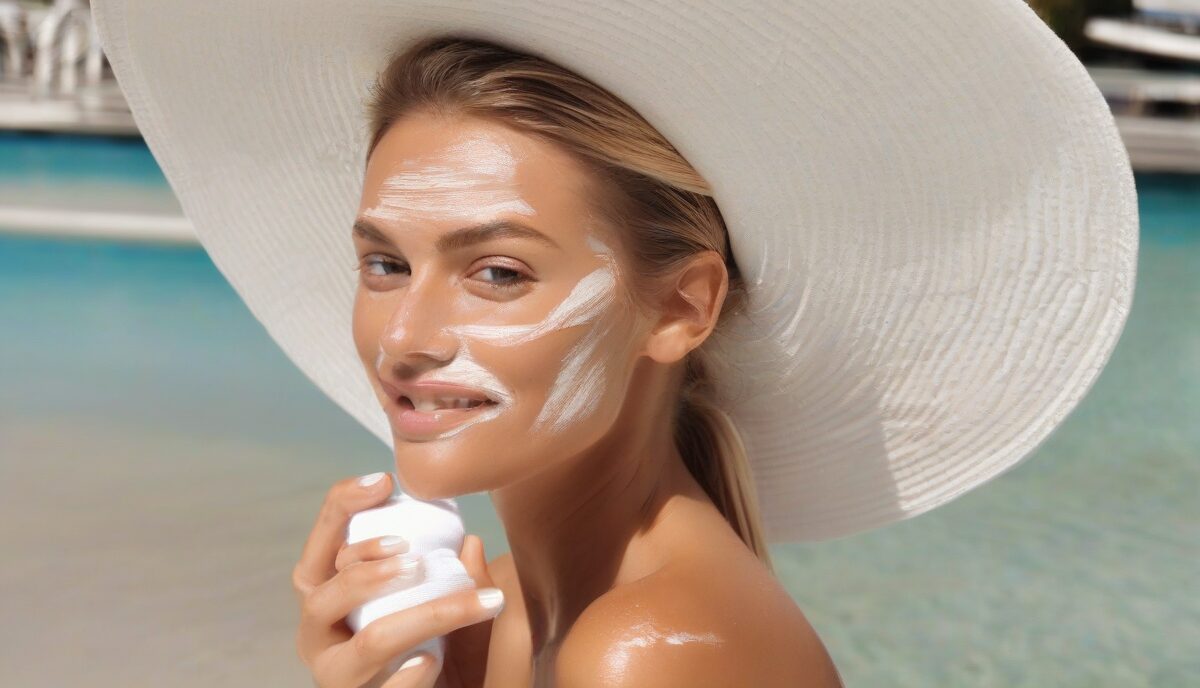
Why Choose Powder Sunscreens?
Powder sunscreens are an innovative and convenient way to protect your skin from the sun’s harmful UV rays. Unlike traditional sunscreens, powder sunscreens are easy to apply, lightweight, and perfect for on-the-go use. They are particularly beneficial for people with oily or acne-prone skin, as they help to reduce shine and absorb excess oil.
Top Benefits of Powder Sunscreens
Powder sunscreens offer several advantages over their cream or lotion counterparts:
- Easy Application: Simply brush on the powder without the need for rubbing or blending.
- Lightweight: Feels less heavy on the skin, making it ideal for daily use.
- Non-Greasy: Perfect for oily skin types as it helps control shine.
- Portable: Convenient to carry in your bag for reapplication throughout the day.
- Makeup-Friendly: Can be applied over makeup without disturbing it.
Top 5 Powder Sunscreens to Try
Here are our top picks for the best powder sunscreens available on the market:
1. Colorescience Sunforgettable Total Protection Brush-On Shield SPF 50
This powder sunscreen offers broad-spectrum protection with an SPF of 50. It is water-resistant and perfect for all skin types. The brush-on applicator makes it easy to use and reapply throughout the day.
2. Supergoop! (Re)setting 100% Mineral Powder SPF 35
Supergoop! is known for its high-quality sun protection products, and this mineral powder is no exception. It provides broad-spectrum SPF 35 protection and helps to set makeup while reducing shine.
3. ISDIN Mineral Brush Powder SPF 50
This mineral powder sunscreen from ISDIN offers SPF 50 protection and is suitable for all skin types. It is easy to apply and reapply, making it a great choice for daily use.
4. Tarteguard Mineral Powder Sunscreen SPF 30
Tarte’s powder sunscreen provides SPF 30 protection and is perfect for on-the-go application. The formula is vegan and free from harmful chemicals, making it a great choice for those with sensitive skin.
5. Jane Iredale Powder-Me SPF 30 Dry Sunscreen
This dry sunscreen from Jane Iredale offers SPF 30 protection and is water-resistant for up to 40 minutes. It can be used on the face, body, and even the scalp, providing versatile sun protection.
How to Apply Powder Sunscreen Correctly
Applying powder sunscreen is simple, but it’s important to do it correctly to ensure adequate protection:
- Start with Clean Skin: Make sure your skin is clean and dry before application.
- Shake the Container: Shake the powder sunscreen container to ensure an even distribution of the product.
- Apply Generously: Use the brush to apply the powder generously to all exposed areas of the skin.
- Blend Evenly: Ensure the powder is evenly distributed and blended into the skin.
- Reapply as Needed: Reapply every two hours or after sweating or swimming.
Understanding the Particle Science of Mineral UV Barriers
To appreciate why powder sunscreens are effective, one must look at the physics of mineral UV filters, specifically Zinc Oxide and Titanium Dioxide. Unlike chemical filters (such as avobenzone or oxybenzone) that absorb UV radiation and convert it into heat within the skin, mineral powders act as physical shields. These minerals are naturally occurring solids that are ground into fine particles. In a powder formulation, these particles are suspended in a dry matrix, often alongside silica or mica. When you brush these onto the skin, you are essentially creating a microscopic layer of ‘mirrors’ that reflect and scatter UVA and UVB rays before they can penetrate the epidermis.
A critical nuance in powder technology is the distinction between ‘nano’ and ‘non-nano’ particles. Non-nano particles are larger, meaning they are less likely to be absorbed into the bloodstream or inhaled deeply into the lungs—a common concern with aerosolized sprays. In powder form, these particles are engineered to be heavy enough to settle on the skin but fine enough to remain invisible. Furthermore, high-quality powder sunscreens often utilize ‘micronized’ minerals. This process reduces the particle size just enough to eliminate the chalky white cast associated with traditional zinc creams while maintaining the physical barrier’s integrity. For users with sensitive skin or conditions like rosacea, this physical mechanism is superior because it does not trigger the thermal inflammatory response that chemical absorbers sometimes do.
The “Sandwich Technique”: Integrating Powder into a Comprehensive SPF Routine
While the convenience of powder is unmatched, dermatological best practices suggest it serves best as a secondary layer or a reapplication tool rather than a sole morning protectant. The “Sandwich Technique” is a professional method used to ensure 100% coverage. This involves applying a base layer of liquid or cream mineral sunscreen in the morning to provide a uniform, dense foundation. Once the liquid layer sets, the powder sunscreen is applied over it. This does more than just add SPF; the powder particles fill in the microscopic ‘valleys’ of the skin’s texture that a liquid might miss, creating a more continuous film of protection.
The real power of the powder layer lies in its ability to manage the degradation of the base layer. Throughout the day, sebum (skin oil) and sweat begin to break down liquid sunscreens, causing them to migrate or pool in pores. The absorbent silica and clay often found in powder sunscreens soak up these oils, anchoring the base SPF in place. For those who work in office environments with significant window exposure or individuals who spend their lunch hours outdoors, this layering strategy provides a matte finish that looks like high-end makeup while functioning as a tactical reinforcement of the UV barrier. It effectively solves the problem of the ‘two-hour reapplication’ rule, which is notoriously difficult to follow once a full face of makeup or moisturizer has been applied.
Targeted Solutions for Melasma, Hyperpigmentation, and Blue Light
For individuals struggling with melasma or post-inflammatory hyperpigmentation (PIH), powder sunscreens offer a secret weapon: Iron Oxides. While Zinc and Titanium protect against UV rays, they are often less effective against High-Energy Visible (HEV) light, also known as blue light. Blue light is emitted by the sun but also by smartphones, laptops, and LED lighting. Research has shown that blue light can exacerbate pigmentary disorders, particularly in darker skin tones (Fitzpatrick types IV-VI). Iron oxides, which are the pigments used to give powder sunscreens their tint, are the primary ingredients capable of blocking HEV light.
When selecting a powder sunscreen for pigment control, look for a tinted version rather than a translucent one. The more opaque the tint, the higher the concentration of iron oxides, and the better the protection against the visible light spectrum. This makes powder sunscreens an essential tool for office workers who spend eight hours a day in front of screens. Moreover, because melasma is heat-sensitive, the cooling nature of a dry powder application—as opposed to a thick, occlusive cream that traps heat against the face—can prevent the vasodilation that often triggers a melasma flare-up. It is a functional intersection of color correction and clinical-grade skin protection.
Specialized Application Zones: Scalps, Part Lines, and Eyelids
One of the most overlooked areas for sun damage is the scalp, particularly along the part line or in areas of thinning hair. Applying a traditional lotion to the scalp results in greasy, matted hair that most people find unacceptable for daily wear. Powder sunscreen is the industry-standard solution for this dilemma. The fine bristles of the applicator brush allow you to target the part line specifically, depositing a concentrated layer of minerals directly onto the skin without affecting the volume or texture of the surrounding hair. It essentially acts as a dry shampoo with SPF benefits, absorbing excess scalp oils while preventing painful scalp burns that are notoriously difficult to treat.
Similarly, the eyelids and the immediate periorbital area are frequent sites of skin cancer but are often skipped during sunscreen application because liquid formulas can ‘creep’ into the eyes and cause stinging. Because powder sunscreens are ‘dry’ and stay exactly where they are placed, they are ideal for the eyelids. You can brush the minerals right up to the lash line without fear of the product melting into the eyes during sweat or humidity. This also applies to the back of the hands—an area that shows age rapidly due to constant sun exposure while driving. Keeping a powder brush in the car’s center console allows for a quick, non-sticky application to the hands before a long drive, ensuring the skin is protected without making the steering wheel greasy.
Color Matching and the Fitzpatrick Scale in Powder Formulations
A common critique of mineral-based products is the ‘ashy’ or ‘ghostly’ appearance they can leave on deeper skin tones. However, the evolution of powder sunscreen has led to a wide array of shades designed to accommodate the Fitzpatrick scale. For those with very fair skin (Type I-II), a translucent or ‘fair’ powder helps neutralize redness. For medium to olive skin tones (Type III-IV), ‘medium’ or ‘tan’ powders often utilize yellow and golden undertones to blend seamlessly with the skin’s natural melanin.
For deep skin tones (Type V-VI), the challenge is finding a powder that doesn’t look grey. The key is to look for ‘deep’ or ‘bronze’ formulations that contain high concentrations of red and dark brown iron oxides. These shades not only protect the skin but can also serve as a light-coverage bronzer, adding warmth to the complexion. When testing a powder sunscreen for a color match, it is best to apply it to the jawline and wait ten minutes. Unlike liquids, which can oxidize and turn orange, powders tend to stay true to their color, but they do need a moment to ‘melt’ into the skin’s natural oils to reveal their final finish. If a powder still looks too visible, a light mist of thermal water or setting spray can help the minerals settle for a more skin-like appearance.
Longevity and Maintenance of Brush-On Delivery Systems
Most premium powder sunscreens come in a self-dispensing brush, which is convenient but requires specific maintenance to remain hygienic and functional. Because the brush head comes into direct contact with skin oils, sweat, and existing makeup, it can become a breeding ground for bacteria if not cared for. Many users do not realize that the brush heads on many top-tier brands are actually detachable or can be cleaned without damaging the internal powder chamber. To clean a built-in brush, one should use a specialized brush cleaning spray or a cloth dampened with alcohol to gently wipe the bristles after every few uses. Avoid submerging the entire unit in water, as this can cause the powder inside to clump and clog the dispensing mechanism.
Another practical tip for maintaining the flow of the product is the ‘tap and prime’ method. If the powder seems to stop flowing, it is often due to an air pocket or the bristles being too tightly packed. Capping the brush and tapping it firmly against a hard surface (like a table) with the brush side down can help move the powder into the base of the bristles. Furthermore, environment matters: storing your powder sunscreen in a humid bathroom can lead to moisture entering the tube, which ruins the ‘flowability’ of the minerals. It is best kept in a cool, dry purse or a vanity drawer to ensure the powder remains a fine, dust-like consistency for even application.
Environmental and Travel Advantages of Dry Formulations
From a sustainability and travel perspective, powder sunscreens offer several distinct advantages over emulsions. For the frequent traveler, powder is a ‘solid’ in the eyes of the TSA, meaning it does not count toward your liquid limit in carry-on luggage. This allows you to bring a high-SPF product in your pocket or personal bag without worrying about leaks or spills that could ruin clothing or electronics. Furthermore, because powder sunscreens contain no water, they do not require the same heavy load of synthetic preservatives (like parabens) that liquid sunscreens need to prevent mold and bacterial growth. This often results in a cleaner, shorter ingredient list that is better for those with extreme chemical sensitivities.
Environmentally, mineral powders are generally considered ‘reef-safe.’ While the term is not strictly regulated, the absence of oxybenzone and octinoxate—two chemicals linked to coral bleaching—makes mineral powders a preferred choice for eco-conscious swimmers and snorkelers. While you should still use a water-resistant cream for heavy swimming, the powder is the perfect companion for beach-side lounging and reapplication after toweling off. Additionally, the shelf life of dry powders is typically longer than that of liquids. While you should always check the expiration date, mineral powders are chemically stable and do not ‘separate’ or lose their potency as quickly as complex liquid emulsions when exposed to heat, making them a reliable choice for keeping in a hot car or a beach bag.
FAQs
What is powder sunscreen?
Powder sunscreen is a type of sunscreen that comes in a powder form, usually applied with a brush. It offers sun protection while absorbing excess oil and reducing shine.
Is powder sunscreen as effective as lotion sunscreen?
Yes, powder sunscreens can be just as effective as lotion sunscreens when applied correctly. They provide broad-spectrum protection and are convenient for reapplication throughout the day.
Can I use powder sunscreen over makeup?
Yes, powder sunscreen can be applied over makeup without disturbing it. This makes it an excellent option for those who wear makeup daily and want to ensure continuous sun protection.
How often should I reapply powder sunscreen?
Like all sunscreens, powder sunscreen should be reapplied every two hours or immediately after swimming or sweating to maintain effective sun protection.
Is powder sunscreen suitable for all skin types?
Yes, powder sunscreen is suitable for all skin types, including oily, dry, and sensitive skin. It is especially beneficial for oily and acne-prone skin as it helps control oil and shine.
Related posts:
 Sunscreen Tips for Darker Skin Tones
 The Best Sunscreens for Sensitive Skin, According to Dermatologists
 Summer SPF 50 Guide
 Foundation’s Impact on Skin
 Proper Order of Skincare Application
 Natural Face Sunscreens Guide
 Trader Joe’s Sunscreen Review
 The Best Liquid Eyeshadows That Stay Put All Day Long