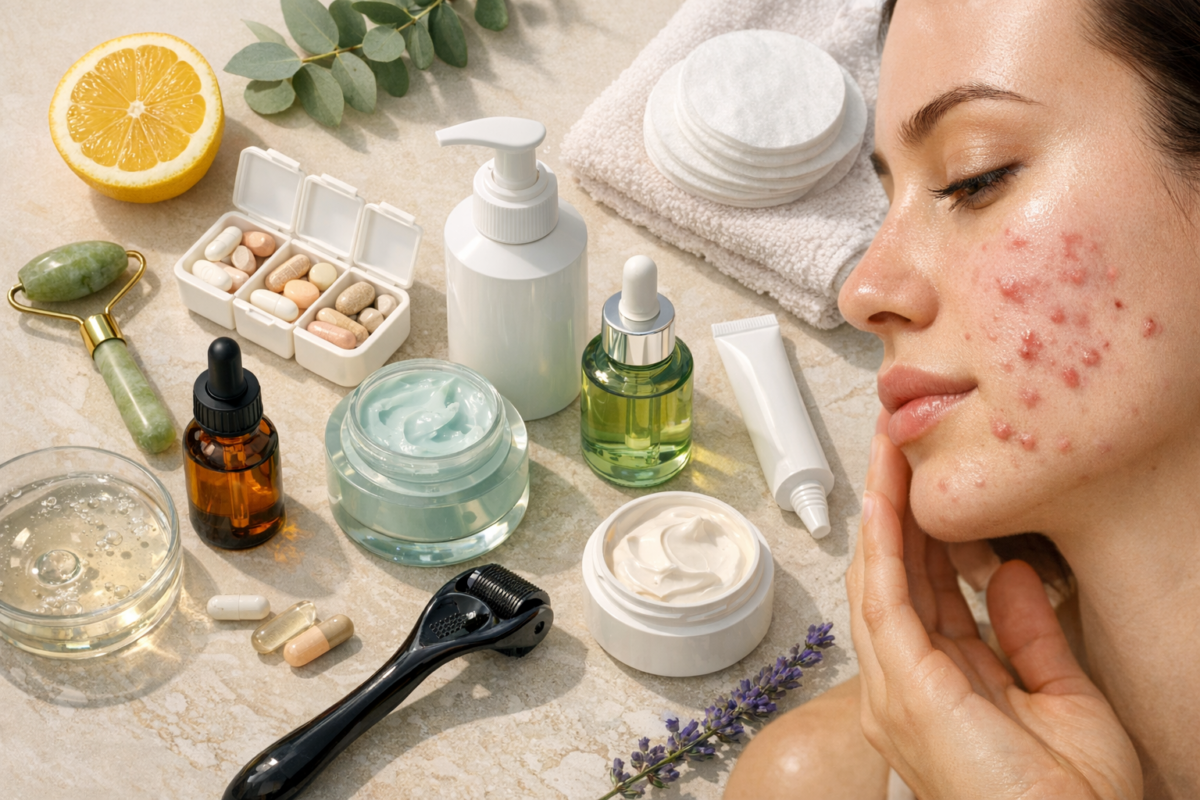
Hormonal acne is a frustrating, recurring skin concern that often feels immune to standard over-the-counter treatments. Unlike typical breakouts triggered by external factors like bacteria or clogged pores, hormonal acne is driven by internal fluctuations in androgens, cortisol, and insulin. These chemical messengers signal your oil glands to produce excess sebum, leading to deep, painful cystic lesions, typically concentrated along the jawline, chin, and neck. While topical intervention is only half the battle, selecting the right products can significantly calm inflammation and prevent long-term scarring. This guide explores the most effective ingredients and product strategies to manage hormonal breakouts with compassion and clarity.
Understanding the Hormonal Acne Cycle
To treat hormonal acne, you must first understand the rhythm of your skin. Hormonal breakouts are cyclical, often aligning with the luteal phase of the menstrual cycle or periods of high stress. During these times, progesterone and testosterone levels spike, causing the skin’s oil production to go into overdrive. The goal of your skincare routine should not be to “dry out” the skin, but rather to support the skin barrier while regulating oil flow and managing inflammation. Harsh physical scrubs or high-concentration benzoyl peroxide can often backfire, causing dehydration that leads to even more oil production. Instead, focus on a “less is more” approach that prioritizes gentle cleansing and targeted active ingredients.
The Role of Salicylic Acid in Pore Maintenance
Salicylic acid is a beta-hydroxy acid (BHA) that is oil-soluble, meaning it can penetrate deep into the pore lining to dissolve the glue that holds dead skin cells together. For hormonal acne, which often presents as deep-seated congestion, a salicylic acid treatment acts as a preventative measure. Look for leave-on serums or toners with a 2% concentration. Using this ingredient 3-4 times a week helps keep the pore clear, preventing the “plug” that eventually becomes an inflamed cyst. When applying, focus on the lower third of the face where hormonal activity is most concentrated. Always follow with a non-comedogenic moisturizer to ensure your skin doesn’t compensate for the exfoliation by producing excess sebum.
Harnessing Retinoids for Cellular Turnover
Retinoids—specifically adapalene or prescription-grade tretinoin—are the gold standard for treating hormonal acne because they regulate cell turnover. By encouraging skin cells to shed more efficiently, retinoids prevent the accumulation of debris that clogs pores. Adapalene 0.1%, which is available over-the-counter, is particularly well-studied for its efficacy in reducing both inflammatory and non-inflammatory acne. When starting a retinoid, the “sandwich method” is a game-changer: apply a thin layer of moisturizer, then your retinoid, followed by another layer of moisturizer. This minimizes irritation while allowing the active ingredient to work its magic over the long term.
The Power of Azelaic Acid for Inflammation
If you are looking for a gentle yet powerful ingredient that targets both bacteria and post-acne marks, azelaic acid is your best ally. It is particularly helpful for those with sensitive skin who find salicylic acid or retinoids too irritating. Azelaic acid works by neutralizing bacteria on the skin and gently exfoliating, but its standout feature is its ability to brighten hyperpigmentation. Hormonal acne often leaves behind stubborn dark spots that linger long after the pimple has healed. Incorporating a 10% azelaic acid serum into your morning routine can help fade these marks while keeping the skin calm and balanced.
Choosing the Right Non-Comedogenic Moisturizer
Many people with hormonal acne skip moisturizer out of fear that it will clog their pores. This is a common mistake. If your skin is dehydrated, it loses its ability to heal, and the barrier becomes compromised, allowing bacteria to enter more easily. Look for moisturizers labeled “non-comedogenic” and “oil-free,” featuring ingredients like hyaluronic acid, ceramides, or niacinamide. These ingredients hydrate the skin without adding heavy, pore-clogging oils. A lightweight gel-cream texture is often preferred by those prone to hormonal breakouts, as it provides cooling relief to inflamed areas without feeling heavy or greasy.
Sun Protection Without the Breakouts
Sunscreen is non-negotiable, even when you have active acne. UV exposure darkens acne scars and can cause inflammation that makes breakouts last longer. However, many traditional sunscreens use heavy filters that can trigger congestion. Seek out mineral sunscreens containing zinc oxide or titanium dioxide. Zinc oxide, in particular, has mild anti-inflammatory properties that can actually soothe red, angry breakouts. Ensure your SPF is labeled as “non-comedogenic” and double-cleanse in the evening to ensure every trace of the product is removed from your pores before you go to sleep.
The Importance of Double Cleansing
When you are managing hormonal acne, the evening cleanse is your most important skincare step. Pollution, sunscreen, and excess sebum build up throughout the day, forming a film that standard cleansers may miss. Start with an oil-based cleanser or micellar water to break down makeup and sunscreen, followed by a gentle, water-based cleanser with a pH-balanced formula. This double-cleansing ritual ensures your pores are completely clean, allowing your treatment serums to penetrate more effectively. Avoid aggressive scrubbing; use your fingertips to massage the skin gently, which helps improve circulation without damaging the delicate skin barrier.
Lifestyle Factors That Influence Hormonal Skin
While products are essential, your skin is a reflection of your internal health. Hormonal acne is often aggravated by high-glycemic diets—foods that cause sharp spikes in blood sugar—and chronic stress. Consider keeping a skin journal to track when your breakouts occur in relation to your diet and stress levels. Incorporating anti-inflammatory foods like fatty fish, leafy greens, and berries, along with prioritizing quality sleep, can support your body’s hormonal balance. If you find that your acne is persistent despite a consistent skincare routine, it may be time to consult a dermatologist or endocrinologist to discuss internal options like spironolactone or hormonal balancing support.
The Science of Sulfur for Acute Spot Treatment
While salicylic acid and retinoids work to prevent future lesions, sometimes you need immediate relief from a throbbing, painful cyst. Sulfur is an ancient but highly effective remedy that acts as a keratolytic agent, meaning it helps shed dead skin cells and dries out the surface of the blemish. Unlike benzoyl peroxide, which can be overly drying and cause contact dermatitis, sulfur is generally better tolerated by sensitive, hormonal skin types. Look for “drying lotions” or sulfur-based masks that can be applied as a targeted spot treatment overnight. The key is to avoid rubbing it into the surrounding healthy skin; apply it strictly to the peak of the cyst using a clean cotton swab. Sulfur also possesses natural antibacterial and antifungal properties, which helps calm the inflammatory response triggered by the deep-seated congestion characteristic of hormonal acne.
Incorporating Niacinamide to Regulate Sebum
Niacinamide, or Vitamin B3, is a multitasking powerhouse that is essential for those struggling with the oily, inflamed skin that often accompanies hormonal shifts. Beyond its well-known ability to brighten skin tone, niacinamide acts as a sebum regulator. It helps to normalize the activity of the sebaceous glands, preventing the “greasy” feeling that often precedes a hormonal breakout. Furthermore, it strengthens the lipid barrier, which is vital for people using retinoids or BHAs. By increasing the production of ceramides, niacinamide ensures that your skin remains resilient enough to handle active ingredients without succumbing to the irritation-induced oil overproduction cycle. Use a 5% to 10% niacinamide serum in your morning routine, as it layers beautifully under both sunscreen and makeup.
The Role of Probiotics and Microbiome Health
Emerging research suggests that the skin microbiome plays a significant role in how our skin responds to hormonal fluctuations. When the skin’s natural bacterial balance is disrupted, inflammation can escalate rapidly. Skincare products formulated with prebiotics (food for good bacteria) and probiotics (the live bacteria themselves) can help restore this equilibrium. These ingredients work by crowding out acne-causing bacteria and reinforcing the skin’s natural defenses. For those with hormonal acne, look for cleansers or serums containing fermented ingredients like bifida ferment lysate or lactobacillus. These act as a soothing buffer for the skin, making it less reactive to the internal androgen surges that trigger breakouts. Think of this as “internal support for external skin,” providing a calming environment that prevents minor congestion from escalating into full-blown cystic lesions.
Managing Transepidermal Water Loss (TEWL)
One of the most overlooked aspects of hormonal acne management is preventing transepidermal water loss. When the skin is dehydrated, it loses its structural integrity, making it easier for bacteria to colonize and for inflammation to spread. If you find your skin feels tight after cleansing, you are likely experiencing high TEWL. To combat this, incorporate a humectant-heavy essence or serum containing hyaluronic acid or polyglutamic acid while your skin is still slightly damp after cleansing. This “locks in” moisture before you apply your active treatments. By maintaining a high water content within the epidermis, you create a plump, healthy environment that is less susceptible to the “micro-tears” and barrier damage that often occur during the intense inflammation associated with hormonal cystic acne.
The Importance of pH-Balanced Cleansing
The skin’s acid mantle—a thin, protective film on the surface—typically sits at a pH of around 4.7 to 5.5. Many traditional soaps and high-foaming cleansers are alkaline, which can strip this mantle and create an environment where acne-causing bacteria thrive. Hormonal acne sufferers often fall into the trap of using harsh, “squeaky clean” cleansers, which only serve to disrupt the mantle and trigger more oil production. Switch to a pH-balanced, non-foaming, or low-foaming cleanser. These formulas clean the skin effectively without stripping essential lipids. If your cleanser leaves your face feeling tight, it is likely too alkaline. By respecting the skin’s natural pH, you reduce the inflammatory signaling that often leads to deep, painful cysts along the jawline.
Strategic Use of Hydrocolloid Patches
Hydrocolloid patches have evolved from simple bandages to sophisticated tools for managing hormonal acne. These patches create a moist, occlusive environment that draws out fluid and pus from a lesion while preventing the wearer from picking at the spot. For hormonal cysts that are deep and not yet at the surface, look for “microneedle” patches. These feature tiny, dissolvable spikes that deliver ingredients like salicylic acid or tea tree oil directly into the deeper layers of the dermis where the inflammation resides. Using a patch overnight helps reduce the size and redness of a cyst significantly, and it serves as a physical barrier against environmental pollutants and your own fingers. They are particularly useful during the luteal phase, as they provide a “set it and forget it” solution for the inevitable clusters of breakouts that appear during hormonal peaks.
Frequently Asked Questions
Q: Can I use multiple active ingredients like retinoids and salicylic acid at the same time? A: It is generally recommended to avoid using these together to prevent irritation. Try using salicylic acid in the morning and a retinoid at night, or alternate them on different evenings to allow your skin barrier time to recover.
Q: How long does it take to see results when treating hormonal acne? A: Hormonal acne requires patience. Because it takes about 28 days for skin cells to turn over, most treatments require at least 8 to 12 weeks of consistent use before you will see a significant reduction in cystic breakouts.
Q: Is it okay to pop hormonal acne cysts? A: You should never pop or pick at hormonal cysts. Because they are deep under the skin, squeezing them will likely push the infection deeper, increasing inflammation and almost guaranteeing a dark scar or permanent pitting.
Q: Why does my acne only appear on my jawline? A: The jawline and chin are highly sensitive to androgen receptors. When your hormones fluctuate, these specific areas are the first to signal the oil glands to overproduce, which is why hormonal acne is so distinctively localized.
Q: Should I stop wearing makeup if I have hormonal acne? A: You do not need to stop wearing makeup, but you should choose mineral-based foundations that are non-comedogenic. Always ensure your brushes are cleaned weekly to prevent bacterial transfer, and prioritize removing your makeup completely before bed.
Related posts:
 Managing Maskne (Mask Acne)
 The Slow Beauty Movement’s Secret Hydration Recipes
 Foundation’s Impact on Skin
 Too Clean for Comfort: Why Being Squeaky Clean Might Be Bad for Your Skin
 The Best Toners for Acne-Prone Skin That Won’t Strip Your Face
 Proper Order of Skincare Application
 The Natural Supplement That’s Changing the Hormonal Acne Game
 How to Treat Different Types of Pimples Properly