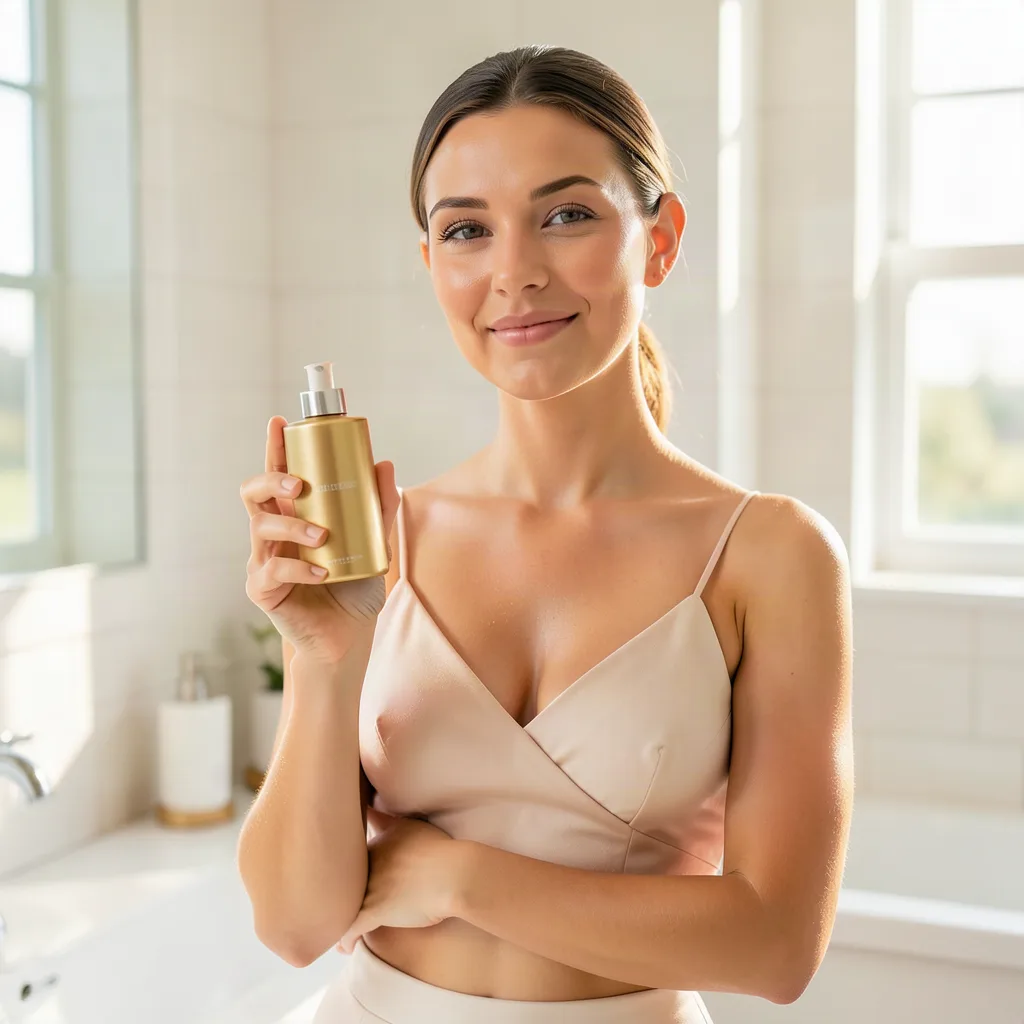
Getting a sun‑kissed glow without the UV damage is easier than ever, thanks to a wave of innovative self‑tanning formulas that cater to every skin type, budget, and lifestyle. Whether you’re preparing for a beach vacation, a special event, or simply want a year‑round healthy radiance, understanding how these products work and how to apply them correctly can save you from streaks, orange tones, and wasted product. This guide breaks down the science, the product categories, ingredient considerations, shade selection, application techniques, common pitfalls, maintenance tips, and our top picks for 2024 so you can choose the best self‑tanner for your needs.
Key takeaways
- Match your tanner to your natural undertone: green-based for cool skin and golden-based for warm skin.
- Exfoliate thoroughly and apply a light barrier cream to dry areas like knees and elbows before tanning.
- Use a mitt for application to ensure even coverage and protect your palms from staining.
- Maintain your tan by moisturizing daily and avoiding harsh scrubbing or long, hot showers.
Understanding Self‑Tanners: How They Work
Self‑tanners rely on a chemical reaction between dihydroxyacetone (DHA) and the amino acids in the outermost layer of the skin. DHA is a simple sugar that, when it contacts proteins, produces a brown pigment called melanoidin. The result mimics a natural tan but only affects the stratum corneum, which means the color fades as those dead cells shed over three to seven days. Most modern formulas also include erythrulose, a slower‑acting keto‑sugar that deepens the tone and reduces the orange cast that pure DHA can create. Because the reaction is limited to the surface, self‑tanners do not provide any UV protection; sunscreen remains essential whenever you’re outdoors.
Formulation technology has evolved to control the speed and uniformity of the DHA reaction. Encapsulation, pH buffering, and moisture‑locking agents help the color develop evenly and last longer. Some brands add antioxidants such as vitamin E or green tea extract to counteract the mild oxidative stress that can accompany DHA oxidation. Understanding these basics lets you read labels with confidence and set realistic expectations for development time, intensity, and longevity.
Types of Self‑Tanners: Lotions, Mousses, Sprays, Drops, Towelettes
Choosing a delivery format is often a matter of personal preference and the area you’re treating. Lotions and creams are the classic choice; they spread easily, provide hydration, and are ideal for beginners who want a forgiving application window. Mousses and foams are lightweight, dry quickly, and give a more airbrushed finish, making them popular for full‑body coverage. Sprays and aerosols excel at reaching the back, shoulders, and legs without a helper, but they require a well‑ventilated space and a steady hand to avoid overspray. Drops and serums let you customize intensity by mixing a few drops into your daily moisturizer, offering a subtle, buildable glow. Towelettes and pre‑soaked mitts are travel‑friendly and mess‑free, perfect for touch‑ups or a quick face tan.
Each format has a distinct drying time and transfer risk. Lotions may take ten to fifteen minutes to set, while mousses can be touch‑dry in three to five minutes. Sprays often feel dry instantly but can rub off on clothing if you dress too soon. Drops blended into a rich cream may feel tacky for a few minutes longer. Knowing these nuances helps you plan your routine — apply a mousse before bed for an overnight development, or use a spray in the morning if you need to be dressed within an hour.
Key Ingredients to Look For (and Avoid)
Beyond DHA and erythrulose, the ingredient list tells you how a product will feel, smell, and perform. Hydrating agents such as glycerin, hyaluronic acid, aloe vera, and shea butter keep the skin supple, which translates to a smoother, more even tan. Antioxidants like vitamin C, vitamin E, and niacinamide support skin health and can reduce the tell‑tale “self‑tanner scent” that arises from DHA oxidation. Natural oils — coconut, jojoba, argan — add a luxurious glide but may increase transfer on fabrics, so weigh that against your wardrobe plans.
Ingredients to watch for include high concentrations of alcohol denat, which can dry the skin and cause patchiness, and synthetic fragrances that may irritate sensitive skin. Parabens and phthalates are increasingly omitted by clean‑beauty brands, but if you have specific allergies, always patch‑test a small area first. Some formulas incorporate bronzers (iron oxides) for instant color; these wash off at the first shower and are useful for previewing the final shade, but they can stain light clothing if not fully set.
Choosing the Right Shade for Your Skin Tone
Self‑tanners are typically labeled light, medium, dark, or ultra‑dark, but the same label can look different on fair versus deep complexions. A good rule of thumb: match the product’s undertone to your natural undertone. Cool‑toned skins (pink or red undertones) benefit from formulas with a green‑base or olive undertone to neutralize orange. Warm‑toned skins (yellow or golden undertones) pair well with golden‑brown bases. Neutral skins can wear most shades, but a medium‑gold formula usually yields the most natural result.
If you’re new to self‑tanning, start one shade lighter than you think you need. You can always layer a second application after the first develops. Many brands now offer “customizable” drops that let you add a few drops to your moisturizer for a sheer tint, then build up over several days. For the face, choose a dedicated facial tanner or a drop formula; facial skin is thinner and more prone to streaks, so a lower DHA concentration (around 2‑3%) is safer.
Step‑by‑Step Application Guide for a Flawless Finish
Preparation is the single biggest factor in a streak‑free result. Begin with a warm shower, then exfoliate using a gentle scrub or a chemical exfoliant (AHA/BHA) focusing on knees, elbows, ankles, and wrists. Rinse thoroughly and pat dry — do not apply lotion, oil, or deodorant on areas you’ll tan, as they create barriers. If you have very dry patches, apply a thin layer of lightweight moisturizer only on those spots and let it absorb for five minutes.
Apply the self‑tanner using a mitt or glove to protect your palms. Work in sections: start at the ankles, move up the legs, then torso, arms, and finally the face (if using a facial formula). Use long, sweeping motions and blend each section into the next before the product begins to set. For mousses and sprays, hold the canister 6‑8 inches away and mist evenly. For drops, mix 2‑3 drops into a pea‑size amount of moisturizer in your palm, then apply like a regular cream.
After full coverage, wait the recommended development time — usually 4‑8 hours for a standard formula, 1‑3 hours for an express version. Avoid water, sweat, and tight clothing during this window. When it’s time to rinse, use lukewarm water and a gentle body wash; do not scrub. Pat dry and apply a fragrance‑free moisturizer to lock in hydration and extend the tan’s life.
Common Mistakes and How to Fix Them
Even seasoned users encounter issues. Streaks often arise from uneven exfoliation or applying product over dry patches. Fix by gently buffing the area with a damp washcloth and re‑applying a thin layer of tanner only on the streaked zone. Orange tones usually mean the DHA concentration is too high for your undertone or the product has oxidized. Switch to a formula with erythrulose or a green‑base undertone, and store the bottle in a cool, dark place.
Patchy fading occurs when the skin sheds unevenly — common on elbows and knees. Daily moisturizing with a ceramide‑rich lotion slows desquamation and keeps color uniform. If you notice a “hand‑print” effect on the palms or between fingers, wipe those areas immediately with a damp cloth after application; the skin there absorbs DHA faster. Over‑application on the face can lead to a mask‑like look; use a dedicated facial tanner or dilute drops 1:4 with moisturizer for a sheer veil.
Extending the Life of Your Tan
A tan typically lasts five to seven days, but habits can stretch it to ten. Hydration is paramount — apply a rich body lotion twice daily, preferably one containing hyaluronic acid and ceramides. Avoid long hot showers, harsh soaps, and exfoliating scrubs while the tan is active. When you shave, use a fresh razor and a moisturizing shave cream; shaving removes the top layer of dead cells and can strip color.
Chlorinated pools and salt water accelerate fading. If you swim, rinse off immediately and re‑apply a light moisturizer. For a quick refresh, use a gradual tanning lotion (low DHA, daily use) to top up color without a full re‑application. Some brands offer “tan‑extending” sprays with a tiny DHA boost and antioxidants; a light mist every other day can keep the glow vibrant.
Top Picks for 2024: Budget, Mid‑Range, Luxe
After testing dozens of formulas across price points, three categories stand out. For budget‑friendly reliability, the drugstore mousse from Brand A delivers a natural medium tone, dries in three minutes, and costs under $15. Its ingredient list includes aloe and vitamin E, and the built‑in bronzer gives instant feedback without staining sheets.
In the mid‑range tier, Brand B’s tinted lotion with encapsulated DHA and erythrulose offers a customizable shade — add one pump for light, two for medium, three for deep. The pump dispenser ensures consistent dosing, and the formula contains hyaluronic acid for a plump finish. Retailing around $30, it’s a favorite among makeup artists for bridal prep.
At the luxe end, Brand C’s serum‑drop system lets you blend 2‑5 drops into any moisturizer or face oil. The DHA is micro‑encapsulated for a slower, more even development, and the base includes squalane, niacinamide, and a subtle green‑tea fragrance. At $68 for a 30 ml bottle, it’s an investment, but a single bottle yields over 100 applications, making the cost per use competitive.
Tailoring Self‑Tanner to Specific Body Zones
Different areas of the body absorb DHA at different rates because skin thickness, oil production, and friction vary widely. The face and neck have a thinner stratum corneum and more sebaceous glands, so a lower DHA concentration — typically 2 to 3 percent — combined with a hydrating base prevents the mask‑like effect that can appear when a full‑strength body formula is used. For the décolletage, blend a facial drop with a lightweight moisturizer and apply in upward strokes to follow the natural contour of the chest. Hands and feet are prone to rapid fading because frequent washing and mechanical abrasion strip the top layer of dead cells; a quick‑dry mousse applied with a mitt, followed by a barrier cream on the palms and soles, extends wear by several days. Knees, elbows, and ankles are classic trouble spots where dry, thickened skin soaks up excess pigment, creating dark patches. Pre‑treat these zones with a thin layer of fragrance‑free lotion five minutes before tanning, then use a lighter hand when sweeping product over them. The back is often the hardest region to reach; a continuous‑spray aerosol held 8 to 10 inches away, combined with a long‑handled applicator mitt, yields an even coat without the streaks that result from hand‑only application. Finally, the inner arms and underarms experience high friction from clothing; a gradual tanning lotion with a low DHA dose applied nightly builds a subtle glow that survives daily movement better than a single intense session.
Self‑Tanning for Mature and Thin Skin
As skin ages, the epidermal turnover slows and the barrier becomes more fragile, making it more susceptible to irritation from high DHA levels and alcohol‑based carriers. Choose formulas that list hyaluronic acid, ceramides, or glycerin within the first five ingredients; these humectants plump the surface and reduce the appearance of fine lines that can be accentuated by uneven color. A serum‑drop system that allows 1 to 2 drops mixed into a rich night cream gives precise control over intensity and avoids the heavy film that can settle into creases. Patch‑test on the inner forearm for 24 hours before a full application, watching for any stinging or redness that signals a compromised barrier. If the skin is particularly thin — such as on the neck or the backs of the hands — dilute the tanner further by adding a few drops of a facial oil rich in squalane; the oil creates a micro‑emulsion that spreads DHA more evenly and slows oxidation. Avoid exfoliating acids (AHA/BHA) on the same day as tanning, because the combination can cause microscopic tears that trap pigment unevenly. Instead, schedule a gentle enzymatic polish two days prior, then hydrate heavily for 48 hours before the first application. Regular use of a barrier‑repair moisturizer containing niacinamide after the tan develops helps maintain elasticity and prolongs the evenness of the color as the skin naturally renews.
Managing Self‑Tanner During Pregnancy and Hormonal Changes
Pregnancy and hormonal fluctuations increase skin sensitivity and can alter melanin production, so the same product that worked pre‑pregnancy may suddenly produce an orange cast or irritation. Look for clean‑beauty certifications that guarantee the absence of retinoids, hydroquinone, and high‑percentage synthetic fragrances — ingredients that are commonly advised against during gestation. A water‑based mousse with encapsulated DHA and erythrulose, fortified with soothing botanicals such as chamomile extract and allantoin, offers a gentle development window of 4 to 6 hours without the strong odor that can trigger nausea. Perform a patch test behind the ear and wait 48 hours; hormonal skin can react delayed, so a longer observation period is prudent. Because melasma often darkens with UV exposure, a self‑tanner that includes a subtle green‑base undertone helps neutralize any warm shift without adding extra pigment. Avoid applying tanner to the abdomen in the third trimester if the skin is stretched and prone to striae; the rapid expansion can cause the color to crack and appear uneven. Instead, focus on the limbs and face where the skin remains relatively stable. After delivery, when hormone levels normalize, a gradual tanning lotion used every other day can safely rebuild a consistent tone without overwhelming the newly sensitive epidermis.
Self‑Tanner Strategies for Active Lifestyles and Sports
Sweat, friction, and frequent showering are the three main enemies of a lasting tan for athletes and outdoor enthusiasts. Choose a quick‑dry mousse or aerosol that sets in under three minutes; the rapid film formation reduces transfer onto workout gear and minimizes the chance of streaks when skin rubs against equipment. Apply the product at least two hours before a training session, then allow the full development window — usually 4 to 6 hours — before the first rinse. For swimmers, a water‑resistant formula that lists a film‑forming polymer such as VP/VA copolymer in the ingredient deck creates a hydrophobic barrier that slows chlorine‑induced fading. After each pool session, rinse with cool water, pat dry, and immediately layer a lightweight, ceramide‑rich lotion to replenish lipids stripped by chlorinated water. Cyclists and runners should protect high‑friction zones — inner thighs, underarms, and the back of the knees — with a thin silicone‑based primer before tanning; the primer fills micro‑grooves and prevents the pigment from being mechanically removed. If a long‑duration event requires mid‑day reapplication, carry a travel‑size gradual tanning lotion (2 percent DHA) and apply a thin veil during a rest break; the low dose builds color without the risk of over‑development. Finally, schedule a full exfoliation and re‑tan on a rest day rather than trying to maintain a perfect shade through daily intense activity; this approach yields a more uniform result and reduces product waste.
Preserving and Reviving Color on Tattooed or Scarred Skin
Tattoo ink resides in the dermis, while self‑tanner only colors the stratum corneum, so the two layers interact in predictable ways. Fresh tattoos (under six weeks) should never receive DHA because the compromised barrier can absorb pigment unevenly and may cause irritation; wait until the tattoo is fully healed and the skin has completed its natural peeling cycle. For mature tattoos, a light application of a gradual tanning lotion can actually enhance the contrast of the artwork by darkening the surrounding skin without affecting the ink. Test a small border area first; some black‑ink tattoos may appear slightly cooler under a warm‑based tan, so a green‑base formula often yields the most neutral backdrop. Scar tissue — whether from surgery, injury, or stretch marks — lacks the normal lipid matrix and can either absorb too much DHA (creating a dark halo) or reject it entirely (leaving a pale patch). Pre‑condition scars with a silicone gel sheet or a barrier cream for 10 minutes before tanning; this evens the surface tension and promotes uniform pigment deposition. If a scar does become overly dark, gently buff the area with a damp microfiber cloth and follow with a vitamin E‑rich oil to encourage gradual fading. For large scarred zones such as abdominal striae, a spray‑on tanner applied in multiple light passes — allowing each layer to dry for two minutes — builds a seamless gradient that mimics the surrounding skin tone more convincingly than a single heavy coat.
Storage, Shelf Life, and Batch Testing for Consistent Results
DHA is notoriously unstable; exposure to heat, light, and air accelerates oxidation, turning a once‑golden formula into a brassy orange that deposits unevenly. Store bottles in a cool, dark cabinet — ideally between 15 and 20 degrees Celsius — and keep the cap tightly sealed after each use. A pump dispenser minimizes air contact compared with a screw‑top jar, extending usable life by several months. Most manufacturers print a period‑after‑opening (PAO) symbol; treat that as a hard deadline rather than a suggestion. If you purchase multiple units, note the batch number on the label and perform a mini patch test on the inner wrist for each new batch before committing to a full body application. Slight variations in DHA purity or pH between batches can shift the final hue by half a shade, which becomes noticeable on large surface areas. When a bottle shows separation, a change in viscosity, or an off‑putting sour smell, discard it even if the PAO date has not passed; these are signs of advanced oxidation that cannot be corrected by shaking. For travelers, transfer a week’s worth of product into an opaque, airtight travel bottle rather than carrying the original container through temperature‑fluctuating luggage holds. Finally, keep a simple log — date opened, batch number, and observed development time — in your beauty journal; over time this data reveals which brands maintain the most consistent performance and helps you avoid unexpected color shifts before important events.
Frequently Asked Questions
Q: Can I use self‑tanner on my face if I have sensitive skin?
A: Yes, but choose a product formulated for the face with a lower DHA percentage (2‑3%) and soothing ingredients like chamomile or allantoin. Patch‑test behind the ear 24 hours before full application.
Q: How soon can I shower after applying self‑tanner?
A: Follow the label’s development window — typically 4‑8 hours for regular formulas and 1‑3 hours for express versions. Showering earlier will wash away the DHA before it fully reacts, resulting in a lighter, uneven color.
Q: Will self‑tanner protect me from sunburn?
A: No. Self‑tanner only colors the outermost skin layer and provides no SPF. Always apply a broad‑spectrum sunscreen of at least SPF 30 when you’ll be exposed to UV rays.
Q: How do I remove a self‑tanner that turned out too dark?
A: Exfoliate gently with a body scrub or a washcloth in a warm bath, then apply a mixture of lemon juice and baking soda (1:1) for five minutes before rinsing. Follow with a rich moisturizer. Repeat daily until the color fades to a comfortable level.
Q: Can I layer two different self‑tanners for a custom shade?
A: Layering is possible if the formulas are compatible (both water‑based, similar pH). Apply the lighter shade first, let it develop fully, then apply the second. Test on a small area first to ensure the combination doesn’t produce an unwanted undertone.
Related posts:
 Vegan Tanning Tips
 Best Sunscreens with Self-Tanner
 This Natural Self-Tanning Bar Might Replace Your Fake Tan Forever
 Best Spray Tan Routine Ever: Spray Tan Tips & Tricks
 Proper Order of Skincare Application
 Omega-3 Benefits for Skin Health
 The Best Drugstore Body Products Worth Your Money
 Battle of the Bronze: Lavera Glow & Go vs. Chocolate Sun Sunless Tanning Cream