The world of fashion is experiencing a transformative shift. As sustainability awareness grows and economic considerations become more pressing, the resale market for activewear has exploded. What was once a niche market for vintage finds has become a mainstream destination for savvy shoppers seeking premium performance wear at a fraction of the retail price. This guide explores the best-selling activewear brands thriving on resale sites like Poshmark, Depop, ThredUP, and The RealReal, offering practical strategies for both buyers and sellers to navigate this lucrative space.
Key takeaways
- Include specific style names, color names, and size dot codes in listings to attract buyers and maximize profit.
- Inspect photos for pilling or fabric sheen and verify authenticity by checking internal size dots and stitching quality.
- Prioritize durable technical fabrics like nylon-based compression materials, which maintain their shape and performance better than softer blends.
- Research completed listings on platforms like Poshmark or Depop to determine actual market value before pricing or bidding.
- Clean items thoroughly and disclose any minor flaws to build seller credibility and prevent returns.
The Resale Revolution: Why Activewear Leads the Charge
Activewear’s unique properties make it exceptionally well-suited for the secondhand market. Unlike delicate evening wear or heavily tailored pieces, high-quality athletic apparel is designed for durability, sweat-wicking, and repeated washing. Brands that use technical fabrics like Luxtreme, Everlux, or Ultralu often maintain their shape, compression, and color remarkably well over time. This inherent resilience means a three-year-old pair of leggings can often perform as well as a new pair, provided they’ve been cared for properly. For buyers, this translates to incredible value. For sellers, it means a closet full of lightly worn gear can be converted into significant cash, funding the next cycle of purchases. The circular economy model isn’t just environmentally sound; for activewear, it’s a practical and financially smart way to engage with your favorite brands.
The Undisputed Champion: Lululemon’s Enduring Resale Power
Lululemon isn’t just a leader in retail; it dominates the resale landscape. Certain items have achieved near-mythical status and command impressive resale prices years after their initial release. The key to Lululemon’s success lies in its cult-like following, consistent quality, and the brand’s strategy of limited-edition colors and discontinuing beloved styles, which fuels demand on the secondary market.
- Top-Selling Styles: The Align Pant (particularly in rare or dark colors) is a perpetual best-seller due to its buttery-soft Nulu fabric. The Wunder Train legging, known for its sweat-wicking capabilities, also holds value exceptionally well. For tops, the Swiftly Tech Long Sleeve and the Scuba Oversized Full-Zip Hoodie are consistently in high demand.
- Resale Strategy: When selling Lululemon, presentation is everything. Include the exact style name, color name (e.g., “Submarine,” “Ancient Copper”), and size dot code (found inside the pocket or waistband) in your listing. Items with tags (NWT) can fetch close to retail, but even well-loved pieces sell quickly if priced fairly. Buyers should be wary of super-discounted items claiming to be Lululemon, as counterfeits do exist. Familiarize yourself with the feel of authentic fabrics and the details of stitching and logos.
The Performance Powerhouse: Nike and Adidas
These global giants have massive resale markets, driven by both performance innovation and streetwear crossover appeal. While standard running shorts or basic tees may see significant depreciation, specific lines and collaborations hold or even appreciate in value.
- Nike’s Hot Items: Nike’s Yoga and Studio lines are resale favorites for their premium feel. However, the real resale action is in limited-edition collaborations (like those with Ambush or Sacai) and retro running styles (like Air Max or Blazer Mid) that are worn for both sport and fashion. The Nike Pro compression line is also a steady seller for those seeking base layers.
- Adidas Standouts: Adidas by Stella McCartney pieces, designed specifically for women’s performance, are highly sought after for their technical fabrics and stylish designs. The iconic Adidas Tiro training pants remain a resale staple. Like Nike, collaborations (especially with brands like Parley for the Oceans) and retro styles from the Adidas Originals line drive a significant portion of the premium resale market.
The Sustainable Innovators: Patagonia and Girlfriend Collective
Brands built on sustainability ethics naturally foster strong resale ecosystems. Their customers are already predisposed to circular economy principles, making buying and selling secondhand a core part of the brand experience.
- Patagonia: This outdoor giant’s “Worn Wear” program actively encourages repair and resale. On third-party sites, Patagonia’s technical layers—like Capilene baselayers, Better Sweater fleeces, and Nano Puff jackets—are perennial best-sellers. Their durability is legendary, and a used Patagonia item is often seen as “just broken in.” The brand’s strong identity means items rarely go out of style.
- Girlfriend Collective: This direct-to-consumer brand, known for its legging sets made from recycled water bottles, has a frenzied resale market. Limited color drops sell out instantly online, immediately pushing demand to platforms like Poshmark. Their compressive, high-waisted leggings and matching bras (like the Paloma or Dylan bra) retain a high percentage of their original value, especially in popular or discontinued colors.
The Luxury Contenders: Alo Yoga and Sweaty Betty
Positioning themselves at the intersection of luxury and performance, these brands cater to a clientele that values both aesthetics and function, creating a robust resale market for their premium pieces.
- Alo Yoga: Synonymous with the “studio-to-street” look, Alo’s resale market is fueled by its strong social media presence and influencer endorsements. The Accordion pant and High-Waist Airlift legging are resale stars. Because retail prices are high, the discount on the resale market is particularly attractive to buyers, while sellers can recoup a good amount of their initial investment on gently worn items.
- Sweaty Betty: This British brand is renowned for its flattering cuts and powerful prints. Their Power leggings are a cornerstone of the resale market. Limited-edition prints and collaborations often become collector’s items, selling quickly. The brand’s consistent sizing and quality make it a low-risk purchase on resale sites.
Buyer’s Guide: How to Score the Best Deals on Resale Sites
Navigating resale platforms requires a different skillset than standard online shopping. Here’s how to shop like a pro:
- Master the Search: Use specific keywords. Instead of “black leggings,” search “Lululemon Wunder Train 25″ Black Granite Size 6.” Utilize filters for size, brand, condition (NWT, Excellent, Good), and price.
- Inspect Photos Meticulously: Look for clear, well-lit photos of the front, back, inside (for size dots), and any areas of wear like the inner thighs (pilling), seams, or elastic. Don’t hesitate to ask the seller for additional pictures.
- Understand Condition Labels: “New With Tags” (NWT) is self-explanatory. “Excellent” means barely worn with no flaws. “Good” may show slight pilling or faint wear. Read the seller’s description carefully for any disclosed flaws.
- Price Research: Before making an offer or buying, search for the same item to see the going rate. Check completed listings to see what items have actually sold for, not just what they’re listed at.
- Communicate and Bundle: Polite communication can lead to better deals. Asking if a seller is open to offers or if they would discount for bundling multiple items is standard practice.
Seller’s Guide: Maximizing Your Payout and Speed of Sale
Turning your closet into cash is an art. Follow these steps to ensure your items sell quickly and for the best price.
- Preparation is Key: Launder the item (without fabric softener) so it’s fresh and ready for its new home. Repair any loose threads. A clean, ready-to-wear item is far more appealing.
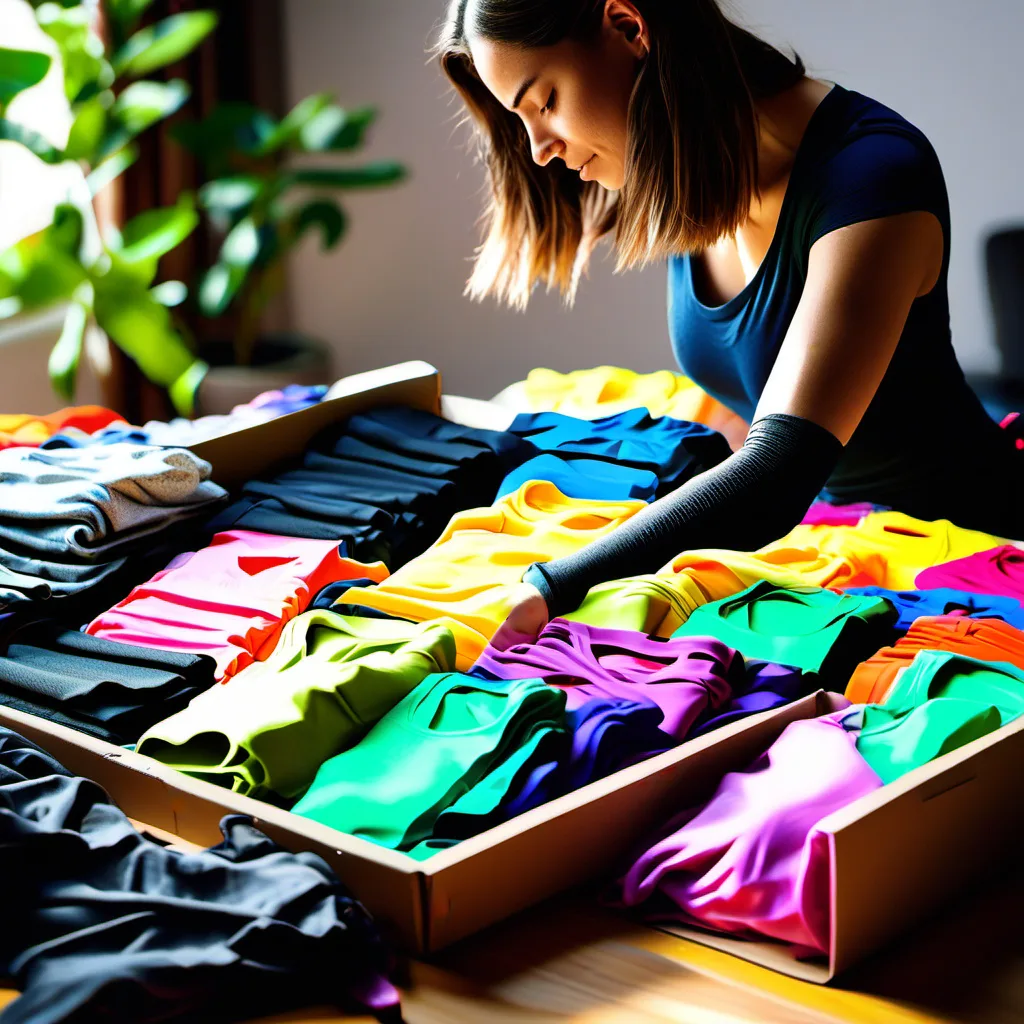
- Photograph Like a Pro: Use natural light. Lay the item flat on a neutral background. Take photos of the full front and back, the fabric texture, the brand/logo tag, the size tag, the inside seam (for Lululemon size dots), and any unique details or flaws. Honesty about flaws builds trust and prevents returns.
- Craft a Detailed Listing: Include the brand, exact style name, color, size, material, and condition. Describe the fit (e.g., “runs true to size,” “high-rise”). Disclose any pilling, fading, or seam issues upfront. Transparency is your best policy.
- Price Strategically: Research what similar items in similar condition have recently sold for (not just what’s listed). Price competitively to attract buyers quickly, or price slightly higher if you’re willing to wait and negotiate.
- Ship Promptly and Securely: Use the shipping method provided by the platform. Package items neatly, folding them carefully. Prompt shipping leads to positive reviews and repeat customers.
Spotting Fakes and Ensuring Authenticity
The popularity of resale activewear has inevitably attracted counterfeiters. Protecting yourself is crucial.
- Know the Telltale Signs: For Lululemon, check the size dot. Authentic dots are cleanly printed inside a pocket or waistband seam. Misspellings on tags (“Lululemoon,” “VitaSea”), poorly finished seams, and fabric that feels thin or plasticky are major red flags. Authentic technical fabrics have a distinct, high-quality hand-feel.
- Compare to Authentic References: Use the brand’s official website as a reference for logos, tag formatting, and style details. If a deal seems too good to be true for a popular, high-ticket item, it often is.
- Leverage Platform Protections: Buy from sellers with strong positive reviews. Use platforms that offer authentication services for luxury items (like The RealReal) or buyer protection policies that allow returns if an item is not as described.
The Cross-Sport Specialists: Under Armour, Athleta, and Outdoor Voices in Secondary Circulation
While Lululemon dominates the yoga studio and Nike claims the track, several brands have cultivated distinct niches that translate into predictable resale patterns. Under Armour’s foundational presence in team sports creates a steady, if less glamorous, secondary market for its performance basics. The brand’s HeatGear compression shirts and Storm waterproof running jackets are perennial sellers, particularly in men’s standard sizes, where demand from athletes, gym-goers, and construction workers converges. Resale listings often highlight the item’s specific sport utility—”great for football linemen layer,” “ideal for cold-weather runs”—which attracts buyers seeking function over fashion. Pricing is pragmatic: expect 60-75% depreciation on common colors, but specialized items like ColdGear Infrared hunting baselayers or team-issued gear can hold surprising value due to their technical specificity and limited retail availability.
Athleta, as Gap Inc.’s answer to the premium activewear market, occupies a fascinating middle ground. Its resale market is heavily influenced by its inclusive sizing and versatile, travel-friendly designs. The Salutation Stash pocket leggings and Ultimate stash tights are workhorses, selling consistently across sizes 0-26. Unlike brands with frenzied color-drop culture, Athleta’s resale strength lies in its core neutrals and practical prints; a black pair of Salutation leggings in Tall length often sells faster than a seasonal hue. The brand’s Brooklyn ankle pants have a cult following in the “business casual athleisure” niche, frequently reselling at just 30-40% off retail because they bridge wardrobe categories seamlessly. Sellers should note that Athleta’s retail promotions are frequent, so resale pricing must account for potential new-item discounts buyers could find direct.
Outdoor Voices presents a case study in brand narrative affecting resale vitality. At its peak, the brand’s aesthetic-first approach and limited-edition colorways generated a secondary market akin to Girlfriend Collective’s. While its retail presence has contracted, dedicated communities on Depop and Poshmark sustain demand for its signature pieces. The Exercise Dress remains a singular resale standout, with certain early colorways (like the original “Fig” or “Gecko”) fetching near-original prices from collectors. The brand’s trademark Rectrek pants and CloudKnit fabric sweatshifts also maintain followings. The resale market for Outdoor Voices is bifurcated: core items in current colors sell at deep discounts (50-70% off), while discontinued archival pieces command premium prices from those seeking a specific piece of the brand’s zeitgeist. For sellers, accurately identifying the collection season (often indicated on the inner tag’s style code) is crucial for pricing these niche items correctly.
Fabric Science: How Material Composition Dictates Resale Longevity and Value
Beyond brand names, the chemical and structural properties of athletic fabrics are the true determinants of an item’s secondhand lifespan and desirability. Savvy resale participants understand that not all “technical fabric” is created equal, and this knowledge directly impacts pricing strategies and purchasing decisions. Polyester-based fabrics engineered for moisture-wicking, like Nike’s Dri-FIT or Under Armour’s Microthread, generally show the least visible wear over time. Their synthetic fibers resist pilling and fading better than natural-synthetic blends, making items constructed from them safer bets in “Good” or “Excellent” used condition. However, these fabrics can retain body odor if not washed properly with enzymatic detergents; a buyer should inquire about wash routine, while a seller can add value by noting “washed with sport-specific detergent.”
Nylon-based compression fabrics, such as Lululemon’s Luxtreme or Sweaty Betty’s Super Sculpt, are the darlings of the resale world for their durability. Their four-way stretch recovery is exceptional, meaning leggings that have been worn 100 times can still return to their original shape after washing. The resale premium for items in these fabrics is tangible; a pair of Luxtreme Wunder Unders in “Good” condition will sell faster and for 15-20% more than a similar-age pair in the softer, more delicate Nulu. The trade-off is that nylon fabrics are more prone to developing shiny, worn patches (“sheen”) in high-friction areas like the inner thighs. Transparent photography and disclosure of any sheen are essential for seller credibility, while buyers should view minor sheen as a normal wear pattern that doesn’t affect performance.
The resale market’s most volatile segment involves proprietary blended fabrics that define a brand’s identity but have known aging characteristics. Girlfriend Collective’s signature compressive Recycled Polyester-Spandex is notoriously durable but can develop a distinct “bubbled” texture along seams after years of heavy use—a flaw buyers either accept as patina or reject outright. Alo Yoga’s Airlift fabric, while visually striking, is prone to subtle snags and requires careful handling; a tiny pull can unravel, dramatically reducing resale value. Conversely, Patagonia’s Capilene and Regulator series actually improve with age, becoming softer without losing thermal efficiency, which is why 10-year-old Capilene base layers regularly sell for 50% of their original price. Understanding these material narratives allows sellers to accurately grade condition and lets buyers make informed decisions that match their tolerance for wear.
The Niche Economies: Specialized Gear for Running, Cycling, and CrossFit
Beyond mainstream athleisure lies a parallel resale universe catering to serious athletes, where technical specifications trump brand prestige and condition grading is ruthlessly objective. The running gear market, for instance, operates on starkly different principles. Shoes have a finite lifespan measured in miles, not years, creating a complex secondary market. While selling used running shoes is generally discouraged for performance and hygiene reasons, there’s robust resale activity for like-new or minimally worn models from brands like Hoka, Brooks, and On Running. The key is meticulous documentation: sellers must photograph the outsole tread depth, note the manufacturing date (via code on the tongue), and honestly estimate mileage. A Hoka Clifton with 50 miles on it might sell for 60% of retail to someone wanting to test the model, while the same shoe with 300 miles is virtually worthless. Apparel from technical running brands like Tracksmith and Satisfy commands cult resale prices due to limited production runs and performance-focused designs; their merino wool blends and proprietary Japanese fabrics are highly sought after by connoisseurs.
Cycling apparel represents perhaps the most specialized and condition-sensitive resale category. Brands like Rapha, Assos, and Pearl Izumi produce jerseys, bib shorts, and jackets with advanced aerodynamic fabrics, seamless chamois pads, and gripper elastic that degrade with use. The resale value of a $300 pair of bib shorts hinges almost entirely on the integrity of its chamois, which compresses and loses cushioning over time. Sellers must provide clear, close-up photos of the pad area and disclose the approximate number of rides. High-end items with defective or worn-out chamois are often relegated to the “parts or repair” market for their durable Lycra fabric alone. Conversely, lightly used thermal jackets and gilets from these brands retain excellent value, as their technical weatherproof membranes (like Gore-Tex Infinium) remain effective for years. The cycling resale market thrives on forums and dedicated platforms like The Pro’s Closet, where buyer knowledge is high and condition descriptions are brutally honest.
CrossFit and high-intensity functional training gear has spawned its own rugged resale ecosystem, dominated by brands like Nobull, Strike Movement, and Born Primitive. Durability is the primary currency here. Nobull’s trainer shoes, known for their scratch-resistant surfaces, show remarkably little wear even after months of rope climbs and box jumps, allowing them to resell at 70-80% of retail if clean. Apparel from these brands is designed to withstand barbell knurling, gym floor abrasion, and chalk dust, meaning even heavily used leggings and tanks often have significant life left. The resale market values function over form: small scuffs or fabric pilling from knee sleeves are considered badges of honor rather than flaws, and items are frequently listed with notes like “broken in for perfect mobility” or “chalk stains on hem from rig work.” This utilitarian perspective creates a forgiving pricing environment where honest wear doesn’t drastically diminish value, provided the item’s structural integrity—seams, zippers, elastic—remains intact.
Seasonal and Regional Market Fluctuations: Timing Your Buys and Sells
The activewear resale market is not static; it experiences predictable annual cycles and geographic variations that astute participants can leverage. Understanding these patterns is the difference between an item languishing unsold for months and commanding a premium price within days. The most pronounced seasonal swing occurs between January and March, when New Year’s resolution-driven demand surges. This is the optimal time to sell common, entry-level items from brands like Nike, Adidas, and Under Armour. Buyers seeking affordable gear to start fitness routines flood platforms, often paying 20-25% above the autumn market rate for basic leggings, training shoes, and sports bras in “Good” condition. Conversely, mid-summer (July-August) sees a dip in demand for indoor training gear and a spike for outdoor-specific items like running shorts, moisture-wicking hats, and lightweight hiking layers from Patagonia and The North Face.
Regional climate dramatically influences local resale micro-economies on platforms that allow location-based search. In the humid Southeast United States, breathable, quick-dry fabrics from brands like Vuori and Ten Thousand command year-round premiums, while heavy thermal layers sell slowly and at deep discounts. In the Pacific Northwest, waterproof and water-resistant shells from Arc’teryx and Columbia maintain strong resale value even with visible wear, because their functional utility outweighs cosmetic imperfections. Sellers in these regions can optimize listings by highlighting climate-appropriate features—”perfect for Seattle drizzle,” “ideal for Atlanta humidity.” Meanwhile, buyers in less active markets can exploit geographic arbitrage by searching nationally for items that are locally undervalued; a lightly used Arc’teryx Atom LT jacket might sit unsold in Florida but sell within hours in Colorado.
The academic calendar introduces another layer of market rhythm. Late August and early September see increased demand for collegiate-themed activewear and general gym basics as students outfit dorm rooms and campus fitness centers. This is an excellent window to sell mid-tier brands like Champion (reverse weave sweatshirts), Gymshark, and FP Movement. Conversely, May and June often bring a flood of inventory onto resale platforms as graduates and students moving apartments clear out closets, creating buyer opportunities for those willing to sift through volume. Holiday seasons introduce their own quirks: the weeks following Christmas see a surge of new-with-tags items gifted in wrong sizes or unwanted styles, often listed at 30-40% below retail by recipients seeking quick cash. This post-holiday period is prime time for buyers seeking current-season items at a discount, while sellers are advised to wait until late January, when the resolution rush begins, to list their premium items.
The Data-Driven Approach: Using Analytics and Price Tracking Tools
Moving beyond intuition and casual browsing, sophisticated resale participants are employing data analytics and specialized tools to optimize their transactions. This quantitative approach demystifies pricing strategies and reveals market inefficiencies. Several browser extensions and standalone services now aggregate historical sales data from platforms like Poshmark, eBay, and Depop. Tools such as Poshmark Price Checker or Soldr allow users to see the actual sale price (not just listing price) for any given item over the past 90-180 days, complete with condition notes and time-to-sell metrics. For a seller determining whether to list a pair of Lululemon Fast & Free leggings at $55 or $65, seeing that 42 identical pairs sold at an average of $58 over the past month, with those priced at $60+ taking three weeks longer to sell, provides actionable clarity.
Beyond simple price tracking, advanced analytics can identify macro trends invisible to the casual observer. For instance, data might reveal that size inclusivity directly impacts resale velocity: Athleta and Fabletics items in sizes 1X-3X sell 40% faster than straight sizes in the same style, due to limited plus-size retail options. Similarly, analytics can quantify the “color premium” for specific brands; while Lululemon’s rare colors command higher prices, data shows that for Nike, core black and white actually retain value better than seasonal hues, which see steep depreciation. These insights allow sellers to prioritize which items to list first and help buyers identify undervalued opportunities—perhaps purchasing that bright coral Nike tank at a deep discount knowing it’s less liquid, but perfect for their needs.
For high-volume sellers or those dealing in luxury activewear, inventory management platforms like List Perfectly or Vendoo integrate cross-platform analytics with listing automation. These tools can track which platforms yield the highest final value for specific brand categories (e.g., Alo Yoga sells for 15% more on The RealReal than on Poshmark, but takes longer), calculate profit after fees and shipping, and even suggest optimal listing times based on when similar items historically sell. This data layer transforms resale from a hobbyist’s side hustle into a predictable, optimized micro-business. Even casual users benefit from adopting a few data-aware habits: maintaining a simple spreadsheet of your own purchase prices and final sale prices to calculate your personal ROI, or setting up saved searches with price alerts for your most-wanted items to strike when market dips occur.
Beyond the Major Platforms: Alternative Channels and Community Markets
While Poshmark and Depop capture the lion’s share of attention, a sprawling ecosystem of alternative resale channels offers distinct advantages for specific types of activewear, often with lower fees, higher trust, and specialized buyer knowledge. Facebook Marketplace and local buy/sell groups remain surprisingly effective for bulky, low-margin items where shipping costs erode profitability on national platforms. A barely used Bowflex adjustable kettlebell set or a Peloton bike mat might sell within hours locally for cash, while languishing on Poshmark after factoring in heavy shipping. Similarly, high-end home gym equipment from Rogue or Rep Fitness has a vibrant resale market on Facebook, driven by regional fitness communities that value the ability to inspect before purchasing.
Dedicated brand-specific communities offer another layer of trusted resale. Reddit hosts active buy/sell/trade threads within subreddits like r/lululemon, r/OutdoorVoices, and r/veilance, where enthusiasts trade with detailed knowledge and established reputation systems. These forums often feature hard-to-find archival pieces, sample sale items, and international exclusives that rarely surface on mainstream platforms. The trade-off is the lack of formal payment protection, but the community self-polices through user flair (verified trader status) and meticulous posting rules. For rare Lululemon items from the early 2010s or limited-edition Arc’teryx collaboration pieces, these niche communities are often the only viable marketplaces.
At the highest end of the technical spectrum, gear trade-in programs run by specialty retailers create a curated secondary market with guaranteed authentication. Backcountry’s Gearhead program, REI’s Used Gear online portal, and Patagonia’s own Worn Wear site offer inspected, graded, and warranted pre-owned items from premium outdoor performance brands. While prices are generally higher than peer-to-peer platforms, the assurance of functionality—especially for complex items like GPS running watches, technical backpacks with intact waterproofing, or climbing harnesses with verified safety—justifies the premium for many buyers. For sellers, these programs offer convenience and guaranteed payout (often as store credit at 105-110% value) in exchange for a lower cash return. This ecosystem of alternative channels ensures that virtually every category of activewear, from everyday leggings to $900 Gore-Tex pro-shell jackets, has an optimized secondary marketplace matching its value proposition and risk profile.
The Psychological Calculus: Understanding Buyer Motivations Beyond Price
While financial savings drive most resale activity, a complex matrix of psychological factors influences purchasing decisions at the individual transaction level. Successful sellers who understand and subtly address these motivations in their listings can accelerate sales and command modest premiums. One powerful driver is sustainable identity signaling. For a segment of buyers, purchasing pre-owned activewear isn’t just about saving money; it’s a tangible expression of environmental values. Listings that explicitly mention the item’s circular economy benefit—”kept out of landfill,” “water footprint saved,” “previous owner loved these for three years”—resonate with this audience. Including metrics like “equivalent to 12 plastic bottles recycled” for Girlfriend Collective items or “Patagonia Worn Wear certified” taps directly into this motivation.
Another significant psychological factor is risk reduction through proven performance. Many buyers of used technical gear are actually mitigating the risk of an expensive new purchase that might not work for their body or activity. A runner hesitant to spend $180 on new Hoka Carbon X3 racing shoes might gladly pay $100 for a gently used pair to test the model’s fit and response. Sellers can leverage this by including detailed performance notes: “these shorts never chafed on long runs,” “this bra provides medium support perfect for B/C cup,” “these leggings stayed up during intense HIIT without constant adjustment.” This transforms a listing from a simple commodity transaction into a trusted recommendation, lowering the buyer’s perceived risk.
The nostalgia and collectibility impulse creates surprising value in discontinued items that evoke specific eras or memories. Lululemon’s Groove Pant from the mid-2000s, with its distinctive wide-leg silhouette, now sells above its original retail price to buyers seeking early-aughts yoga aesthetics. Similarly, limited-edition collaboration pieces from brands like Adidas x Parley or Nike x Off-White transcend their athletic function to become wearable collectibles. Sellers dealing in these items should research and reference the cultural context—”from the 2018 Ocean Plastic collection,” “worn in the Tokyo Marathon edition”—while buyers should recognize they’re participating in a hybrid market where apparel value intersects with memorabilia culture. Understanding that resale purchases often satisfy emotional and identity needs as much as practical ones allows both parties to navigate the market with greater sophistication and satisfaction.
FAQs: Your Activewear Resale Questions Answered
Q: How much of a discount can I expect when buying activewear on resale?
A: It varies widely by brand, rarity, and condition. For current-season Lululemon in “Excellent” condition, expect 20-40% off retail. For discontinued, sought-after colors, you might pay near or even above retail. For mainstream Nike or Adidas basics, discounts of 50-70% are common. The best deals are often on items that are a few seasons old but still in great shape.
Q: What condition should my items be in to sell them?
A: You can sell items in almost any condition, but “Excellent” or “Good” condition will sell fastest and for the best price. Items with minor pilling (which can be removed with a fabric shaver), faint wear, or small stains (if disclosed) can still sell. Heavily damaged items with holes, severe fading, or stretched-out elastic have a very small market.
Q: Which resale platform is best for activewear?
A: Poshmark is the dominant player for mainstream brands like Lululemon, Nike, and Athleta due to its social features and bundled shipping. Depop is excellent for trend-driven and vintage athleticwear, popular with a younger demographic. ThredUP is good for consigning a large volume of mid-tier brands quickly, though payouts are lower. The RealReal is the destination for authenticated luxury activewear from brands like Alo and Sweaty Betty.
Q: How do I determine a fair price for my item?
A: Research is essential. On your chosen platform, search for the identical item (brand, style, color, size) and filter to show “Sold” listings. This shows you the actual price point the market has borne. Price your item within that range, factoring in its condition relative to the sold items you see.
Q: Is buying used activewear hygienic?
A> With proper cleaning, yes. Technical athletic fabrics are designed to be washed frequently and handle sweat. Upon receiving any resale item, you should wash it before wearing. Use a sport-specific detergent or a gentle, scent-free detergent to remove any residues and ensure freshness. This is a standard and recommended practice for all secondhand clothing.