Introduction
Peanut butter has long been a breakfast staple, a gou2011to snack, and a key ingredient in countless recipes. Its rich, nutty flavor and protein punch make it hard to beat. Yet for those with tree nut allergies, soy sensitivities, or simply a desire to broaden their palate, the world of nutu2011free spreads offers exciting alternatives that can rival peanut butter in taste, texture, and versatility. This guide explores the most popular nutu2011free options, highlights their nutritional profiles, and provides practical tips for incorporating them into daily meals. Whether youu201re a parent seeking safe lunchbox items, an athlete looking for plantu2011based protein, or a foodie curious about new flavors, youu2019ll discover spreads that deliver on both nutrition and enjoyment.
Key takeaways
- Store spreads in the refrigerator and stir well before use to prevent oil separation and maintain consistency.
- Use sunflower seed butter as a direct, neutral-tasting substitute for peanut butter in classic recipes like sandwiches.
- Incorporate pumpkin seed butter for magnesium and zinc, or tahini for a boost of calcium and iron.
- Choose soy nut butter for a complete plant-based protein source that is safe for those with nut allergies.
- Always check product labels for cross-contamination warnings to ensure safety in nut-free households.
Sunflower Seed Butter: The Creamy Classic
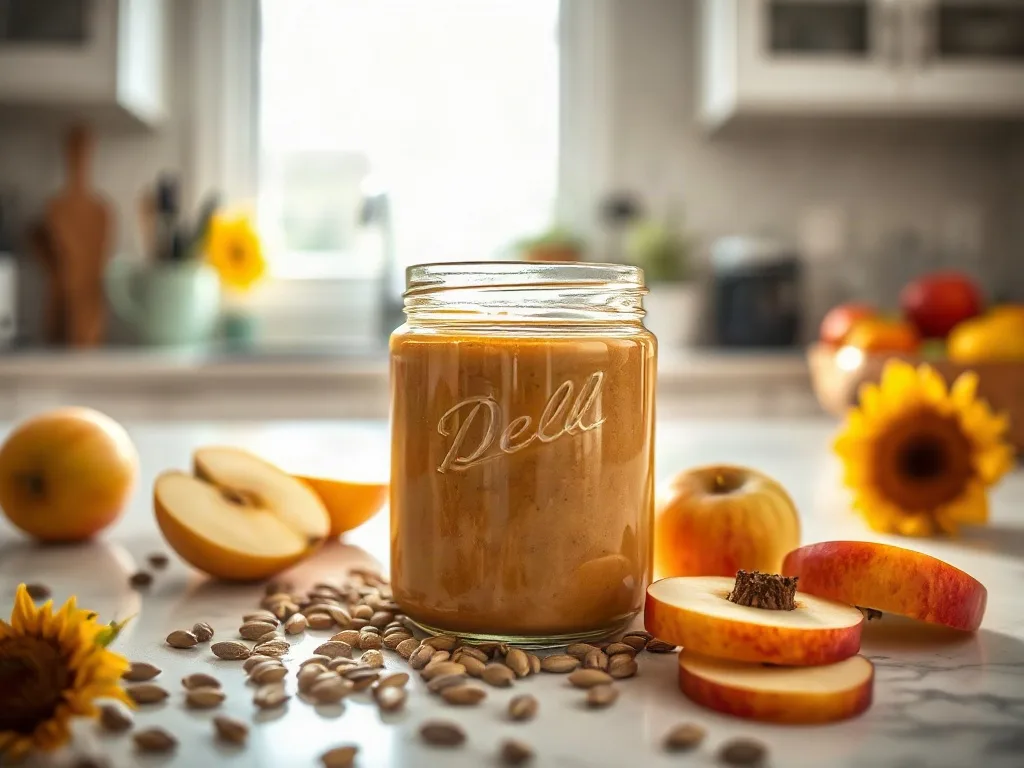
Sunflower seed butter, often sold under the brand name SunButter, has become a benchmark for nutu2011free spreads. Made from roasted sunflower seeds that are ground into a smooth paste, it retains a natural oil that gives it a glossy, creamy texture similar to peanut butter. The flavor is subtly sweet with a mild earthy note, making it a versatile base for sandwiches, smoothies, and baking.
nutritionally, sunflower seed butter is rich in monounsaturated fats, which support heart health, and provides a good dose of vitamin E, an antioxidant that protects cells from oxidative stress. It also contains protein and fiber, helping to sustain energy levels and promote satiety. For those monitoring sodium intake, many commercial varieties are lowu2011sodium, though homemade versions allow you to control the amount of salt and added oils.
Practical tip: Store sunflower seed butter in the refrigerator after opening to prevent oil separation. If separation occurs, give the jar a gentle stir before each use. Its stable shelf life and neutral taste make it an excellent substitute in classic recipes like the PBu2011J sandwich u2013 simply replace the peanut butter with an equal portion of sunflower seed butter for a dairyu2011free, nutu2011free version.
Pumpkin Seed Butter: Sweet and Savory Versatility
Pumpkin seed butter captures the earthy richness of roasted pumpkin seeds in a spreadable form. Its deep orangeu2011red hue signals a high betau2011carotene content, offering antioxidant benefits and supporting immune function. The flavor profile is nutty with a hint of sweetness, making it suitable for both sweet and savory applications.
From a nutritional standpoint, pumpkin seed butter is a source of magnesium, zinc, and healthy fats. Magnesium helps regulate muscle and nerve function, while zinc supports immune health. The spread also contains phytosterols, compounds that may help lower cholesterol levels when consumed as part of a balanced diet.
Culinary ideas: Use pumpkin seed butter as a dip for apple slices or celery sticks. For a savory twist, mix it with Greek yogurt and a dash of paprika to create a proteinu2011rich dip for roasted vegetables. In baking, substitute half the peanut butter in cookies with pumpkin seed butter for a moist crumb and a subtle pumpkin aroma. Because the oil can separate, stir the jar occasionally and keep it refrigerated for optimal consistency.
Tahini: The Mediterranean Powerhouse
Tahini, a paste made from ground sesame seeds, has been a staple in Middle Eastern cuisine for centuries. Its buttery texture and nutty flavor make it a natural fit for nutu2011free spreads. Unhulled tahini offers a darker color and a stronger, more robust taste, while hulled tahini is milder and smoother.
Sesame seeds are a powerhouse of nutrients. They provide calcium, magnesium, and iron, supporting bone health and oxygen transport in the blood. The seeds also contain lignans, antioxidants linked to heart health and hormone balance. Additionally, tahini delivers healthy fats that aid in the absorption of fatu2011soluble vitamins.
Recipe suggestions: Blend tahini with lemon juice, garlic, and olive oil for a quick hummus base. For a sweet treat, stir tahini into oatmeal or yogurt with a drizzle of honey and topped with fresh berries. Tahiniu2019s high oil content means it can become runny at room temperature, so a brief stir before each use helps maintain a uniform texture.
Coconut Butter: Tropical Richness
Coconut butter is the solid, emulsified version of coconut cream, created by blending cooked coconut meat until it becomes a smooth, spreadable paste. Unlike coconut oil, which is purely fat, coconut butter retains some of the coconut meatu2019s fiber and protein, giving it a richer mouthfeel and a slightly sweet, tropical flavor.
Nutritionally, coconut butter supplies mediumu2011chain triglycerides (MCTs), which the body can convert into quick energy. It also provides lauric acid, a fatty acid with antimicrobial properties that may support immune function. The fiber content aids digestion and promotes feelings of fullness.
Practical uses: Spread coconut butter on wholeu2011grain toast for a creamy breakfast that pairs well with banana slices. In baking, replace a portion of butter with coconut butter to add moisture and a subtle coconut flavor. Because coconut butter can be soft at room temperature, store it in the fridge for firmer consistency and stir well before each serving to reu2011emulsify any separated oil.
Soy Nut Butter: Plant-Based Protein Boost
Soy nut butter is made from roasted soybeans that are ground into a smooth paste. Although the name includes u201cnut,u201d soy is a legume, making it a safe option for those allergic to tree nuts and peanuts. The texture can range from creamy to crunchy, depending on how finely the beans are processed.
Soybeans are a complete protein, containing all nine essential amino acids, which is rare for plant foods. Soy nut butter therefore provides a substantial protein source, supporting muscle repair and satiety. It also delivers isoflavones, plant compounds that may help balance hormones and support bone health.
Cooking ideas: Swap soy nut butter for peanut butter in smoothies for a proteinu2011rich boost. Use it as a binder in homemade energy bars, combining it with oats, honey, and dried fruit. Because soy nut butter can be oilu2011prone, keep it refrigerated and stir before each use to maintain a uniform consistency.
Creative Recipes Using Nut-Free Spreads
Beyond simple spreads, nutu2011free options can elevate a variety of dishes. For a proteinu2011packed breakfast, blend sunflower seed butter, banana, Greek yogurt, and a dash of cinnamon into a thick smoothie bowl. Top with sliced almonds (if nutu2011free) and shredded coconut for texture.
Snack time gets a makeover with pumpkin seed butteru2019s natural sweetness. Spread a thin layer on rice cakes, then sprinkle with dark chocolate chips for a quick, energyu2011dense treat. For lunch, mix tahini with mashed avocado, cherry tomatoes, and a squeeze of lime to create a vibrant sandwich spread that pairs well with wholeu2011grain pita.
Baking enthusiasts can experiment by substituting half the butter in brownies with coconut butter, resulting in a chewy crumb and a hint of tropical flavor. In cookie dough, incorporate soy nut butter with rolled oats, a touch of maple syrup, and chopped dried cranberries for a chewy, nutritious snack.
When working with these spreads, remember that each has a different oil content. Stirring thoroughly after storage prevents separation, and refrigerating extends shelf life while maintaining flavor. Additionally, always check labels for potential crossu2011contamination warnings if you or someone you cook for has severe allergies.
Frequently Asked Questions
Q: Are nutu2011free spreads safe for people with tree nut allergies?
A: Yes, spreads made from seeds, sesame, coconut, or soy are generally safe for individuals with tree nut allergies, provided they do not have additional nut ingredients. Always read product labels and look for certifications indicating they are produced in nutu2011free facilities to avoid crossu2011contamination.
Q: How do the calories in nutu2011free spreads compare to peanut butter?
A: Calorie counts vary by ingredient and added sugars. Sunflower seed butter and tahini are typically comparable to peanut butter, while coconut butter is slightly higher in calories due to its fat content. Checking serving sizes on nutrition facts labels helps maintain balanced intake.
Q: Can I use these spreads in baking without them separating?
A: Yes. To prevent separation, keep spreads refrigerated and gently stir before each use. In recipes that call for melted butter, you can replace half the butter with nutu2011free spreads, but be aware that some, like coconut butter, may alter the texture slightly.
Q: Do nutu2011free spreads contain added sugars?
A: Many commercial varieties include small amounts of sugar or honey for flavor. Choose unsweetened versions or those with minimal added sugars if you are monitoring carbohydrate intake. Homemade spreads allow full control over sweetness.
Q: What is the best way to store homemade nutu2011free spreads?
A: Store homemade spreads in airtight jars in the refrigerator. They typically last 1u20132 weeks. If oil separation occurs, warm the jar in a bowl of hot water, then stir thoroughly to reu2011emulsify. This extends shelf life and maintains a smooth texture.
Related posts:
 Beyond Breakfast: The Plant-Based Sausage That’s Changing the Morning Game
 The Coconut Pudding That Tastes Like Dessert But Isn’t
 Creative Pumpkin Seed Recipes
 Sweet Tooth Salvation: Sugar-Free Keto Dessert Bites That Actually Taste Amazing
 Zoe Kravitz’s Coconut Oil Hair Care Secret
 Healthy Homemade Peanut Butter Cup Recipe
 Sunflower Seed Butter Benefits
 High-Protein Foods That Pack a Serious Nutritional Punch