
Baked feta has taken the internet by storm, especially on TikTok. But this viral trend is more than just a flash in the pan. There are countless delicious ways to cook baked feta that go beyond the basic recipe. Here, we explore a variety of methods to elevate your baked feta game and make it a staple in your kitchen.
Why Baked Feta?
Feta cheese is a versatile ingredient, beloved for its tangy flavor and crumbly texture. Baking feta transforms its consistency into a creamy, melt-in-your-mouth delight. It’s an excellent source of protein and calcium, making it a nutritious addition to any meal. Plus, it’s incredibly simple to prepare.
Classic Baked Feta with Cherry Tomatoes
The classic baked feta recipe that went viral consists of feta, cherry tomatoes, olive oil, garlic, and herbs. Here’s a quick rundown:
- Preheat your oven to 400°F (200°C).
- Place a block of feta in the center of a baking dish.
- Surround it with cherry tomatoes, minced garlic, and a generous drizzle of olive oil.
- Season with salt, pepper, and your favorite herbs (basil, oregano, or thyme).
- Bake for 30 minutes until the tomatoes burst and the feta is golden brown.
Once baked, mix everything together and serve over pasta or with crusty bread.
Spicy Baked Feta with Honey
Add a little heat and sweetness to your baked feta with this spicy honey variation:
- Preheat your oven to 375°F (190°C).
- Place a block of feta in a baking dish.
- Drizzle with olive oil and honey.
- Sprinkle with red pepper flakes and fresh thyme.
- Bake for 20-25 minutes until the feta is soft and slightly browned.
This dish pairs beautifully with a salad or as a dip with pita chips.
Baked Feta with Roasted Vegetables
Combine the benefits of vegetables with the creamy texture of baked feta:
- Preheat your oven to 400°F (200°C).
- In a large baking dish, arrange a variety of vegetables (bell peppers, zucchini, red onions, and cherry tomatoes).
- Place a block of feta in the center.
- Drizzle with olive oil, and season with salt, pepper, and herbs.
- Bake for 30-35 minutes until the vegetables are tender and the feta is golden.
This can be served as a main dish or a hearty side.
Baked Feta Pasta with Spinach and Artichokes
Elevate your pasta game with feta, spinach, and artichokes:
- Preheat your oven to 400°F (200°C).
- In a baking dish, place a block of feta with artichoke hearts and fresh spinach.
- Drizzle with olive oil, and season with garlic, salt, and pepper.
- Bake for 25-30 minutes until the feta is creamy.
- Cook your favorite pasta and mix it with the baked feta mixture.
This creates a rich, flavorful pasta dish that’s sure to impress.
Selecting the Ultimate Feta Block: Brine, Origin, and Milk Content
To truly master baked feta, you must look beyond the generic plastic-wrapped blocks found in the supermarket dairy aisle. The chemical composition of the cheese—specifically its moisture content and fat ratio—determines whether your finished dish will be creamy and spreadable or rubbery and dry. Authenticity matters here; Greek Feta is a Protected Designation of Origin (PDO) product, meaning it must contain at least 70% sheep’s milk, with the remaining 30% often being goat’s milk. This high fat content from sheep’s milk is the secret to that luscious, velvet-like texture after 30 minutes in a hot oven.
When shopping, prioritize feta sold in brine. The brine acts as a preservative and a seasoning agent, keeping the cheese hydrated. If you use a vacuum-sealed “dry” block, the exterior can become tough and leathery before the interior has a chance to soften. If you find your feta is overly salty—a common trait in Bulgarian varieties—you can soak the block in plain water or milk for 30 minutes before baking to mellow the flavor profile. Conversely, French feta, which is often made from 100% sheep’s milk, tends to be milder and creamier, making it the ideal choice for those who find traditional Greek feta too pungent. Avoid pre-crumbled feta at all costs; these products are coated in anti-caking agents like potato starch or cellulose, which prevent the cheese from melting and merging with your other ingredients.
Mediterranean Infusions: Incorporating Olives, Capers, and Briny Accents
While the classic cherry tomato version is a crowd-pleaser, the logic of baked feta lends itself perfectly to a more complex, briny Mediterranean profile. Elevating the dish involves layering textures that provide a counterpoint to the richness of the cheese. Consider adding a mix of Kalamata and Castelvetrano olives. The Kalamatas provide a sharp, vinegary punch, while the buttery Castelvetranos offer a mild, nutty sweetness. When these are roasted alongside the feta, their skins blister and their oils infuse the surrounding olive oil, creating a deep, savory sauce.
Capers and salt-cured anchovies are another way to introduce umami. If you are hesitant about anchovies, roasting them causes them to dissolve into the oil, providing a background depth that isn’t overtly “fishy.” To brighten these heavy, salty flavors, add wide strips of lemon zest removed with a vegetable peeler. Unlike minced zest, these larger curls won’t burn; instead, they confit in the olive oil, releasing essential oils that cut through the fat of the feta. For an edge case, try adding a tablespoon of balsamic vinegar or a splash of dry white wine to the baking dish halfway through the cooking process. The acidity helps to deglaze the browned bits (the fond) forming at the bottom of the pan, resulting in a more cohesive sauce for your bread or pasta.
Fruit-Forward Feta: Balancing Salt with Roasted Grapes, Figs, and Stone Fruits
The marriage of salty cheese and sweet fruit is a culinary cornerstone, and baking feta with fruit creates a sophisticated appetizer that bridges the gap between savory and dessert. Red seedless grapes are perhaps the best entry point. When roasted at 400°F (200°C), grapes undergo a transformation: their skins tighten and pop, releasing a concentrated juice that mingles with the feta’s brine to create a purple-hued syrup. This pairing is particularly effective when garnished with fresh rosemary, as the piney aroma of the herb complements the sweetness of the fruit.
As the seasons change, so should your fruit choices. In late summer, fresh figs halved lengthwise and placed cut-side down around the feta provide a jammy, honey-like consistency. In the autumn, thinly sliced Bosc pears or Granny Smith apples with a sprinkle of cinnamon and a handful of walnuts create a warm, comforting profile. When using stone fruits like peaches or plums, ensure they are slightly underripe; the high heat of the oven will soften them quickly, and firmer fruit will hold its shape better during the 20-minute bake. A final drizzle of high-quality balsamic glaze or a sprinkle of flaky sea salt right before serving will highlight the contrast between the caramelized fruit sugars and the tangy cheese.
High-Heat Mastery: Achieving the Perfect Char and Crust
Texture is the most overlooked element of baked feta. While most recipes focus on the melting aspect, the “golden brown” finish mentioned in the classic recipe can be taken several steps further to create a textural masterpiece. For those who enjoy a bit of crunch, consider coating the feta block before it goes into the oven. A crust of crushed pistachios, sesame seeds, or even a light dusting of Panko breadcrumbs mixed with lemon zest can provide a protective layer that toasts while the cheese underneath becomes molten. To ensure the crust sticks, pat the feta dry with a paper towel and brush it with a thin layer of honey or an egg wash before pressing the toppings onto the surface.
Another technique for maximizing texture is the use of the broiler. If your feta is soft but lacks color after 25 minutes, switch your oven to the broil setting for the final 2–3 minutes. Watch it closely; the transition from golden to burnt happens in seconds. This high-intensity top heat creates a skin on the feta similar to the “bark” on smoked meats, trapping the steam inside and ensuring the center is as creamy as possible. If you are using a cast-iron skillet, the residual heat will continue to cook the bottom of the feta, creating a slightly fried, crispy base that is a delightful surprise when you finally break into the block with a cracker.
Middle Eastern and North African Aromatics: Beyond the Basic Oregano
To move beyond the standard Italian-herb profile, look toward the spice cabinets of the Levant and North Africa. Harissa, a Tunisian hot chili pepper paste, is a transformative addition. By whisking a tablespoon of harissa into your olive oil before drizzling it over the feta, you infuse the entire dish with a smoky, garlicky heat that penetrates the cheese. Pair this with roasted red peppers and chickpeas for a dish that feels like a deconstructed Shakshuka. The chickpeas, when roasted in the same pan, become crispy on the outside and creamy on the inside, adding a necessary protein component and a satisfying crunch.
Za’atar—a blend of dried thyme, marjoram, sumac, and toasted sesame seeds—is another powerhouse ingredient. Sprinkle it generously over the feta five minutes before it finishes baking. Adding it too early can cause the delicate herbs to burn, but a late addition allows the sumac’s citrusy notes to shine. For a more aromatic, floral approach, consider using whole spices like cumin seeds, coriander seeds, or even a few cardamom pods crushed lightly. These seeds toast in the oil, and as you scoop up the melted cheese, you get occasional bursts of intense, warm spice that elevate the feta from a simple snack to a complex, chef-quality dish.
Sheet Pan Synergy: Baking Feta with Seafood and Legumes
Baked feta can easily transition from an appetizer to a full-scale meal by strategically adding proteins that cook within the same timeframe. Large, peeled and deveined shrimp are the perfect companion. Since shrimp only require 6–8 minutes to cook, you should add them to the baking dish toward the end of the feta’s roasting time. Toss the shrimp in the same seasoned oil that surrounds the feta, and tuck them into the gaps between the tomatoes or vegetables. The juices from the shrimp will merge with the melted cheese, creating a rich, seafood-infused sauce that is reminiscent of the classic Greek dish, Shrimp Saganaki.
For a vegetarian protein boost, canned beans like cannellini, butter beans, or chickpeas are excellent candidates. Because they are already cooked, they simply need to be heated through and allowed to absorb the flavors of the dish. Butter beans, in particular, have a creamy interior that mimics the texture of the melted feta, making the dish feel incredibly indulgent without the need for heavy cream. If you’re looking for a more substantial meat option, pre-cooked chorizo or thinly sliced salami can be scattered around the cheese. As the fat renders out of the cured meats, it flavors the feta and provides a salty, spicy contrast that works beautifully with a side of crusty sourdough bread.
Equipment and Post-Bake Transformations: From Skillets to Whipped Dips
The vessel you choose for baking your feta significantly impacts the final result. While a glass pyrex dish is standard, a small cast-iron skillet is superior for heat distribution. Cast iron retains heat longer, meaning your feta will stay in its melted, gooey state for 10–15 minutes longer on the dining table than it would in ceramic. If you are cooking for a smaller group, an air fryer is a remarkably efficient tool. By placing the feta and its accompaniments in a small, oven-safe ramekin or a foil boat, you can achieve a perfectly baked block in just 10–12 minutes at 375°F (190°C), as the concentrated convection heat browns the cheese much faster than a conventional oven.
FAQ
How can I store leftover baked feta?
Leftover baked feta can be stored in an airtight container in the refrigerator for up to 3 days. Reheat in the oven or microwave before serving.
Can I use a different type of cheese?
While feta is traditional, you can experiment with other cheeses like goat cheese or halloumi. However, the texture and flavor will vary.
Is baked feta healthy?
Feta cheese is relatively low in calories and high in protein and calcium. Paired with vegetables, it can be a nutritious and balanced meal.
Can I make baked feta vegan?
Yes, you can use vegan feta alternatives made from almonds or tofu. The baking process remains the same.
What can I serve with baked feta?
Baked feta is versatile and can be served with pasta, bread, crackers, or as a topping for salads and grain bowls.
Related posts:
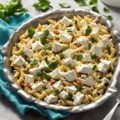 Mermaid Baked Feta Pasta
 Your Guide to Perfect Fall Baked Sweet Potatoes Every Time
 15-Minute Dairy-Free Dinner Ideas
 Chloë Grace Moretz’s Olive Oil Cleansing Method
 Fall Cauliflower Recipes You’ll Love
 Best Ways to Reheat Thanksgiving Leftovers
 Vegetable-Rich Dinner Ideas
 Beyond Breakfast: The Plant-Based Sausage That’s Changing the Morning Game