
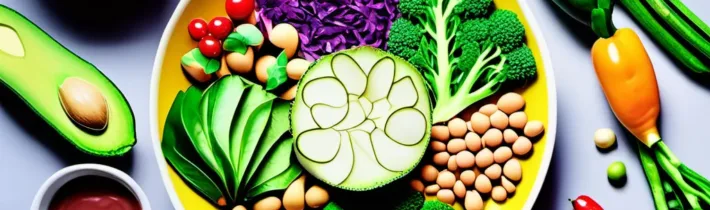
Switching to a plant‑based diet can feel like opening a fresh chapter in your health journey. The excitement of colorful plates, new recipes, and the promise of better wellbeing often comes with a steep learning curve. Many newcomers stumble over the same avoidable pitfalls, which can lead to frustration, nutrient gaps, or even a quick return to old habits. This guide pinpoints the most common mistakes beginners make, explains why they happen, and offers clear, actionable steps to keep your transition smooth, satisfying, and nutritionally sound.
1. Skipping the Meal‑Planning Phase
One of the quickest routes to stress‑filled grocery trips is walking into the store without a plan. When you rely on impulse buys, you’re likely to pick convenient, often processed items that don’t provide the balance a plant‑based diet needs.
- Why it matters: Without a plan, meals can become repetitive, lacking in essential nutrients, and may lead to excessive snacking.
- Actionable tip: Spend 30 minutes each weekend mapping out breakfasts, lunches, dinners, and snacks for the upcoming week. Write down the main protein, grain, and vegetable for each meal.
- Practical example: A simple weekly plan might include a chickpea‑spinach curry for Tuesday dinner, a quinoa‑black‑bean bowl for Thursday lunch, and overnight oats with almond butter for Monday breakfast.
Using a free spreadsheet or a meal‑planning app can help you track ingredients, reduce waste, and keep your grocery list focused.
2. Underestimating Plant‑Based Protein Sources
Protein myths abound, and many beginners assume they’ll be short‑changed without meat. In reality, a variety of beans, lentils, tofu, tempeh, edamame, nuts, and seeds can easily meet daily protein needs.
- Why it matters: Adequate protein supports muscle repair, hormone production, and satiety.
- Actionable tip: Aim for 20‑30 grams of protein per main meal. Combine complementary proteins (e.g., rice + beans) to ensure a full amino‑acid profile.
- Practical example: A bowl of brown rice (5 g protein) topped with ½ cup cooked lentils (9 g) and a sprinkle of hemp seeds (3 g) delivers about 17 g protein. Add a side of roasted chickpeas (6 g) and you’ve hit the target.
3. Overlooking Key Micronutrients
While a plant‑based diet is rich in fiber, antioxidants, and phytochemicals, certain micronutrients require extra attention: vitamin B12, iron, calcium, iodine, zinc, and omega‑3 fatty acids.
- Vitamin B12: Found naturally only in animal products. Choose fortified plant milks, breakfast cereals, or a reliable supplement (250‑500 µg weekly).
- Iron: Plant iron (non‑heme) is less absorbable. Pair iron‑rich foods (lentils, spinach, pumpkin seeds) with vitamin C sources (citrus, bell peppers) to boost uptake.
- Calcium: Include fortified tofu, kale, bok choy, and calcium‑fortified plant milks.
- Omega‑3: Incorporate ground flaxseed (1 tablespoon daily), chia seeds, or algae‑derived DHA/EPA supplements.
Keeping a simple micronutrient checklist and scheduling a yearly blood test with your healthcare provider can help you stay on track.
4. Relying Heavily on Processed Vegan Junk Food
The market now offers a plethora of plant‑based burgers, “meaty” nuggets, and cheese analogues. While convenient, these products often contain high levels of sodium, saturated fats, and additives.
- Why it matters: Overconsumption can undermine the health benefits that motivate many to adopt a plant‑based lifestyle.
- Actionable tip: Reserve processed items for occasional meals (e.g., a weekend burger night) and prioritize whole foods for daily nutrition.
- Practical example: Swap a daily frozen veggie burger for a homemade black‑bean patty seasoned with cumin, smoked paprika, and a dash of oat flour.
5. Neglecting Food Variety and Color
Eating the same few vegetables and grains can lead to boredom and nutrient gaps. Different colors signal diverse phytonutrients—each offering unique health support.
- Why it matters: Variety ensures a broader intake of vitamins, minerals, and antioxidants.
- Actionable tip: Follow the “rainbow rule”: aim to include at least five different colors in your meals each day.
- Practical example: A stir‑fry with red bell pepper, orange carrots, yellow squash, green broccoli, and purple cabbage hits all the color bases while delivering a spectrum of nutrients.
6. Ignoring Portion Sizes and Caloric Balance
Plant‑based foods are often lower in calories per volume, which can be a blessing for weight management but a challenge for those needing to maintain or gain weight.
- Why it matters: Undereating may lead to fatigue, loss of muscle mass, and hormonal disruptions.
- Actionable tip: Use a food‑tracking app for the first two weeks to gauge average intake. Adjust portion sizes of nuts, seeds, avocados, and whole grains as needed.
- Practical example: If you’re feeling hungry after a salad, add a quarter cup of cooked quinoa, a tablespoon of olive oil, and a handful of roasted chickpeas to increase calorie density without sacrificing nutrition.
7. Skipping Basic Cooking Skills
Many beginners rely on ready‑made meals or microwaveable options, missing the chance to develop confidence in cooking beans, grains, and vegetables from scratch.
- Why it matters: Mastering basic techniques reduces cost, improves flavor, and expands recipe possibilities.
- Actionable tip: Learn three core skills: (1) how to soak and pressure‑cook beans, (2) how to properly rinse and cook whole grains, and (3) how to sauté vegetables without burning.
- Practical example: A 30‑minute batch‑cook routine: soak 1 cup of red lentils overnight, rinse 1 cup of brown rice, and steam a mix of broccoli and carrots. Store in containers for quick weekday meals.
8. Not Reading Labels for Hidden Animal Ingredients
Even seemingly “vegan” products can contain hidden animal derivatives such as whey, casein, gelatin, or certain food‑colorings.
- Why it matters: Unintentional consumption can cause digestive upset for some and defeats the ethical intent of the diet.
- Actionable tip: Familiarize yourself with common animal‑derived terms (e.g., “casein,” “lactose,” “albumin,” “carmine”). When in doubt, contact the manufacturer.
- Practical example: A brand of vegetable broth may list “natural flavor” – a vague term that can hide meat extracts. Opt for certified vegan broth or make your own using simmered mushrooms, seaweed, and herbs.
9. Failing to Seek Professional Guidance When Needed
Transitioning diets is a personal journey, but a registered dietitian with plant‑based expertise can tailor recommendations to your health status, activity level, and goals.
- Why it matters: Personalized advice helps prevent nutrient deficiencies, supports performance goals, and addresses any pre‑existing conditions.
- Actionable tip: Schedule a consultation within the first month of your transition. Bring a food diary and any recent lab results for a focused discussion.
- Practical example: A dietitian may suggest a daily supplement plan of 500 µg B12, 400 mg calcium from fortified sources, and 1 gram of algae‑derived DHA/EPA based on your blood work.
1. Building a Sustainable Plant‑Based Pantry: Core Staples and Smart Storage
Before you even step foot in the grocery aisle, a well‑stocked pantry can be the difference between a week of creative meals and a series of last‑minute compromises. Think of your pantry as the foundation of your plant‑based lifestyle – a reliable set of ingredients that are versatile, nutrient‑dense, and have a long shelf‑life.
- Legume fundamentals: Stock a mix of canned and dry beans (black beans, chickpeas, kidney beans, lentils). Canned varieties are a lifesaver for quick meals; just rinse them to cut sodium. Dry beans are cheaper per serving and can be cooked in bulk, then frozen in portion‑sized bags.
- Whole‑grain anchors: Keep brown rice, quinoa, farro, barley, and rolled oats. These grains provide sustained energy, fiber, and a neutral canvas for flavors. Store them in airtight containers to protect against moisture and pests.
- Nut and seed powerhouses: Almonds, walnuts, pumpkin seeds, sunflower seeds, chia, and ground flaxseed are excellent for adding protein, healthy fats, and crunch. Ground flaxseed should be kept in the refrigerator to preserve omega‑3s.
- Flavor boosters: A well‑rounded spice rack (cumin, smoked paprika, turmeric, nutritional yeast, dried herbs) plus low‑sodium soy sauce, tamari, apple cider vinegar, and a few good quality olive or avocado oils can transform a bland base into a restaurant‑quality dish.
- Convenient shortcuts: Shelf‑stable tofu, tempeh, and canned coconut milk give you protein and richness without a refrigeration commitment. Look for BPA‑free cans and check the ingredient list for unnecessary additives.
**Smart storage tips** – Transfer bulk items from original packaging into glass jars or Mylar bags with oxygen absorbers for extended freshness. For grains and beans, a small amount of food‑grade silica gel packets can prevent clumping. Rotate stock using the “first‑in, first‑out” method: label each container with the purchase date and place newer items behind older ones.
**Edge case:** If you live in a humid climate where dry goods spoil faster, consider a small dehumidifier or store your pantry in a cooler, lower‑humidity area like a basement or a pantry with a vent. For apartment dwellers without extra storage, a tiered spice rack and a set of stackable glass containers can maximize vertical space.
Having these staples on hand not only reduces the impulse to reach for processed vegan junk but also empowers you to experiment with new cuisines – from Mexican‑style black‑bean tacos to Indian‑inspired lentil dal – without a last‑minute grocery run.
2. Leveraging Seasonal & Local Produce for Flavor, Nutrition, and Cost Savings
Seasonality isn’t just a buzzword; it’s a practical strategy that aligns your diet with nature’s rhythm. When vegetables and fruits are at peak ripeness, they contain higher concentrations of vitamins, antioxidants, and phytonutrients, and they’re usually cheaper because supply outpaces demand.
**How to identify what’s in season** – Subscribe to a regional farmer’s market calendar, use apps like “Seasonal Food Guide” or consult the USDA’s seasonal produce chart. In the Northern Hemisphere, for example, spring brings asparagus, peas, and strawberries; summer offers tomatoes, corn, and berries; autumn delivers squash, apples, and kale; winter highlights root vegetables, citrus, and Brussels sprouts.
- Cost‑cutting tip: Buy a bulk bag of a seasonal staple (e.g., carrots in winter) and freeze portions you won’t use within a week. Blanching for 2‑3 minutes before freezing preserves texture and nutrients.
- Flavor maximizer: Pair a seasonal fruit with a complementary vegetable in a salad – think orange segments with roasted beets and arugula, or sliced peach with grilled zucchini and mint.
- Meal‑prep synergy: Roast a large tray of mixed seasonal root veg (sweet potatoes, parsnips, carrots) with olive oil, rosemary, and a pinch of sea salt. Store in the fridge for up to five days; they become a ready‑to‑heat side or a protein‑rich addition to grain bowls.
**Edge case – limited access to fresh markets:** If you’re in a food‑desert area or have limited transportation, consider joining a community‑supported agriculture (CSA) program that delivers a box of seasonal produce to your door. Many CSAs now offer flexible pickup locations and even frozen‑produce options for off‑season months.
**Culinary experiment:** Use the “one‑ingredient‑focus” method each week – choose a single seasonal vegetable and build three different meals around it: a raw snack, a cooked entrée, and a fermented side. This practice deepens your palate and helps you discover new textures you might otherwise overlook.
3. Enhancing Digestive Health: Fermentation, Pre‑biotics, and Probiotics
Gut health is a cornerstone of overall wellbeing, and a plant‑based diet offers abundant opportunities to nurture beneficial bacteria. While many newcomers focus on macronutrients, paying attention to pre‑biotic fibers and probiotic foods can improve digestion, boost immunity, and even influence mood.
Pre‑biotic powerhouses – These are foods that feed the good bacteria already living in your intestines. Examples include:
- Garlic, onions, leeks, and shallots (rich in inulin)
- Jerusalem artichokes and dandelion greens (high‑fiber tubers)
- Bananas (especially when slightly green)
- Whole grains such as oats, barley, and rye
- Legumes – the same beans that provide protein also deliver resistant starch.
Probiotic foods you can make at home – Fermentation is an inexpensive way to add live cultures without buying pricey yogurts. Start with:
- Sauerkraut: Shred cabbage, massage with 1‑2 % salt, pack tightly into a jar, and let ferment at room temperature for 5‑14 days. Taste daily; when it reaches your preferred tang, refrigerate.
- Kombucha: Brew sweet black tea, add a SCOBY (symbiotic culture of bacteria and yeast), and ferment for 7‑10 days. Use glass containers only, and keep away from direct sunlight.
- Homemade tempeh: Soak soybeans, de‑hull, cook, then inoculate with tempeh starter and incubate at 30 °C for 24‑48 hours. The result is a firm cake packed with probiotics and protein.
**Practical integration** – Add a tablespoon of fermented kimchi or a quarter‑cup of miso‑based soup to your lunch a few times a week. If you’re new to fermentation, start with small batches to gauge your tolerance; some people experience temporary gas as their microbiome adjusts.
**Edge case – low‑sodium needs:** Fermented foods can be salty. To keep sodium in check, rinse sauerkraut briefly before eating or make a low‑salt version by using 0.5 % salt and extending fermentation time, which still yields a tangy flavor.
**Monitoring success:** Keep a simple gut‑health journal. Note any reductions in bloating, changes in stool consistency, or increased energy levels after incorporating pre‑biotic and probiotic foods. Over time, you’ll be able to fine‑tune the quantity and variety that works best for you.
4. Managing Cravings & Sugar: Smart Swaps, Mindful Techniques, and Stabilizing Blood Glucose
Cravings for sweets, salty snacks, or familiar comfort foods are a common stumbling block for beginners. The key is to understand the physiological drivers and then replace them with satisfying, nutrient‑dense alternatives.
Why cravings happen – Rapid spikes in blood glucose from refined carbs trigger an insulin surge, which can lead to a crash and a subsequent desire for more sugar. Additionally, emotional triggers (stress, boredom) often cue the brain to seek quick‑energy foods.
- Stabilize blood sugar: Pair every carbohydrate with protein, healthy fat, or fiber. For example, spread almond butter on a slice of whole‑grain toast instead of plain jam.
- Smart sweet swaps: Use ripe fruit (dates, bananas, mango) blended into sauces or desserts to provide natural sweetness. A date‑based energy ball (dates, oats, cocoa nibs, a pinch of sea salt) delivers a candy‑like bite with fiber and minerals.
- Salty craving fix: Roast seaweed snacks, sprinkle nutritional yeast on popcorn, or make a quick “spicy‑lime chickpea” mix with smoked paprika, lime zest, and a drizzle of olive oil.
Mindful eating practices – Before reaching for a snack, pause for 60 seconds and ask:
- Am I physically hungry or emotionally triggered?
- What nutrient am I actually missing (protein, fiber, electrolytes)?
- Can I satisfy this need with a whole‑food option?
Writing down the answer helps break the automatic loop of mindless munching.
Edge case – athletes or high‑intensity workers: If you’re expending a lot of energy, a modest amount of fast‑acting carbs post‑workout (e.g., a banana with a scoop of plant‑based protein powder) can replenish glycogen without derailing overall sugar control.
**Batch‑prep a “craving kit”** – Portion out small containers of sliced apple with cinnamon, a handful of mixed nuts, and a few dark‑chocolate‑covered almonds (70 %+ cocoa). Having these ready eliminates the need to search for an unhealthy option when a craving hits.
5. Optimizing Performance: Plant‑Based Nutrition for Athletes, Runners, and Active Lifestyles
Many beginners assume that a plant‑based diet can’t support high‑intensity training, but research and elite athlete testimonies prove otherwise. The secret lies in strategic timing, nutrient density, and adequate caloric intake.
Pre‑workout fueling – Aim for a carbohydrate‑rich snack 30‑60 minutes before activity: a small bowl of oatmeal topped with sliced banana and a drizzle of maple syrup, or a rice‑cake spread with almond butter and raisins. Include 5‑10 g of protein to curb muscle breakdown (e.g., a scoop of pea‑protein powder mixed with water).
During‑exercise hydration – For workouts longer than 60 minutes, sip a homemade electrolyte drink: water, a pinch of sea salt, a splash of orange juice, and a teaspoon of maple syrup. This provides sodium, potassium, and quick carbs without artificial additives.
Post‑workout recovery – The anabolic window is broader than once thought, but a 3:1 carbohydrate‑to‑protein ratio within two hours aids glycogen replenishment and muscle repair. Example meals:
- Quinoa‑based power bowl with roasted sweet potato, black beans, avocado, and a tahini‑lemon dressing.
- Smoothie with frozen berries, spinach, oat milk, a tablespoon of hemp seeds, and a scoop of brown‑rice protein.
Iron and zinc for endurance – Athletes, especially females, lose iron through sweat. Pair iron‑rich foods (lentils, pumpkin seeds) with vitamin C sources (bell peppers, citrus) and consider a low‑dose iron supplement if blood tests indicate deficiency.
**Edge case – ultra‑endurance events:** For multi‑day races, plan portable, high‑energy foods such as homemade energy bars (oats, nut butter, dried fruit, chia) and electrolyte‑rich soups that can be reheated on the trail using lightweight stoves.
**Monitoring performance:** Keep a training log that records not only distance and time but also meals, hydration, and perceived energy levels. Over weeks, patterns emerge that reveal which food combinations fuel you best.
6. Navigating Social Situations & Travel: Portable Meals, Cultural Adaptation, and Dining‑Out Strategies
Social gatherings and travel are often cited as the biggest obstacles to staying plant‑based. By preparing ahead and developing a flexible mindset, you can enjoy the experience without compromising nutrition.
Portable meal kits – Assemble a “travel pantry” that fits in a small cooler bag:
- Pre‑cooked quinoa or couscous (1 cup)
- Roasted chickpeas or edamame (½ cup)
- Chopped raw veggies (carrot sticks, cucumber, bell pepper)
- Single‑serve hummus or tahini packets
- Whole‑grain wraps or rice‑paper sheets for quick assembly
Combine these on the go for a balanced lunch that hits carbs, protein, and fats.
Dining‑out tactics – When the menu is limited:
- Look for “build‑your‑own” sections (bowls, salads, tacos). Start with a base of greens or grains, then add beans, tofu, or tempeh.
- Ask the kitchen to swap dairy sauces for olive‑oil‑based dressings or a squeeze of lemon.
- In ethnic restaurants, seek naturally vegan dishes: Indian dal, Middle‑Eastern falafel, Ethiopian injera with lentil stews, or Japanese edamame and seaweed salads.
Cultural adaptation – Embrace local plant‑based staples wherever you travel. In Mediterranean regions, rely on olives, tomatoes, chickpeas, and fresh herbs; in East Asian locales, explore tofu‑based soups, steamed buns, and seaweed salads.
**Edge case – airline meals:** Most airlines now offer a vegetarian option, but they may not be fully vegan. Pack a small container of nuts, a protein bar (check ingredients), and a reusable straw for water. If you have a long layover, locate an airport market and purchase a fresh fruit bowl or a pre‑packed salad.
**Social etiquette tip:** Bring a dish to potlucks. A simple lentil‑and‑sweet‑potato shepherd’s pie or a quinoa‑fruit salad can showcase flavor without demanding a meat‑centric centerpiece, and it often encourages others to try plant‑based foods.
7. Budget‑Friendly Strategies: Bulk Buying, Meal Prep, and Reducing Food Waste
One myth that deters newcomers is the belief that a plant‑based diet is prohibitively expensive. With intentional planning, you can actually lower your grocery bill compared to a typical omnivorous regimen.
Bulk purchases – Items like beans, lentils, rice, oats, and nuts are cheapest when bought in 5‑kg bags or large bulk bins. Invest in reusable silicone bags or airtight containers to keep them fresh. For nuts and seeds, a quick freeze (30 minutes) after opening can prevent rancidity.
Meal‑prep efficiency – Choose recipes that share core ingredients across multiple meals. Example 3‑day plan:
- Day 1: Cook a large pot of mixed beans (black, kidney, cannellini) with aromatics.
- Day 2: Use half of the beans for a Mexican‑style burrito bowl (brown rice, salsa, avocado).
- Day 3: Turn the remaining beans into a hearty minestrone soup with carrots, celery, and canned tomatoes.
This approach reduces cooking time, minimizes waste, and maximizes ingredient utilization.
Zero‑waste techniques – Turn vegetable scraps into homemade broth. Store peels, stems, and ends in a freezer bag; simmer with herbs and a splash of soy sauce for a nutrient‑rich base that can replace store‑bought broth (which often contains hidden animal products).
**Edge case – limited freezer space:** If you can’t store large batches, consider “cold‑storage” methods like fermenting vegetables (sauerkraut, kimchi) which preserve nutrients for months without a freezer.
**Cost‑comparison example:** A 1‑kg bag of dry lentils costs roughly $2‑$3 and provides about 250 g of protein, whereas a comparable amount of chicken breast can cost $6‑$8. By integrating lentils as a protein source three times a week, you could save $15‑$20 per month.
**Final budgeting tip:** Track your grocery receipts for a month. Identify categories where you overspend (e.g., specialty vegan cheeses) and replace them with homemade alternatives like cashew‑based cheese spreads or nutritional‑yeast‑flavored sauces. Over time, the savings accumulate while your culinary skills improve.
FAQ
Q1: How much protein do I really need on a plant‑based diet?
A: General guidelines recommend 0.8 grams of protein per kilogram of body weight for sedentary adults. Active individuals may aim for 1.2‑1.6 g/kg. This can be met with a mix of legumes, tofu, tempeh, nuts, seeds, and whole grains spread across meals.
Q2: Is a vegan diet safe for pregnant or breastfeeding women?
A: Yes, with careful planning. Key nutrients to monitor include vitamin B12, iron, calcium, DHA, and iodine. Regular prenatal check‑ups and possibly a prenatal vitamin that includes vegan‑compatible DHA are advisable.
Q3: Can I lose weight on a plant‑based diet without counting calories?
A: Weight loss is possible because many whole‑food plant‑based meals are naturally lower in energy density. However, portion control still matters, especially with calorie‑dense foods like nuts, oils, and dried fruit. Mindful eating and listening to hunger cues help.
Q4: How do I handle social events where vegan options are limited?
A: Plan ahead by checking menus online, offering to bring a dish, or eating a small, balanced snack beforehand. Communicating your dietary preferences politely often leads to accommodating options.
Q5: Do I need a supplement for omega‑3 fatty acids?
A: Plant sources provide ALA (alpha‑linolenic acid) from flaxseed, chia, and walnuts, but conversion to EPA/DHA is limited. An algae‑derived DHA/EPA supplement is a reliable way to ensure adequate long‑chain omega‑3 intake, especially for heart and brain health.
Related posts:
 Beyond Breakfast: The Plant-Based Sausage That’s Changing the Morning Game
 Pegan Diet Explained: The Paleo-Vegan Hybrid Taking Over
 Step Into Compassion: The Best Vegan Shoe Brands Making Waves
 High-Protein Foods That Pack a Serious Nutritional Punch
 Rice Revealed: Is This Pantry Staple Actually Good for You
 Vegan vs Plant-Based: Which is Healthier?
 The Plant-Based Revolution Is Just Getting Started
 Candice Kumai’s Healthy Turmeric Fried Rice Recipe