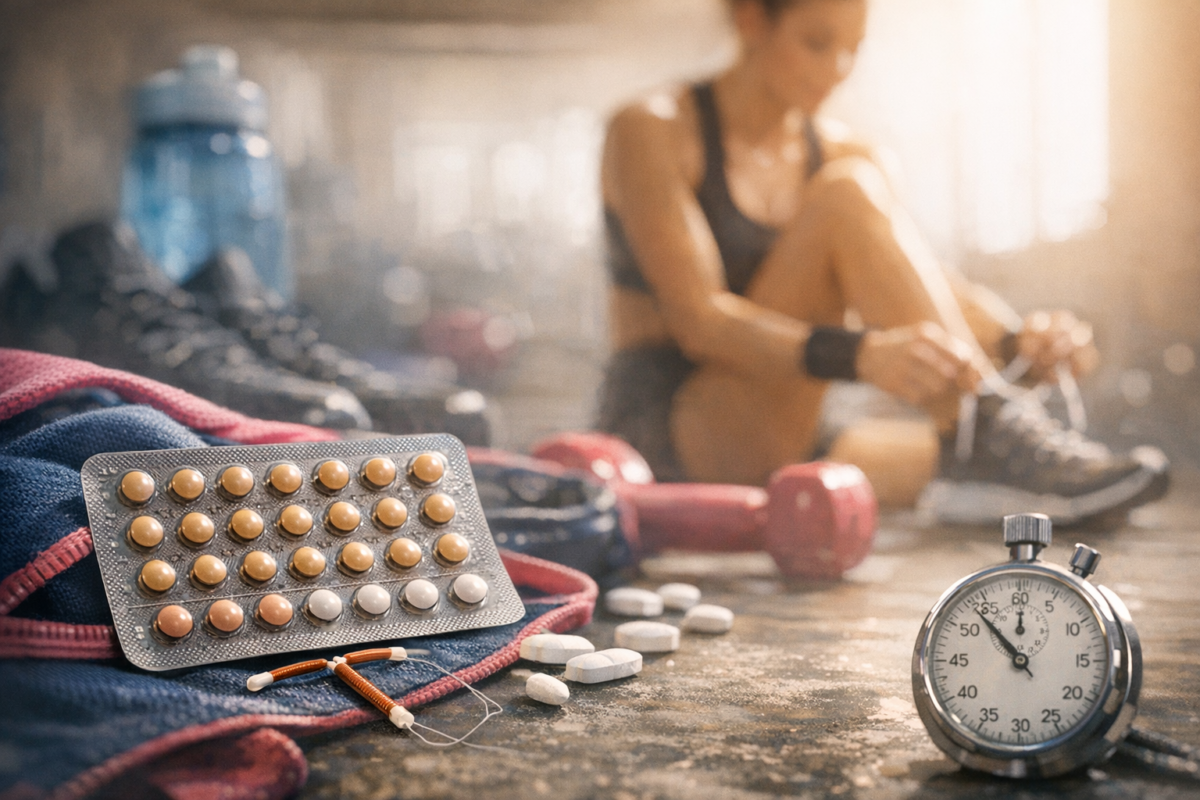
For many female athletes, the decision to use hormonal contraception is influenced by factors ranging from menstrual cycle management to pregnancy prevention. While the primary purpose of birth control is to regulate ovulation, its systemic effects can intersect with training demands, recovery patterns, and overall performance. This article examines the current evidence on how different forms of contraception interact with athletic physiology, outlines practical strategies for athletes, and offers guidance for coaches, trainers, and health professionals working with female athletes.
Hormonal Contraception Overview
Hormonal birth control methods fall into two broad categories: combined estrogen‑progestin products (e.g., oral contraceptive pills, patch, vaginal ring) and progestin‑only options (e.g., mini‑pill, injectable Depo‑Provera, progestin‑implants). Each modality delivers hormones that suppress the hypothalamic‑pituitary‑gonadal axis, thereby preventing ovulation. The pharmacokinetics—how quickly the hormones enter the bloodstream, how long they remain active, and how they are metabolized—vary across products and can influence systemic estrogen and progesterone levels.
Key points to remember:
- Combined methods maintain a steady hormone level during the active phase of the cycle, which can reduce menstrual variability.
- Progestin‑only methods may lead to more pronounced fluctuations in hormone levels, especially during the transition between active and inactive phases.
- The intensity of estrogen exposure differs: low‑dose pills contain as little as 20 µg of ethinyl estradiol, whereas some high‑dose formulations deliver 35 µg or more.
Physiological Effects Relevant to Athletes
Hormonal contraception can subtly alter several physiological systems that are critical for athletic performance:
- Fluid Balance: Estrogen increases renal sodium reabsorption, potentially leading to mild fluid retention. This may influence body weight and thermoregulation during endurance events.
- Muscle Strength: Some studies suggest thatロ or low‑dose estrogen products do not significantly impair muscle fiber recruitment, while high‑dose estrogen may modestly affect power output.
- Cardiovascular Function: Estrogen has vasodilatory effects; however, the clinical significance for cardiovascular endurance in trained athletes remains unclear.
- Bone Density: Regular use of hormonal contraception has been associated with a slight increase in bone mineral density in young women, which could benefit athletes in high‑impact sports.
It is important to note that most research is observational and does not establish causation Представленный здесь материал основан на текущих данных, но не является медицинским советом.
Performance Considerations
Performance implications are largely context‑dependent:
- Strength‑and‑Power Events: Some anecdotal reports indicate a transient dip in power output during the first week of the hormonal active phase. Coaches can mitigate this by scheduling high‑intensity sessions during the inactive phase when possible.
- Endurance Sports: Fluid retention may lead to a slight weight gain, but this effect is typically below 1 kg and unlikely to impair performance. Adequate hydration practices remain essential.
- Team Sports: Variations in menstrual cycle symptoms (e.g., cramps, mood swings) can influence focus and fatigue. Consistent hormonal levels from combined methods may reduce this variability.
When evaluating performance data, consider the athlete’s baseline hormone profile, training load, and any reports of menstrual irregularities. A data‑driven approach—tracking performance metrics against hormonal status—can help identify patterns unique to each athlete.
Injury Risk and Recovery
Research on the relationship between hormonal contraception and injury risk yields mixed results. Key findings include:
- Anterior Cruciate Ligament (ACL) Injury: Some cohort studies report a modest reduction in ACL injury rates among users of combined estrogen‑progestin methods, possibly due to altered ligament laxity. However, other studies find no significant association.
- Soft Tissue Healing: Estrogen can influence collagen synthesis. In controlled animal models, higher estrogen levels improved tendon repair strength, but human data are limited.
- Inflammation: Hormonal fluctuations may modulate inflammatory cytokines, affecting recovery time from microtrauma.
Practical take‑away: convite training protocols that emphasize neuromuscular Stolz and proprioceptive drills, particularly during the active phase of hormonal methods. If an athlete reports increased soreness or delayed recovery, consider adjusting training volume or incorporating additional active‑recovery modalities.
Nutritional and Hydration Factors
Hormonal contraception can influence appetite, nutrient absorption, and hydration status. Coaches and nutritionists should monitor the following:
- Energy Intake: Some athletes experience increased appetite during the active phase of combined methods. Adjust caloric distribution to match training demands.
- Macronutrient Partitioning: Estrogen may favor carbohydrate utilization; ensuring adequate[#] glycogen stores is critical for high‑intensity sessions.
- Fluid Management: Mild fluid retention can affect plasma volume. Encourage electrolyte‑balanced fluids, especially during prolonged events.
- Micronutrients: Vitamin D and calcium support bone health; hormonal contraception may modestly increase calcium turnover.
Sample meal plan for a daily training day (combined method, active phase):
– Breakfast: Oatmeal with berries and a scoop of whey protein.
– Mid‑morning snack: Greek yogurt with honey.
– Lunch: Grilled chicken salad with mixed greens, quinoa, and olive oil vinaigrette.
– Afternoon snack: Apple with almond butter.
– Dinner: Baked salmon, sweet potato, and steamed broccoli.
– Evening snack: Cottage cheese with sliced peaches.
Hydration: 2.5–3 L of water throughout the day; replace electrolytes after intense sessions.
Psychological Impact
Menstrual cycle irregularities can affect mood, motivation, and perceived fatigue. Hormonal contraception often stabilizes cycle patterns, which can translate into more consistent psychological states. Key observations include:
- Mood Stability: Combined methods reduce premenstrual mood swings in many athletes, potentially improving focus during competition.
- Stress Perception: Consistent hormone levels may lower perceived stress, aiding recovery.
- Body Image: Some athletes report improved body confidence when menstrual cramps and bloating are minimized.
Support mechanisms: regular mental health check‑ins, mindfulness training, and open communication about menstrual health create a holistic environment that values both physical and psychological well‑being.
Practical Guidance for Athletes and Coaches
1. Individualized Assessment: Begin with a comprehensive health history, including menstrual patterns, contraceptive use, and training load. Use validated questionnaires (e.g., Female Athlete Triad Assessment) to capture baseline status.
2. Educate Athletes: Provide evidence‑based information on how each contraceptive method may affect training and recovery. Encourage athletes to keep a training diary that notes hormonal status and perceived performance.
3. Timing Training: When feasible, schedule high‑intensity or endurance sessions during the inactive phase of combined methods. For progestin‑only users, consider that hormonal peaks align with the active phase, so monitor for subjective changes.
4. Nutrition & Hydration Plan: Tailor macronutrient لما to training intensity and hormonal phase. Emphasize complex carbohydrates pre‑workout and protein post‑workout. Adjust fluid intake based on sweat rate and environmental conditions.
5. Injury Prevention Protocols: Incorporate strength and flexibility training that targets joint stability. Use proprioceptive drills (balance boards, single‑leg hops) twice weekly.
6. Recovery Strategies: Prioritize sleep hygiene, active recovery (light cycling, yoga), and, if necessary, compression garments to mitigate fluid retention.
7. Collaborate with Health Professionals: Work with sports physicians, gynecologists, and registered dietitians to review contraceptive options and adjust as the athlete’s training demands evolve.
Sport-Specific Considerations for Contraceptive Selection
Different athletic disciplines impose unique physiological demands that interact with hormonal contraception. For instance, power-based sports like weightlifting or sprinting may benefit from methods that stabilize energy metabolism, while endurance athletes might prioritize fluid balance management. Consider a marathon runner using a low-dose estrogen pill to minimize fluid retention during long training sessions, whereas a gymnast might opt for a progestin-only implant to avoid estrogen-related mood swings that could disrupt technical precision. Edge cases include athletes in weight-class sports (e.g., wrestling) where fluid retention from combined methods could push them over a critical weight threshold. Coaches should collaborate with athletes to align contraceptive choices with sport-specific needs, such as scheduling high-intensity training during the inactive phase of combined methods for power athletes.
Long-Term Health Implications Beyond Immediate Performance
While hormonal contraception offers short-term benefits, prolonged use may affect long-term health metrics critical for career longevity. For example, progestin-only methods like Depo-Provera have been linked to reduced bone mineral density over time, which could increase fracture risk for athletes in high-impact sports like gymnastics or basketball. Conversely, combined methods may offer protective effects against osteoporosis in young athletes. A case study of a collegiate soccer player revealed that switching from Depo-Provera to a combined pill after two years of use improved bone density scores by 8% over 12 months. Edge cases involve athletes with pre-existing metabolic conditions; for instance, a runner with insulin resistance might experience exacerbated glucose fluctuations with estrogen-containing methods, requiring tailored nutrition plans. Regular bone density scans and metabolic panels should be part of annual health checkups for athletes using long-term contraception.
Case Studies: Real-World Performance Impacts
Anonymized data from a 2022 study of 150 female athletes showed that those using combined estrogen-progestin methods reported 22% fewer menstrual-related training disruptions compared to progestin-only users. One case involved a professional cyclist who switched from a mini-pill to a hormonal patch, noting a 15% improvement in recovery times during the active phase due to more consistent hormone levels. However, edge cases emerged: a weightlifter experienced transient joint stiffness during the first week of the patch’s active phase, necessitating a shift to a transdermal patch for smoother hormone release. Another example involved a swimmer who used a copper IUD (non-hormonal) to avoid hormonal fluctuations entirely, reporting no change in performance but greater unpredictability in menstrual symptoms. These examples underscore the need for personalized tracking of both hormonal and performance data.
Emerging Non-Hormonal Options and Their Athletic Viability
Non-hormonal contraceptives like copper IUDs or natural family planning (NFP) present alternatives for athletes avoiding hormonal side effects. A copper IUD, for instance, may appeal to a track athlete concerned about fluid retention or weight fluctuations. However, edge cases include athletes with heavy menstrual bleeding, as copper IUDs can exacerbate this issue. NFP requires meticulous tracking of cycles, which might be challenging for athletes with irregular cycles due to training stress. A marathon runner using NFP reported increased fatigue during the luteal phase due to progesterone fluctuations, highlighting the trade-off between hormonal avoidance and physiological variability. Coaches should weigh the reliability of non-hormonal methods against the athlete’s training demands and willingness to manage cycle unpredictability.
Advanced Training and Nutrition Strategies by Hormonal Phase
Tailoring training and nutrition to the specific hormonal phase of a contraceptive method can optimize performance. For combined methods with a 21-day cycle, high-intensity interval training (HIIT) might be scheduled during the inactive phase when estrogen levels are lowest, reducing the risk of power output dips. A powerlifter using a transdermal patch could adjust carbohydrate intake to 60% of daily calories during the active phase to counteract potential insulin resistance from estrogen. Edge cases involve athletes with short cycles (e.g., due to stress or illness); for example, a gymnast with a 18-day cycle on a combined pill might need to compress training blocks to avoid overlapping high-intensity sessions with hormonal peaks. Nutrition strategies should also adapt: during progestin-dominant phases, increasing protein intake to 2.2g/kg body weight could support muscle repair, as progestin may impair protein synthesis.
Technology for Hormonal and Performance Monitoring
Wearable devices and apps now allow athletes to correlate hormonal data with performance metrics. For example, an athlete using a period-tracking app like Flo can sync it with a smartwatch to monitor heart rate variability (HRV) during training. If HRV dips during the active phase of a combined method, the athlete might reduce training volume that day. Edge cases include athletes with unpredictable cycles; a triathlete with irregular periods due to overtraining might use basal body temperature tracking to anticipate hormonal shifts. Additionally, some devices now offer hormone level testing via saliva or blood, enabling precise adjustments. A cyclist who integrated hormone testing into her training plan reported a 10% increase in endurance during key competitions by aligning long rides with her low-hormone phase.
Psychosocial Factors Influencing Contraceptive Efficacy
The psychological impact of contraceptive choice extends beyond mood stability. For instance, an athlete in a high-pressure team sport might prefer a method that reduces anxiety about menstrual unpredictability, indirectly enhancing focus during competitions. Conversely, a solo athlete might prioritize methods that minimize social stigma, such as a discreet implant over daily pills. Edge cases involve cultural or religious beliefs; a Muslim athlete might avoid combined methods due to estrogen concerns, opting instead for a progestin-only implant that aligns with her values. Social support systems also play a role: a study found that athletes with open communication about contraception with teammates or coaches reported 30% lower stress levels related to menstrual health. Coaches should foster environments where athletes feel comfortable discussing contraceptive choices without judgment, recognizing that psychological comfort can directly influence performance consistency.
FAQ
1. Does hormonal contraception improve athletic performance?
Current evidence does not support a direct performance boost from hormonal contraception. Instead, it offers stability in menstrual cycles, which may reduce variability in fatigue and mood, indirectly supporting consistent training.
2. Are there specific birth control methods that increase injury risk?
Research findings are inconsistent. Some studies suggest a slight reduction in ACL injury risk with combined estrogen‑progestin methods, while others find no significant effect. Injury prevention should focus on training load, technique, and strength, rather than contraceptive choice alone.
3. Can athletes use injectable Depo‑Provera without affecting performance?
Injectable Depo‑Provera delivers a high dose of progestin, which may lead to a more pronounced drop in estrogen levels. Athletes may experience changes in bone density and mood, but performance impact is typically minimal if monitored appropriately.
4. How should athletes adjust nutrition when using hormonal contraception?
Focus on balanced macronutrients: carbohydrates for energy, protein for muscle repair, and healthy fats for hormone synthesis. Monitor for appetite changes and adjust caloric intake accordingly. Adequate calcium and vitamin D support bone health.
5. Is it safe to stop contraception during a competitive season?
Discontinuation can lead to irregular cycles, increased menstrual pain, and potential pregnancy. Athletes should consult a healthcare provider before stopping, especially if they rely on contraceptive methods to manage symptoms that affect training.
Related posts:
 How to Protect Roe v. Wade
 Best Foods to Combat PMS
 The Natural Supplement That’s Changing the Hormonal Acne Game
 Unexpected Period Symptoms
 Emergency Contraception: What You Need to Know
 Gatorade’s Smart Hydration Tech
 Meet the Woman Making Periods Safer for Everyone
 Understanding Vaginal Flora Health