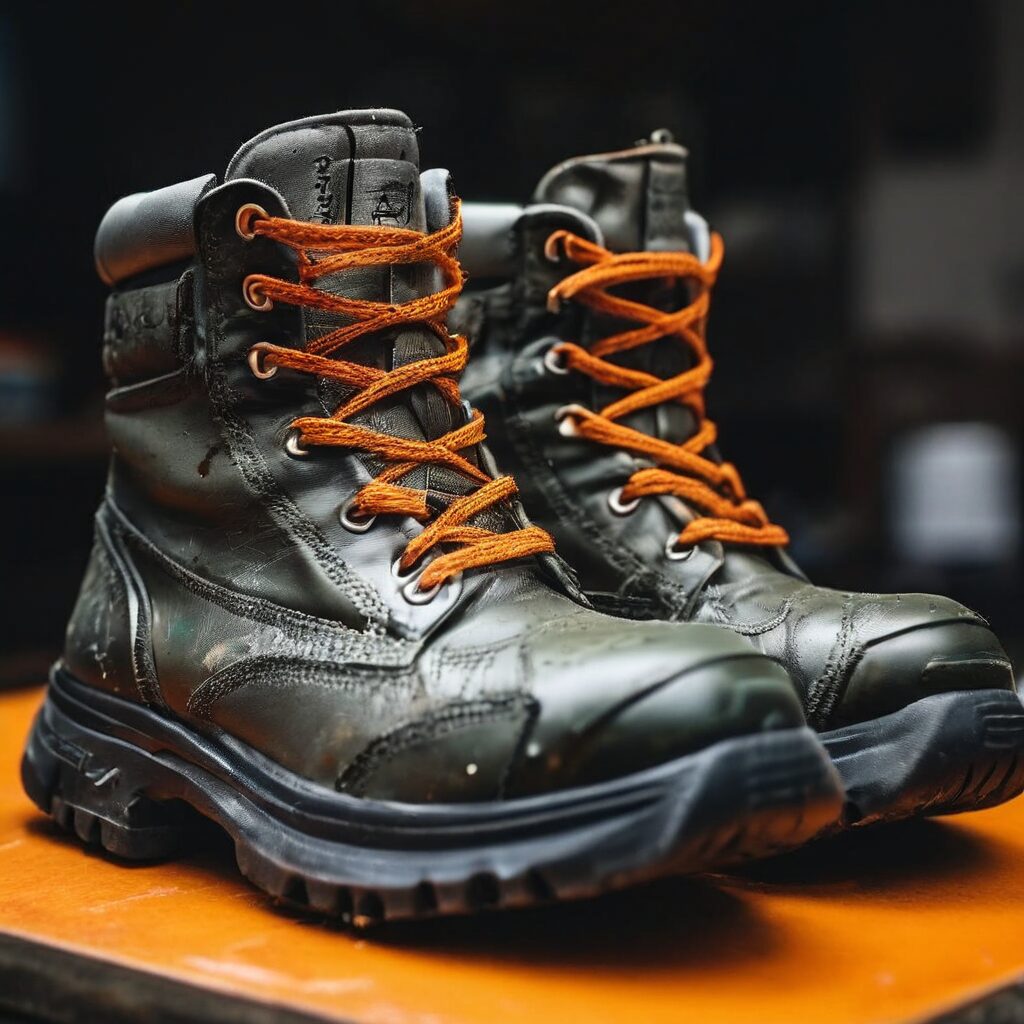
Blisters are a common issue for anyone who loves wearing boots, whether for hiking, working, or everyday use. They can turn a pleasant walk into a painful ordeal. Thankfully, blister protectors offer an effective solution to keep your feet comfortable and blister-free. In this article, we will explore the benefits of blister protectors and how they can ensure your boots remain comfortable.
Key takeaways
- Use adhesive pads, gels, or tapes to create a protective barrier that absorbs shear force and prevents skin irritation.
- Choose hydrocolloid dressings for healing existing blisters and silicone gel cushions for preventing friction on bony prominences.
- Apply protectors to clean, dry skin and ensure no wrinkles form, as folds can create new pressure points.
- Pair protectors with moisture-wicking synthetic or merino wool socks to keep skin dry and reduce abrasive friction.
- Inspect boots for rough seams or poor fit, as consistent blistering often indicates an underlying issue with footwear structure.
What Are Blister Protectors?
Blister protectors are specialized products designed to prevent and alleviate blisters on your feet. They come in various forms, such as adhesive pads, gels, and tapes, and are made from materials that cushion the skin and reduce friction. By creating a barrier between your skin and your boots, blister protectors help to minimize the irritation that leads to blisters.
Why You Need Blister Protectors
Wearing boots for extended periods can cause friction and pressure on your feet, leading to blisters. Blister protectors provide several benefits:
- Prevention: They prevent blisters from forming by reducing friction and pressure.
- Comfort: They cushion your feet, making your boots more comfortable to wear.
- Healing: They help existing blisters heal faster by protecting them from further irritation.
Types of Blister Protectors
Blister protectors come in different types, each offering unique benefits:
- Adhesive Pads: These are easy to apply and stay in place, providing targeted protection.
- Gel Cushions: These offer superior cushioning and are ideal for high-pressure areas.
- Tapes: These provide flexible protection and can be cut to fit any area of the foot.
How to Use Blister Protectors
Using blister protectors is straightforward, but following these steps ensures maximum effectiveness:
- Clean and Dry: Make sure your feet are clean and dry before applying the protectors.
- Apply: Place the protector on the area prone to blisters or directly on an existing blister.
- Secure: Ensure the protector is firmly in place. If using tape, cut to size and wrap it around the area.
- Wear Your Boots: Put on your boots and enjoy the comfort.
Top Blister Protector Brands
Several brands offer high-quality blister protectors. Here are some of the top-rated options:
- Compeed: Known for their superior adhesive pads and gel cushions.
- Dr. Scholl’s: Offers a range of blister protectors, including cushions and tapes.
- Band-Aid: Provides durable and effective blister pads.
Anatomy of Friction: Why Boots Are Blister Magnets
To master blister prevention, one must understand the biomechanics of friction. Boots, particularly those made of stiff leather or heavy-duty synthetic materials, lack the flexibility of running shoes. This lack of “give” means that during the gait cycle—specifically the heel-strike and toe-off phases—the foot shifts inside the boot. This micro-movement generates shear force, the primary culprit behind the separation of skin layers that leads to fluid-filled blisters. Furthermore, boots often trap heat and moisture. When skin becomes macerated (softened by sweat), its coefficient of friction increases significantly, making it stick to the inner lining of the boot while the foot continues to slide. Blister protectors act as a “sacrificial layer,” absorbing this shear force so that the skin itself does not have to endure the mechanical stress.
The Strategic Advantage of Preventive Taping Techniques
While pre-cut pads are convenient, seasoned hikers and industrial workers often prefer medical-grade friction-management tapes, such as zinc oxide tape or specialized kinesiology tape, for their superior versatility. The key to successful taping is the “anchor” method. When applying tape to the heel or the ball of the foot, ensure the skin is completely free of oils or lotions; using a skin prep wipe or a light dusting of antiperspirant can dramatically increase adhesion. Avoid creating wrinkles in the tape, as these folds act as pressure points that can actually induce blisters rather than prevent them. For high-mileage days, consider a “double-layer” technique: apply a thin, slippery base layer of tape directly to the skin, followed by a second layer of slightly thicker, adhesive-backed moleskin. This creates a shear-plane where the two layers of tape slide against each other, effectively neutralizing the friction before it ever reaches your dermis.
Footwear Modifications That Complement Protectors
Blister protectors should be viewed as part of a holistic foot-care system, not a standalone fix. If you find yourself applying protectors to the same spot daily, the issue likely stems from the boot’s fit or construction. Check for “hot spots” by feeling the interior of your boot for protruding rivets, rough seams, or hardened leather folds. A cobbler can often hammer down aggressive stitching or stretch specific areas of the leather to relieve pressure. Additionally, consider the volume of your boot. If your foot is sliding forward, the issue may be a lack of volume in the midfoot. Replacing standard insoles with high-quality orthopedic inserts can fill this void, locking the heel in place and preventing the forward-backward sliding that necessitates the heavy use of blister pads.
The Science of Sock Selection and Moisture Management
The interaction between your blister protector and your sock is critical. Cotton socks are the enemy of boot wearers; they absorb moisture, lose their shape, and become abrasive when damp. To maximize the efficacy of your blister protectors, pair them with moisture-wicking synthetic or merino wool blends. A popular strategy among long-distance trekkers is the “liner sock” method. By wearing a very thin, smooth synthetic liner sock underneath a thicker outer sock, you create an additional layer of protection. The liner sock creates a smooth, low-friction surface against the skin, while the outer sock absorbs sweat and provides cushioning. When you combine this layering system with targeted blister protectors, you create a multi-tiered defense that makes it nearly impossible for boot-induced friction to penetrate to the skin.
Managing Blisters in Harsh Field Conditions
If you are in the middle of a workday or a long hike and feel that telltale “hot spot,” immediate action is required to prevent a full-blown blister. Do not wait until you reach your destination. Stop immediately, remove your boot and sock, and inspect the area. If the skin is red but unbroken, apply a friction-reducing barrier—such as a silicone-based anti-chafe balm—followed by a protective pad. If a blister has already formed, the priority shifts to drainage and protection. Clean the area with an alcohol wipe, and if the blister is large and painful, use a sterilized needle to drain it at the base, leaving the roof of the blister intact to serve as a natural, sterile bandage. Cover the area with a hydrocolloid dressing, which creates a moist healing environment and acts as a second skin, allowing you to finish your day without further trauma to the site.
Advanced Material Science: Hydrocolloids vs. Silicone
Understanding the chemistry behind modern protectors helps in choosing the right tool for the job. Hydrocolloid dressings are the gold standard for established blisters because they react with the fluid from the wound to form a soft, gel-like protective layer that promotes faster healing and keeps the area sterile. These are best left on for several days until they begin to peel off naturally. Conversely, silicone-based gel cushions are superior for prevention because they are non-adhesive to the skin but “tacky” enough to stay in place inside a boot. Silicone is particularly effective for bony prominences like the bunion area or the back of the heel, as it provides a shock-absorbing buffer that mimics the natural fat pads of the foot. Knowing when to use a hydrocolloid (for healing) versus a silicone gel cushion (for prevention) is the mark of a pro-level boot wearer.
FAQs About Blister Protectors
1. Do blister protectors really work?
Yes, blister protectors are highly effective in preventing and alleviating blisters. They reduce friction and cushion the skin.
2. Can I use blister protectors on existing blisters?
Absolutely. Blister protectors can help existing blisters heal by protecting them from further irritation.
3. How long do blister protectors last?
The duration depends on the type and brand, but most blister protectors last for several days or until they naturally fall off.
4. Are blister protectors reusable?
Most blister protectors are designed for single use. However, some gel cushions can be washed and reused a few times.
5. Can I use blister protectors with any type of footwear?
Yes, blister protectors can be used with any type of footwear, including boots, sneakers, and dress shoes.
Related posts:
 Old Navy’s Hygge Sock Sale Is the Black Friday Deal Your Feet Need
 Meghan Markle’s High Heel Hack
 The 5 Most Common Causes of Painful Blisters On Your Feet, According to Podiatrists
 The Best Socks to Wear with Boots for Maximum Comfort and Style
 Blister Treatment Guide
 The Best Winter Boots: Combining Function and Fashion
 Bottega-Style Boots on a Budget
 Fall Boots That Don’t Sacrifice Comfort for Style