Blisters are a common nuisance that can develop from friction, heat, or repetitive pressure on the skin. Whether you’re breaking in new shoes, spending a day at the beach, or dealing with a workplace injury, blisters can be painful and inconvenient. Understanding how to treat them properly—and prevent them from worsening—can significantly reduce discomfort and speed up healing. This guide covers evidence-based approaches to blister care, from immediate first aid to long-term prevention strategies.
Understanding Blister Formation and Types
A blister forms when repeated friction or pressure causes the upper layers of skin to separate from the layers beneath, creating a pocket that fills with fluid. This fluid is the body’s natural response to injury, providing cushioning and creating an environment for healing. Most blisters are filled with clear serum, though some may contain blood if deeper tissue damage occurs.
There are several types of blisters based on their cause. Friction blisters are the most common, typically appearing on feet, hands, or heels from ill-fitting shoes or tools. Heat blisters form from thermal burns and are usually more severe. Pressure blisters develop from prolonged contact with hard surfaces, often affecting people with limited mobility. Fluid blisters can result from allergic reactions or certain skin conditions. Understanding what caused your blister helps determine the best treatment approach and prevention strategy going forward.
Immediate First Aid Response
When you first notice a blister forming or have just developed one, your immediate response matters. Start by cleaning the area gently with soap and cool water to remove dirt and reduce infection risk. Pat the skin dry carefully—avoid rubbing, which can increase irritation.
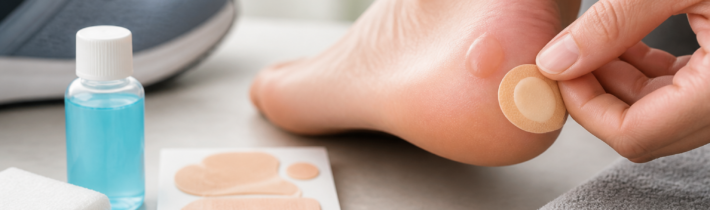
If the blister hasn’t ruptured, leave it intact whenever possible. The fluid inside provides natural protection and promotes healing faster than an open wound. Apply a sterile, cushioned bandage or blister pad that creates a protective barrier without putting pressure directly on the blister. These specialized pads often contain gel that absorbs fluid and reduces pain. Change the bandage daily or whenever it becomes damp or soiled.
If the blister has already ruptured, resist the urge to pick at the loose skin. Instead, gently clean the area and apply an antibiotic ointment to prevent infection. Cover it with a sterile bandage and monitor for signs of infection, such as increasing redness, warmth, swelling, or pus.
Pain Management and Symptom Relief
Blister pain typically peaks in the first 24-48 hours. Over-the-counter pain relievers like ibuprofen or acetaminophen can help manage discomfort, especially if the blister is interfering with your daily activities. Follow the dosage instructions on the package and take the medication with food if your stomach is sensitive.
Beyond medication, several comfort measures provide relief. Soak the affected area in cool (not cold) water for 10-15 minutes to reduce inflammation and temporarily numb the area. Avoid hot water, which can increase swelling. Elevation also helps—if the blister is on your foot, keep your leg elevated when sitting to reduce fluid accumulation in the blister.
Cushioning is essential for pain reduction. Moleskin, foam pads, or specialized blister bandages create a buffer between the blister and external pressure. Cut the pad to fit around the blister rather than directly over it, which concentrates pressure on the injury. Some people find that wrapping the area loosely with gauze provides adequate protection without the rigid feel of bandages.
When to Drain a Blister Safely
While it’s generally better to leave blisters intact, sometimes draining becomes necessary—particularly if the blister is very large, extremely painful, or affecting your ability to function. If you decide to drain a blister, follow these steps to minimize infection risk.
Sterilize a needle or small lancet by boiling it for five minutes or wiping it with rubbing alcohol and allowing it to air dry. Wash your hands thoroughly and clean the blister area with soap and water, then with an alcohol swab. Gently puncture the blister at its edge, allowing fluid to drain naturally without squeezing. Do not remove the skin covering the blister—this protective layer promotes healing. Apply antibiotic ointment and cover with a sterile bandage.
If you’re uncomfortable performing this procedure, visit an urgent care clinic or see your doctor. Healthcare providers can drain blisters under sterile conditions and provide professional wound care. This is particularly important if you have diabetes, poor circulation, or a weakened immune system, as you’re at higher risk for complications.
Infection Prevention and Warning Signs
The primary complication of blisters is infection, which can occur if bacteria enter the wound. Prevent infection by keeping the blister clean and dry, changing bandages regularly, and avoiding touching the blister with unwashed hands.
Watch for warning signs that indicate infection: increased redness or warmth around the blister, pus or thick yellow discharge, increased swelling or pain that worsens instead of improving, red streaks extending from the blister, or fever. If you notice any of these symptoms, seek medical attention. Infected blisters may require topical or oral antibiotics to resolve properly.
People with diabetes, immunocompromised conditions, or poor circulation should seek medical evaluation for any blister that doesn’t show clear improvement within a week. These populations face higher risks for complications and benefit from professional assessment and care.
Healing Timeline and What to Expect
Understanding the normal healing process helps you identify when something isn’t progressing as expected. Most uncomplicated blisters begin to improve within 3-7 days. The fluid gradually reabsorbs, the skin tightens, and discomfort decreases. Complete healing typically takes 1-2 weeks, though larger blisters may take longer.
During healing, the skin covering the blister may darken or develop a scab-like appearance—this is normal. Avoid picking at this protective layer, as it shields the underlying tissue while new skin forms. Once the blister has completely dried and the new skin underneath has fully formed, you can safely remove the protective skin covering.
Some blisters leave minor scarring or discoloration, which typically fades over several months. In rare cases, especially with very large or recurrent blisters in the same location, permanent thickening of the skin may occur as the body builds up protection against future friction in that area.
Prevention Strategies for High-Risk Activities
Prevention is far more effective than treating blisters after they develop. For athletes or people engaged in repetitive activities, several strategies significantly reduce blister risk.
Proper footwear is paramount for preventing foot blisters. New shoes should be broken in gradually over several weeks, not worn for long periods immediately. Ensure shoes fit properly—too tight causes friction, while too loose allows excessive movement. Consider moisture-wicking socks made from synthetic materials or merino wool rather than cotton, which retains moisture and increases friction. Some athletes use double-sock systems, with a thin moisture-wicking sock under a thicker protective sock, creating a layer that absorbs movement between sock and skin rather than between sock and foot.
Taping and padding vulnerable areas before activity provides prevention. Apply athletic tape or specialized blister prevention tape to areas prone to blistering—typically heels, sides of feet, or areas where shoes rub. Some people apply moleskin or gel pads in advance, creating a protective barrier. Antifriction balms or creams applied to high-friction areas create a slippery surface that reduces friction between skin and shoe or skin and equipment.
Keep feet dry during activity whenever possible. Change out of damp shoes and socks promptly, as moisture significantly increases friction and blister formation. For activities lasting several hours, consider changing socks at the midpoint to replace any moisture buildup.
Managing Blisters in Specific Contexts
Blister treatment varies slightly depending on where they occur and what caused them. Foot blisters, the most common type, benefit from reduced pressure and moisture management. Avoid walking barefoot while healing, and choose loose, breathable shoes that don’t irritate the blister. Hand blisters from tools or repetitive work need protection while still allowing some hand function. Specialized hand bandages or gloves with padding in vulnerable areas help. For blisters on fingers, wrap tape around the finger in a spiral pattern to provide cushioning without restricting movement completely.
Blisters from burns require more careful management. Never pop a burn blister, as the fluid provides significant protection against infection in thermal injuries. Keep the area clean, covered, and protected from pressure. If a large thermal blister develops or shows signs of infection, seek medical attention promptly.
Blister prevention for specific activities includes proper conditioning. Runners should gradually increase mileage to allow feet to adapt, and cyclists should ensure proper seat height and use padded cycling shorts. Swimmers and water sports enthusiasts should allow feet to dry completely after activity and consider water-resistant blister prevention tape if spending extended time in water.
Advanced Care and Persistent Blisters
Some people experience chronic blister problems despite taking preventive measures. This may indicate an underlying issue requiring professional evaluation. Diabetic foot blisters need immediate medical attention, as delayed healing and infection risks are significant. People with certain skin conditions, such as epidermolysis bullosa, experience blister formation from minimal trauma and need specialized care.
If blisters recur in the same location repeatedly, biomechanical factors may be involved. A podiatrist can evaluate your gait, foot structure, and shoe fit to identify and correct contributing factors. Custom orthotics or specific shoe recommendations can resolve chronic blister problems that don’t respond to standard prevention approaches.
For athletes experiencing frequent blisters despite proper prevention, working with a sports medicine professional or athletic trainer can help identify contributing factors. Sometimes technique adjustments, different equipment, or specialized training can resolve the issue.
Blister Fluid Analysis and What It Tells You
The composition and appearance of blister fluid can provide valuable diagnostic information about the injury and its severity. Clear, pale yellow serum indicates a straightforward friction blister with minimal tissue damage—this is the most common scenario and generally carries the best prognosis for quick healing. The body produces this fluid as a natural response to separate damaged tissue from healthy tissue below, essentially creating a biological dressing that keeps the wound moist and protected.
Bloody or hemorrhagic fluid suggests deeper tissue damage beneath the blister, typically from more intense friction, severe heat exposure, or crushing pressure. These blisters take longer to heal and require more careful monitoring, as the risk of infection increases with deeper wounds. If you notice blood-tinged fluid, avoid draining the blister unless absolutely necessary, since the protective seal is even more critical when underlying tissue is compromised. The presence of blood doesn’t automatically indicate infection—it simply means the injury extends deeper into the dermal layer.
Thick, cloudy, or purulent fluid signals infection and requires immediate attention. Infected blister fluid appears yellowish or greenish and may have a foul odor. This indicates bacterial colonization and demands either professional drainage and wound care or a course of oral antibiotics prescribed by a healthcare provider. Don’t attempt home treatment of infected blisters, as improper drainage can spread infection into surrounding tissue or into the bloodstream.
In rare cases, blister fluid may appear dark or contain tissue debris, which suggests more severe thermal or chemical injury. These injuries warrant professional medical evaluation regardless of blister size. Understanding what your blister fluid looks like helps you distinguish between a minor issue that home care can manage and a situation requiring professional intervention.
The Role of Moisture Management in Healing
Moisture control is one of the most underappreciated aspects of blister care, yet it dramatically affects both healing speed and infection risk. While blisters need to stay slightly moist to heal optimally, excess moisture creates an environment where bacteria thrive and where the surrounding skin becomes overly macerated—softened and weakened from prolonged moisture exposure.
The challenge lies in maintaining the right moisture balance. If a blister becomes waterlogged from sweat or prolonged contact with moisture, the surrounding skin breaks down more easily, potentially expanding the damaged area. This is why changing damp socks or bandages promptly is so critical. If you’re engaged in an activity that causes heavy sweating or water exposure, check your blister every 2-3 hours and change bandages if they feel damp or cold.
Modern advanced blister dressings address this moisture problem through semi-permeable membranes and gel layers that wick moisture away from the wound while maintaining an optimal moist microenvironment. These dressings absorb excess fluid while preventing the blister from drying out completely, which can cause the protective skin covering to crack and expose the wound. Products containing hydrogel or silicone layers are particularly effective at this balance compared to traditional gauze or basic adhesive bandages.
For people managing blisters during activities that produce significant moisture—long hikes, sports practice, or humid environments—consider moisture-managing socks with hydrophobic properties. These socks move sweat away from skin contact, reducing the moisture that accumulates in shoes and on feet. Pairing these with a breathable shoe design creates an environment where sweat evaporates rather than pooling at pressure points where blisters form.
Nutritional and Systemic Factors Affecting Blister Healing
Your body’s ability to heal a blister depends partly on factors beyond just local wound care. Nutrition plays a significant role in tissue repair and immune function. Protein deficiency impairs new skin formation, since collagen and structural proteins are essential for closing the wound. Vitamin C deficiency slows collagen synthesis and weakens immune response, increasing infection risk. Zinc deficiency impairs both wound healing and immune function. If you’re frequently developing blisters or notice that blisters heal unusually slowly, consider whether your diet provides adequate protein (aim for 0.8-1.0 grams per kilogram of body weight), vitamin C (75-90 mg daily for adults), and zinc (8-11 mg daily).
Hydration status affects skin health and healing capacity. Dehydrated skin becomes more fragile and prone to blister formation in the first place, and dehydration slows the healing process once a blister forms. During activities that cause heavy sweating or in hot environments, maintaining fluid intake isn’t just about preventing heat illness—it also supports skin resilience and blister healing. Aim to drink enough that your urine remains pale yellow throughout the day and especially during and after activities that stress your feet or hands.
Chronic health conditions significantly influence blister healing timelines. Diabetes impairs wound healing through multiple mechanisms: high blood sugar interferes with immune function, reduces blood flow to extremities, and impairs nerve sensation that normally alerts you to blister formation early. Vascular disease restricts blood flow needed for tissue repair. Autoimmune conditions or immunosuppressive medications reduce your body’s ability to fight infection and coordinate healing responses. People with these conditions should expect blisters to take longer to heal and require more vigilant infection monitoring than otherwise healthy individuals.
Sleep and stress levels also matter. During sleep, your body upregulates healing-related processes and immune function. Poor sleep impairs both wound healing speed and infection-fighting capacity. Chronic stress elevates cortisol, which suppresses immune function and can slow healing. If you’re managing a problematic blister while under significant stress or with poor sleep, recognize that your body has reduced capacity to heal quickly and adjust your expectations accordingly.
Preventing Blisters During Extended Activities and Travel
Extended activities like multi-day hikes, long-distance running events, or traveling with luggage create blister risks that differ from day-to-day activity. The cumulative friction over many hours or days, combined with fatigue-related changes in gait and increased sweating, creates a perfect storm for blister formation. Preparation must account for these unique stressors.
Training and conditioning are foundational. Your feet adapt and toughen with gradual exposure to activity. If you’re planning a long hiking trip, gradually increase your weekly mileage in the months beforehand. Your skin will develop a thicker stratum corneum (outer layer) and blood vessel networks will expand to improve circulation. This physiological adaptation significantly improves blister resistance when the actual event occurs. Runners preparing for marathons should follow a periodized training plan that gradually increases long-run distance, rather than jumping from 10-mile runs to 20-mile runs suddenly.
For multi-day events, bring redundant prevention supplies. Pack multiple pairs of socks—ideally three pairs per day of activity—so you can change when socks become damp. Bring several rolls of blister prevention tape or multiple pads, as you may need to reapply during the event. Include antifriction balm, as sweat and friction can wear off initial applications. A small first aid kit with sterile gauze, antibiotic ointment, and pain relievers allows you to address issues immediately rather than waiting until evening camp.
During the event, establish a routine of checking feet at planned intervals. On a multi-day hike, inspect your feet during lunch and at the day’s end. Look for areas of redness, heat, or early signs of blister formation. If you notice a hot spot—an area of friction and heat that hasn’t yet blistered—apply preventive tape immediately. Catching and treating hot spots before they become blisters is dramatically more effective than treating established blisters. This proactive approach can be the difference between a comfortable trip and one limited by painful blisters.
Gait changes from fatigue increase blister risk significantly in extended activities. As you tire, your feet land differently, muscles fatigue, and arch support diminishes. This changes pressure distribution and increases friction in new areas. This is why blisters on long events often develop in the latter half, even if you had no problems in the first few hours. Maintaining good posture and taking regular breaks to rest and dry your feet helps mitigate fatigue-related gait changes.
Environmental and Material Science Approaches to Prevention
Understanding the physics and material science of blister formation allows for more sophisticated prevention strategies. Blisters form when friction force overcomes the skin’s ability to move with the underlying tissue. Friction depends on three variables: the normal force pushing surfaces together, the coefficient of friction between surfaces, and the duration of contact. Prevention can address any of these variables.
Normal force is the pressure pushing the skin against a shoe or equipment surface. This can be reduced through better weight distribution (orthotics or shoe inserts that spread pressure across a larger area rather than concentrating it at pressure points) or by reducing load (lighter shoes, lighter backpack, etc.). Shock-absorbing insoles reduce the impact forces that increase normal force with each step.
The coefficient of friction describes how much surfaces grip each other. Moisture dramatically increases friction between skin and textile or shoe material—this is why sweaty feet blister more easily than dry feet. Reducing moisture through moisture-wicking socks and breathable shoes decreases friction. Antifriction products like body glide or balms create a low-friction layer between skin and shoe. Interestingly, certain synthetic sock materials have much lower coefficients of friction against skin than cotton or wool, which is one reason they’re superior for blister prevention.
Duration of contact matters because friction damage accumulates over time. In a short activity, a problematic shoe might cause no blisters, but the same shoe worn for hours will. This is why breaking in new shoes gradually is so important—it allows repeated stress on the same areas without exceeding the damage threshold. Taking breaks during long activities isn’t just about rest—it interrupts the accumulated friction stress and allows blood flow to flush inflammatory mediators from high-stress areas.
Some athletes use layering systems specifically designed around friction reduction science. Placing a thin synthetic or silk layer directly against skin, followed by a thicker sock, moves the friction interface away from skin. Rather than skin rubbing against rough sock fibers, the thin inner sock layer moves slightly against both skin and the outer sock, with friction occurring at material-to-material interfaces rather than material-to-skin interfaces. This can dramatically reduce blister formation in susceptible individuals.
Post-Blister Skin Conditioning and Recurrence Prevention
After a blister heals, the affected area remains somewhat vulnerable for weeks or months. The new skin forming underneath is initially thinner and more fragile than the surrounding undamaged skin. However, this is also a window of opportunity—with appropriate conditioning, you can actually increase the area’s resistance to future blister formation.
The skin’s outer layer thickens in response to repeated mild stress. This physiological adaptation is called hyperkeratinization. With gradual exposure to friction, your skin builds up a thicker protective layer that resists blistering better than virgin skin. This is why runners who gradually increase mileage develop more blister-resistant feet, while someone who suddenly runs a marathon after minimal training experiences severe blistering.
To condition skin in a previously blistered area, gradually re-expose it to the activity that caused the blister, but in controlled doses. If a blister formed on your heel from new shoes, don’t put those shoes in a closet—instead, wear them for short periods (30-45 minutes) every few days for several weeks. Each exposure causes mild stress that triggers adaptation without reaching the damage threshold for new blister formation. Over time, the skin becomes progressively more resilient.
During this conditioning phase, maintain preventive measures. Use moisture-wicking socks, keep feet dry, and apply blister prevention tape if you notice any heat or irritation. The goal is to build adaptation without causing re-injury. If a new blister begins forming, you’ve exceeded the safe stress level and need to pull back to shorter durations or lighter activity.
For people who’ve had severe blisters or those with chronic blister problems, callus development in vulnerable areas actually provides protective benefit. A callus is simply thickened, keratinized skin that resists friction better than normal skin. While aesthetically they’re not ideal, they serve a real protective function. This is why many experienced hikers and runners have calluses on their feet—they’re an adaptation that reduces blister risk. Don’t aggressively remove calluses with pumice stones or other tools if you’re prone to blisters; they’re protective.
Special Populations and Modified Approaches
Certain groups require modified blister prevention and treatment strategies based on their unique physiology or circumstances. Elderly individuals often have thinner, more fragile skin with reduced healing capacity. Their blisters may require professional wound care more frequently, and they should seek medical evaluation sooner if improvement isn’t evident. Additionally, elderly people are more likely to have reduced sensation due to neuropathy, meaning they may not notice blisters forming until significant damage has occurred. Regular foot inspections become critically important.
Pregnant women experience changes that increase blister risk: swelling and fluid retention change foot shape and shoe fit, weight gain increases pressure on feet, and hormonal changes affect skin elasticity. Preventive measures should include reassessing shoe fit every 2-3 weeks, as shoe size often increases during pregnancy. Compression socks help manage swelling, which in turn reduces friction. Pain management for blisters during pregnancy should focus on non-medication approaches, though acetaminophen is generally considered safe if needed.
Athletes with prosthetics or orthotics face unique challenges because these devices must fit precisely to function properly, yet fit adjustments may be necessary to prevent blisters. Working with the prosthetist or orthotist during blister problems is essential. They can make minor adjustments to socket fit, padding configuration, or material selection that resolve recurring blisters without compromising device function. This specialized knowledge is beyond the scope of general blister management.
Children’s blister management should emphasize prevention over home drainage. A child’s fear of the draining procedure, difficulty maintaining sterile technique, and higher risk of further manipulation of the wound make professional care preferable. However, prevention is entirely age-appropriate—teaching children about proper footwear fit, the importance of changing damp socks, and how to recognize hot spots empowers them to prevent blisters independently as they grow.
Frequently Asked Questions
Q: Should I pop a blister or leave it alone?
A: Leaving a blister intact is generally preferable, as the fluid inside protects the underlying skin and promotes faster healing. The skin covering the blister also prevents infection. Only drain a blister if it’s extremely painful, very large, or limiting your function. If you do drain it, use a sterilized needle and allow it to drain naturally—don’t squeeze. If you’re uncomfortable performing this procedure, have a healthcare provider do it under sterile conditions.
Q: How long does it take for a blister to heal?
A: Most uncomplicated blisters begin improving within 3-7 days and fully heal within 1-2 weeks. Larger blisters may take longer. Healing speed depends on the blister’s size, depth, your overall health, and how well you protect it during the healing process. Keep the area clean, dry, and protected from pressure to support optimal healing.
Q: What’s the best way to prevent blisters on my feet?
A: Proper footwear is essential—ensure shoes fit well without being too tight or too loose. Break in new shoes gradually over several weeks. Wear moisture-wicking socks made from synthetic materials or merino wool rather than cotton. Consider applying blister prevention tape or pads to areas prone to rubbing before activity. Keep feet dry during activity, changing socks if they become damp. For extended activities, take breaks to dry feet and check for early warning signs of blisters forming.
Q: When should I see a doctor about a blister?
A: Seek medical attention if a blister shows signs of infection (increasing redness, warmth, pus, or fever), if you have diabetes or a weakened immune system and the blister isn’t improving after a week, if the blister is extremely large or painful, or if blisters are recurring in the same location. If you’re uncomfortable draining a blister yourself, a healthcare provider can do it under sterile conditions.
Q: Can I exercise with a blister?
A: This depends on the blister’s location and severity. If it’s on your foot and painful when you walk or run, rest is better than pushing through pain, which can worsen the blister and delay healing. If the blister is in a location that doesn’t bear pressure during your activity—such as a hand blister while cycling—you may continue with proper protection. Always prioritize protecting the blister from pressure and moisture, and stop if pain increases.