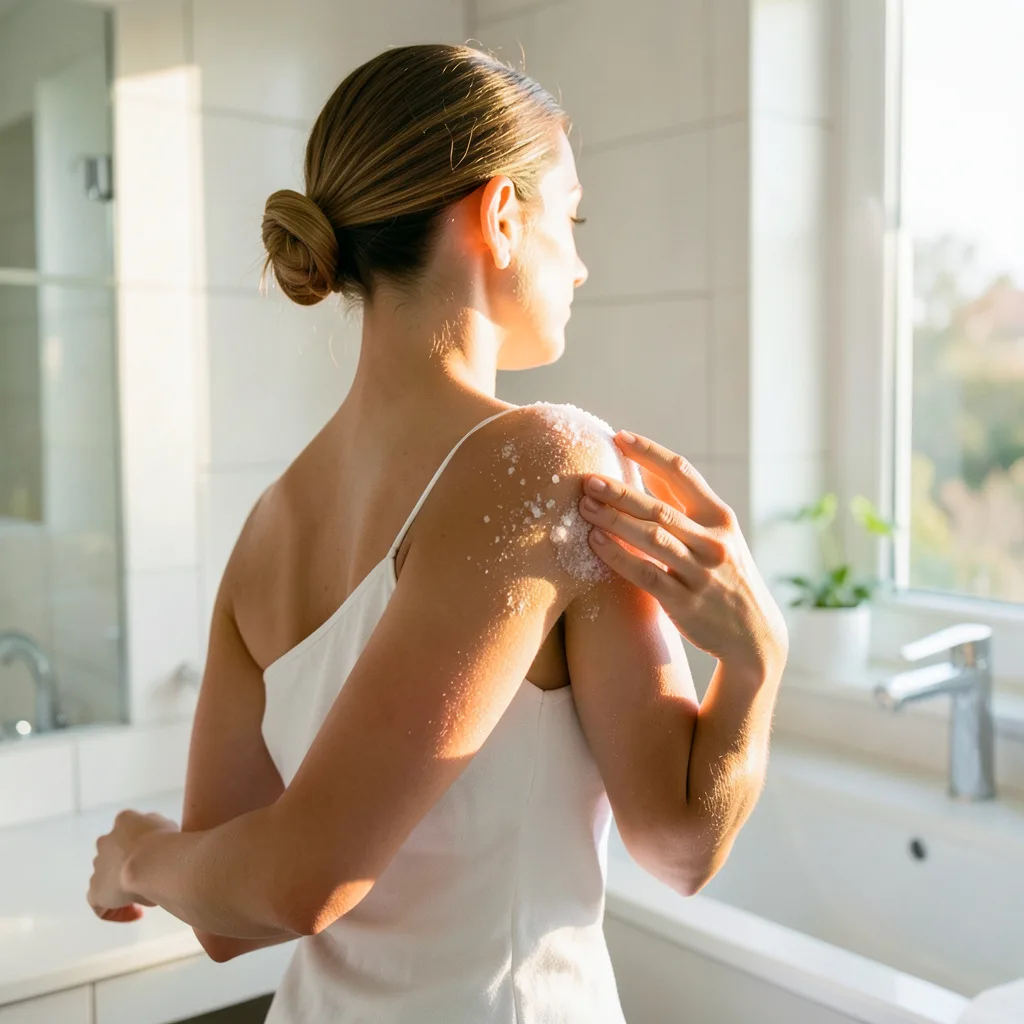
Summer brings a unique set of challenges for our skin. Between the intense UV rays, the drying effects of chlorine in pools, the salt from ocean waves, and the inevitable buildup of sunscreen and sweat, our skin often loses its natural radiance. By mid-July, many of us notice a dullness in our complexion or a rough texture on our elbows and knees. This is where the strategic use of body scrubs becomes essential. Exfoliation is not merely a luxury spa treatment; it is a vital part of skin maintenance that removes dead skin cells, unclogs pores, and allows your hydrating products to penetrate deeper and work more effectively.
Key takeaways
- Match scrubs to skin type: use sugar for dry skin, salt for oily skin, and oatmeal for sensitive skin.
- Apply scrubs in gentle circular motions from the ankles upward to encourage lymphatic drainage and circulation.
- Always apply broad-spectrum SPF 30+ after exfoliating to protect newly exposed skin from UV damage.
- Limit full-body exfoliation to 1-2 times per week and never use scrubs on currently sunburned skin.
- Seal in hydration by applying moisturizer to slightly damp skin immediately after rinsing with lukewarm water.
When we talk about “saving” summer skin, we are referring to the process of shedding the damaged outer layer of the epidermis to reveal the fresh, healthy cells beneath. However, the skin during summer is often more sensitized due to sun exposure. Therefore, the approach to exfoliation must be compassionate and mindful. Using the wrong scrub or over-exfoliating can lead to irritation, redness, and an increased risk of sunburn. This guide provides a comprehensive look at how to choose, create, and use body scrubs to maintain a luminous, healthy glow throughout the warmest months of the year.
Understanding the Science of Summer Skin and Exfoliation
To understand why body scrubs are so effective in the summer, we first need to look at how the skin behaves under seasonal stress. The skin’s outermost layer, the stratum corneum, consists of dead skin cells held together by lipids. In a healthy cycle, these cells shed naturally. However, summer environmental factors can disrupt this process. UV radiation can cause the skin to thicken as a protective mechanism—a process known as hyperkeratosis—which can make the skin feel leathery or look ashy.
Exfoliation is the process of removing these excess dead skin cells. There are two primary types of exfoliation: physical and chemical. Physical exfoliation uses a granular substance (like sugar, salt, or coffee) to manually scrub away debris. Chemical exfoliation uses acids (like alpha-hydroxy acids or beta-hydroxy acids) to dissolve the “glue” holding dead cells together. For most summer body care routines, physical scrubs are preferred for their immediate smoothing effect, though they must be used with caution to avoid creating micro-tears in the skin.
When you exfoliate, you are not just smoothing the surface; you are stimulating blood flow to the skin’s surface and encouraging cellular turnover. This allows your skin to breathe better and prevents the trapped sweat and oil that often lead to summer breakouts, such as “bacne” or chest acne. By maintaining a clear surface, you also ensure that your daily moisturizer and SPF are absorbed evenly, preventing the streaky application that often occurs on dry, flaky skin.
Choosing the Right Scrub for Your Skin Type
Not all scrubs are created equal. Using a coarse salt scrub on sensitive skin can be disastrous, while a gentle sugar scrub might not be enough for someone with very oily, congestion-prone skin. The key to success is matching the abrasive agent and the carrier oil to your specific skin needs.
- Dry and Dehydrated Skin: Look for sugar-based scrubs. Sugar is a natural humectant, meaning it draws moisture from the environment into the skin. When paired with rich oils like avocado or coconut oil, sugar scrubs provide exfoliation without stripping the skin of its essential moisture.
- Oily and Acne-Prone Skin: Salt scrubs are often more effective here. Salt has natural detoxifying properties and can help dry out excess sebum. Look for scrubs that incorporate tea tree oil or lemon essential oil for their antibacterial properties. However, be cautious with salt if you have open cuts or freshly shaved legs, as it can sting.
- Sensitive Skin: Avoid harsh grains. Instead, opt for colloidal oatmeal, finely ground rice flour, or very fine sugar. The goal for sensitive skin is to remove the dullness without triggering an inflammatory response. Avoid strong fragrances or synthetic dyes which can irritate the skin barrier.
- Combination Skin: You may need a “zonal” approach. Use a more invigorating coffee or salt scrub on the rougher areas like the heels and elbows, and a gentle sugar or cream-based scrub on the arms and torso.
Beyond the abrasive, consider the carrier. In summer, heavy oils can sometimes feel too greasy. If you find traditional oils too heavy, look for scrubs that use aloe vera gel or a lightweight jojoba oil as a base. Jojoba is chemically similar to human sebum, making it an excellent choice for balancing the skin without clogging pores.
DIY Body Scrubs: Natural Recipes for Home
One of the most rewarding ways to care for your skin is by creating your own scrubs. This allows you to control the ingredients, avoiding the synthetic fragrances and microplastics often found in commercial products. Here are three effective, natural recipes tailored for summer skin.
The Hydrating Glow (Sugar & Honey)
This scrub is perfect for those who feel their skin is getting “parched” from the sun. Honey is a natural antibacterial and humectant, making it a powerhouse for summer skin.
- Ingredients: 1 cup organic brown sugar, 1/2 cup coconut oil (melted), 2 tablespoons raw honey, 5 drops of vanilla extract.
- Method: Mix the sugar and coconut oil until a paste forms. Stir in the honey and vanilla. Store in a glass jar in a cool, dry place.
- Best for: Full body use, especially on dry arms and legs.
The Detoxifying Refresh (Sea Salt & Citrus)
Ideal for after a long day at the beach or pool, this scrub helps remove salt and chlorine buildup while invigorating the senses.
- Ingredients: 1 cup fine sea salt, 1/2 cup olive oil or almond oil, zest of one lemon, 5 drops of grapefruit essential oil.
- Method: Combine salt and oil. Fold in the lemon zest and essential oil. Ensure the salt is fine-grained to avoid scratching the skin.
- Caution: Citrus oils can increase photosensitivity. Always rinse thoroughly and apply SPF after using this scrub.
The Energizing Circulation (Coffee & Cocoa)
Coffee scrubs are beloved for their ability to temporarily tighten the skin and stimulate circulation, which can reduce the appearance of puffiness and cellulite.
- Ingredients: 1/2 cup used coffee grounds (dried slightly), 1/2 cup brown sugar, 1/4 cup coconut oil, 1 tablespoon cocoa powder.
- Method: Mix all ingredients into a thick paste. The caffeine in the coffee helps wake up the skin, while the cocoa powder adds antioxidants.
- Best for: Thighs, glutes, and upper arms.
The Art of Exfoliation: A Step-by-Step Guide
How you apply a scrub is just as important as what is in it. Improper technique can lead to skin irritation or “over-scrubbing,” which damages the moisture barrier. Follow these steps for a professional, skin-saving result.
Step 1: Prepare the Skin. Never scrub dry skin. Start with a warm shower or bath for 5-10 minutes. This softens the dead skin cells and opens the pores, making the exfoliation process more effective and less abrasive.
Step 2: Application. Take a small amount of scrub and apply it to your skin. Work from the bottom up—starting at the ankles and moving toward the heart. This encourages lymphatic drainage and improves circulation.
Step 3: The Motion. Use gentle, circular motions. Avoid scrubbing back and forth in straight lines, which can be too harsh. Let the granules do the work; you do not need to apply heavy pressure. For sensitive areas like the chest or inner arms, use a very light touch.
Step 4: The Rinse. Rinse with lukewarm water. Avoid using hot water, as your skin is now more exposed and susceptible to drying out. Ensure all granules are removed, especially in skin folds, to prevent irritation.
Step 5: The Seal. Pat your skin dry with a soft towel—do not rub. While the skin is still slightly damp, apply your moisturizer. This traps the water on the skin’s surface, maximizing hydration.
Targeting Problem Areas: Knees, Elbows, and Feet
Certain parts of the body are naturally prone to dryness and calluses, especially during the summer when we wear sandals and spend more time outdoors. These areas require a more targeted approach to exfoliation.
The Heels and Soles: The skin on the feet is the thickest on the body. A gentle sugar scrub may not be enough. Use a coarse sea salt scrub or a dedicated foot scrub. For deep calluses, use a pumice stone on damp skin first, followed by a salt scrub to smooth the edges. Finish with a thick urea-based cream and cotton socks overnight for maximum softness.
Knees and Elbows: These areas often experience friction and can become darkened or rough. Use a coffee scrub here to stimulate blood flow. Because these areas are prone to dryness, follow up with a rich body butter or a ceramide-rich cream to maintain the barrier.
The Décolletage: The skin on the chest is thin and highly sensitive. Never use coarse salts here. Instead, use a very fine sugar scrub or a chemical exfoliant like lactic acid. Be extremely gentle, as this area is the first to show signs of sun damage and premature aging.
Post-Scrub Care: Locking in the Moisture
Exfoliation removes the “shield” of dead skin, which means your skin is more vulnerable but also more receptive. The window of time immediately following a scrub is the most critical for skin health.
Hydration is Non-Negotiable. After scrubbing, your skin is primed to absorb ingredients. Use a moisturizer containing hyaluronic acid or glycerin to pull moisture into the skin. If you have very dry skin, layer a lightweight lotion first, followed by a body oil (like almond or jojoba oil) to seal the moisture in—a technique known as “slugging” for the body.
The SPF Requirement. This is the most important rule of summer skincare: exfoliation increases photosensitivity. By removing the top layer of dead skin, you are exposing “new” skin that is more susceptible to UV damage. If you exfoliate in the morning, you must apply a broad-spectrum SPF 30 or higher to all exposed areas. Failing to do so can lead to faster sunburns and increased pigmentation (sun spots).
Cooling Down. In the height of summer, consider keeping your body lotion or aloe vera gel in the refrigerator. Applying a chilled moisturizer after a scrub not only feels luxurious but also helps to soothe any minor inflammation caused by the exfoliation process, reducing redness and calming the skin.
Common Exfoliation Mistakes to Avoid
While body scrubs are beneficial, they can be misused. To keep your skin healthy, avoid these common pitfalls:
- Over-Exfoliating: Many people believe that scrubbing every day will lead to faster results. In reality, this strips the skin of its natural oils and destroys the acid mantle, leading to breakouts, sensitivity, and chronic dryness. Limit full-body exfoliation to 1-2 times per week.
- Scrubbing Sunburned Skin: Never, under any circumstances, use a scrub on skin that is currently sunburned. A sunburn is an inflammatory response and a sign of skin damage. Scrubbing it can cause further trauma, lead to peeling in an uncontrolled way, and potentially cause scarring or infection. Wait until the skin has completely healed and the redness has vanished.
- Ignoring the Patch Test: Especially with DIY scrubs containing essential oils or citrus, always perform a patch test on a small area of your inner forearm. Wait 24 hours to ensure you don’t have an allergic reaction before applying the scrub to your entire body.
- Using Expired Products: Natural scrubs, especially those with coconut oil or honey, can spoil if not stored correctly. If a scrub smells “off” or the oil has turned rancid, discard it immediately to avoid introducing bacteria to your skin.
Seasonal Transition: Moving from Summer to Autumn Care
As the humidity of summer fades and the crisp air of autumn arrives, your skincare needs will shift. The high-frequency exfoliation used to combat sweat and sunscreen buildup in July may be too harsh for the dry air of October.
Transition your routine by gradually reducing the frequency of your scrubs. Switch from invigorating salt scrubs to more nourishing, oil-heavy sugar scrubs. This is also the time to introduce deeper hydration treatments, such as body masks or overnight oil treatments. By maintaining a consistent but adaptable exfoliation routine, you ensure that the glow you achieved in the summer carries over into the cooler months, preventing the dreaded “winter itch” and ashiness.
Enhancing Your Scrub with Summer-Specific Botanicals
While the basic abrasive and carrier oil provide the foundation of a scrub, incorporating specific botanical additives can transform a simple exfoliant into a targeted treatment for summer-specific skin stressors. The goal during the hottest months is to balance the removal of dead skin with ingredients that cool, soothe, and protect the skin from oxidative stress.
For those spending long hours in the heat, adding peppermint or eucalyptus essential oils to a scrub can provide a powerful cooling sensation. Menthol, the active component in peppermint, triggers cold-sensitive receptors in the skin, which can help lower the perceived skin temperature and provide relief from the oppressive humidity. However, because these oils are potent, they should be used sparingly—no more than 2-3 drops per cup of scrub—to avoid causing a tingling sensation that turns into irritation.
To combat the oxidative damage caused by UV exposure, consider integrating green tea powder or matcha into your DIY recipes. Green tea is rich in epigallocatechin gallate (EGCG), a potent antioxidant that helps neutralize free radicals generated by the sun. When mixed into a sugar scrub, matcha not only provides a secondary, finer level of exfoliation but also helps calm redness and inflammation. For a truly soothing experience, dried calendula petals or chamomile can be infused into the carrier oil before mixing in the grains. These botanicals are renowned for their anti-inflammatory properties, making them ideal for skin that feels “tight” or slightly over-exposed after a day at the beach.
Another highly effective summer additive is cucumber extract or freshly grated cucumber juice. Cucumber is naturally cooling and contains caffeic acid, which helps reduce swelling and soothe skin irritation. When added to a lightweight aloe vera-based scrub, it creates a refreshing treatment that is particularly effective for the legs and arms after a day of walking in the sun. For those prone to summer congestion, adding a pinch of bentonite clay to a salt scrub can help draw out impurities from the pores, combining the benefits of a detoxifying mask with the smoothing power of a physical exfoliant.
Integrating Dry Brushing into Your Exfoliation Routine
To maximize the results of your body scrubs, many skincare enthusiasts incorporate dry brushing—a technique that uses a firm, natural-bristle brush to exfoliate the skin before it ever touches water. While body scrubs are a “wet” exfoliation method that focuses on smoothing the surface and hydrating the skin, dry brushing is a mechanical process designed to stimulate the lymphatic system and remove the most stubborn layers of dry skin.
The ideal sequence for a comprehensive summer skin refresh is the “Double Exfoliation” method: dry brushing followed by a targeted scrub. Start with dry brushing on completely dry skin, ideally before your morning shower. Use long, sweeping motions starting at the soles of the feet and moving upward toward the heart. This direction is crucial as it follows the natural flow of the lymphatic system, helping to move toxins out of the tissues and reduce the appearance of water retention or puffiness in the limbs—a common summer complaint due to heat-induced edema.
Dry brushing acts as a “pre-treatment,” loosening the dead skin cells and lifting the hairs. When you follow this with a gentle sugar or salt scrub in the shower, the scrub can penetrate deeper into the pores and more effectively remove the debris that the brush loosened. This two-step process is particularly beneficial for those who struggle with a “leathery” skin texture on their thighs or upper arms. However, an important edge case to consider is the sensitivity of the skin; if you dry brush, you must reduce the intensity of your scrub. Using a coarse salt scrub immediately after a vigorous dry brushing session can be too aggressive and may strip the skin barrier, leading to redness.
For those with highly sensitive skin, dry brushing should be limited to once or twice a week, and the brush should be used with a very light touch. Avoid dry brushing over areas with active rashes, heat bumps, or broken skin. By alternating these two methods—dry brushing for lymphatic drainage and scrubbing for surface smoothing and hydration—you create a professional-grade skin maintenance routine that keeps the skin luminous and firm throughout the season.
Solving Summer Texture Issues: KP and Strawberry Legs
Summer often highlights two common skin texture concerns: Keratosis Pilaris (KP)—the small, rough bumps often found on the back of the arms—and “strawberry legs,” where pores appear as dark spots after shaving. While general scrubbing helps, these conditions require a more strategic approach to avoid aggravating the follicles.
Keratosis Pilaris occurs when keratin, a protein in the skin, plugs the hair follicle. Using a coarse physical scrub alone can sometimes make KP worse by causing inflammation around the plug, leading to redness. The most effective way to treat this during summer is a “hybrid approach.” Start with a chemical exfoliant containing salicylic acid (BHA) or lactic acid (AHA) in the form of a lotion. These acids dissolve the keratin plug from the inside out. Once the plug is softened, follow up with a very fine sugar scrub. This removes the loosened debris without scratching the skin. For those with severe KP, applying a urea-based cream after scrubbing is essential, as urea acts as a keratolytic, keeping the skin soft and preventing new plugs from forming.
Strawberry legs, or open comedones, occur when pores are clogged with oil, bacteria, and dead skin, which then oxidize and turn dark when exposed to air. To eliminate this look, exfoliation must happen 24 hours before shaving. Scrubbing immediately before shaving can leave the skin too sensitized for the razor, increasing the risk of razor burn. By exfoliating a day prior, you clear the follicle and lift the hair, allowing the razor to glide smoothly. To prevent the “strawberry” appearance from returning, use a scrub containing citric acid or lemon peel, as these natural brighteners help fade the appearance of the darkened pores.
A critical edge case for both conditions is the presence of inflammation. If the bumps of KP are red and itchy, or if strawberry legs are accompanied by folliculitis (infected follicles), stop all physical scrubbing immediately. In these instances, the skin barrier is compromised, and scrubbing will only spread bacteria or increase inflammation. Switch to a soothing aloe-based gel and consult a professional before resuming your exfoliation routine.
Exfoliation for Summer Aesthetics: Tanning and Shimmer
For many, summer is about achieving a specific aesthetic, whether that is a sun-kissed glow from a self-tanner or a luminous, shimmering finish for a beach party. The secret to a professional-looking result lies entirely in the preparation of the skin’s surface.
When applying self-tanner, the most common failure is “patchiness,” which occurs when the tanning agent clings to clusters of dead skin cells, creating dark, uneven spots—usually around the ankles, knees, and elbows. To prevent this, a full-body exfoliation is mandatory 24 to 48 hours before tanning. A salt scrub is particularly effective here because it provides a deeper cleanse and removes more surface debris than a sugar scrub. However, you must avoid using oil-heavy scrubs immediately before tanning, as the residual oil can act as a barrier, preventing the self-tanner from absorbing evenly into the skin.
If you use a scrub with a heavy coconut or olive oil base, follow it with a gentle foaming wash to remove the excess oil from the surface while keeping the hydration within the skin. This creates a “blank canvas” that allows the DHA (dihydroxyacetone) in the tanner to develop a seamless, natural-looking bronze. Furthermore, exfoliating the palms of the hands and the soles of the feet ensures that the tan doesn’t “build up” in the creases of the skin, which is a dead giveaway of a fake tan.
Similarly, for those who love using body shimmers or highlighters, exfoliation is the key to a “glass skin” effect. When dead skin cells accumulate, they scatter light, making the skin look matte or dull. By scrubbing the collarbones, shoulders, and shins, you create a smooth, reflective surface. When a shimmering oil or powder is applied to freshly exfoliated skin, the light hits the surface uniformly, resulting in a glow that looks like it is coming from within rather than sitting on top of the skin. To enhance this effect, use a scrub containing fine rice powder, which is known in Japanese skincare for its ability to brighten the complexion and create a porcelain-like smoothness.
Sustainable Exfoliation: Eco-Friendly Alternatives to Microbeads
As we focus on saving our skin, it is equally important to consider the impact of our skincare choices on the environment. For years, many commercial body scrubs relied on plastic microbeads—tiny spheres of polyethylene—to provide exfoliation. These beads are non-biodegradable and pass through water filtration systems, eventually polluting the oceans and entering the food chain via marine life.
The shift toward sustainable exfoliation involves choosing biodegradable abrasives that offer the same mechanical benefits without the ecological cost. Apricot kernels, walnut shells, and jojoba esters are popular alternatives. However, there is a practical caveat: natural shells can sometimes have jagged edges that cause micro-tears in the skin. To avoid this, look for products that specify “spherical” or “micronized” particles. Micronized walnut shells, for example, are ground so finely that they provide a smooth scrub without the risk of scratching the epidermis.
For the DIY enthusiast, sustainability can be achieved by repurposing kitchen waste. Used coffee grounds are an excellent example of a zero-waste exfoliant. Not only do they provide a great scrub, but the caffeine also helps temporarily tighten the skin. Another eco-friendly option is dried and ground fruit seeds, such as raspberry or strawberry seeds, which provide a gentle exfoliation and a burst of natural antioxidants. When creating these, avoid using synthetic fragrances; instead, use a few drops of organic essential oils or a splash of pure vanilla extract.
Beyond the ingredients, sustainability extends to the packaging. Summer is the perfect time to transition to glass jars or compostable pouches for your scrubs. Since many DIY scrubs use oil as a base, glass is the ideal medium as it does not leach chemicals into the product and is infinitely recyclable. By choosing biodegradable grains and plastic-free packaging, you ensure that your summer beauty routine contributes to a healthier planet as well as healthier skin.
Designing a Weekly Summer Skin Calendar
Consistency is the hallmark of effective skincare, but the skin’s needs fluctuate based on activity levels. A person spending every day at the beach has different requirements than someone working in an air-conditioned office. To avoid the trap of over-exfoliation, it is helpful to follow a structured weekly calendar that balances activity and recovery.
The “Beach & Pool” Schedule: For those with high exposure to salt, chlorine, and sunscreen, the focus is on removal and repair.
Monday: Gentle sugar scrub to remove the weekend’s sunscreen buildup.
Wednesday: Light dry brushing followed by a cooling peppermint scrub to soothe heat-stressed skin.
Friday: Detoxifying salt scrub to clear pores before the weekend.
Sunday: No exfoliation. Focus on a deep-hydration mask or a thick ceramide cream to allow the skin barrier to reset.
The “Urban Professional” Schedule: For those dealing with city pollution and air conditioning (which dehydrates the skin), the focus is on brightening and hydration.
Tuesday: Coffee scrub to stimulate circulation and wake up the skin.
Thursday: Fine rice powder or sugar scrub to remove urban pollutants and dullness.
Saturday: Full-body exfoliation with a hydrating honey-based scrub to prepare for the weekend.
Other days: Focus on daily lightweight moisturizing and SPF application.
Frequently Asked Questions
Q: Can I use a body scrub on my face?
A: Generally, no. The skin on your face is significantly thinner and more sensitive than the skin on your body. Body scrubs often contain granules (like sea salt or large sugar crystals) that are too abrasive for facial skin and can cause micro-tears. For the face, use a dedicated facial exfoliant, such as a gentle chemical peel (AHA/BHA) or a very fine enzyme powder.
Q: Is it better to exfoliate before or after shaving?
A: It is best to exfoliate before shaving. Exfoliating removes dead skin cells and lifts the hairs, allowing the razor to get a closer shave. More importantly, it helps clear the follicle of debris, which significantly reduces the occurrence of ingrown hairs and “strawberry legs.” However, be very gentle; if you scrub too hard, you may irritate the skin, making the subsequent shave more painful.
Q: How do I know if I have over-exfoliated my skin?
A: Signs of over-exfoliation include a “tight” feeling in the skin, unusual redness, a shiny appearance that isn’t oily (often called “over-processed” skin), or an increased sensitivity to products that usually don’t irritate you. If you experience these, stop all exfoliation for two weeks and focus exclusively on barrier repair using ceramides and petrolatum-based ointments.
Q: Are chemical exfoliants better than physical scrubs for summer?
A: Neither is objectively “better”; they serve different purposes. Physical scrubs provide immediate smoothness and are great for rough areas. Chemical exfoliants (like salicylic acid) are often better for treating body acne or keratosis pilaris (small bumps on the arms). Many people find a combination—using a gentle scrub once a week and a chemical lotion twice a week—to be the most effective approach.
Q: Can I use body scrubs if I have eczema or psoriasis?
A: You should consult a dermatologist first. For those with these conditions, physical scrubbing can often trigger a flare-up or damage an already compromised skin barrier. If approved by a doctor, stick to extremely gentle, non-fragranced options like colloidal oatmeal, and avoid salt or citrus-based scrubs entirely.
Related posts:
 Exfoliating Body Scrubs That’ll Leave Your Skin Smooth As Butter
 The Best Natural Tools for Silky Smooth Skin
 Best Scalp Scrubs Review
 How Hard Should You Really Scrub Your Face?
 Why Everyone Is Obsessed with This Coffee Body Scrub
 Why Everyone’s Obsessed with Dry Brushing Their Skin
 Dry Brushing Benefits Guide
 Proper Use of Exfoliating Mitts