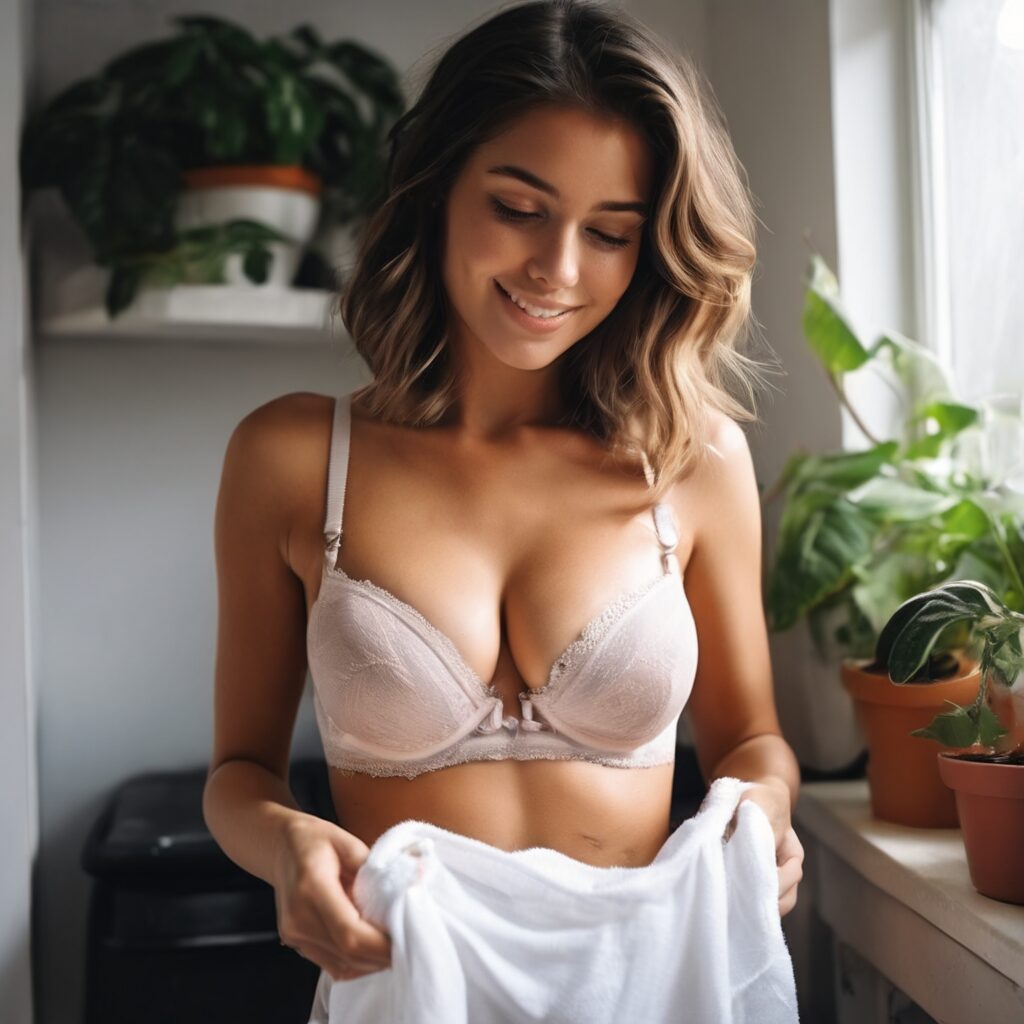
Introduction to Bra Washing
Washing bras correctly is essential to maintain their shape, support, and longevity. While it might seem like an easy task, there are specific steps and precautions that can help you get the most out of your bras, ensuring they remain comfortable and effective. In this guide, we will walk you through the best practices for washing your bras, so you can keep them in top condition.
Key takeaways
- Hand wash in lukewarm water or use a lingerie bag on a gentle, cold machine cycle.
- Air dry bras flat on a towel; never use a dryer as heat damages elastic fibers.
- Remove odors from sports bras by soaking them in a mixture of white vinegar and cold water.
- Use pH-neutral detergents for delicates and avoid chlorine bleach to protect fabric and elasticity.
- Hook bras before washing to prevent snagging and rotate them to allow elastic fibers to recover.
Why Proper Bra Washing is Important
Bras are delicate garments that require special care. Improper washing can lead to:
- Loss of elasticity
- Distorted shape
- Damaged underwire
- Faded colors
By following the correct washing techniques, you can avoid these issues and extend the life of your bras.
Hand Washing vs. Machine Washing
Hand washing is the preferred method for cleaning bras. It is gentler and helps maintain the bra’s shape and structure. However, if you must use a washing machine, there are ways to minimize damage:
Hand Washing
- Fill a basin with lukewarm water and a small amount of mild detergent.
- Immerse the bra and gently agitate the water to loosen dirt and oils.
- Let the bra soak for 10-15 minutes.
- Rinse thoroughly with cool water to remove all soap.
- Press out excess water with a towel and reshape the cups.
- Lay flat to dry on a clean towel.
Machine Washing
- Use a lingerie bag to protect the bras from getting tangled or stretched.
- Set the machine to a gentle cycle with cold water.
- Use a mild detergent and avoid bleach or fabric softeners.
- Remove bras promptly after the cycle ends.
- Reshape the bras and lay them flat to dry.
Drying Your Bras
Never put bras in the dryer, as the heat can damage the fabric and elastic. Instead, follow these steps for air drying:
- After washing, gently press out any excess water with a towel.
- Reshape the cups and lay the bra flat on a clean, dry towel.
- Allow the bra to air dry completely before wearing or storing.
Hanging bras by the straps can cause them to stretch, so it’s best to lay them flat.
Storing Your Bras
Proper storage is also key to maintaining the shape and longevity of your bras:
- Store bras flat in a drawer with cups nested inside each other.
- Avoid folding bras in half, as this can cause creasing and damage the underwire.
- Consider using a bra organizer to keep them in shape and easy to find.
Deep-Clean Techniques for High-Impact Sports Bras
Sports bras are engineered with moisture-wicking synthetic fibers like spandex and polyester, which trap bacteria and body oils differently than lace or cotton. Because these materials are designed to grip the body, they require a more rigorous approach to hygiene. If your sports bra retains a lingering odor even after a standard wash, it is likely due to a buildup of sebum deep within the fibers. To combat this, perform a periodic deep-soak treatment. Fill a basin with a mixture of one part white vinegar to four parts cold water and submerge the bra for 30 minutes. The acetic acid in the vinegar neutralizes odor-causing bacteria without compromising the garment’s compression capabilities. Follow this with a thorough rinse and a gentle wash with a sports-specific detergent formulated to break down synthetic oils. Always ensure the bra is completely dry before storage, as residual moisture in the thick padding of a sports bra is a breeding ground for mildew.
The Science of Detergent Selection
Many common laundry detergents contain enzymes designed to break down protein-based stains, such as food or grass. However, these same enzymes can aggressively attack the protein structures in natural fibers like silk or wool often found in high-end lingerie. Furthermore, standard detergents often contain optical brighteners that can yellow or alter the color of delicate synthetic dyes. For your bra collection, prioritize pH-neutral detergents labeled specifically for delicates or woolens. Avoid “heavy-duty” liquids that promise “tough stain removal,” as these usually have a high alkaline content that degrades the polymer chains in elastane (spandex). If you live in an area with “hard” water, minerals can crystallize in the fabric weave, making the bra feel scratchy and stiff. In this case, adding a half-teaspoon of a water softener to your wash basin can prevent mineral buildup and keep the fabric supple.
Managing Hardware and Underwire Longevity
The underwire is the structural spine of your bra, and its integrity is often compromised by the friction of the washing process. Over time, the protective casing—or “channeling”—can wear thin, allowing the wire to poke through. To prevent this, always ensure your bra is fully hooked before washing, whether by hand or in a machine; an open hook acts like a miniature grappling hook, snagging lace and pulling threads in other garments. If you notice the fabric covering the wire starting to fray, use a small amount of clear fabric glue or a quick needle-and-thread reinforcement to patch the spot before it becomes a hole. If a wire does slip out, do not attempt to force it back in if the fabric is torn. Instead, sew the end of the channel shut to prevent the wire from scratching your skin or damaging your skin during wear.
The Risks of Over-Washing and Fabric Fatigue
While hygiene is important, there is a point of diminishing returns when it comes to washing frequency. Elastic fibers have a finite number of “stretch-and-recover” cycles; every time you submerge a bra in water and manipulate the fabric, you are accelerating the mechanical fatigue of the spandex. If you are washing your bras after every single wear, you may be shortening their lifespan unnecessarily. Unless you have been sweating profusely or the bra is visibly soiled, rotate your bras to allow the elastic fibers to “rest” and recover their shape for 24 hours between wears. This resting period allows the heat and moisture absorbed during the day to evaporate, reducing the frequency with which the fibers need to be subjected to the stress of a full wash cycle. Aim for a balance: wash daily-wear bras every 3-4 uses, but prioritize immediate washing for items worn during high-exertion activities.
Travel-Ready Bra Care and Maintenance
Maintaining your bra collection while traveling presents unique challenges, particularly regarding drying time and luggage space. To avoid crushing cups, utilize a dedicated hard-shell bra travel case. If you must wash bras in a hotel sink, avoid using harsh hotel-provided shampoos or body washes, which are often too alkaline or contain conditioners that leave a residue, attracting dirt faster. Instead, carry a small travel-sized bottle of delicate detergent. When drying in a hotel room, avoid hanging the bra over a radiator or directly in front of a high-heat vent, as this will cause the elastic to lose its snap almost instantly. If you are in a humid environment, use a hairdryer on the “cool” setting to speed up the evaporation process from a distance of at least 12 inches, focusing on the thicker areas like the gore and the straps where moisture tends to linger longest.
Addressing Yellowing and Discoloration in Whites
White bras are notorious for losing their crispness and developing a grayish or yellowish tint, usually caused by a combination of sweat, antiperspirant residue, and improper rinsing. Never use chlorine bleach on bras; it is highly corrosive and will destroy the elasticity of the spandex, turning white fabric brittle and eventually yellowing it further. Instead, opt for an oxygen-based bleach (sodium percarbonate) as a safe, color-safe alternative for whitening. Create a soaking solution with warm water and the oxygen bleach, allowing the bra to sit for up to six hours. This process gently lifts organic stains without the harsh chemical degradation associated with chlorine. If you find your straps are yellowing specifically, this is often a reaction between deodorant and the synthetic fabric; try switching to an aluminum-free deodorant to prevent this chemical reaction from occurring in the first place.
FAQ
How often should I wash my bras?
It’s best to wash your bras after every 2-3 wears. However, this can vary depending on your activity level and personal preference.
Can I wash my bras with other clothes?
It’s best to wash bras separately or with other delicate items to prevent damage from zippers and rough fabrics.
What type of detergent should I use?
Use a mild detergent specifically designed for delicate fabrics. Avoid using bleach or fabric softeners.
How can I remove stains from my bras?
For tough stains, pre-treat the area with a small amount of detergent and let it sit for 10-15 minutes before washing.
Is it okay to iron my bras?
No, ironing can damage the elastic and fabric of the bra. Always air dry your bras instead.
Related posts:
 Knix Sports Bra Review
 Hygge-Inspired Comfortable Bras
 The Best Sports Bras with New Technology
 The Perfect Cotton Sports Bra for Comfort and Support
 The Best Bra Tops for Comfort and Support
 Start Your Day Like Misty Copeland With This Simple Morning Move
 Jockstrap-Inspired Sports Bras
 In Common Zero Bra Review