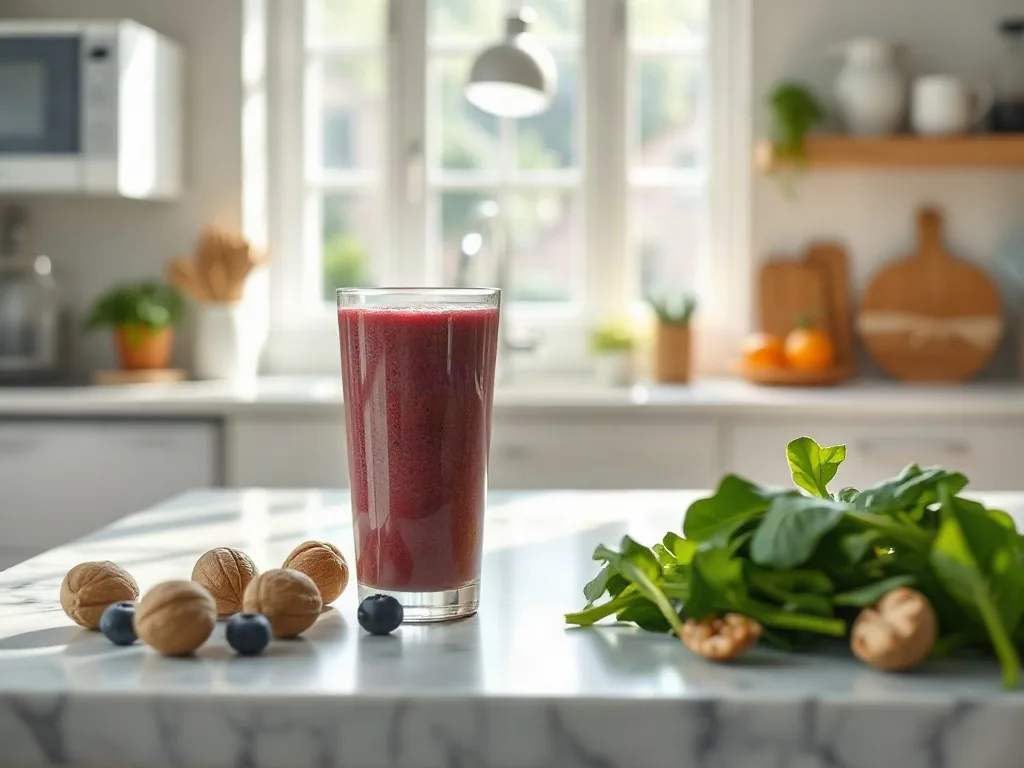
In a world that constantly demands mental sharpness, many of us search for simple, delicious ways to support brain health. A well‑crafted smoothie can deliver a concentrated blend of nutrients that nurture cognition, mood, and overall energy without the hassle of preparing multiple dishes. This article walks you through the science behind brain‑friendly ingredients, provides a step‑by‑step recipe, and offers practical tips to make the most of every sip.
Key takeaways
- Use ingredients rich in omega-3s, antioxidants, and B-vitamins like flaxseeds, blueberries, and spinach to support brain cell health.
- Include healthy fats like avocado or almond butter to ensure the body absorbs fat-soluble vitamins A, D, E, and K.
- Consume smoothies within 30 minutes of blending to prevent the oxidation of antioxidants and maintain peak nutrient potency.
- Add black pepper if using turmeric to increase curcumin absorption, and use frozen fruit instead of ice for texture.
- Avoid over-sweetening with syrups to prevent blood sugar spikes that can lead to energy crashes and reduced focus.
Why a Brain‑Boosting Smoothie?
Smoothies are uniquely positioned to serve as nutrient‑dense meals or snacks because they combine liquids, fruits, vegetables, proteins, and healthy fats in a single, easily digestible format. When you select ingredients rich in antioxidants, omega‑3 fatty acids, vitamins, and minerals, you create a synergistic cocktail that can help protect neurons from oxidative stress, support neurotransmitter production, and maintain healthy blood flow to the brain. While no single food can guarantee cognitive improvement, a regular habit of consuming nutrient‑rich smoothies can complement a balanced diet and lifestyle aimed at optimal mental performance.
Core Nutrients for Cognitive Health
Understanding which nutrients matter most for brain function helps you build a purposeful recipe. Below are the key categories and why they matter:
- Omega‑3 fatty acids – Essential for building cell membranes and supporting communication between neurons. Sources include flaxseed, chia seeds, and walnuts.
- Antioxidants – Combat free radicals that can damage brain cells. Berries, especially blueberries and blackberries, are packed with anthoc‑anthocyanins.
- Vitamin E – Protects lipid membranes from oxidation. Nuts such as almonds and hazelnuts are excellent sources.
- B‑vitamins (B6, B9, B12) – Play vital roles in neurotransmitter synthesis and homocysteine regulation. Leafy greens, avocado, and fortified plant milks contribute these vitamins.
- Magnesium – Supports synaptic plasticity and reduces stress‑related cortisol spikes. Seeds, leafy greens, and cacao nibs are magnesium‑rich.
- Polyphenols – Promote neurogenesis and improve blood‑brain barrier integrity. Dark chocolate, green tea powder, and certain spices such as turmeric contain these compounds.
By combining ingredients from each category, you create a multi‑layered nutritional profile that addresses several pathways of brain health simultaneously.
Choosing the Right Ingredients
Below is a practical guide to selecting the best components for a brain‑boosting smoothie. Consider flavor balance, texture, and nutrient density.
- Base liquid – Unsweetened almond milk, oat milk, or coconut water provide hydration without added sugars. For an extra caffeine‑free energy lift, try a cold‑brewed hibiscus tea.
- Fruit – Blueberries, strawberries, and blackcurrants deliver antioxidants and natural sweetness. A half‑banana adds creaminess and potassium.
- Vegetable – Spinach or kale are mild‑tasting, vitamin‑rich greens. If you prefer a subtler flavor, try a small handful of baby carrots or roasted beetroot cubes.
- Healthy fat – A tablespoon of raw almond butter, a quarter of an avocado, or a spoonful of coconut oil supplies essential fatty acids and helps absorb fat‑soluble vitamins.
- Protein – Greek yogurt, silken tofu, or a scoop of plant‑based protein powder ensures the smoothie keeps you satiated and supports neurotransmitter precursors.
- Boosters – Ground flaxseed, chia seeds, or hemp hearts add omega‑3s and fiber. A pinch of cinnamon or a dash of cacao nibs introduces polyphenols and a pleasant flavor note.
When shopping, prioritize organic produce when possible, especially for berries and leafy greens, to reduce pesticide exposure that could interfere with brain chemistry.
Step‑by‑Step Recipe
This recipe yields one generous serving (approximately 500 ml). Adjust portions to fit your caloric needs.
- Gather ingredients:
- 1 cup unsweetened almond milk
- ½ cup frozen blueberries
- ½ cup frozen strawberries
- ½ ripe banana
- 1 cup fresh spinach leaves (packed)
- ¼ avocado
- 1 tablespoon raw almond butter
- 1 tablespoon ground flaxseed
- 1 teaspoon cinnamon
- ½ cup plain Greek yogurt (or ½ cup silken tofu for a dairy‑free version)
- Optional: ½ cup ice cubes for extra chill
- Prep the blender – Add the liquid first to help the blades move smoothly.
- Add the soft ingredients – Banana, avocado, and yogurt go next. These create a creamy base.
- Incorporate greens and fruit – Drop in spinach followed by the frozen berries. The frozen fruit keeps the drink thick without needing extra ice.
- Finish with boosters – Sprinkle flaxseed and cinnamon on top before sealing the lid.
- Blend – Start on low speed for 10 seconds, then increase to high for 45 seconds or until the texture is smooth and no leafy chunks remain. If the smoothie is too thick, add a splash of extra almond milk.
- Serve – Pour into a glass, sprinkle a few extra almond slivers or a dusting of cinnamon for garnish, and enjoy within 30 minutes for optimal nutrient retention.
Nutrition snapshot (approximate): 350 kcal, 12 g protein, 15 g fiber, 12 g healthy fats, 45 g carbohydrates, plus a robust mix of vitamins C, E, K, magnesium, and omega‑3 fatty acids.
Customization Options
The beauty of smoothies lies in their adaptability. Below are several variations to match dietary preferences or flavor cravings while preserving brain‑boosting benefits.
- Vegan version – Replace Greek yogurt with a scoop of plant‑based protein powder or ½ cup coconut yogurt. Ensure the protein powder is free of artificial sweeteners.
- Extra caffeine – Add ½ teaspoon of matcha powder for a gentle, sustained energy lift without the jitters of coffee.
- Anti‑inflammatory boost – Incorporate ¼ teaspoon of turmeric and a pinch of black pepper to enhance curcumin absorption.
- Low‑sugar alternative – Omit the banana and increase the proportion of leafy greens and cucumber. Sweeten lightly with a few drops of stevia or a handful of pitted dates.
- Seasonal twist – Swap blueberries for frozen mango and a handful of fresh mint for a tropical, brain‑friendly take.
When modifying the recipe, keep the overall balance: a source of healthy fat, protein, fiber, and antioxidant‑rich produce in each blend.
Tips for Maximizing Nutrient Absorption
Even the most nutrient‑dense smoothie can lose potency if preparation or consumption habits are suboptimal. Follow these evidence‑based practices:
- Blend at low temperature – Using frozen fruit instead of ice keeps the drink cold without diluting nutrients. Excessive heat from prolonged blending can degrade heat‑sensitive vitamins like vitamin C.
- Combine fats with fat‑soluble vitamins – Adding almond butter or avocado ensures vitamins A, D, E, and K are absorbed efficiently.
- Include a pinch of black pepper with turmeric – Piperine, the active compound in black pepper, boosts curcumin bioavailability by up to 2,000 %.
- Consume within 30 minutes – Antioxidants begin to oxidize once exposed to air. Drinking promptly preserves their protective capacity.
- Pair with a source of vitamin C – If your smoothie lacks citrus, add a few orange segments or a splash of pomegranate juice to enhance iron absorption from leafy greens.
Incorporating Smoothies into a Balanced Diet
A brain‑boosting smoothie can serve as a breakfast, post‑workout recovery drink, or mid‑day snack. Here are three integration strategies:
- Breakfast replacement – Pair the smoothie with a small whole‑grain toast topped with nut butter. This adds complex carbs and extra protein for sustained energy.
- Post‑exercise refuel – After a cardio session, the combination of protein, carbs, and electrolytes in the smoothie supports muscle repair and rehydrates the body.
- Mid‑afternoon focus boost – A half‑size smoothie (about 250 ml) can curb the typical 2‑3 p.m. slump without causing a sugar crash, especially when paired with a handful of raw nuts.
Remember that variety is key. Rotate different berries, greens, and healthy fats throughout the week to expose your brain to a broad spectrum of phytochemicals.
Common Mistakes to Avoid
Even enthusiastic smoothie makers can fall into habits that diminish the intended benefits. Watch out for these pitfalls:
- Over‑sweetening – Adding honey, maple syrup, or flavored yogurts can spike sugar levels, leading to energy crashes and reducing the antioxidant impact.
- Skipping healthy fats – Fat‑free versions may feel lighter but limit the absorption of essential fat‑soluble nutrients.
- Using low‑quality protein powders – Some commercial powders contain fillers, artificial sweeteners, or heavy metals. Choose reputable, third‑party tested brands.
- Neglecting fiber – Removing seeds or discarding pulp reduces fiber, which is important for gut health—a factor increasingly linked to cognitive function.
- Preparing in bulk and storing for days – While convenient, prolonged storage leads to nutrient degradation and possible bacterial growth. If you must prep ahead, keep ingredients separate and blend fresh each morning.
Strategic Meal Planning: Integrating Brain‑Boosting Smoothies into Your Weekly Routine
When you treat a smoothie as a single, isolated snack, you miss the opportunity to weave it into a larger nutritional tapestry. Begin each week by mapping out the days you anticipate high‑cognitive demand—project meetings, exam study sessions, or creative work blocks. Assign a dedicated smoothie slot that aligns with your natural energy dip, typically mid‑morning or early afternoon. By pairing the drink with complementary whole‑food meals, you create a steady flow of glucose, amino acids, and micronutrients that stabilise blood‑sugar levels and sustain neurotransmitter synthesis.
Step‑by‑step weekly framework:
- Sunday prep day: Wash, dry, and portion leafy greens, berries, and carrots into freezer‑safe zip‑lock bags. Label each bag with the intended day (e.g., “Mon‑Spinach‑Blueberry”). This eliminates daily chopping and guarantees consistent portion control.
- Monday‑Friday: Pull the pre‑portioned bag, add your chosen liquid, protein source, and any daily booster (matcha, turmeric, etc.). Blend and consume within 30 minutes.
- Weekend buffer: Use any leftover frozen fruit to craft a “recovery” smoothie after a hike or bike ride, swapping the usual avocado for a spoonful of pumpkin puree to replenish electrolytes.
For those who thrive on variety, rotate the base greens every two days (spinach → kale → Swiss chard) and switch the berry mix weekly (blueberries → blackberries → mixed wild berries). This rotation not only prevents palate fatigue but also broadens the spectrum of phytochemicals you ingest, a principle supported by research on dietary diversity and neuroprotection.
Edge case: If you travel frequently, pre‑portion dry boosters (flaxseed, chia, cacao nibs) into small resealable pouches and keep a portable insulated bottle for your liquid base. A travel‑friendly version can be assembled in a shaker bottle with a hand‑held frother, preserving the brain‑boosting profile without a full‑size blender.
Cost‑Effective Sourcing: Getting Premium Nutrients Without Breaking the Bank
High‑quality brain‑supporting ingredients often carry a premium price tag, yet strategic purchasing can dramatically lower your grocery bill. The first lever is bulk buying. Purchase raw nuts, seeds, and dried powders (hemp hearts, spirulina, cacao nibs) in 2‑kg bags from warehouse clubs or online bulk retailers. Store them in airtight containers in a cool, dark pantry; most retain potency for six months to a year.
Seasonal substitution matrix demonstrates how to swap pricey items with equally nutritious, locally abundant alternatives:
- Almond butter → sunflower seed butter (30 % cheaper, comparable monounsaturated fat profile).
- Fresh blueberries → frozen mixed berries (often frozen at peak ripeness, lower cost per gram of anthocyanins).
- Organic avocado → ripe Hass avocado purchased at the end of its peak season (price drops 40 % in late summer).
- Specialty plant‑based protein powder → plain pea protein isolate (unflavoured, no sweeteners, bulk‑price).
Leverage community resources such as farmers’ markets, CSAs (Community Supported Agriculture), and co‑ops. Many growers offer “pick‑your‑own” berry days where you pay a flat fee for unlimited harvest—a cost‑effective way to secure antioxidant‑rich fruit while supporting local agriculture.
When budgeting, track the cost per serving rather than per package. For example, a 500‑g bag of raw chia seeds may cost $8, but a single tablespoon (≈12 g) used in a smoothie equates to $0.19 per serving. Over a month, this translates to a negligible expense compared with the cognitive benefit of consistent omega‑3 intake.
Edge case: Individuals on a strict low‑sodium diet may worry about hidden salts in canned or frozen produce. Opt for “no‑salt‑added” varieties and rinse frozen berries quickly under cold water before blending; this removes any surface‑applied preservatives without sacrificing nutrient density.
Beyond the Blender: Alternative Tools and Techniques for Optimal Texture and Nutrient Retention
While a high‑speed countertop blender is the workhorse for most recipes, alternative appliances can enhance specific goals—whether you seek ultra‑smooth consistency, minimal oxidation, or a portable solution for on‑the‑go consumption.
Immersion (hand) blenders excel when you prefer a thinner, soup‑like texture. By blending directly in a tall glass, you reduce the surface area exposed to air, limiting oxidative loss of vitamin C and polyphenols. Use a pulse‑mode to avoid over‑processing delicate seeds that can become gummy.
Cold‑press juicers can extract a nutrient‑dense liquid from leafy greens before they meet the fruit base. The resulting green juice, when combined with a small amount of frozen fruit, yields a smoother mouthfeel while preserving chlorophyll and heat‑sensitive enzymes that would otherwise degrade in a high‑speed blend.
Vacuum‑seal blending is a newer technology where the blender container is sealed, air is removed, and the blend occurs under reduced‑pressure conditions. This method dramatically cuts oxidation, preserving the bright colour and antioxidant capacity of berries. Brands such as Vitamix and Blendtec offer dedicated vacuum‑blend cycles.
For travelers, a portable battery‑operated mini‑blender (often marketed for smoothies) can be a lifesaver. Pair it with pre‑measured dry boosters in a single‑serve packet; the motor’s lower RPM means you may need to add a few extra seconds of blending or a small amount of warm water to achieve a smooth texture.
Edge case: Users with limited countertop space may worry about clutter. A compact food processor equipped with a “smoothie” attachment can double as a chopping tool for salad prep, consolidating kitchen appliances and saving both money and space.
Tracking Cognitive Impact: Simple Self‑Assessment Methods and Journaling Tips
Consuming a brain‑boosting smoothie is only half the equation; the other half is measuring whether it truly supports mental performance. While laboratory‑grade neurocognitive testing is out of reach for most, a structured self‑tracking system can reveal patterns and guide fine‑tuning.
Three‑tiered journal template:
- Pre‑smoothie baseline: Record time of day, perceived energy level (1‑10 scale), mood descriptors, and any pending tasks that require focus.
- Post‑smoothie window (30‑90 minutes): Note changes in alertness, clarity, or any physical sensations (e.g., stomach comfort). Use a simple checkbox for “no crash” vs. “energy dip”.
- End‑of‑day reflection: Summarise overall productivity, any memory lapses, and whether the day’s mental performance met expectations.
Digitise this process with a spreadsheet that calculates average scores per week. Look for trends: a consistent rise in the post‑smoothie alertness score may indicate that the current ingredient blend is effective, whereas a plateau or decline suggests a need for variation—perhaps swapping out the banana for a low‑glycaemic fruit to avoid a delayed insulin response.
Incorporate a brief cognitive task to objectify the data. Simple online tools like the Stroop Test or a 2‑minute digit‑span memory game can be completed before and after the smoothie. Record reaction times and accuracy; over several weeks, even a 5‑10 % improvement becomes statistically meaningful.
Edge case: Individuals with ADHD medication may experience heightened sensitivity to caffeine or certain herbal stimulants. Use the journal to flag any adverse reactions (e.g., jitteriness) and adjust boosters accordingly—perhaps replacing matcha with a smaller dose of guarana or eliminating it altogether.
Gut‑Brain Connection: How Prebiotic and Probiotic Additions Elevate Mental Performance
The gut microbiome produces neurotransmitters, short‑chain fatty acids, and metabolites that travel to the brain via the vagus nerve and bloodstream. By enriching your smoothie with pre‑ and probiotic ingredients, you nurture a microbial environment that supports mood regulation, stress resilience, and even memory consolidation.
Prebiotic powerhouses (fibrous compounds that feed beneficial bacteria):
- Inulin‑rich chicory root powder (1‑2 tsp per serving).
- Resistant starch from cooked‑then‑cooled sweet potato cubes (¼ cup).
- Banana’s natural fructooligosaccharides—use a half‑ripe banana for a higher prebiotic load.
Probiotic enhancers that survive the blending process:
- Fermented kefir (¼ cup) – provides a broad spectrum of live cultures.
- Plain, unsweetened yogurt with live & active cultures (½ cup) – a dairy‑based option.
- Plant‑based probiotic capsules (opened, powder added) – for vegans seeking specific strains like Lactobacillus plantarum.
Combine these strategically: a typical gut‑friendly smoothie might include a tablespoon of inulin, a half‑ripe banana, a splash of kefir, and a handful of spinach. The fiber slows glucose absorption, preventing spikes that can disrupt mood, while the live cultures modulate inflammation—a key factor in neurodegenerative risk.
Edge case: Individuals with small‑intestinal bacterial overgrowth (SIBO) must monitor fermentable oligosaccharides (FODMAPs). In such scenarios, replace high‑FODMAP prebiotics like inulin with low‑FODMAP options such as oat bran or a small amount of green banana flour, and choose a probiotic strain proven to be SIBO‑friendly (e.g., Saccharomyces boulardii).
Adapting the Recipe for Specific Health Conditions: Diabetes, Hypertension, and Food Allergies
Customising the brain‑boosting smoothie to accommodate chronic conditions ensures you reap cognitive benefits without compromising safety.
Diabetes‑friendly modifications:
- Swap the banana for a quarter‑cup of frozen cauliflower florets; they add creaminess with negligible carbs.
- Incorporate a tablespoon of powdered monk fruit sweetener instead of natural fruit sugars if additional sweetness is desired.
- Choose unsweetened soy or pea milk fortified with calcium and vitamin D, which have a lower glycaemic impact than oat milk.
Hypertension‑aware tweaks:
- Eliminate added salt and avoid canned fruit packed in syrup.
- Boost potassium with a quarter‑cup of diced cucumber and a splash of freshly squeezed orange juice (watch portion size to keep sodium low).
- Include a pinch of beetroot powder, which contains nitrates that support vasodilation and cerebral blood flow.
Allergy accommodations:
- Nut allergy: Replace almond butter with roasted pumpkin seed butter; it supplies comparable magnesium and healthy fats.
- Soy allergy: Use coconut yogurt or cashew‑based yogurt alternatives; ensure they are fortified with calcium and B12.
- Gluten intolerance: Verify that protein powders are certified gluten‑free; avoid maltodextrin‑based thickeners that may contain hidden wheat.
For each condition, keep a net carbohydrate or sodium target in mind (e.g., < 15 g carbs per serving for most type‑2 diabetes plans). Use a nutrition calculator app to verify that the adapted smoothie stays within those limits.
Edge case: Patients on anticoagulant therapy (e.g., warfarin) need to monitor vitamin K intake. While leafy greens are rich in vitamin K, the amount in a single smoothie (≈1 cup packed spinach) typically adds only 30‑40 µg, a modest increase. However, if you consume multiple smoothies daily, consider rotating greens (kale → arugula) and tracking total weekly vitamin K to avoid therapeutic interference.
Seasonal Superfood Guide: Leveraging the Calendar for Maximum Phytochemical Diversity
Seasonality is not just a culinary trend; it aligns with peak phytochemical concentrations, which translates into stronger antioxidant and anti‑inflammatory effects. By rotating your smoothie’s star ingredients with the seasons, you expose the brain to a broader array of neuroprotective compounds.
Spring (March‑May) – Focus on emerging greens and early berries:
- Ramps or wild garlic shoots (rich in organosulfur compounds).
- Rhubarb stalks (source of anthraquinones).
- Strawberries and cherries (high in vitamin C and melatonin‑precursor compounds).
Summer (June‑August) – Embrace sun‑kissed fruits and heat‑stable seeds:
- Mango or papaya (beta‑carotene, folate).
- Fresh corn kernels (provides lutein for visual‑cognitive integration).
- Hemp hearts (omega‑3/6 ratio close to 3:1, ideal for neuronal membrane fluidity).
Autumn (September‑November) – Harvest root vegetables and deep‑colored berries:
- Roasted butternut squash (beta‑cryptoxanthin, supports neurogenesis).
- Blackcurrants (one of the highest anthocyanin densities).
- Walnuts (plant‑based DHA precursor).
Winter (December‑February) – Lean on storage‑friendly produce and warming spices:
- Frozen acai or goji berries (high in flavonoids).
- Beetroot (nitrates for cerebral blood flow).
- Turmeric and ginger (anti‑inflammatory polyphenols).
Practical tip: Create a seasonal “smoothie calendar” on a fridge magnet. Mark each week with the featured superfood and a quick bullet list of its primary brain‑benefiting compounds. This visual cue nudges you to shop for the right produce and prevents reliance on the same handful of ingredients year‑round.
Edge case: Living in a region with limited fresh produce during winter? Counteract by investing in a high‑quality freezer that preserves flash‑frozen berries and greens. Supplement with powdered forms of winter crops (e.g., beetroot powder, powdered pumpkin) that retain most of the phytonutrient profile when stored properly.
FAQ
1. Can I drink a brain‑boosting smoothie every day?
Yes, as long as the overall diet remains varied and balanced. Daily consumption can help you meet recommended intakes of fruits, vegetables, and omega‑3s, but it should not replace whole foods entirely.
2. Is it better to use fresh or frozen fruit?
Frozen fruit is harvested at peak ripeness and flash‑frozen, which locks in nutrients. It also provides the cold texture many people prefer. Fresh fruit works well, especially in season, but be mindful of added water content that can thin the smoothie.
3. How long can I keep a prepared smoothie in the fridge?
For optimal nutrient retention, consume within 24 hours. Store in an airtight glass container to limit oxidation. Give the smoothie a quick shake before drinking.
4. I have a nut allergy—what can I substitute?
Replace almond butter with sunflower seed butter or a tablespoon of oat cream. For omega‑3s, use hemp seeds or a splash of algae‑based oil, which provides DHA/EPA without nuts.
5. Will adding protein powder make the smoothie too thick?
Protein powders vary in thickness. Start with a half‑scoop, blend, and assess texture. Adding a little extra liquid or a few ice cubes can restore a smooth consistency.
Related posts:
 Healthy Frozen Banana Desserts
 Sleep-Boosting Bedtime Smoothie Recipe
 The Ultimate Guide to Building the Perfect Smoothie Every Time
 Is Peanut Butter Actually a Healthy Snack?
 Sweet Smoothies Without the Sugar Crash
 High-Protein Foods That Pack a Serious Nutritional Punch
 The Green Goddess Guide to Buying Leafy Perfection
 Nina Agdal’s Green Smoothie Recipe That Tastes Like Paradise