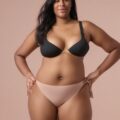
For years, the lingerie industry operated under the assumption that support required heavy underwires, thick padding, and wide, industrial-strength straps. For those with larger busts, shopping for intimates often felt like a chore rather than a form of self-care. However, the rise of the bralette has revolutionized how we think about comfort and support. Finding the right bralette for a larger bust is no longer a contradiction in terms; it is an achievable goal that prioritizes your comfort without sacrificing the silhouette you desire.
Understanding Why Traditional Underwires Often Fail
The traditional underwire bra is designed to lift by pushing the breast tissue upward and outward, often anchoring the weight of the bust onto the shoulders. For many individuals with larger busts, this leads to “bra fatigue” by midday, characterized by red grooves in the shoulders, skin irritation under the wire, and a constant urge to adjust. The engineering of a bralette is fundamentally different. Instead of relying on stiff metal or plastic channels to force a shape, a well-constructed bralette for a larger bust uses fabric tension, wider bands, and strategic seam placement to distribute weight more evenly across the ribcage. When you remove the rigid structure, you allow your body to move naturally, which can reduce the secondary tension headaches and back strain often associated with ill-fitting traditional bras.
The Importance of Fabric Technology and Construction
Not all bralettes are created equal. When shopping for a larger cup size, the material composition is your most important metric. Look for high-density fabrics that offer four-way stretch but maintain “memory”—meaning they snap back into shape rather than stretching out after a few hours of wear. Modal, bamboo-derived viscose, and high-performance nylon-spandex blends are excellent choices because they offer breathability and durability. Look for “engineered zones” in the construction. This refers to areas of the bralette that use different knitting patterns or double-layered fabric to provide extra reinforcement under the bust or at the sides, acting as a soft-structure alternative to the traditional wire.
How to Measure Correctly for a Bralette
One of the biggest mistakes people make when transitioning to bralettes is using their traditional bra size as the sole metric. Because bralettes lack hooks and eyes to customize the fit of the band, sizing can be more forgiving yet more specific. You should measure your under-bust (the ribcage) while exhaling fully to ensure a snug fit that won’t ride up. Then, measure the fullest part of your bust. If you are between sizes, always opt for the size that accommodates your cup volume rather than the band, as the stretch of the fabric will generally conform to your ribcage. If you have a significant difference between your under-bust and bust measurement, look for brands that offer “full-busted” specific sizing, which often features deeper cups and narrower bands to prevent the common “spillover” effect.
Key Features to Look for in Support
When browsing, prioritize specific design elements that signal support. A wider under-bust band is non-negotiable; the wider the band, the more surface area there is to distribute the weight of the bust. Look for adjustable straps that allow you to customize the lift. Convertible straps—those that can be crossed at the back—are a game-changer, as they change the angle of support and can relieve pressure from the trapezius muscles. Additionally, look for “side slings” or internal panels. These are pieces of fabric tucked inside the cup that help direct the breast tissue toward the center, providing a more lifted, separated look rather than the “uniboob” effect that cheaper, thin-fabric bralettes often produce.
Styling Bralettes for Everyday Wear
Bralettes are no longer just loungewear; they are versatile wardrobe staples. For the office, a long-line lace bralette can peek out tastefully under a structured blazer, adding a touch of softness to a sharp silhouette. If you are wearing a sheer blouse, a bralette with a high neckline or elegant scalloped edges acts as a built-in camisole. On weekends, pairing a sports-style bralette with a loose-fitting linen shirt creates an effortless, elevated aesthetic. Because bralettes are inherently more comfortable, they encourage better posture, which in turn makes your clothing fit better. When you aren’t fighting with underwires that dig into your ribs, you naturally stand taller and move with more confidence.
Transitioning from Underwires: A Gradual Approach
If you have worn underwire bras for decades, switching to a bralette can feel like a sensory shift. You might initially feel as though you aren’t “secure” enough because you aren’t feeling the pressure of the wire. Start by wearing your new bralette on low-activity days—perhaps while working from home or running errands—to get used to the sensation of weight being distributed across your chest rather than held by a wire. Once you find a style that provides the lift you need, you will likely find that returning to an underwire feels restrictive and unnecessary. Remember that “support” is subjective; as long as you feel comfortable and the bra holds the weight securely, you are achieving the goal of the garment.
Caring for Your Bralettes to Maintain Support
Because bralettes rely on fabric elasticity for support, proper care is essential to extend the life of your investment. Always hand-wash your bralettes in cool water with a gentle detergent. Avoid fabric softeners, as they can break down the elastane fibers that provide the “snap-back” quality necessary for bust support. Never put your bralettes in the dryer; the heat will destroy the elastic fibers, causing the band to lose its tension and the fabric to bag out. Lay them flat to dry on a clean towel, away from direct sunlight, to maintain their color and structural integrity. If you must use a machine, use a mesh laundry bag and a delicate cycle, but understand that hand-washing will always yield a longer lifespan for the garment.
Building a Bralette Wardrobe
Don’t feel the need to replace your entire lingerie drawer at once. Start with one “everyday” neutral bralette—perhaps in a nude or black shade—that offers the most support. Once you find a brand and style that works for your specific breast shape, you can branch out into different fabrics and colors. Consider a “leisure” bralette for sleep or yoga, and a “dressed-up” bralette with lace or mesh detailing for social occasions. By curating a small collection of high-quality pieces, you ensure that you always have a comfortable, supportive option that makes you feel confident, regardless of the outfit you are wearing.
Decoding Breast Shapes and Their Impact on Bralette Fit
A common oversight in the transition to bralettes is the assumption that bust volume is the only factor determining fit. In reality, breast shape—often categorized as round, teardrop, bell-shaped, or side-set—dictates how a bralette sits against the body. For instance, individuals with a bell-shaped profile often have more fullness at the base; a standard triangle-cut bralette might result in the tissue spilling out of the top or sides because the cup lacks the vertical depth to accommodate the shape. If you have side-set breasts, you will benefit significantly from bralettes that feature internal side slings or ‘cradle’ panels. These panels act as a gentle physical barrier, guiding the tissue toward the center of the chest. When shopping, look for brand-specific ‘fit guides’ that go beyond cup size to address projection; a high-projection breast needs a bralette with deeper, darted cups rather than a flat, compressive mesh piece, which will only flatten the tissue against the chest wall.
The Role of Band Geometry in Weight Distribution
While the width of the band is critical, the geometry of how that band connects to the cups is what truly prevents the dreaded ‘ride-up.’ In a traditional bra, the bridge between the cups is rigid, anchoring the structure. In a bralette, the band must do all the heavy lifting. Seek out designs with a ‘U-shaped’ or ‘leotard’ back configuration. This design pulls the tension of the straps down toward the center of the back, which prevents the band from sliding upward toward the shoulder blades. If you notice your bralette riding up in the back by midday, it is often a sign that the band is either too loose or that the strap tension is pulling the back panel into a position where it cannot grip the ribcage. A ‘long-line’ bralette—one that extends several inches down the torso—is the ultimate solution here; by gripping the ribcage over a larger surface area, the band is physically prevented from moving, offering a level of stability that rivals many underwire bras.
Selecting Hardware: Metal Versus High-Density Plastic
The hardware on a bralette—the sliders on the straps and the hook-and-eye closures—is frequently the point of failure for larger busts. When you are supporting a heavier bust, the tension placed on these small components is significant. Metal sliders are generally superior to plastic, as they are less prone to cracking under constant pressure or heat exposure. Furthermore, consider the placement of the hook-and-eye closure. While ‘pull-on’ bralettes are popular for their seamless look, they can be a nightmare to put on if the band is tight enough to offer real support. For larger busts, a front-closure or back-closure bralette is often a more practical choice. It allows you to step into the garment or fasten it securely without stretching the elastic to its breaking point during the struggle to pull it over your head, which preserves the life of the fibers significantly longer.
Managing Temperature and Moisture Control
Larger busts often generate more body heat, particularly in the inframammary fold (the area directly under the breast). Traditional bras trap this heat against the skin, leading to discomfort and skin irritation. When choosing a bralette, prioritize moisture-wicking synthetic blends or natural fibers that handle humidity well. Bamboo viscose is an exceptional choice for those prone to heat rashes, as it is naturally antimicrobial and wicks moisture away from the skin faster than cotton. If you live in a humid climate, avoid thick, heavy lace bralettes for all-day wear; instead, look for ‘spacer fabric’ bralettes. Spacer fabric is a lightweight, 3D-knit material that allows air to circulate through the cup itself, providing the structure of a molded bra without the heat-trapping density of traditional foam padding.
Addressing Strap Digging and Trapezius Strain
Even with a perfectly fitted band, some individuals experience shoulder pain because the straps are too narrow, concentrating the weight on a tiny surface area. If you struggle with this, look for bralettes with ‘cushioned’ or ‘wide-set’ straps. Some high-end bralettes feature a gel-lined strap or an extra layer of fabric padding at the shoulder point. Another clever strategy is to look for ‘racerback’ or ‘cross-back’ conversion clips. By pulling the straps toward the center of the back, you effectively move the weight-bearing load from the trapezius muscles (which are prone to tension headaches) to the stronger muscles of the upper back. If a bralette doesn’t come with convertible straps, you can purchase inexpensive bra strap clips to achieve the same effect, instantly transforming a standard strap configuration into a supportive racerback.
The ‘Layered’ Technique for Maximum Support
For days when you need extra security, consider the ‘double-layer’ technique. This involves wearing a high-compression, seamless bralette underneath a second, more decorative bralette. The base layer acts as an internal support system, providing compression and separation, while the outer layer provides the aesthetic appeal and coverage you desire. This is particularly useful for those who want to wear lace or delicate bralettes that might not have enough structural integrity on their own. By combining a moisture-wicking, high-density base layer with an outer garment, you create a customized support system that is tailored to your specific activity level. This approach is also a fantastic way to utilize bralettes that you already own but feel are ‘not quite supportive enough’ on their own, effectively extending the utility of your current lingerie collection.
Frequently Asked Questions
Q: Will a bralette cause my breasts to sag over time? A: There is no scientific evidence suggesting that wearing a bralette instead of an underwire bra causes sagging. Sagging is primarily determined by genetics, skin elasticity, and the natural aging process. Wearing a comfortable bra that fits well—regardless of whether it has a wire—is the best way to support your breast tissue comfortably.
Q: How can I avoid the “uniboob” look when wearing a bralette? A: The uniboob effect usually happens when the fabric is too thin or lacks internal structure. Look for bralettes that feature “molded” cups, internal slings, or seams that provide shape. A bralette with a separate cup construction will always provide more separation than a simple pull-on triangle bralette.
Q: Can I wear a bralette for a formal event? A: Absolutely. Many modern bralettes are designed with beautiful lace, silk, or intricate embroidery. They can look elegant under a low-cut dress or a sheer top. If you need extra lift, look for bralettes with a wider band that can support the weight of the bust even under a formal gown.
Q: What if I have a large bust but a small ribcage? A: This is a common fit challenge often called the “small band, large cup” ratio. Look for brands that specialize in “full-bust” sizing rather than S/M/L sizing. These brands offer specific band sizes (like 30, 32, 34) combined with larger cup volumes (DD, E, F, G), ensuring the band is tight enough to provide support without the cups being too small.
Q: How do I know when it is time to replace my bralette? A: You should replace your bralette when the band loses its elasticity and starts riding up your back, or when the straps no longer hold their adjusted length. If you find yourself constantly pulling the bra down or adjusting the straps throughout the day, the fabric has likely reached the end of its functional life.