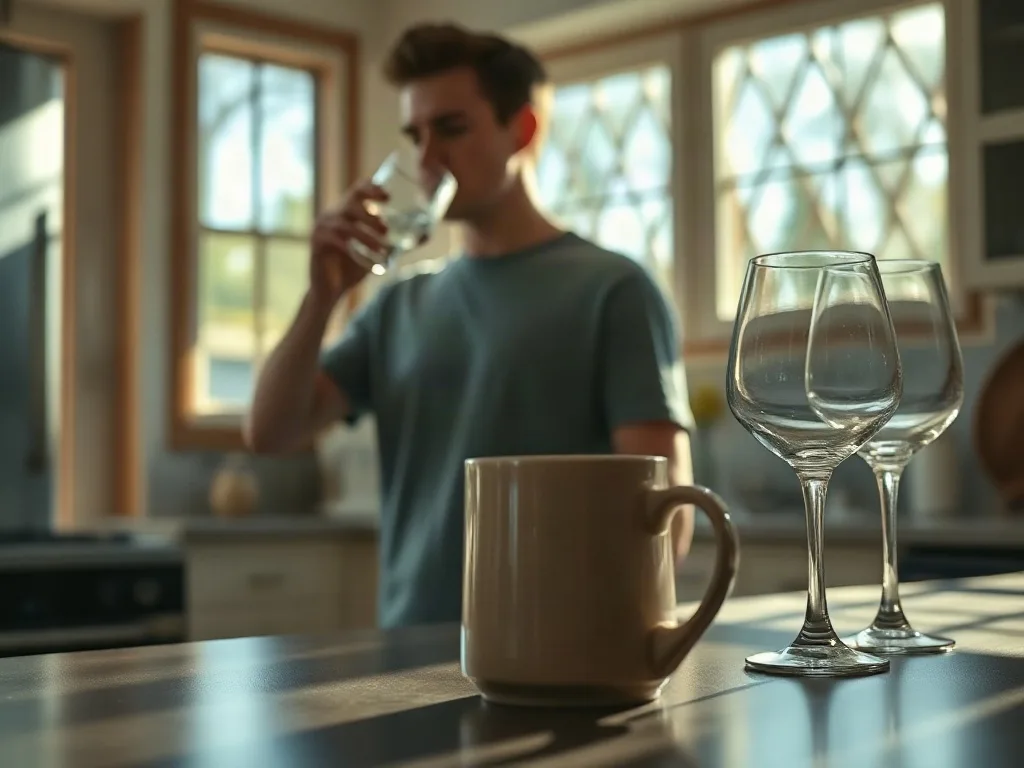
Many of us enjoy a morning coffee to jump‑start the day and a glass of wine to unwind in the evening. While each ritual can be harmless on its own, they often become linked in a pattern that feels impossible to break: the caffeine‑wine cycle. This cycle can disrupt sleep, amplify stress, and make it harder to enjoy either beverage mindfully. In this article we’ll explore why the cycle forms, what it does to your body and mood, and—most importantly—how to replace it with habits that support energy, relaxation, and overall well‑being.
Key takeaways
- Set a strict caffeine cutoff time of 2 p.m. to prevent interference with natural melatonin production and sleep.
- Taper caffeine intake gradually by 10-15% per week to reduce dependency while avoiding withdrawal headaches and fatigue.
- Replace evening wine with herbal teas or magnesium-rich infusions to promote relaxation without fragmenting restorative REM sleep.
- Alternate every alcoholic drink with water and pair wine with protein-rich snacks to slow absorption and reduce cravings.
- Log daily beverage consumption and sleep quality for one week to identify specific lifestyle triggers and habitual patterns.
Understanding the Cycle: How Caffeine and Wine Interact
Caffeine is a stimulant that blocks adenosine receptors, temporarily reducing the feeling of fatigue. Wine, especially red wine, contains alcohol—a depressant that enhances the activity of GABA, a neurotransmitter that promotes relaxation. When you consume caffeine late in the day, it can delay the natural rise of melatonin, the hormone that signals sleep. To compensate for the resulting sleeplessness, many reach for a glass of wine, hoping the alcohol will “reset” the body. The wine may help you fall asleep, but it also fragments sleep architecture, leading to lighter, less restorative sleep. The next morning, you wake feeling groggy, prompting another coffee, and the loop repeats.
Why the Cycle Forms: Lifestyle Triggers
Several everyday factors set the stage for the caffeine‑wine loop:
- Work‑related stress. Tight deadlines often lead to extra coffee shots, and the desire for a quick unwind after work nudges you toward wine.
- Social norms. Coffee breaks are a staple of office culture, while wine is a common evening social lubricant.
- Irregular schedules. Shift work, late‑night meetings, or inconsistent bedtime routines can throw off circadian rhythms, making you rely on stimulants and sedatives.
- Habitual pairing. Over time, the brain learns to associate the “after‑work” cue with a glass of wine, reinforcing the behavior.
Recognising these triggers is the first step toward change.
Health Implications of the Cycle
While moderate coffee (up to 400 mg caffeine per day) and moderate wine (up to one glass per day for women, two for men) can fit into a healthy lifestyle, the cyclical pattern can amplify negative effects:
- Sleep disruption. Caffeine consumed after 2 p.m. can reduce total sleep time by up to 30 minutes. Alcohol, though it may help you fall asleep, suppresses REM sleep, leaving you feeling less refreshed.
- Increased cortisol. Both caffeine and alcohol can trigger cortisol spikes, especially when used as stress‑relief tools, contributing to anxiety and weight gain.
- Digestive irritation. Coffee is acidic; wine contains tannins. Alternating them can irritate the stomach lining and exacerbate heartburn.
- Dehydration. Both are diuretics. Without adequate water intake, you may experience headaches and reduced cognitive performance.
These effects are cumulative; the longer the cycle persists, the more entrenched the symptoms become.
Assessing Your Personal Patterns
Before you can break the cycle, you need a clear picture of how it operates in your life. Follow these three steps:
- Track intake. For one week, log every caffeinated beverage and alcoholic drink, noting the time, quantity, and why you chose it (e.g., “stress”, “habit”, “taste”). A simple spreadsheet or phone app works.
- Monitor sleep. Use a sleep‑tracking app or a basic sleep diary. Record bedtime, wake‑time, perceived sleep quality, and any nighttime awakenings.
- Identify patterns. Look for clusters—e.g., “coffee after 3 p.m. followed by wine after 7 p.m.” Highlight moments when you felt compelled rather than genuinely craving the drink.
Seeing the data visualised often reveals hidden habits that feel “normal” but are actually driving the cycle.
Strategies to Reduce Caffeine Dependence
Replacing coffee with lower‑impact alternatives can lower the stimulant load without sacrificing enjoyment.
- Gradual taper. Reduce your daily caffeine by 10‑15 % each week. If you drink three cups, cut down to two and a half, then two, and so on. This mitigates withdrawal headaches.
- Switch to low‑caffeine options. Try half‑caff espresso, green tea (30‑50 mg caffeine), or chicory coffee, which mimics coffee flavor without the stimulant.
- Mindful timing. Set a daily “caffeine cut‑off” no later than 2 p.m. Use a reminder on your phone to reinforce the rule.
- Hydration boost. Often we mistake thirst for a coffee craving. Keep a water bottle at your desk and sip a glass of water before reaching for coffee.
- Micro‑breaks. Replace the coffee‑break ritual with a five‑minute stretch, breathing exercise, or a short walk. The pause still provides a mental reset.
Strategies to Moderate Wine Consumption
Just as with caffeine, moderation is key. Here are evidence‑based tactics:
- Set a clear limit. Decide on a maximum number of glasses per week (e.g., 5). Write it down and track each glass in the same log you use for caffeine.
- Choose quality over quantity. Savor a well‑chosen wine, drinking it slowly (one sip per minute). This encourages mindfulness and reduces the urge to pour a second glass.
- Alternate with non‑alcoholic drinks. For every glass of wine, have a glass of sparkling water with a slice of citrus. The ritual stays, but alcohol intake drops.
- Designate alcohol‑free evenings. Pick two or three nights a week where you enjoy a herbal tea, a mocktail, or simply water after dinner.
- Mindful eating. Pair wine with a small, protein‑rich snack (cheese, nuts). Protein slows alcohol absorption and reduces the desire for another drink.
Building Sustainable Alternatives
Replacing the coffee‑wine pair with healthier rituals makes the transition smoother.
- Herbal tea rituals. Brew a calming blend (chamomile, lavender, lemon balm) after dinner. The ritual mirrors wine‑time without the alcohol.
- Mocktail evenings. Combine sparkling water, a splash of pomegranate juice, fresh herbs, and a dash of bitters for a sophisticated non‑alcoholic drink.
- Evening wind‑down routine. Dim the lights, turn off screens 30 minutes before bed, and engage in a calming activity—reading, journaling, or gentle yoga.
- Physical movement. A short post‑work walk or a 10‑minute body‑weight circuit can replace the “need for a drink” with an endorphin boost.
- Breathing techniques. The 4‑7‑8 breath (inhale 4 seconds, hold 7, exhale 8) can lower cortisol quickly, reducing the urge to self‑medicate with wine.
Creating a Balanced Daily Routine
Integrating the above strategies into a cohesive schedule helps prevent relapse.
- Morning. Start with a glass of water, followed by a short stretch or 5‑minute meditation. If you need caffeine, limit yourself to one small cup of coffee or green tea before 10 a.m.
- Mid‑day. Take a 10‑minute walk after lunch. Use this time to hydrate and reflect on your energy levels. If you feel a slump, reach for a protein snack and a glass of sparkling water rather than a second coffee.
- Afternoon. Schedule a “focus break” at 2 p.m. that includes a breathing exercise and a sip of herbal tea. This prevents late‑day caffeine spikes.
- Evening. Prepare a mocktail or herbal tea at dinner. Keep the environment low‑stimulus: dim lighting, soft music, and no screens after 9 p.m.
- Night. Finish with a brief gratitude journal entry and a consistent bedtime (e.g., 10 p.m.). Consistency reinforces your circadian rhythm.
Adjust the timing to suit your work schedule, but keep the core principle: stimulant in the morning, relaxant in the evening, and a clear gap between the two.
Tracking Progress and Staying Motivated
Long‑term change thrives on feedback. Use these tools:
- Weekly review. Every Sunday, glance at your caffeine‑and‑wine log. Celebrate days you stayed within limits and note any triggers that caused slip‑ups.
- Sleep score. Many fitness trackers provide a sleep score. Aim for a consistent increase of 5‑10 points over a month.
- Energy journal. Record a quick 1‑sentence note each afternoon: “I feel alert”, “I feel jittery”, or “I feel calm”. Patterns will emerge.
- Accountability partner. Share your goals with a friend or family member. A brief check‑in call or text can reinforce commitment.
- Reward system. Set non‑food rewards for milestones (e.g., a new book after a month of meeting limits).
Remember, setbacks are normal. The goal is gradual improvement, not perfection.
Deep Dive into the Neurobiology: How Caffeine and Alcohol Rewire Brain Pathways
When you sip a latte in the morning, caffeine binds to adenosine receptors across the central nervous system, preventing the natural build‑up of adenosine that signals fatigue. This blockade triggers a cascade that increases dopamine release in the prefrontal cortex, sharpening attention and elevating mood. At the same time, the hypothalamic‑pituitary‑adrenal (HPA) axis receives a subtle boost, raising cortisol levels just enough to sustain alertness without triggering the full stress response.
Alcohol, by contrast, potentiates the inhibitory neurotransmitter gamma‑aminobutyric acid (GABA) and dampens glutamate activity. The net effect is a rapid reduction in neuronal firing, which feels like a mental “off‑switch.” However, the brain does not simply flip from “on” to “off.” The transition creates a rebound effect: after the alcohol wears off, the brain’s excitatory systems overshoot, often leaving the individual feeling more anxious or irritable than before the drink.
When the two substances are used in succession, the brain experiences a rapid polarity shift. Studies using functional magnetic resonance imaging (fMRI) have shown that a caffeine dose taken within four hours of alcohol consumption can blunt the sedative impact of alcohol by up to 20 %, while simultaneously prolonging the cortisol spike initiated by caffeine. This dual‑action pattern can entrench a physiological dependence on the alternating stimulus—one that the brain learns to anticipate as a predictable rhythm.
Edge‑case example: a software developer who codes late into the night may consume a third espresso at 5 p.m. to meet a deadline, then, feeling the lingering jitter, reaches for a glass of wine at 8 p.m. The brain’s reward circuitry interprets the wine as a “counter‑balance” to the caffeine‑induced arousal, reinforcing the pairing through dopamine‑mediated learning. Over weeks, the neural pathways strengthen, making the cue‑response loop more automatic.
Understanding this neurochemical tug‑of‑war provides a foundation for interventions that target the brain’s learning mechanisms rather than merely the surface habit.
Beyond Sleep: The Ripple Effects on Metabolism, Immune Function, and Mood Disorders
While the original article highlighted sleep disruption, the caffeine‑wine cycle also reverberates through metabolic pathways. Caffeine acutely raises basal metabolic rate by 3‑5 % and mobilizes free fatty acids, yet when paired with alcohol, the liver’s ability to oxidize those fatty acids is compromised. Alcohol metabolism prioritises the conversion of ethanol to acetaldehyde, a toxic intermediate that temporarily inhibits the activity of the enzyme carnitine palmitoyl‑transferase‑1 (CPT‑1). The result is a transient spike in triglyceride synthesis, which, if repeated nightly, can contribute to dyslipidaemia and non‑alcoholic fatty liver disease (NAFLD) over months.
Immune modulation is another under‑explored dimension. Caffeine stimulates the production of interleukin‑6 (IL‑6) during acute stress, a cytokine that, in moderation, supports immune vigilance. Alcohol, however, suppresses the function of natural killer (NK) cells and impairs the gut‑associated lymphoid tissue (GALT). The alternating exposure creates a pattern of immune “on‑off” signalling, which some longitudinal studies have linked to higher rates of upper‑respiratory infections in shift workers who habitually consume both substances.
From a psychiatric perspective, the cycle can exacerbate underlying mood disorders. The rapid rise and fall of dopamine associated with caffeine can trigger manic‑like energy spikes in susceptible individuals, while alcohol’s depressant qualities can deepen depressive episodes once the blood alcohol concentration (BAC) declines. A case series from a university counseling centre reported that students who reported a “coffee‑wine routine” were three times more likely to score in the moderate‑to‑severe range on the PHQ‑9 depression questionnaire than peers who consumed either beverage in isolation.
Practical implication: monitoring not only sleep metrics but also fasting glucose, lipid panels, and mood questionnaires can reveal hidden costs of the cycle that would otherwise remain invisible.
Personalizing the Break: Tailored Plans for Athletes, Pregnant Individuals, and Shift Workers
Athletes. Performance‑oriented individuals often rely on caffeine for pre‑competition focus, yet post‑exercise recovery can be hampered by alcohol‑induced inflammation. A periodised nutrition strategy can replace the post‑game wine with a recovery shake containing branched‑chain amino acids (BCAAs) and tart cherry juice, which has been shown to reduce muscle soreness by up to 30 % within 24 hours. Timing is critical: schedule caffeine intake no later than 90 minutes before the event, and avoid any alcohol for at least 48 hours post‑competition to allow muscle glycogen re‑synthesis.
Pregnant and lactating individuals. The FDA advises limiting caffeine to 200 mg per day during pregnancy and abstaining from alcohol entirely. For those accustomed to the caffeine‑wine loop, swapping the evening wine for a warm glass of oat‑based “golden milk” (turmeric, ginger, and a pinch of black pepper) can satisfy the ritualistic desire for a comforting beverage while delivering anti‑inflammatory compounds. Caffeine can be shifted to early‑morning tea, ensuring the stimulant effect does not interfere with the natural dip in melatonin that occurs later in the day.
Shift workers. People on rotating schedules often experience a blunted circadian rhythm, making the traditional “morning coffee, evening wine” paradigm irrelevant. Instead, adopt a “phase‑aligned” approach: identify the individual’s core sleep window (e.g., 2 a.m.–10 a.m.) and place caffeine strategically 30 minutes before the wake‑up phase, limiting total daily intake to 150 mg. For wind‑down, replace alcohol with a magnesium‑rich herbal infusion (e.g., valerian‑root tea) 60 minutes before the intended sleep onset, supporting the GABAergic system without the disruptive metabolism of ethanol.
Each of these sub‑populations benefits from a customized timeline that respects their physiological demands while still breaking the habitual loop.
Designing Your Physical Environment to Disrupt the Cycle
The spaces where you drink often act as silent cues. By altering lighting, scent, and visual markers, you can rewire the association between a specific environment and a particular beverage.
- Lighting cues. Blue‑enriched light (≈ 6500 K) stimulates alertness and suppresses melatonin. Install a programmable desk lamp that emits cool light during the first half of the workday and switches to warm amber (≈ 2700 K) after 5 p.m. The shift signals to the suprachiasmatic nucleus (SCN) that it is time to begin winding down, reducing the subconscious urge for an evening drink.
- Scent layering. Aromas can trigger memory pathways. Use citrus or peppermint essential oil diffusers in the morning to reinforce the coffee ritual, and switch to lavender or sandalwood in the evening to cue relaxation. The olfactory change creates a Pavlovian signal that the brain learns to associate with a non‑alcoholic wind‑down.
- Visual separation. Keep coffee‑related mugs, spoons, and grinders on a dedicated shelf that is out of sight after work hours. Conversely, store wine glasses in a cabinet that is locked or placed on a high shelf during the day. Physical inaccessibility reduces the frictionless path to automatic consumption.
- Functional furniture. Replace the traditional “bar‑height” kitchen counter where you might pour wine with a small, low‑profile table designed for tea‑time rituals. The change in height and purpose can subtly shift the motor patterns associated with reaching for a drink.
Edge case: a freelance writer who works from a co‑working space may not control the building’s lighting. In that scenario, portable light therapy glasses can provide the same circadian cue without needing to modify the entire room.
Leveraging Technology: Apps, Wearables, and Habit‑Stacking Frameworks
Digital tools can turn abstract goals into concrete data points, making the caffeine‑wine loop visible and actionable.
- Smart hydration trackers. Devices like the HidrateSpark bottle sync with your phone and send reminders when you haven’t logged a water intake for 60 minutes. Pair the reminder with a prompt to log any caffeine or alcohol consumed, creating a one‑tap “drink log” that reduces friction.
- Sleep‑stage wearables. Advanced rings and wristbands now provide nightly breakdowns of light, deep, and REM sleep. Set a custom alert that notifies you if REM duration drops below 20 % of total sleep—often a sign that alcohol disrupted the night. The immediate feedback encourages you to adjust evening habits in real time.
- Habit‑stacking apps. The concept, popularized by James Clear, suggests attaching a new habit to an existing anchor. Use an app like Habitica to create a “After‑work stretch → mocktail” stack, awarding points each time you complete the sequence. The gamified reward system reinforces the new pattern.
- AI‑driven journaling. Tools such as Notion AI or Roam Research can analyse your free‑form journal entries for sentiment trends. By tagging entries with keywords like “stress,” “craving,” or “energy,” the AI can surface hidden correlations—e.g., a spike in “stress” tags on days you logged both an afternoon espresso and an evening wine.
For those wary of data overload, a minimalist approach works: a single Google Sheet with three columns (time, beverage, reason) updated via voice command (e.g., “Hey Google, add coffee at 3 p.m. because deadline”). The act of verbalizing the reason forces a moment of reflection before the drink is consumed.
Cultivating Social Support and Redefining Rituals in Community Settings
Human behavior is heavily influenced by the expectations of peers. Transforming the caffeine‑wine cycle therefore benefits from collective buy‑in.
- Peer‑led challenge groups. Form a monthly “Morning Brew, Evening Calm” challenge within a book club or fitness class. Participants share weekly snapshots of their alternative drinks, celebrate milestones, and discuss obstacles. The public commitment raises accountability.
- Swap‑meet gatherings. Organize a “Coffee‑to‑Tea Exchange” where members bring their favorite coffee brew and receive a curated herbal tea blend in return. The tactile exchange reinforces the idea that enjoyment can be transferred rather than lost.
- Community‑wide mocktail nights. Encourage local restaurants or coworking spaces to host alcohol‑free evenings featuring creative mocktails. When the social norm shifts from “wine after work” to “artisan mocktail,” the pressure to conform diminishes.
- Family ritual redesign. In households where dinner is followed by a glass of wine, introduce a “story‑time” segment where each family member shares a highlight of the day while sipping a calming chamomile infusion. The narrative focus replaces the need for alcohol as a conversational lubricant.
Edge scenario: a remote team spread across time zones may struggle to find a common “evening” moment. In that case, schedule a weekly virtual “sunset sip” where participants raise a glass of sparkling water at their local sunset, creating a shared ritual that respects diverse schedules without defaulting to alcohol.
By embedding new habits within the social fabric, the individual effort to break the caffeine‑wine cycle becomes a shared journey, increasing resilience against relapse and fostering a culture of mindful consumption.
FAQ
Q1: Can I still enjoy coffee and wine without falling into the cycle?
A: Yes. The key is timing and moderation. Keep caffeine to the morning hours and limit wine to one or two glasses on designated evenings. Pair each drink with mindful rituals and avoid using them as primary stress‑relief tools.
Q2: How long does it usually take to feel the benefits after breaking the cycle?
A: Most people notice improved sleep quality within 1‑2 weeks of reducing late‑day caffeine and alcohol. Energy levels and mood may continue to stabilise over a month as the body recalibrates its cortisol rhythm.
Q3: I experience headaches when I cut back on coffee. What can I do?
A: Headaches are a common withdrawal symptom. Reduce caffeine gradually, stay well‑hydrated, and consider magnesium‑rich foods (nuts, leafy greens) or a gentle over‑the‑counter pain reliever if needed. The headaches usually subside within a few days.
Q4: Is it safe to replace wine with non‑alcoholic sparkling wine?
A: Non‑alcoholic sparkling wine can mimic the ritual without the depressant effects. Check the label for added sugars; choose versions with minimal sweeteners to keep the health benefits intact.
Q5: What if my social circle revolves around coffee dates and wine nights?
A: Communicate your goals openly. Suggest alternative meet‑ups such as a tea tasting, a hike, or a mocktail‑making class. Most friends will respect your choice, and you may even inspire them to try healthier habits.
Related posts:
 A Guide to Clean Wine at Thrive Market
 Jittery and Anxious: The Hidden Connection Between Your Coffee Cup and Panic
 How to Drink Alcohol on Keto Without Sabotaging Your Goals
 Science Says Wine Actually Improves Your Gut Health
 The Best Time to Drink Coffee in the Morning
 Cold Brew Wine Innovation
 The Benefits of Coffee
 Caffeine Gum: The New Energy Booster