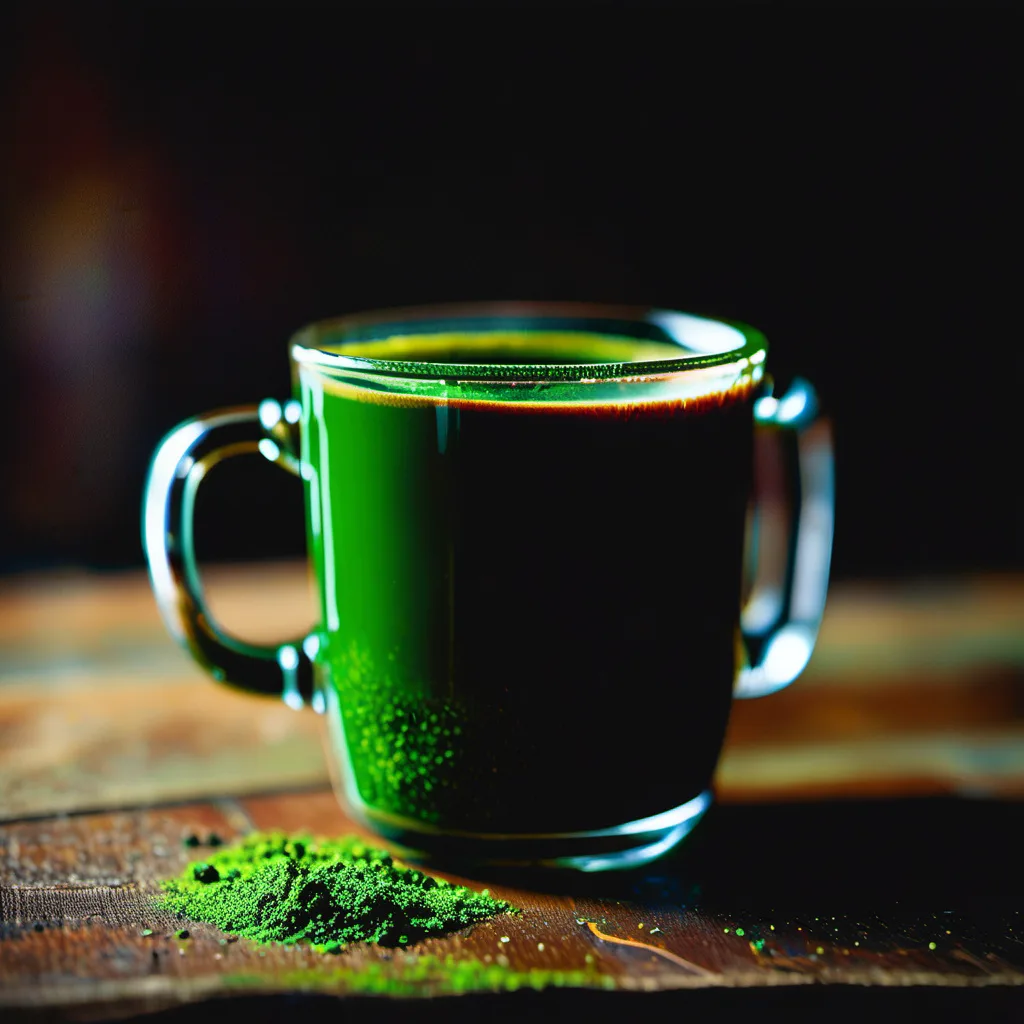
In the ever-evolving landscape of health trends, social media often serves as the breeding ground for unconventional combinations. One of the latest head-turners to emerge from food science labs and health influencer circles is broccoli coffee. At first glance, the idea of blending pulverized, dried broccoli florets into your morning espresso or drip coffee sounds like a culinary nightmare. However, the trend is rooted in a genuine desire to bridge the gap between morning caffeine rituals and daily vegetable intake. But is this green-tinted beverage actually worth the hype, or is it just another passing fad?
Key takeaways
- Broccoli powder adds fiber and antioxidants but is not a complete substitute for eating whole, fresh vegetables.
- The earthy flavor is best masked by adding the powder to creamy lattes or smoothies rather than black coffee.
- Use a high-speed blender or frother to ensure the powder is fully incorporated and avoid a gritty texture.
- Individuals with sensitive stomachs or IBS should exercise caution, as broccoli can cause gas and bloating.
- Prioritize purchasing upcycled broccoli powder to support sustainable agricultural practices and reduce food waste.
The Origin of the Broccoli Coffee Trend
The concept of broccoli coffee gained mainstream attention after researchers in Australia—specifically from the CSIRO (Commonwealth Scientific and Industrial Research Organisation) and Hort Innovation—developed a broccoli powder aimed at reducing food waste. The idea was simple: take the broccoli florets that are often discarded due to cosmetic imperfections, dehydrate them, and grind them into a fine, shelf-stable powder. When added to coffee, the powder is marketed as a way to sneak an extra serving of vegetables into a diet that is often otherwise devoid of them. While it was initially intended as a nutritional intervention for the general public, the internet quickly latched onto the novelty, sparking debates about flavor profiles and the actual bioavailability of nutrients in powdered form.
Nutritional Profile of Broccoli Powder
Broccoli is widely recognized as a nutritional powerhouse, packed with vitamins C, K, and A, as well as fiber and potent antioxidants like sulforaphane. When you consume fresh, steamed, or roasted broccoli, you benefit from the entire matrix of the vegetable. The process of turning broccoli into powder involves dehydration, which can preserve many of these nutrients. However, it is essential to distinguish between eating a cup of fresh florets and consuming a teaspoon of broccoli powder. While the powder is concentrated, it lacks the volume of a whole vegetable. For those who struggle to meet the daily recommended intake of fiber, the powder is a helpful supplement, but it should not be viewed as a direct replacement for whole, fiber-rich plant foods.
Does the Flavor Actually Work?
The primary hurdle for most people is the taste. Coffee, by its nature, is acidic, bitter, and aromatic. Broccoli, especially when powdered, carries an earthy, slightly grassy, and sometimes sulfurous profile. When mixed into a standard cup of black coffee, the flavor can be polarizing. Many early adopters of the trend report that the bitterness of the coffee tends to mask the grassiness of the broccoli, but the texture can be gritty if the powder is not finely milled. If you are a fan of earthy, matcha-like profiles or if you regularly consume green superfood powders in smoothies, you might find the taste tolerable. For those who prefer a creamy, sweet latte, the broccoli powder can make the drink taste more like a savory vegetable broth, which is rarely the desired outcome for a morning caffeine fix.
The Science of Nutrient Absorption
One of the most compelling arguments for broccoli coffee is the potential for nutrient synergy. Some health experts suggest that the caffeine in coffee might interact with the antioxidants in broccoli. However, the more critical question is how our bodies process these nutrients when they are consumed in a powdered, shelf-stable format. Dehydration can lead to the loss of heat-sensitive vitamins, such as vitamin C. Furthermore, the bioavailability of certain compounds, like sulforaphane, is often higher when the vegetable is chopped and allowed to sit for a few minutes before cooking. When broccoli is processed into powder, that enzymatic activity is often halted. While you are still getting the fiber and some minerals, you may not be getting the full medicinal benefit that you would from a freshly prepared vegetable.
Practical Ways to Incorporate Broccoli Powder
If you are determined to try this trend, there are ways to make it more palatable than just dumping a spoonful into a black Americano. The key is to treat it like a functional supplement rather than a flavor enhancer. If you drink a latte or a cappuccino, the milk fats and proteins can help soften the earthy notes of the broccoli. Alternatively, consider using the powder in a blended coffee drink, such as a frappé or a smoothie-based coffee, where other strong flavors like banana, peanut butter, or cocoa powder can hide the broccoli’s natural bitterness. Using high-quality, ultra-fine powder is also non-negotiable; coarse powder will settle at the bottom of your mug, creating a gritty experience that ruins the texture of your coffee.
Pros and Cons of the Broccoli Trend
When weighing whether to adopt this habit, it is important to look at the practical reality. The pros include an easy way to boost your daily fiber intake, a reduction in food waste if you are using sustainable powders, and the addition of plant-based antioxidants to your diet. The cons, however, are significant. For many, the taste is off-putting, which may lead to discarding the coffee entirely, thereby wasting both the coffee and the broccoli. Additionally, the cost of high-quality broccoli powder can be steep compared to simply buying a head of fresh broccoli at the store. Finally, relying on powder can lead to a false sense of security regarding your vegetable intake. It is always better to prioritize whole foods over processed supplements whenever possible.
Is It Worth the Hype?
Ultimately, broccoli coffee is a novelty trend that serves a very specific niche: the person who is obsessed with efficiency and nutrient density but refuses to eat their greens. If you are looking to improve your health, there are far more enjoyable ways to consume broccoli, such as roasting it with garlic and lemon or blending it into a hearty soup. If you are already hitting your daily vegetable goals, there is no pressing need to add broccoli to your coffee. However, if you are a busy individual looking to squeeze every possible ounce of nutrition out of your morning routine, and you can tolerate the earthy flavor profile, it is a harmless experiment that won’t do your health any damage.
Optimizing the Culinary Chemistry of “Green” Lattes
To successfully integrate broccoli powder into a hot beverage, one must understand the principles of emulsion and masking. Unlike matcha, which is traditionally whisked into a frothy, stable suspension, broccoli powder particles are often more fibrous and prone to rapid sedimentation. To achieve a drinkable consistency, utilize a handheld milk frother or a high-speed blender rather than a simple spoon. By incorporating a small amount of lecithin or a spoonful of almond butter, you create a fat-based emulsion that coats the tongue, effectively dulling the sharp, sulfurous notes of the broccoli before they can interact with your palate. This technique shifts the beverage from a “vegetable-infused water” profile toward a smoother, more latte-like experience that complements the bitterness of a dark-roast bean.
The Role of Temperature and Extraction Kinetics
The interaction between coffee and broccoli is highly sensitive to the temperature of your brewing method. When using a French press or a pour-over, the prolonged contact time with near-boiling water can extract excessive tannins from the broccoli powder, leading to a harsh, astringent mouthfeel. For the best results, brew your coffee as normal and let it cool slightly to approximately 175°F (80°C) before whisking in the powder. This temperature is low enough to prevent the rapid breakdown of volatile sulfur compounds—the primary source of the “cooked cabbage” aroma—yet high enough to keep the beverage palatable. Cold brew coffee is arguably the most forgiving medium for this experiment; the lower acidity of cold-steeped grounds naturally harmonizes with the earthy, umami-rich nature of the broccoli, resulting in a flavor profile that leans closer to a savory green tea.
Micro-Nutrient Stability and Storage Challenges
While the convenience of shelf-stable broccoli powder is undeniable, its stability is fragile. Once the seal on your powder container is broken, the surface area exposed to oxygen increases exponentially, leading to the rapid oxidation of delicate phytonutrients like glucoraphanin. To maintain the integrity of your supplement, store the powder in an opaque, airtight glass jar in a cool, dark environment—or better yet, the freezer. Moisture is the enemy of shelf-stable vegetables; even a trace amount of humidity introduced by a damp measuring spoon can trigger microbial growth or mold. If you notice a shift in color from vibrant olive to a dull, brownish-gray, or if the powder develops a fermented, sour scent, it is a clear indicator that the nutrient profile has degraded and the powder should be discarded.
Comparative Analysis: Broccoli Powder vs. Green Superfood Blends
Many consumers confuse singular broccoli powder with commercial “green drink” mixes. The latter are often formulated with masking agents like stevia, monk fruit, or peppermint, specifically designed to counteract the bitter profile of cruciferous vegetables. If you are struggling to enjoy plain broccoli coffee, consider blending your broccoli powder with a small portion of a high-quality, unflavored spirulina or chlorella powder. These algae-based supplements provide a deep, oceanic umami that bridges the gap between the sharpness of the broccoli and the acidity of the coffee. This hybrid approach allows you to achieve the nutritional density of a multi-source vegetable supplement while using the coffee as a neutral base to carry the flavor.
Navigating Potential Digestive Sensitivities
For individuals with pre-existing gastrointestinal conditions, such as Irritable Bowel Syndrome (IBS), adding concentrated broccoli powder to coffee can be a recipe for discomfort. Broccoli is rich in raffinose, a complex sugar that humans lack the enzyme to digest, leading to fermentation and gas production in the large intestine. Coffee, a known stimulant of gut motility and gastric acid secretion, can exacerbate these effects. If you are new to the trend, start with an “ultra-micro dose”—perhaps an eighth of a teaspoon—and monitor your digestive response over a three-day period. Pairing this with a probiotic or a ginger-infused coffee additive may help mitigate the potential for bloating, but those with significant FODMAP sensitivities should likely avoid this trend entirely in favor of easier-to-digest vegetable sources.
Sustainable Sourcing and The “Upcycling” Philosophy
Beyond the health claims, the primary driver behind the broccoli powder movement is the ethical imperative to reduce food waste. Approximately 30% of broccoli harvests are discarded due to minor cosmetic defects, such as stem length or leaf discoloration, despite being perfectly nutritious. When purchasing broccoli powder, prioritize brands that explicitly state they use “upcycled” produce. This ensures that your purchase is actively diverting agricultural waste from landfills rather than incentivizing the over-production of crops for processing. By choosing sustainable sources, you transform a niche health trend into a small but meaningful contribution to a circular food economy, effectively turning a discarded stem into a value-added ingredient.
Frequently Asked Questions
Q: Does broccoli coffee actually contain a full serving of vegetables? A: Most broccoli powders are concentrated, so a small teaspoon may provide the nutritional equivalent of a significant portion of a vegetable, but it lacks the fiber and water content of fresh produce. It should be considered a supplement rather than a replacement.
Q: Will the broccoli powder ruin my expensive espresso machine? A: Yes, potentially. If the powder is not completely soluble, it can clog the fine filters or internal mechanisms of a high-end espresso machine. It is much safer to stir the powder into brewed coffee manually.
Q: Are there any side effects to consuming broccoli powder daily? A: Broccoli is a cruciferous vegetable, which can cause bloating or gas in some individuals. If you are not used to a high-fiber diet, adding broccoli powder to your coffee might cause digestive discomfort until your body adjusts.
Q: Can I make my own broccoli powder at home? A: You can, by dehydrating broccoli florets in an oven on a low setting or using a food dehydrator, then pulverizing them in a high-speed blender. However, ensure the broccoli is completely dry to prevent mold growth during storage.
Q: Does the heat of the coffee kill the nutrients in the broccoli? A: While extreme heat can degrade certain vitamins like Vitamin C, the temperatures used in brewing coffee are generally not high enough to destroy all the health benefits, such as fiber and minerals, found in the broccoli powder.
Related posts:
 The Game-Changing 50 Percent Rule That Makes Eating Vegetables Effortless
 The Sweet Science: Why Honey in Your Coffee Is a Game-Changer
 Vegetable-Rich Dinner Ideas
 The Best Time to Drink Coffee in the Morning
 Wine-Infused Coffee Is the Latest Beverage Trend You’ll Love
 The Best Cold Brew Coffee Makers for a Refreshing Drink
 The Benefits of Coffee
 Managing Fiber Intake with IBS