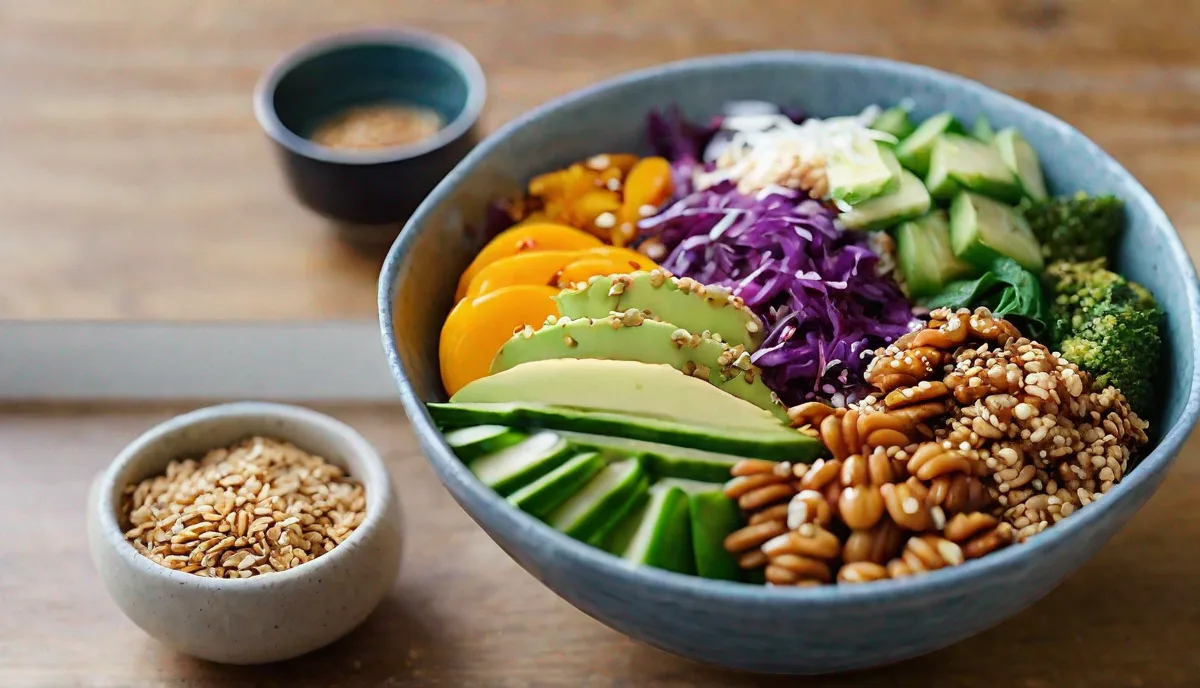
A Nourishing Meal
Buddha bowls are a nourishing and balanced plant-based meal, packed with healthy whole foods like grains, vegetables, legumes, and seeds. As we fill our bowl with compassion and care, we can nourish our body and spirit.
Choosing Ingredients Mindfully
When selecting ingredients, consider organic, seasonal and local produce when possible. This supports sustainable agriculture. Choose whole grains like brown rice or quinoa over processed options.
Preparing the Components
Roast vegetables to bring out their natural sweetness: cauliflower, sweet potato, Brussels sprouts. Cook your grains and beans from scratch or use canned for convenience. Include bright toppings like radish, carrot or beet.
Assembling a Balanced Meal
Layer your grains or greens, roasted veggies, beans or lentils, fresh herbs and toppings like seeds or avocado in a bowl. Feel free to get creative with combinations!
Mindful Eating for Wellbeing
When you sit down for your meal, take a moment to appreciate the nourishing food before you. As you taste each component, notice the flavors and textures. Allow yourself to fully enjoy this act of self-care.
Mastering the Art of the Grain Base
While brown rice and quinoa are standard, the foundation of your bowl dictates its nutritional profile and satiety factor. Experimenting with ancient grains can transform a simple meal into a complex culinary experience. Farro, for instance, offers a chewy, nutty texture that pairs beautifully with roasted root vegetables, though it is not gluten-free. For a lighter base, consider cauliflower rice or a mix of wild rice and black forbidden rice, which provides a dramatic visual contrast and an extra boost of antioxidants. If you are cooking in batches, rinse your grains thoroughly until the water runs clear to remove excess starch, which prevents clumping. For an extra layer of flavor, toast your grains in a dry pan for two minutes before adding your cooking liquid; this activates the natural oils and creates a deep, savory aroma that carries throughout the bowl.
The Science of the Perfect Roast
Achieving the ideal roasted vegetable requires more than just high heat. To prevent steaming, ensure your vegetables are cut into uniform sizes and do not overcrowd the baking sheet; if the pieces are too close together, they will release moisture and turn mushy rather than crisp. For cruciferous vegetables like Brussels sprouts or broccoli, toss them in high-smoke-point oils like avocado or grapeseed oil rather than olive oil to prevent bitterness at high temperatures. For a deeper flavor profile, try adding a dusting of smoked paprika, cumin, or even a pinch of nutritional yeast to the vegetables before roasting. If you find your vegetables losing their texture by day two of meal prep, roast them slightly under-done (al dente) and finish them in a hot skillet for three minutes just before serving to regain that desirable charred edge.
Protein Diversity Beyond Beans
While chickpeas and lentils are staples, rotating your protein sources keeps your palate engaged and ensures a wider spectrum of amino acids. Tempeh, a fermented soy product, offers a firm, meaty texture that absorbs marinades exceptionally well; try steaming it for ten minutes before searing it in a pan to remove any inherent bitterness. Tofu, when pressed thoroughly and coated in cornstarch before pan-frying, provides a satisfying crunch that mimics fried proteins without the heaviness. For those who enjoy legumes, consider sprouted beans, which are often easier to digest and provide a vibrant, fresh flavor. Edamame, shelled and lightly salted, adds a pop of bright green color and a buttery texture that works exceptionally well with the sesame brittle topping mentioned in the main dish.
Elevating Dressings with Emulsification
A great dressing is the bridge that connects the disparate elements of your bowl. To achieve a professional, creamy consistency, focus on the emulsification process. When using tahini or nut butter, the mixture may seize up when you add acidic components like lemon juice or vinegar; simply whisk in a tablespoon of warm water at a time until the dressing returns to a smooth, pourable state. For depth, incorporate aromatics like freshly grated ginger, minced shallots, or a teaspoon of toasted sesame oil. If you prefer a lighter vinaigrette, use a blender to combine your oil, acid, and herbs with a small piece of roasted garlic or a teaspoon of Dijon mustard to hold the suspension together. Always taste your dressing against the grain base, as the starchiness of the grains will mellow out the acidity of the sauce.
The Architecture of Texture
A truly memorable Buddha bowl relies on the contrast between soft, creamy, crunchy, and crisp elements. While roasted vegetables provide softness, you need “crunch architecture” to keep each bite interesting. Beyond the sesame brittle, consider adding thin ribbons of raw shaved fennel, which offers a crisp anise-like bite, or toasted sunflower seeds and pepitas for a savory crunch. If you are adding avocado, wait until the very last second to slice and place it atop the bowl to prevent oxidation. For a surprise element, include fermented items like kimchi or quick-pickled red onions; the tanginess cuts through the richness of tahini-based dressings and adds a probiotic punch that aids in digestion and provides a sharp, clean finish to the palate.
Strategic Seasonality and Storage
Adapting your Buddha bowl to the seasons prevents ingredient fatigue and ensures you are eating at the peak of nutrient density. In the winter, focus on hearty squashes, kale, and warm, spice-heavy dressings featuring cinnamon or ginger. As spring approaches, pivot to asparagus, peas, and lighter herb-forward dressings with mint or parsley. Proper storage is the secret to maintaining these components throughout the week. Invest in airtight glass containers that allow you to keep dressings separate from the solids until the moment of consumption. If you are packing a lunch for work, place your heavier grains at the bottom, followed by the proteins, and finish with the delicate greens at the very top to ensure everything stays fresh and vibrant until your lunch break.
The Final Flourish: Garnishes and Aromatics
Never underestimate the power of the final garnish. While the bowl may be nutritionally complete, the visual appeal and aromatic impact of fresh herbs can elevate a home-cooked meal to a restaurant-quality experience. Microgreens, toasted black sesame seeds, or a drizzle of chili oil provide the final aesthetic touch. When using fresh herbs like cilantro, Thai basil, or mint, hand-tear the leaves rather than chopping them with a knife to preserve their delicate oils and prevent bruising. This final step is not just about aesthetics; it is a ritual of completion, signaling to your brain that the meal is prepared with intention and ready to be enjoyed with the mindfulness that defines the Buddha bowl philosophy.
FAQ
What are some good add-ins for texture?
Some delicious add-ins for texture include toasted nuts and seeds like almonds, walnuts, pumpkin seeds, sesame seeds or hemp seeds. You can also top your bowl with crunchy vegetables like radish, cucumber or carrot.
Can I make it gluten-free?
Yes, Buddha bowls can easily be made gluten-free. Simply choose grains like brown rice, quinoa, millet or buckwheat instead of wheat-based options. And check ingredient labels for gluten-free tamari instead of soy sauce.
Do the ingredients need to be roasted?
It’s not essential to roast the vegetables, but doing so caramelizes their natural sugars and brings out delicious, sweet flavor. Quick roast chopped veggies tossed with a bit of oil for 20-25 mins at 400°F.
Can I meal prep my Buddha bowls?
Absolutely! Roast your veggies and cook your grains and beans in advance. Store components separately and assemble your bowl just before eating. Adding fresh greens and toppings just before eating prevents sogginess.
What’s a good dressing?
For the dressing, whisk together extra virgin olive oil, lemon juice or rice vinegar, tamari or soy sauce, maple syrup, and garlic. You can also use tahini or nut butter-based dressings. Get creative with herbs and spices!
Related posts:
 15-Minute Dairy-Free Dinner Ideas
 Vegetable-Rich Dinner Ideas
 The Game-Changing 50 Percent Rule That Makes Eating Vegetables Effortless
 Candice Kumai’s Healthy Turmeric Fried Rice Recipe
 One Pan Wonder: The Fried Rice Recipe That Will Change Your Meal Prep Game
 Beyond Breakfast: The Plant-Based Sausage That’s Changing the Morning Game
 Delicata Squash Masterpiece
 Rice Revealed: Is This Pantry Staple Actually Good for You