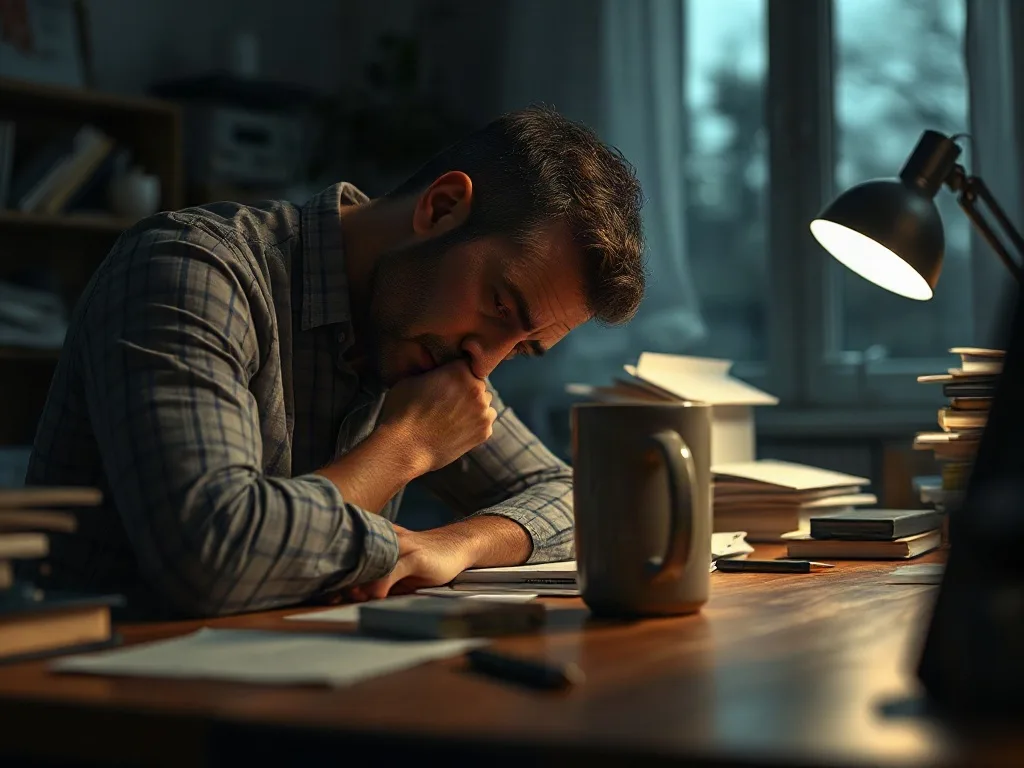
Understanding Burnout: More Than Just Feeling Tired
In our fast-paced world, it’s easy to feel overwhelmed and exhausted. But when does everyday stress cross the line into burnout? Burnout is more than just feeling tired or having a bad day. It’s a state of chronic physical and emotional exhaustion that can have serious consequences for your health, relationships, and overall quality of life.
This burnout quiz is designed to help you reflect on your current state of wellbeing and identify potential signs of burnout. Remember, this is not a diagnostic tool, but rather a starting point for self-reflection and awareness.
Signs and Symptoms of Burnout
Burnout doesn’t happen overnight. It’s a gradual process that can sneak up on you. Some common signs and symptoms include:
- Feeling exhausted and drained most of the time
- Lack of motivation and enthusiasm
- Increased irritability and impatience
- Difficulty concentrating and being productive
- Physical symptoms like headaches or muscle tension
- Neglecting self-care and personal needs
If you recognize several of these symptoms in yourself, it might be time to take a closer look at your current lifestyle and stress levels.
The Burnout Quiz: Checking In With Yourself
Take a moment to reflect on the following questions. Be honest with yourself – this is a judgment-free zone:
- Do you often feel exhausted, even after a full night’s sleep?
- Have you lost enthusiasm for activities or work you once enjoyed?
- Do you find yourself easily irritated by small things?
- Are you having trouble concentrating or completing tasks?
- Do you feel like you’re just going through the motions in life?
- Have you been neglecting your physical health or self-care routines?
- Do you feel disconnected from friends, family, or colleagues?
- Are you experiencing physical symptoms like headaches or muscle tension?
- Do you often feel overwhelmed by your responsibilities?
- Have you lost your sense of purpose or meaning in your work or personal life?
If you answered “yes” to several of these questions, it might be a sign that you’re experiencing burnout or are at risk of burning out.
Compassionate Self-Care: Refilling Your Empty Tank
If you’re feeling burnt out, it’s important to approach yourself with compassion and understanding. Burnout isn’t a personal failure – it’s often the result of prolonged stress and unrealistic demands, whether external or self-imposed.
Here are some gentle ways to start refilling your empty tank:
- Prioritize rest and sleep: Give yourself permission to rest. Quality sleep is essential for recovery.
- Set boundaries: Learn to say no to non-essential commitments and protect your time and energy.
- Connect with others: Reach out to supportive friends, family, or a therapist. You don’t have to face burnout alone.
- Find joy in small things: Rediscover activities that bring you pleasure, no matter how small.
- Practice mindfulness: Even a few minutes of mindfulness or meditation can help reduce stress and increase self-awareness.
- Move your body: Gentle exercise like walking or yoga can boost your mood and energy levels.
- Reassess your priorities: Reflect on what truly matters to you and align your life accordingly.
Preventing Future Burnout: Building Resilience
Recovering from burnout is important, but so is preventing it from happening again. Building resilience can help you navigate life’s challenges without depleting your resources. Here are some strategies to consider:
- Develop a self-care routine: Make self-care a non-negotiable part of your daily life.
- Practice self-compassion: Treat yourself with the same kindness you would offer a friend.
- Set realistic goals: Break big tasks into smaller, manageable steps.
- Cultivate a support network: Surround yourself with people who uplift and encourage you.
- Find meaning in your work and life: Connect with your values and purpose.
- Learn to manage stress: Explore stress-reduction techniques that work for you.
- Take regular breaks: Build in time for rest and relaxation throughout your day and week.
Remember, building resilience is a process. Be patient with yourself as you develop new habits and ways of thinking.
When to Seek Professional Help
While self-care strategies can be very effective, sometimes professional help is needed. If you’re feeling overwhelmed, stuck, or unable to make changes on your own, it may be time to reach out to a mental health professional. They can provide personalized support and strategies to help you recover from burnout and build a more balanced life.
Don’t hesitate to seek help if you’re experiencing:
- Persistent feelings of hopelessness or despair
- Difficulty functioning in daily life
- Thoughts of self-harm
- Substance abuse as a coping mechanism
- Physical symptoms that don’t improve with self-care
Remember, seeking help is a sign of strength, not weakness. You deserve support and care.
FAQ: Common Questions About Burnout
Q1: Can burnout affect my physical health?
A1: Yes, burnout can have significant impacts on physical health. Chronic stress associated with burnout can lead to a weakened immune system, increased risk of cardiovascular problems, digestive issues, and sleep disturbances. It’s important to address burnout to protect both your mental and physical wellbeing.
Q2: How long does it take to recover from burnout?
A2: Recovery time varies for each individual and depends on the severity of burnout and the steps taken to address it. It can take anywhere from a few weeks to several months or even longer. The key is to be patient with yourself and consistently practice self-care and stress management techniques.
Q3: Can I experience burnout if I love my job?
A3: Absolutely. Even if you’re passionate about your work, you can still experience burnout. In fact, people who are highly engaged and dedicated to their jobs may be at higher risk of burnout because they tend to push themselves harder. It’s important to maintain boundaries and practice self-care regardless of how much you enjoy your work.
Q4: Is burnout the same as depression?
A4: While burnout and depression can share some symptoms, they are distinct conditions. Burnout is typically related to prolonged work-related stress, while depression is a clinical mood disorder that can affect all areas of life. However, severe burnout can lead to depression. If you’re unsure about what you’re experiencing, it’s best to consult with a mental health professional.
Q5: Can lifestyle changes really help with burnout?
A5: Yes, lifestyle changes can make a significant difference in preventing and recovering from burnout. Prioritizing sleep, exercise, healthy eating, and stress management techniques like meditation can all contribute to improved resilience and wellbeing. However, it’s important to address the root causes of burnout as well, which may involve making changes to your work environment or personal life circumstances.
Remember, you’re not alone in this journey. Burnout is a common experience in our fast-paced world, but it doesn’t have to be a permanent state. By recognizing the signs, practicing self-compassion, and taking steps to care for yourself, you can recover from burnout and build a more balanced, fulfilling life. Be kind to yourself, and take one small step at a time towards wellbeing.
Related posts:
 Signs You’re Running on Empty and Need a Break
 6 Mental Health Tips for Managers Experiencing Burnout
 Why Empathy Burnout Is Real—and What You Can Do
 Teacher Burnout
 Maslach Burnout Inventory (MBI): Assessing Burnout
 Preventing Workplace Burnout
 Burnout Recovery by Personality Type
 Non-Work Related Burnout: Identifying and Overcoming Exhaustion