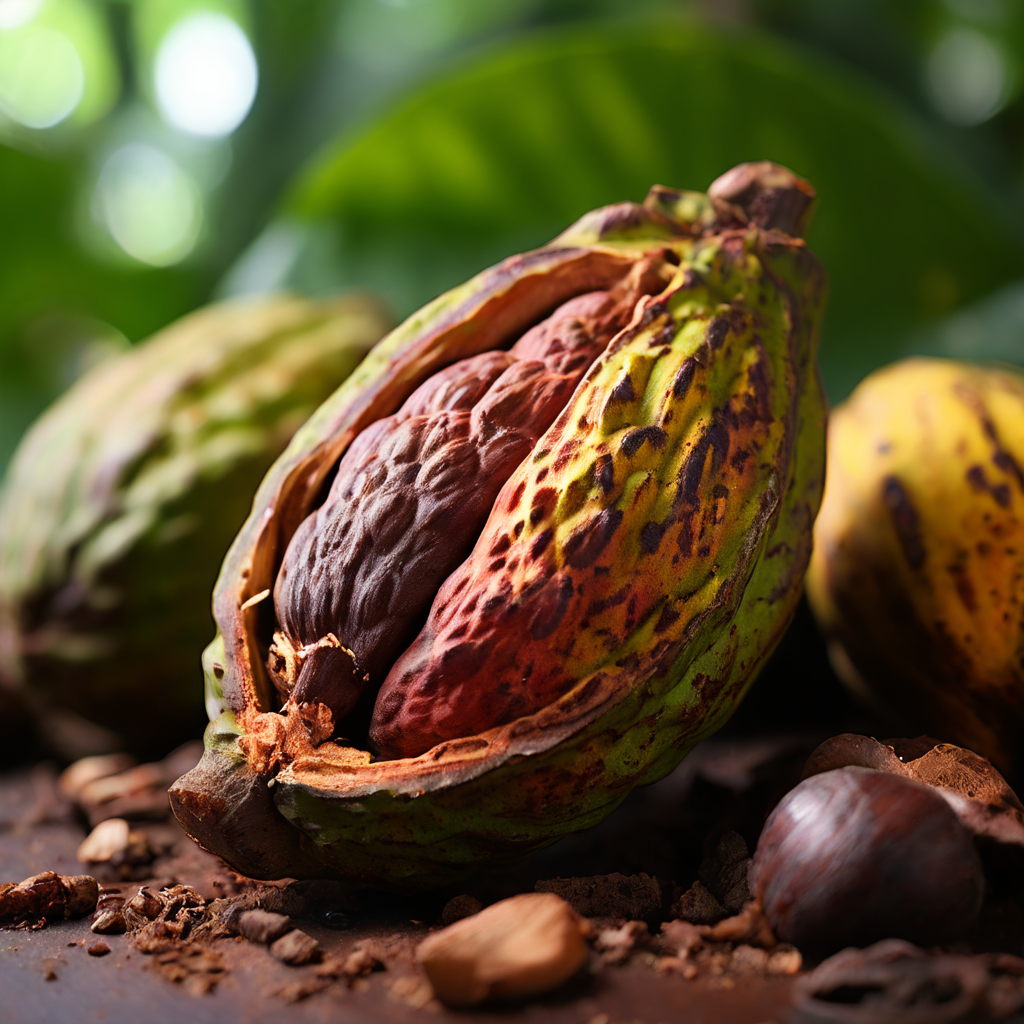
Introduction to Cacao Fruit
When you hear the word ‘cacao,’ your mind probably jumps to chocolate. While cacao is indeed the primary ingredient in chocolate, the cacao fruit itself is a lesser-known superfood packed with numerous health benefits. This article dives into the wonders of cacao fruit, explaining why it deserves a spot in your diet.
Key takeaways
- Cacao fruit pulp is a nutrient-dense superfood containing vitamins A, C, E, and essential minerals like magnesium and iron.
- Consumption may improve mood, boost cardiovascular health, enhance cognitive function, and support healthy metabolic regulation.
- The fruit’s acidic, tangy pulp can be used in smoothies, marinades, or as a citrus replacement in savory dishes.
- Choose upcycled, whole-pod products to support sustainable farming practices and provide extra income for smallholder farmers.
- Store cacao products in airtight containers, ideally in the freezer, to prevent oxidation and maintain nutrient quality.
Nutritional Profile of Cacao Fruit
Cacao fruit is a powerhouse of nutrients. It contains high levels of vitamins A, B1, B2, B3, C, and E, as well as essential minerals like magnesium, calcium, zinc, and iron. Additionally, cacao is rich in antioxidants, which help combat free radicals in the body.
Health Benefits of Cacao Fruit
The health benefits of cacao fruit are numerous:
- Boosts Mood: Cacao contains theobromine and phenylethylamine, compounds known to enhance mood and mental well-being.
- Improves Heart Health: The antioxidants in cacao help to reduce blood pressure and improve circulation, supporting cardiovascular health.
- Enhances Cognitive Function: The flavonoids present in cacao can improve brain function, promoting better memory and learning abilities.
- Supports Weight Loss: Cacao can help regulate metabolism and reduce cravings, making it a beneficial addition to a weight loss regimen.
- Boosts Immune System: The vitamins and minerals in cacao bolster the immune system, helping to fend off illnesses.
How to Incorporate Cacao Fruit into Your Diet
There are several delicious ways to enjoy cacao fruit:
- Blend the pulp into smoothies for a sweet, nutritious boost.
- Add dried cacao fruit to your trail mix or cereal.
- Use cacao nibs as a topping for yogurt or oatmeal.
- Incorporate cacao powder into your baking recipes.
- Make refreshing cacao fruit juice or tea.
Experiment with different recipes to find out which way you enjoy cacao fruit the most.
Where to Find Cacao Fruit
While cacao fruit is not as widely available as other superfoods, you can find it in health food stores, specialty supermarkets, and online retailers. Look for organic, non-GMO options to ensure you’re getting the highest quality product.
The Anatomy of the Cacao Pod: Understanding the Pulp and Bean
To truly appreciate cacao as a whole-food ingredient, one must look beyond the bean and examine the pod itself. The cacao pod is a large, oblong fruit that houses anywhere from 20 to 60 seeds, or “beans,” embedded in a thick, mucilaginous white pulp known as baba de cacao. While the industrial chocolate industry has historically discarded this pulp as a byproduct of fermentation, it is gaining traction in culinary circles for its unique flavor profile—often described as a tropical cross between a lychee, a mangosteen, and a citrus fruit. Understanding this anatomy is crucial for home chefs; the pulp is where the fruit’s acidity and natural sugars reside, providing a refreshing contrast to the bitter, earthy profile of the fermented nibs. When sourcing whole pods, look for a uniform color and a slight “hollow” sound when tapped, which indicates the seeds have separated from the rind, signaling peak ripeness.
The Fermentation Science Behind Flavor Development
The transformation of cacao from a bitter raw seed to the complex flavor profile we associate with high-end chocolate is a biological process of fermentation. Once the pods are cracked open, the beans and their surrounding pulp are placed in wooden sweating boxes or covered in banana leaves for several days. During this window, naturally occurring yeasts and bacteria metabolize the sugars in the pulp, creating heat and ethanol. This process is not merely for flavor; it is essential for the enzymatic breakdown of the astringent tannins inside the bean. For those interested in the raw food movement, it is important to note that “raw” cacao is often lightly fermented, as completely unfermented beans are largely unpalatable and lack the aromatic precursors necessary for the development of the complex polyphenols that provide the fruit’s noted health benefits. Understanding this timeline helps consumers distinguish between “sun-dried” raw nibs and heavily roasted commercial cocoa.
Culinary Applications: Beyond Sweet Treats
The versatility of cacao fruit extends far beyond the dessert aisle. Because the pulp has a high acidity and a pH level comparable to citrus, it functions exceptionally well as a base for savory marinades. In parts of South America, cacao pulp is reduced into a thick, tangy syrup used to glaze roasted game meats or as an acidic component in ceviche, replacing traditional lime juice. Furthermore, the dried rind of the cacao pod can be dehydrated and ground into a fiber-rich powder. This “cacao flour” is gluten-free and possesses a nutty, woody aroma that works beautifully in sourdough bread recipes or as a thickening agent for mole sauces. When using fresh pulp in smoothies, consider pairing it with high-fat ingredients like avocado or coconut milk to balance the sharp, acidic notes of the fruit, creating a creamy, nutrient-dense breakfast bowl that avoids the need for refined sweeteners.
Sustainability and Ethical Sourcing Considerations
As consumer interest in cacao fruit grows, the economic impact on farming communities becomes a critical topic. Traditionally, farmers were paid only for the beans, leaving the pulp to rot on the forest floor. The emerging market for “cacao fruit juice” and other pulp-based products provides a secondary revenue stream for smallholder farmers, effectively increasing their income without requiring them to harvest more land. When purchasing cacao products, look for labels that explicitly mention “upcycled” or “whole-pod” utilization. These certifications often indicate that the company is working directly with cooperatives to process the pulp on-site, which prevents waste and reduces the carbon footprint associated with shipping heavy, wet pods. Supporting these supply chains ensures that the environmental cost of cacao production is mitigated, transforming a monoculture commodity into a regenerative, multi-use agricultural product.
Managing Caffeine and Theobromine Sensitivity
While the health profile of cacao is impressive, it is important to address its active alkaloid content. Cacao contains both caffeine and theobromine. Unlike caffeine, which acts primarily on the central nervous system to increase alertness, theobromine is a vasodilator and a mild heart stimulant that provides a more sustained, “jitter-free” energy boost. However, for individuals with specific sensitivities, such as those prone to migraines or acid reflux, the acidity of the pulp and the stimulant nature of the bean can be triggers. To mitigate these effects, start by consuming cacao in the early hours of the day. If you find that cacao nibs cause digestive discomfort, try blanching them in boiling water for thirty seconds before adding them to your recipes; this process leaches out some of the excess tannins and caffeine without compromising the antioxidant density of the bean.
Preservation and Storage of Raw Cacao Products
Cacao is highly susceptible to oxidation and moisture, which can degrade its delicate fat profile (cacao butter) and diminish its antioxidant capacity. If you purchase raw cacao nibs or powder in bulk, storage is paramount to maintaining quality. Keep these products in an airtight glass container, away from direct sunlight and heat sources, which can cause the natural fats to turn rancid. For long-term storage, the refrigerator is acceptable, but the freezer is ideal for preserving the volatile aromatic compounds found in premium, single-origin cacao. When using frozen nibs, avoid thawing them before use; the moisture from condensation can cause clumping and mold growth. Instead, measure out the required portion while frozen and incorporate it directly into your blender or mixing bowl, ensuring the product remains shelf-stable for up to twelve months.
Frequently Asked Questions (FAQ)
1. What is the difference between cacao and cocoa?
Cacao refers to the raw, unprocessed bean from the cacao fruit, while cocoa is processed and often contains added sugars and dairy. Cacao retains more of its nutritional benefits compared to cocoa.
2. Can I eat raw cacao fruit?
Yes, you can eat the pulp of the cacao fruit raw. It has a sweet, tangy flavor and is packed with nutrients.
3. Are there any side effects of consuming cacao fruit?
Generally, cacao fruit is safe to consume. However, it contains caffeine, so it should be consumed in moderation, especially by individuals sensitive to caffeine.
4. How much cacao fruit should I eat daily?
Moderation is key. A small serving of 1-2 tablespoons of cacao nibs or a piece of fresh cacao fruit is sufficient to reap its health benefits.
5. Can cacao fruit help with weight loss?
Yes, cacao fruit can support weight loss by regulating metabolism and reducing cravings, but it should be part of a balanced diet and healthy lifestyle.
Conclusion
Cacao fruit is a nutrient-dense superfood that offers a multitude of health benefits. From boosting mood and cognitive function to supporting heart health and weight loss, it’s an excellent addition to any diet. Given its versatility, there are numerous ways to incorporate cacao fruit into your meals and snacks. Explore this hidden gem and experience its benefits for yourself.
Related posts:
 Scientists Are Gene-Editing Cacao to Save Chocolate From Extinction
 PHA Bodyweight Workout: Efficient Fitness Anywhere, Anytime
 Hu Kitchen’s New Milk Chocolate Adventure
 Cacao Morning Magic: The Breakfast Recipe That Beats Coffee
 Cacao’s Hidden Powers
 Healthy Homemade Peanut Butter Cup Recipe
 Caffeine Gum: The New Energy Booster
 Cacao Skincare Benefits