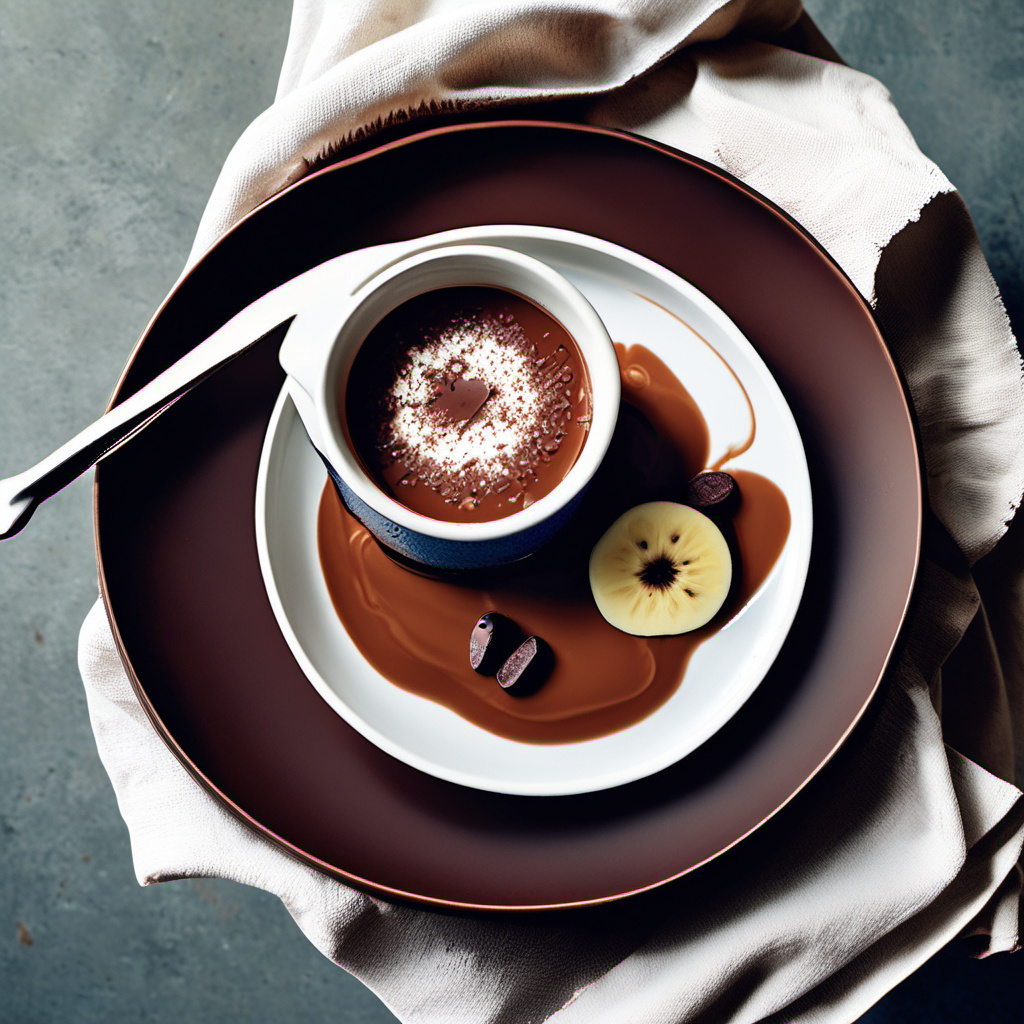
For decades, coffee has reigned supreme as the morning beverage of choice, promising alertness and energy to kickstart the day. But what if there’s a gentler, more sustained alternative that’s been used ceremonially for thousands of years? Cacao morning drinks are gaining traction among wellness enthusiasts and biohackers alike, and for good reason. Unlike coffee’s sharp caffeine spike followed by the inevitable crash, cacao offers a more balanced approach to morning energy. This ancient superfood contains not just caffeine, but also theobromine and anandamide—compounds that work synergistically to enhance focus, mood, and sustained energy without the jitters. Whether you’re looking to reduce coffee dependency, explore traditional foods with modern science backing, or simply discover a more nourishing morning ritual, cacao deserves a place on your breakfast table.
Understanding Cacao and Its Unique Benefits
Cacao is fundamentally different from the processed cocoa powder most people know. Raw cacao contains more active compounds than roasted cocoa, with minimal processing that preserves its nutrient profile. The key compounds in cacao include:
Theobromine: A gentle stimulant related to caffeine but with a slower onset and longer duration. It promotes blood flow and has mild bronchodilator properties, meaning it can help open airways—useful if you have mild congestion.
Phenylethylamine (PEA): Often called the “love chemical,” PEA is associated with improved mood and motivation. Your body produces it naturally during exercise and positive emotional states.
Anandamide: Known as the “bliss molecule,” this endocannabinoid-like compound can promote feelings of contentment and reduce anxiety. Cacao also contains compounds that slow anandamide’s breakdown, potentially extending its effects.
Magnesium: A single serving of quality cacao can provide 15-20% of your daily magnesium needs. This mineral supports muscle relaxation, nervous system function, and energy production at the cellular level.
The caffeine content in cacao typically ranges from 4-26 mg per tablespoon of raw powder, compared to 95 mg in an average cup of coffee. This lower dose, combined with the slower-acting theobromine, creates a smooth energy lift rather than an intense spike.
The Science Behind Sustained Energy
Coffee works through adenosine antagonism—it blocks the receptors that signal tiredness, creating an artificial sense of alertness. Once metabolized, the sudden absence of this blocking action can cause fatigue and the familiar afternoon crash. Cacao operates differently.
Theobromine has a half-life of 6-8 hours, meaning it circulates in your system longer than caffeine’s 3-5 hour half-life. This extended timeline creates a gentler plateau of alertness rather than a spike and crash. Additionally, the combination of magnesium and other minerals in cacao supports your body’s natural energy production through ATP synthesis in mitochondria.
Research on cacao consumption has linked it to improved blood flow, enhanced cognitive function, and better mood stability. A 2020 study published in Nutrients found that cacao’s flavonoids improved attention and processing speed in adult participants. The polyphenol content—particularly epicatechin—has been studied for its cardiovascular benefits.
For many people, replacing morning coffee with cacao results in fewer energy crashes, reduced afternoon slump, and improved sleep quality because theobromine, while stimulating, doesn’t disrupt sleep as severely as caffeine when consumed early in the day.
Selecting Quality Cacao for Your Morning Ritual
Not all cacao products are created equal. The processing method dramatically affects nutrient content and flavor profile.
Raw Cacao Powder: This is cacao that’s been fermented, dried, and ground but never roasted above temperatures that destroy heat-sensitive compounds. It has an intense, slightly bitter flavor and the highest concentration of active compounds.
Ceremonial Grade Cacao: Specifically sourced and minimally processed for traditional use. It’s typically more expensive but often superior in quality and flavor complexity. Look for single-origin varieties from ethical suppliers.
Conventional Cocoa Powder: Roasted at high temperatures, alkalized (Dutch-processed), and often heavily processed. While still containing some benefits, it lacks the potency of raw or ceremonial cacao. Avoid brands with added sugar or additives.
When shopping, prioritize organic, fair-trade certifications to ensure ethical sourcing. Look at the origin—Ecuadorian, Peruvian, and Madagascan cacao each have distinct flavor profiles. Read ingredient lists carefully; your cacao should contain only cacao. Many commercial products contain added sugars, milk powder, or thickeners.
Store cacao in a cool, dark place. Unlike coffee, cacao is stable for extended periods, but keep it away from direct sunlight and moisture to maintain potency.
The Basic Cacao Morning Recipe
Start with this foundational recipe, which you can customize based on your preferences:
Ingredients:
- 1-1.5 tablespoons raw or ceremonial cacao powder
- 8-10 ounces hot water (around 160-170°F, not boiling)
- 1/4 teaspoon cinnamon
- Pinch of sea salt
- 1 tablespoon almond butter or coconut oil
- 1/2 teaspoon raw honey or maple syrup (optional)
- 1/4 teaspoon vanilla extract (optional)
Method:
1. Heat water to just below boiling (around 160-170°F is ideal to preserve heat-sensitive compounds).
2. Add cacao powder, cinnamon, and salt to a blender or whisk vigorously by hand for 1-2 minutes. The goal is a smooth, frothy consistency without lumps.
3. Add the nut butter and any sweetener, then blend again until creamy.
4. Pour into your favorite mug and enjoy slowly. The ritual matters as much as the drink itself.
This recipe provides approximately 12-30 mg of caffeine (depending on cacao potency), 60 calories, and 2 grams of protein, making it a light but sustaining breakfast accompaniment.
Advanced Recipes to Elevate Your Mornings
Creamy Mushroom Cacao: Add 1 teaspoon of adaptogenic mushroom powder (lion’s mane or reishi) to your basic recipe. This combination enhances cognitive focus and stress resilience. The earthy mushroom flavor complements cacao’s richness.
Golden Cacao Milk: Substitute coconut milk for water and add 1/4 teaspoon turmeric, a pinch of black pepper, and a small piece of fresh ginger. This warming beverage draws from traditional golden milk recipes while adding cacao’s complexity. The black pepper enhances turmeric absorption.
Protein-Powered Cacao: Blend your standard cacao with 1/2 cup unsweetened almond milk, 1 scoop vanilla or unflavored protein powder, and 1 tablespoon almond butter. Add ice if you prefer a cooler drink. This transforms your beverage into a more substantial meal replacement.
Spiced Cacao with Date Sweetness: Soak 2-3 Medjool dates in warm water for 5 minutes, then blend them with your cacao, adding a pinch of cayenne pepper and cardamom. Dates provide natural sweetness and fiber without refined sugar.
Minty Cacao Refresher: Brew a strong mint tea, let it cool slightly, then blend with cacao powder and a tablespoon of coconut oil. This cooler version works well during warmer months and aids digestion.
Pairing Cacao with Breakfast Foods
While cacao is satisfying on its own, pairing it thoughtfully with breakfast creates a more complete, sustained-energy meal.
With Whole Grains: A bowl of oatmeal or quinoa with nuts and berries, accompanied by cacao, provides sustained carbohydrates, protein, and fat—the trifecta for stable blood sugar and energy.
With Healthy Fats: Avocado toast on sprouted grain, paired with cacao, combines the polyphenols in cacao with monounsaturated fats that slow nutrient absorption and provide satiety.
With Protein: Eggs, Greek yogurt, or plant-based proteins complement cacao’s minerals and phytonutrients. The combination of protein and cacao’s compounds optimizes amino acid absorption and stable energy.
With Fresh Fruit: Berries, particularly blueberries and goji berries, contain their own polyphenols and antioxidants that work synergistically with cacao’s compounds. This pairing is visually appealing and nutrient-dense.
Timing matters too. Consume cacao 30-45 minutes before eating solid food for maximum absorption of its active compounds, or drink it with breakfast for a more grounded experience.
Transitioning from Coffee to Cacao
If you’re a dedicated coffee drinker, switching entirely to cacao might feel jarring. Consider a gradual transition:
Week 1-2: Replace one coffee with cacao. Notice how your energy differs—typically smoother and less jittery.
Week 3-4: Alternate coffee and cacao on different days. Pay attention to sleep quality and afternoon energy levels.
Week 5+: If you’re enjoying cacao’s effects, make it your primary morning beverage. Keep one coffee for social occasions or days when you need extra support.
During transition, you might experience mild headaches if you’re reducing caffeine significantly. Drinking extra water and increasing magnesium-rich foods (leafy greens, nuts, seeds) can ease this adjustment. Remember, cacao still contains caffeine, so the transition is gentler than eliminating caffeine entirely.
Many people find they need less cacao than coffee to achieve their desired alertness level. Experiment with quantities—1 tablespoon might be sufficient, though some prefer 1.5 tablespoons for a more robust flavor and slightly higher stimulation.
Cacao Rituals and Mindfulness Practices
In traditional cultures, cacao wasn’t merely consumed but ritualized. Indigenous Mesoamerican peoples treated cacao as a sacred plant, using it in ceremonies and spiritual practices. Modern wellness enthusiasts are reviving this intentional approach.
Creating a cacao ritual transforms your morning beyond the physiological benefits. Set aside 15-20 minutes for your cacao practice. Prepare it mindfully, noticing the aroma and texture. Sit without your phone or distractions. Sip slowly, observing how the warmth and flavor evolve as the drink cools slightly.
This practice activates the parasympathetic nervous system even as cacao’s compounds provide gentle stimulation—a unique combination that many describe as “alert yet calm.” Regular practice can reduce morning anxiety and create a grounding transition between sleep and activity.
Some people journal while sipping cacao, finding that the ritual creates mental space for reflection. Others use it as a meditation anchor, focusing on sensation and gratitude. The specific practice matters less than the consistency and intentionality you bring to it.
Storage, Shelf Life, and Maximizing Your Investment
Quality cacao, particularly ceremonial grade, represents a worthwhile investment in your daily ritual. Proper storage extends its life and maintains potency.
Store cacao powder in an airtight container in a cool, dark cupboard. Refrigeration isn’t necessary unless your climate is extremely warm. Properly stored cacao remains potent for 1-2 years, far longer than ground coffee.
To maximize your investment, buy from suppliers who sell directly or through co-ops, often offering better pricing than retail. Ceremonial cacao typically costs $8-15 per pound when bought directly from ethical suppliers, whereas retail versions can reach $20-30 per pound.
Consider joining a cacao subscription service if you find a brand you love; many offer discounts for regular purchases. Calculate your daily cost: 1.5 tablespoons of cacao from a pound of powder represents roughly $0.50-1.00 per serving, comparable to a quality cup of coffee but with superior nutrition.
Share your cacao practice with others. Ceremonial cacao traditionally is prepared and consumed communally, and modern cacao circles are emerging in many cities. This transforms individual practice into community connection.
The Biochemistry of Cacao’s Synergistic Effects
While the existing article introduces cacao’s key compounds, the interplay between these molecules creates effects greater than the sum of their parts. Understanding this synergy helps explain why many people report a qualitatively different experience from cacao compared to coffee.
When you consume cacao, theobromine and caffeine don’t simply add their stimulant effects. Instead, they interact with your adenosine system differently. Caffeine aggressively blocks adenosine receptors, creating an all-or-nothing effect. Theobromine occupies these same receptors more gently and transiently, allowing partial signaling. This nuanced interaction produces what users describe as “alert without anxiety”—your brain remains responsive to genuine fatigue signals while still experiencing arousal.
The phenylethylamine and anandamide work through entirely different neurochemical pathways. PEA activates dopamine and noradrenaline systems associated with motivation and reward, while anandamide modulates the endocannabinoid system that regulates stress response and mood. Crucially, cacao contains compounds called N-acylethanolamines that inhibit the enzyme fatty acid amide hydrolase (FAAH), which normally breaks down anandamide. This means cacao doesn’t just introduce anandamide—it preserves it, extending its presence in your system.
The magnesium content amplifies these effects further. Magnesium regulates neurotransmitter synthesis and supports the production of gamma-aminobutyric acid (GABA), your nervous system’s primary calming neurotransmitter. A morning cacao drink thus simultaneously activates your arousal systems through stimulants while supporting your calm systems through mineral support. This dual action explains why some people find cacao meditative rather than jittery, a marked contrast to coffee’s one-directional stimulation.
Additionally, cacao’s polyphenols, particularly epicatechin, cross the blood-brain barrier and have been shown in neuroimaging studies to increase cerebral blood flow, particularly in regions associated with attention and executive function. This vascular benefit contributes to improved cognitive performance independent of the stimulant effects—you’re not just feeling more alert, your brain is literally receiving more oxygen and nutrient delivery.
Cacao Preparation Methods and Bioavailability
How you prepare cacao significantly affects which compounds your body can actually absorb and utilize. The preparation method determines bioavailability—the percentage of nutrients your digestive system can extract and your bloodstream can transport.
Temperature is the primary variable. Cacao’s heat-sensitive compounds, particularly polyphenols, begin degrading above 140°F (60°C). This is why the existing article recommends water around 160-170°F. However, research suggests that 140-150°F represents an optimal balance: hot enough for flavor development and comfortable consumption, cool enough to preserve the majority of active compounds. If you have time, heating water to 130-140°F and allowing it to sit for a minute or two before preparation preserves even more polyphenols while remaining drinkable.
Blending or whisking matters for bioavailability in a different way. Cacao particles suspended in liquid without proper emulsification pass through your digestive tract incompletely absorbed. Vigorous blending reduces particle size dramatically, increasing surface area contact with digestive enzymes and intestinal lining. A blended cacao drink shows measurably higher polyphenol absorption compared to one simply whisked by hand. This is why adding a fat like almond butter or coconut oil serves dual purposes: it emulsifies the cacao particles and provides lipids that enhance fat-soluble nutrient absorption.
The addition of cinnamon offers a bioavailability boost often overlooked. Cinnamon contains compounds that slow gastric emptying—the rate at which food leaves your stomach—which extends nutrient absorption time. This is particularly beneficial for cacao’s stimulants, which you want absorbed gradually rather than rapidly spiked into your bloodstream. A study in the Journal of the American College of Nutrition found that cinnamon increased polyphenol bioavailability by approximately 23 percent.
Milk choice affects absorption significantly. Plant-based milks like almond or oat milk don’t interfere with polyphenol absorption, whereas dairy milk’s casein protein can bind polyphenols, reducing their availability. If you prefer creaminess, coconut milk offers superior flavor compatibility and doesn’t substantially reduce bioavailability. For maximum absorption of cacao’s active compounds, consuming cacao alone or with plant-based fats and minimal protein is optimal, though the trade-off is that adding protein increases satiety if you’re seeking a meal replacement.
Timing of consumption relative to meals also affects bioavailability. An empty stomach allows faster, more complete absorption of cacao’s stimulating compounds—ideal if you’re seeking peak cognitive effects. However, consuming cacao with a fat-containing breakfast meal (such as eggs and avocado) slows absorption, distributing cacao’s effects across 90-120 minutes rather than 30-45 minutes, which prevents the mild surge some people experience and supports steadier energy.
Cacao and Athletic Performance
While cacao is primarily discussed as a morning beverage for cognitive and mood benefits, its performance-enhancing properties make it relevant for athletic and fitness contexts—particularly useful for those who train in the morning.
Theobromine improves peripheral blood flow, meaning more oxygen delivery to working muscles. This effect extends to cerebral circulation as well, supporting better mind-muscle connection during strength training. Research published in the Journal of the International Society of Sports Nutrition found that participants who consumed cacao extract showed improved muscular endurance and reduced fatigue perception compared to placebo, with effects comparable to moderate caffeine doses but with less cardiovascular strain.
The magnesium in cacao plays a direct performance role. Magnesium is essential for ATP synthesis, the cellular energy currency that directly powers muscle contractions. Additionally, magnesium regulates calcium flux in muscles, supporting proper contraction and relaxation cycles. Athletes often experience magnesium depletion through sweat losses, so a morning cacao drink provides preemptive supplementation before training.
Cacao’s phenolic compounds, particularly epicatechin, promote nitric oxide production in blood vessels. Nitric oxide causes vasodilation—blood vessel expansion—which improves oxygen transport. This same mechanism is why beetroot juice is popular among endurance athletes. A 2015 study found that epicatechin supplementation increased time-to-exhaustion in cycling tests by an average of 17 seconds, and the effect was more pronounced in untrained individuals, suggesting cacao might be particularly beneficial for those new to fitness.
For strength training specifically, cacao’s magnesium and polyphenol content supports muscle protein synthesis and recovery. Consuming cacao 45-60 minutes before training optimizes blood flow and endurance, while consuming it post-workout within a protein-containing meal supports recovery. The sustained energy plateau from theobromine is preferable to coffee for longer training sessions, as it avoids the energy crash mid-workout that some athletes experience with high caffeine doses.
However, individual response varies significantly. Some athletes find cacao’s gentler stimulation insufficient for high-intensity interval training, where the sharp caffeine spike of coffee provides psychological boost. A hybrid approach—cacao as a daily morning drink for baseline performance support, with coffee reserved for competition days or peak-intensity sessions—appeals to many serious athletes.
Customizing Cacao for Individual Neurochemistry
People respond differently to cacao based on individual genetic variations, baseline neurotransmitter levels, and personal sensitivity profiles. Rather than viewing the basic cacao recipe as one-size-fits-all, consider it a starting point for personalization based on your neurochemical constitution.
Individuals with naturally low dopamine levels (often experiencing low motivation, attention challenges, or seasonal mood variation) may benefit from supplementing their cacao with tyrosine, a dopamine precursor amino acid. Adding a scoop of unflavored protein powder or a tablespoon of hemp seeds provides the necessary amino acid profile. This combination amplifies cacao’s PEA effects, creating more pronounced motivation and focus enhancement.
People prone to anxiety or hyperarousal benefit from emphasizing cacao’s calming components. Increasing magnesium content by adding 200-300 mg of magnesium citrate powder (which won’t alter flavor significantly) and pairing cacao with L-theanine from a small amount of quality tea creates a more relaxing drink. Some add 1/4 teaspoon of adaptogenic ashwagandha powder, which potentiates cacao’s stress-buffering effects without directly competing with stimulation.
Those with attention deficit patterns may benefit from higher-dose cacao (using 1.5-2 tablespoons instead of 1 tablespoon) combined with added omega-3 sources like a teaspoon of flax oil or chia seeds. The combination of cacao’s cerebral blood flow enhancement plus omega-3 support for neural membrane health creates synergistic cognitive benefits particularly relevant for those with executive function challenges.
Individuals sensitive to stimulants should consider timing and preparation modifications rather than assuming cacao won’t work for them. Using half portions (0.5-0.75 tablespoons), consuming cacao with substantial food, and blending it with extra fat slows absorption dramatically, sometimes making cacao viable even for those who can’t tolerate coffee. Some people find they respond better to cacao consumed at mid-morning after a substantial breakfast rather than immediately upon waking.
Those with high baseline cortisol (often indicated by anxiety, sleep disruption, or midday energy crashes) should monitor cacao timing carefully. Morning consumption is typically fine; their issue is not the stimulant itself but accumulated daily stress signals. However, consuming cacao consistently with a mindful, ritualistic approach can actually downregulate their stress response over time by creating a calming anchor point to the day.
Cacao and Hormonal Considerations
Cacao’s effects and appropriate consumption vary based on hormonal status, particularly for individuals managing hormonal cycles or conditions.
For menstruating individuals, cacao’s magnesium content becomes particularly valuable during the luteal phase of the menstrual cycle, when magnesium levels naturally drop and deficiency is common. This phase typically involves lower serotonin and more anxiety—cacao’s combination of stimulation plus magnesium support helps mitigate luteal phase dysphoria. Some practitioners recommend increasing cacao consumption during the luteal phase specifically, reserving smaller amounts for the follicular phase when sensitivity to stimulants may be higher.
For those managing thyroid conditions, cacao presents nuanced considerations. Cacao contains compounds that in large quantities can interact with iodine absorption. However, normal consumption (1-2 tablespoons daily) is unlikely to cause problems. Individuals with hypothyroidism who take thyroid medication should maintain a 4-hour separation between medication and cacao consumption to avoid absorption interference.
Individuals on hormonal birth control may experience altered caffeine and theobromine metabolism, as estrogen affects the hepatic enzymes that metabolize these compounds. This can mean the stimulant effects feel stronger or persist longer. If you notice increased jitteriness or insomnia after starting cacao while on hormonal birth control, consider reducing your dose by 25-30 percent.
For those in perimenopause or menopause, cacao offers particular value. Theobromine’s gentle stimulation supports energy management during hormonal transition when fatigue is common. The magnesium supports the nervous system irritability and mood swings that often accompany hormonal shifts. Additionally, cacao’s polyphenols have been studied for potential effects on estrogen metabolism, though results are still emerging. Many women in menopause report that cacao provides morning energy support more reliable than coffee, with fewer night sweats and sleep disruptions.
Pregnancy considerations require caution. While small amounts of caffeine (around 100-200 mg daily) are generally considered acceptable during pregnancy, and cacao contains less caffeine than coffee, consultation with a healthcare provider remains essential. Some midwives note that cacao’s magnesium is beneficial during pregnancy for muscle relaxation and preventing leg cramps, suggesting it could be a preferable choice to coffee if stimulant intake is desired.
Troubleshooting Common Cacao Challenges
Despite cacao’s gentleness, some people experience unexpected responses. Understanding and addressing these challenges helps distinguish between genuine incompatibility and simple optimization needs.
Digestive upset after cacao consumption typically stems from cacao’s natural compounds like tannins and theobromine stimulating gastric acid production. This manifests as mild stomach distress, particularly on an empty stomach. Solutions include consuming cacao with food, adding oat milk which has a coating effect on the stomach lining, or reducing quantity and gradually increasing tolerance. Some individuals find that consuming cacao with a small amount of solid food (a handful of nuts, a slice of toast) completely resolves this issue, as gastric acid production is less aggressive when actual food is present.
Headaches after cacao consumption can occur through two different mechanisms. First, if you’re replacing coffee, headaches indicate caffeine withdrawal from eliminating coffee—this typically resolves within 3-5 days as your system adjusts. Second, some people experience headaches from cacao’s mild vasodilation effect; this usually indicates you’re consuming slightly too much for your individual sensitivity. Reducing to 0.75 tablespoon or consuming with additional water often resolves this issue.
Jitteriness despite cacao’s reputation for gentleness often reflects individual sensitivity to theobromine specifically. Some people metabolize theobromine quickly, experiencing a sharper stimulation peak. For these individuals, consuming cacao with a more substantial fat content (2 tablespoons of almond butter instead of 1, or adding MCT oil) slows absorption significantly, distributing effects across a longer timeframe and eliminating jitteriness. Alternatively, reducing quantity to 0.75 tablespoons may be sufficient.
Sleep disruption from morning cacao is typically dose-dependent rather than frequency-dependent. A morning cacao drink consumed before 10 AM rarely disrupts sleep in sensitive individuals due to theobromine’s 6-8 hour half-life. However, if you’re consuming 1.5+ tablespoons or drinking it mid-morning closer to 11 AM, residual theobromine present at bedtime might interfere. The solution is earlier consumption or slightly reduced quantity.
Appetite suppression sometimes occurs with cacao consumption, which is either beneficial or problematic depending on your goals. Cacao’s compounds promote modest satiety, which supports weight management goals but might be unwanted if you’re attempting to maintain weight or gain mass. If appetite suppression is problematic, consuming cacao with a more substantial breakfast containing protein and healthy fats typically resolves this, as the mixed meal anchors satiety signals more appropriately.
Cacao Quality Grading and Sourcing Beyond the Basics
The existing article introduces quality distinctions, but deeper understanding of sourcing and grading helps discern genuinely superior products from marketing claims.
Fermentation quality dramatically affects cacao’s flavor profile and compound stability. High-quality cacao undergoes extended fermentation (5-7 days minimum) that develops complexity and reduces harsh bitterness. Under-fermented cacao tastes acrid and astringent, indicating incomplete chemical development. Over-fermented cacao tastes muddy and loses some delicate flavor notes. Reputable suppliers provide fermentation duration details. Ceremonial grade cacao specifically indicates beans that were fermented and processed in ways that preserve aromatic compounds and full flavor complexity.
Single-origin cacao from specific regions offers distinct profiles. Ecuadorian cacao tends toward floral, fruity notes with a smooth mouthfeel and naturally higher theobromine content. Peruvian cacao offers earthier, deeper notes with robust flavor. Madagascan cacao provides bright, citrus-forward characteristics. These aren’t just flavor differences; they reflect different soil mineral compositions and terroir effects. If you find basic cacao works well for you, exploring single-origin options adds sensory richness to your daily ritual.
Fair trade and direct trade certifications go beyond ethical marketing. Fair trade certification ensures minimum prices paid to farmers and working condition standards. Direct trade goes further, indicating the buyer has direct relationship with specific farmers and pays premium prices reflecting true labor value. Direct trade cacao costs more but represents genuine investment in farmer welfare and typically correlates with superior quality control. Many direct trade suppliers provide specific harvest information and farmer names, allowing you to literally support the individuals growing your morning drink.
Organic certification matters for pesticide residue reduction but doesn’t necessarily indicate superior flavor or nutrient content. Some exceptional cacao comes from small farms that don’t pursue organic certification due to cost despite using sustainable practices. Conversely, large-scale organic cacao production sometimes lacks the quality of conventionally-grown small-batch cacao. Certification is one data point among several; combine it with origin information, fermentation details, and flavor reviews.
Storage conditions from supplier to your home significantly affect final quality. Cacao should be stored in cool conditions throughout supply chain; if a supplier doesn’t specify storage temperature or if products arrive warm or with damaged packaging, quality may have been compromised. Reputable suppliers use insulated, refrigerated shipping during warm months. The price difference between suppliers storing cacao at room temperature versus climate-controlled facilities is often minimal, but the quality difference is substantial.
Integrating Cacao Into Varied Morning Schedules
The existing article assumes a deliberate morning ritual with time for preparation. However, modern mornings often involve rushed schedules, travel, or variable routines. Practical strategies help maintain cacao practice despite life’s chaos.
Pre-made cacao packets allow ritual maintenance during travel. You can prepare individual servings by combining cacao powder, cinnamon, and finely ground nut butter in small paper packets (or small resealable bags). While traveling or when time is minimal, simply add hot water and stir. The preparation takes 90 seconds. Some prefer this option even at home on hectic mornings—it’s more convenient than coffee’s bean grinding while maintaining the essential ritual.
Overnight cacao preparation adapts the overnight oats concept. Before bed, add 1 tablespoon cacao powder to a jar with 1 tablespoon nut butter, a pinch of cinnamon, and 1/4 cup room-temperature almond milk. Stir thoroughly to combine. In the morning, add 6 ounces of hot water, stir for 30 seconds, and consume. The overnight soaking reduces preparation time dramatically while the warm water rehydrates the mixture perfectly. This method works particularly well for those with limited morning time or who find whisking cumbersome.
For minimalist routines, simply heating water and adding cacao powder alone (no additions) takes 3 minutes start to finish. The ritual remains—the mindful pause, the warm beverage, the intention to start the day consciously—even if preparation is pared down. Many people with demanding schedules report that even this simple version provides meaningful benefit compared to rushing through coffee.
Workplace cacao consumption requires slightly different strategies. If you have access to hot water at work, bring pre-packaged cacao powder (labeled clearly if in a communal kitchen) and prepare fresh. If not, prepare cacao at home in a thermos, which keeps it drinkable for 3-4 hours. Ceramic-lined thermoses maintain temperature better than stainless steel and don’t impart metallic flavor. Prepared this way, cacao travels well and maintains its warmth through a morning commute.
For shift workers with irregular sleep schedules, cacao’s advantages over coffee become even more pronounced. Consuming cacao at the start of a night shift provides sustained energy throughout without the aggressive crash that coffee drinkers experience. Conversely, after an overnight shift when you need to sleep despite morning light exposure, cacao’s gentler profile and magnesium content can actually support sleep better than the neurological disruption coffee causes. Some shift workers alternate between cacao for regular mornings and very early consumption (before 6 AM) before sleep after night shifts.
Parents managing early morning chaos with children often report that the act of preparing and slowly consuming cacao while children are eating breakfast becomes their grounding moment—the transition from reactive parenting mode into intentional engagement. Even 5-7 minutes of this ritual daily provides psychological benefits beyond the biochemical effects of the cacao itself.
Frequently Asked Questions
Q: Will cacao keep me awake if I drink it in the afternoon?
A: Cacao’s theobromine has a longer half-life than caffeine, so an afternoon cup might affect sleep if you’re caffeine-sensitive. However, many people find that cacao’s effects are gentler than coffee and don’t disrupt sleep as significantly. Individual sensitivity varies—experiment with an early afternoon cutoff time (by 2 PM) to observe your personal response. The magnesium in cacao actually promotes relaxation, creating a paradoxical effect where some people find it calming.
Q: Can I mix cacao with coffee for a transitional hybrid drink?
A: Absolutely. A 50/50 blend of cacao and coffee creates an interesting middle ground during your transition. Use 0.75 tablespoon cacao powder mixed with a light coffee, blended with your choice of milk or butter. This reduces total caffeine while maintaining familiarity, and many find the flavor combination appealing. The earthiness of cacao balances coffee’s acidity.
Q: Is cacao safe for people with anxiety or heart conditions?
A: Cacao contains stimulants, so anyone with anxiety, arrhythmias, or other cardiac concerns should consult their healthcare provider before regular consumption. Cacao’s magnesium content and lower caffeine profile make it gentler than coffee for many people, but individual medical circumstances vary. Start with small amounts and monitor your response.
Q: What’s the difference between cacao nibs, powder, and butter?
A: Cacao nibs are whole pieces of fermented, dried cacao beans with the cocoa butter removed. They’re crunchy, excellent in smoothies or trail mix, but require blending for a drinkable consistency. Cacao powder is ground nibs and is what you use for beverages. Cacao butter is the fat extracted from cacao beans, used in cooking or added to drinks for richness. Each form offers different textural and functional benefits; powder is most practical for morning beverages.
Q: How do I know if my cacao is truly “raw”?
A: Authentic raw cacao should never have been roasted above 118°F (approximately 48°C). Look for suppliers who provide temperature details. Ceremonial grade cacao, while not always labeled “raw,” is minimally processed. Check taste: raw cacao has an astringent, slightly bitter flavor with complex notes, whereas roasted cacao tastes smoother and more chocolate-like. Reputable suppliers provide origin information and processing details—if a product is vague about its processing, it’s likely conventionally processed cocoa powder rather than true cacao.