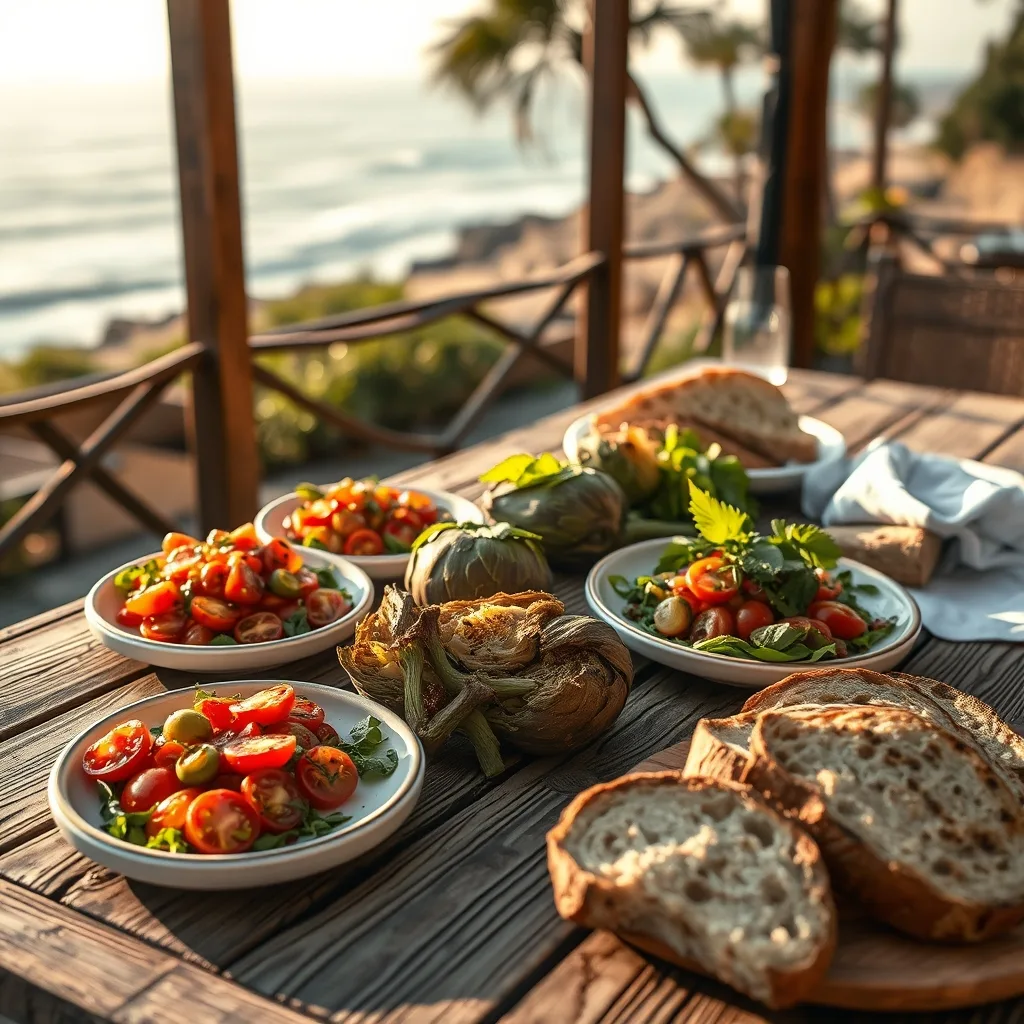
California cuisine has long been defined by its proximity to the Pacific, its year‑round growing season, and a culture that celebrates fresh, local ingredients. The Malibu Farm Cookbook captures that spirit by organizing recipes around the rhythm of the seasons, inviting home cooks to let the market dictate the menu. This guide walks you through the book’s seasonal framework, highlights signature dishes, and shows how to translate its farm‑to‑table ethos into everyday cooking.
Key takeaways
- Organize your menu around seasonal harvest peaks to maximize flavor and support regional farmers.
- Extend the shelf life of fresh produce by using proper storage, quick-pickling, and bulk freezing techniques.
- Build a versatile seasonal pantry with staples like olive oil, raw vinegar, and dried herbs for easy meal assembly.
- Use weekly batch-cooking of grains and roasted vegetables to simplify meal prep and reduce food waste.
The Philosophy Behind Malibu Farm
At the heart of Malibu Farm is a simple belief: food tastes best when it travels the shortest distance from soil to plate. The restaurant’s founders, Helene Henderson and her team, built relationships with nearby growers, fishers, and artisans long before the term “farm‑to‑table” became a buzzword. The cookbook mirrors that network, grouping recipes by the produce that peaks each month. By following the calendar, you naturally reduce food miles, support regional agriculture, and enjoy flavors at their most vibrant.
Spring Awakening: Light Greens and Citrus
Spring brings tender lettuces, peas, asparagus, and the first burst of citrus. The cookbook’s Spring Pea & Mint Soup showcases sweet peas blended with fresh mint, a splash of lemon juice, and a drizzle of extra‑virgin olive oil. For a brighter plate, try the Radish & Blood Orange Salad tossed with a honey‑mustard vinaigrette. Actionable tip: visit your farmers market early in the week, buy a mixed bag of baby greens, and store them in a breathable container with a paper towel to extend freshness.
Summer Harvest: Tomatoes, Stone Fruit, and Herbs
When tomatoes reach their peak, the book offers a Heirloom Tomato Galette with a flaky whole‑grain crust, basil, and a whisper of sea salt. Stone fruit shines in the Grilled Peach & Burrata Salad, where charred peach halves meet creamy burrata, arugula, and a balsamic reduction. Practical guidance: roast a tray of cherry tomatoes with garlic and thyme on Sunday; the resulting confit keeps for a week and elevates pasta, grain bowls, or bruschetta in minutes.
Autumn Abundance: Squash, Roots, and Warm Spices
Fall’s heavier produce invites comforting dishes. The Butternut Squash Risotto uses toasted farro for nutty texture, finished with sage‑infused brown butter. The Roasted Carrot & Beet Hummus blends earthy roots with tahini, cumin, and a hint of smoked paprika. Actionable tip: peel and cube squash in bulk, toss with olive oil and maple syrup, then freeze on a sheet pan. Portion‑size bags become instant soup bases or sheet‑pan sides.
Winter Comfort: Brassicas, Citrus, and Hearty Grains
Winter menus lean on kale, Brussels sprouts, and citrus to brighten short days. The Kale & Quinoa Power Bowl combines massaged kale, cooked quinoa, roasted chickpeas, and a lemon‑tahini drizzle. The Blood Orange & Fennel Salad pairs segmented citrus with shaved fennel, olives, and a pistachio crumble. Practical guidance: keep a jar of pre‑cooked farro or barley in the fridge; it reheats in seconds and adds substance to any winter salad.
Building a Seasonal Pantry
A well‑stocked pantry turns seasonal cooking from a project into a habit. The cookbook recommends staples such as cold‑pressed olive oil, raw apple cider vinegar, dried herbs (oregano, thyme, rosemary), whole‑grain flours, and a variety of beans and lentils. Add a few jars of preserved lemons, fermented hot sauce, and local honey. When a recipe calls for a fresh herb you lack, substitute a teaspoon of dried herb per tablespoon fresh, adjusting for potency.
Adapting Recipes for Dietary Needs
Many Malibu Farm dishes are naturally gluten‑free, vegetarian, or vegan, and the book includes notes for common modifications. Swap regular pasta for chickpea or brown‑rice noodles in the Summer Tomato Pasta. Replace dairy‑based cheeses with cashew‑based alternatives in the Autumn Squash Lasagna. For nut‑free households, use sunflower seed butter in the Winter Citrus Dressing. Always taste and adjust seasoning after substitutions, as alternative ingredients can shift salt and acidity levels.
Hosting a California‑Style Farm Dinner
Turn a seasonal menu into a gathering by planning a three‑course flow that mirrors the book’s structure. Start with a light spring soup or citrus salad, move to a summer grilled vegetable platter with herb‑infused oils, and finish with an autumn squash tart or winter grain bowl. Set the table with reclaimed wood boards, linen napkins, and a centerpiece of seasonal produce. Encourage guests to share the story of each ingredient — where it grew, who harvested it — turning dinner into a celebration of place and community.
Sourcing and Building Relationships with Local Producers
Understanding where your food originates transforms seasonal cooking from a recipe exercise into a community practice. Start by mapping the farms, fishers, and artisans within a fifty‑mile radius. Visit farmers markets on multiple days to meet growers who specialize in heirloom tomatoes, stone fruit, or specialty greens. Ask about their harvest calendars; many small farms publish a simple PDF that lists peak weeks for each crop. Keep a spreadsheet with columns for producer name, contact, primary products, and typical harvest windows. This living document becomes your personal sourcing guide and helps you anticipate gaps — such as a late‑season kale shortage — before they affect your menu.
When you establish a direct line, negotiate a standing order for staple items like dried beans, whole‑grain flour, or cold‑pressed olive oil. A standing order guarantees supply and often secures a modest discount. For perishable items, arrange a weekly pickup or a community‑supported agriculture (CSA) share that delivers a curated box each Tuesday. If a producer offers a “farm‑gate” day, schedule a visit to see the fields, learn about soil practices, and gather stories you can share at the table. Edge case: some farms only sell through a cooperative; in that case, join the co‑op’s mailing list and attend their quarterly meetings to stay informed about allocation changes.
Document each relationship with a short profile: farm history, certification status, and a favorite quote from the grower. These profiles enrich the narrative of a California‑style farm dinner and give guests a tangible connection to the land. Over time, you’ll notice patterns — certain farms excel at early‑season peas, others at late‑season citrus — allowing you to fine‑tune your seasonal menu with confidence.
Preservation Techniques for Seasonal Abundance
Preserving the peak of each season extends the cookbook’s philosophy beyond the harvest window. Begin with quick‑pickling: thinly slice radishes, cucumbers, or carrots, submerge in a brine of equal parts water and apple cider vinegar plus a tablespoon of salt per cup, and add aromatics like mustard seed, dill, or coriander. Refrigerate for twenty‑four hours; the result keeps for three weeks and adds bright acidity to grain bowls, tacos, or sandwich spreads.
For longer storage, explore lacto‑fermentation. Shred cabbage with a pinch of sea salt, massage until it releases its own brine, pack tightly into a jar, and weight it down. Ferment at room temperature for five to seven days, then move to cold storage. The resulting sauerkraut or kimchi delivers probiotic depth to winter soups and spring salads alike. Edge case: if ambient temperature exceeds seventy‑five degrees Fahrenheit, fermentation accelerates and may produce off‑flavors; use a temperature‑controlled crock or a cool basement corner.
Freezing is the most versatile method for fruit and vegetable surplus. Blanch green beans, peas, or asparagus for ninety seconds, shock in ice water, drain, and spread on a sheet pan before bagging. This prevents clumping and preserves color. For stone fruit, halve, remove pits, toss with a light dusting of ascorbic acid powder (one teaspoon per quart) to prevent browning, then freeze. Label each bag with date, variety, and intended use — smoothie, compote, or galette filling — to avoid mystery bags later.
Drying herbs and citrus zest concentrates flavor for off‑season use. Hang small bunches of rosemary, thyme, or oregano upside down in a dark, ventilated space for two weeks. For citrus, use a microplane to zest lemons, limes, or blood oranges, spread on parchment, and dry in a low oven (one hundred fifty degrees Fahrenheit) for two hours. Store in airtight jars; a pinch of dried zest brightens a winter vinaigrette or a spring pea soup.
Advanced Cooking Methods Tailored to Each Season
Each season invites a cooking technique that highlights its produce’s texture and flavor. Spring’s delicate greens benefit from a quick‑steam‑then‑shock method: place baby spinach or pea shoots in a steamer basket over boiling water for thirty seconds, then plunge into ice water. This preserves vibrant color and a tender bite, perfect for a chilled salad with citrus vinaigrette.
Summer’s abundance of tomatoes and stone fruit shines on a wood‑fire grill. Preheat a cast‑iron grill pan or outdoor grill to high heat, brush fruit halves with olive oil, and grill cut‑side down for two minutes until char marks appear. The caramelized edges add smoky depth to a burrata salad or a simple crostini topped with ricotta and honey. Edge case: if a grill is unavailable, a broiler set to high replicates the effect; keep the rack four inches from the element and watch closely to avoid burning.
Autumn’s dense squashes and root vegetables excel with a low‑and‑slow roast. Cut butternut or delicata into uniform wedges, toss with melted coconut oil, maple syrup, and a pinch of smoked paprika, then roast at three hundred degrees Fahrenheit for forty‑five minutes, turning halfway. The gentle heat caramelizes sugars without drying the flesh, yielding a silky interior ideal for risotto or a warm grain salad.
Winter’s brassicas and hearty grains respond well to braising. Sear kale stems and Brussels sprouts in a heavy pot with a splash of grapeseed oil, deglaze with vegetable broth, add a bay leaf and a strip of kombu, then cover and simmer at a bare bubble for thirty minutes. The kombu imparts umami without animal products, and the long, moist cooking softens fibrous leaves while preserving nutrients.
For year‑round versatility, consider a sous‑vide setup for proteins that accompany seasonal vegetables. A precise water bath at one hundred thirty‑five degrees Fahrenheit cooks chicken breast or tofu to perfect tenderness, freeing the stovetop for vegetable work. This technique is especially useful when hosting a multi‑course farm dinner where timing is critical.
Weekly Seasonal Meal Planning and Batch Cooking
Translate the cookbook’s monthly framework into a practical weekly plan that minimizes daily decision fatigue. On Sunday, review the upcoming market report and select three anchor vegetables — one leafy, one fruiting, one root — that will appear across multiple meals. For example, a week in early June might feature baby kale, early strawberries, and new potatoes.
Batch‑cook a large pot of farro or barley (two cups dry yields six cups cooked) and portion into containers. Roast a tray of the chosen root vegetable with olive oil, salt, and herbs; store half for a warm grain bowl, half for a frittata filling. Prepare a versatile sauce — such as a lemon‑tahini drizzle or a basil‑mint pesto — that can dress salads, grain bowls, and grilled vegetables alike.
Design each day’s meals around a template: breakfast grain bowl, lunch salad, dinner plated entrée. Monday breakfast could be farro topped with sautéed kale, a poached egg, and a spoonful of pesto. Lunch uses the same farro base with raw kale massaged in lemon juice, sliced strawberries, and toasted almonds. Dinner features a pan‑seared salmon (or tofu) over a bed of roasted potatoes and a strawberry‑balsamic reduction.
Edge case: unexpected schedule changes. Keep a “flex” container of pre‑cooked beans and a jar of quick‑pickled vegetables in the fridge; they can be tossed into any meal for protein and acidity without extra cooking. Track what you use and what remains at week’s end; adjust the next week’s anchor vegetables accordingly. This iterative loop sharpens your seasonal intuition and reduces waste.
Pairing Seasonal Dishes with California Wines and Non‑Alcoholic Beverages
Thoughtful beverage pairing elevates a farm‑to‑table meal from satisfying to memorable. In spring, a crisp, unoaked Chardonnay from the Santa Barbara coastline mirrors the bright acidity of a pea‑mint soup while its subtle citrus notes echo the lemon finish. For a non‑alcoholic option, brew a cold‑infused hibiscus‑mint tea, sweetened lightly with local honey; the floral tartness complements the radish‑blood orange salad.
Summer’s heirloom tomato galette pairs beautifully with a lightly chilled Pinot Noir from the Russian River Valley. The wine’s red‑fruit profile and soft tannins echo the tomato’s sweetness without overwhelming the basil. A sparkling water infused with cucumber and basil offers a refreshing, alcohol‑free counterpart that cleanses the palate between bites.
Autumn’s butternut squash risotto finds a partner in an off‑dry Riesling from the Sierra Foothills. The wine’s stone‑fruit aromatics and gentle residual sugar balance the sage‑brown butter richness. For a zero‑proof pairing, simmer apple cider with a cinnamon stick, star anise, and a splash of fresh ginger juice; serve warm in small mugs to echo the dish’s comforting spices.
Winter’s kale‑quinoa power bowl aligns with a robust Syrah from Paso Robles, whose peppery notes and firm structure stand up to the lemon‑tahini drizzle and roasted chickpeas. A non‑alcoholic alternative is a fermented kvass made from beets and rye bread; its earthy, slightly sour character mirrors the beet hummus while providing probiotic benefits.
When selecting pairings, consider the dominant flavor axis — acidity, sweetness, umami, or bitterness — and match or contrast accordingly. Keep a small tasting notebook: record the dish, the beverage, and a quick impression. Over a season you’ll build a personal pairing library that guides future menus and impresses guests with thoughtful cohesion.
Zero‑Waste Strategies and Creative Leftover Transformations
Embracing a zero‑waste mindset aligns perfectly with the Malibu Farm ethos of honoring every harvest. Start by auditing your kitchen waste for one week; note vegetable trimmings, herb stems, citrus peels, and grain cooking liquid. Each category offers a second life.
Vegetable trimmings — carrot tops, fennel fronds, beet greens — can be blended into a vibrant pesto with nuts, olive oil, and a squeeze of lemon. Freeze pesto in ice‑cube trays for instant flavor bombs in soups, pasta, or marinades. Herb stems, often discarded, infuse oils or vinegars: pack rosemary or thyme stems into a bottle of extra‑virgin olive oil, let sit two weeks, then strain. The resulting herb oil finishes grilled vegetables or drizzles over winter grain bowls.
Citrus peels become candied garnish or a fragrant cleaning spray. Simmer peels in equal parts water and sugar until translucent, then roll in coarse sugar and dry. Store in a jar for up to a month; they add elegance to a blood orange salad or a summer peach galette. For a household cleaner, steep peels in white vinegar for two weeks, strain, and dilute with water; the natural oils cut grease on countertops.
Cooking liquid from grains or beans — especially farro or chickpeas — is rich in starch and flavor. Use it as the base for a quick soup: sauté onions, add the liquid, toss in leftover roasted vegetables, and finish with a handful of fresh greens. Alternatively, reduce the liquid to a syrup and whisk into a vinaigrette for added body.
Leftover roasted vegetables transform into a frittata filling, a grain‑bowl topping, or a blended soup thickened with a splash of coconut milk. Stale whole‑grain bread becomes croutons for salads, a base for a savory bread pudding with kale and cheese, or a crumb coating for baked tofu. Edge case: if you accumulate more scraps than you can use immediately, designate a freezer bag for “stock scraps” — onion skins, carrot ends, mushroom stems — and when the bag is full, simmer into a versatile vegetable broth.
By systematically repurposing each by‑product, you close the loop from farm to table and back to the soil (via compost), reinforcing the seasonal cycle that the cookbook celebrates.
Adapting the Malibu Farm Framework to Non‑California Climates
The cookbook’s calendar is rooted in Malibu’s Mediterranean climate, but its structure — grouping recipes by what peaks each month — is universally transferable. Begin by obtaining your region’s USDA hardiness zone and the local extension service’s harvest calendar. Identify the three to four primary crops that define each month in your area; these become your anchor ingredients.
For a Pacific Northwest kitchen, spring might spotlight fiddlehead ferns, nettles, and early strawberries. Replace the pea‑mint soup with a nettle‑potato purée finished with a drizzle of hazelnut oil. Summer could feature marionberries, salmonberries, and heirloom tomatoes; the galette becomes a marionberry‑ricotta tart on a cornmeal crust. Autumn brings a bounty of winter squash, apples, and hazelnuts — adapt the butternut risotto to a farro‑apple‑hazelnut pilaf. Winter leans on kale, Brussels sprouts, and storage onions; the power bowl gains a miso‑ginger dressing for umami depth.
Edge case: regions with a short growing season (e.g., high‑altitude or northern latitudes) may have only a two‑month window for fresh produce. In those months, prioritize preservation — ferment, freeze, dry — to create a pantry that sustains the off‑season. Supplement with cold‑hardy greens grown in a cold frame or indoor hydroponic system; microgreens can be harvested year‑round and slot into any seasonal slot.
Adjust cooking techniques to match climate constraints. In humid summers, a grill may be less practical; a stovetop grill pan or oven broiler achieves similar char. In cold winters, a Dutch oven on the stovetop replaces outdoor wood‑fire roasting for squash. The key is maintaining the flavor logic — high heat for caramelization, low heat for tenderness — while using equipment you have.
Finally, cultivate a local producer network analogous to the Malibu Farm relationships. Join a regional food hub, attend a “farm‑to‑table” meetup, or start a neighborhood crop‑swap. Document each producer’s calendar in the same spreadsheet format described earlier. Over time, your adapted framework will feel as intuitive as the original, proving that seasonal cooking is a mindset, not a geography.
FAQ
- What makes the Malibu Farm Cookbook different from other seasonal cookbooks?
- It is organized strictly by the harvest calendar of the Malibu region, includes producer profiles, and provides substitution notes for dietary restrictions, making it both a recipe collection and a guide to local food systems.
- Can I follow the recipes if I live outside California?
- Yes. Use the seasonal framework as a template: identify what’s peaking in your area each month and swap in equivalent produce. The techniques and flavor pairings translate universally.
- How do I store fresh herbs to keep them vibrant for weeks?
- Trim stems, place herbs in a jar with an inch of water, cover loosely with a plastic bag, and refrigerate. Change water every two days. Hardier herbs like rosemary and thyme can be wrapped in a damp paper towel and stored in a sealed container.
- Are the recipes suitable for meal prep?
- Many dishes — grain bowls, roasted vegetable trays, soups, and hummus — keep well for four to five days in airtight containers. Assemble fresh components like greens or citrus segments just before serving.
- Where can I find the specialty ingredients mentioned, such as preserved lemons or fermented hot sauce?
- Check well‑stocked natural‑foods stores, Middle Eastern markets, or online retailers. You can also make preserved lemons at home by packing quartered lemons in salt and lemon juice for three weeks.
Related posts:
 11 Innovative Healthy Recipes That Make Kale Exciting Again
 The Game-Changing 50 Percent Rule That Makes Eating Vegetables Effortless
 A Visit to the Enchanting Plumcot Farm
 Chloë Grace Moretz’s Olive Oil Cleansing Method
 15-Minute Dairy-Free Dinner Ideas
 The Whole Foods Salad Bar Insider’s Guide to Maximum Nutrition
 The Upstate Farm that New York City Women Built
 Vegetable-Rich Dinner Ideas