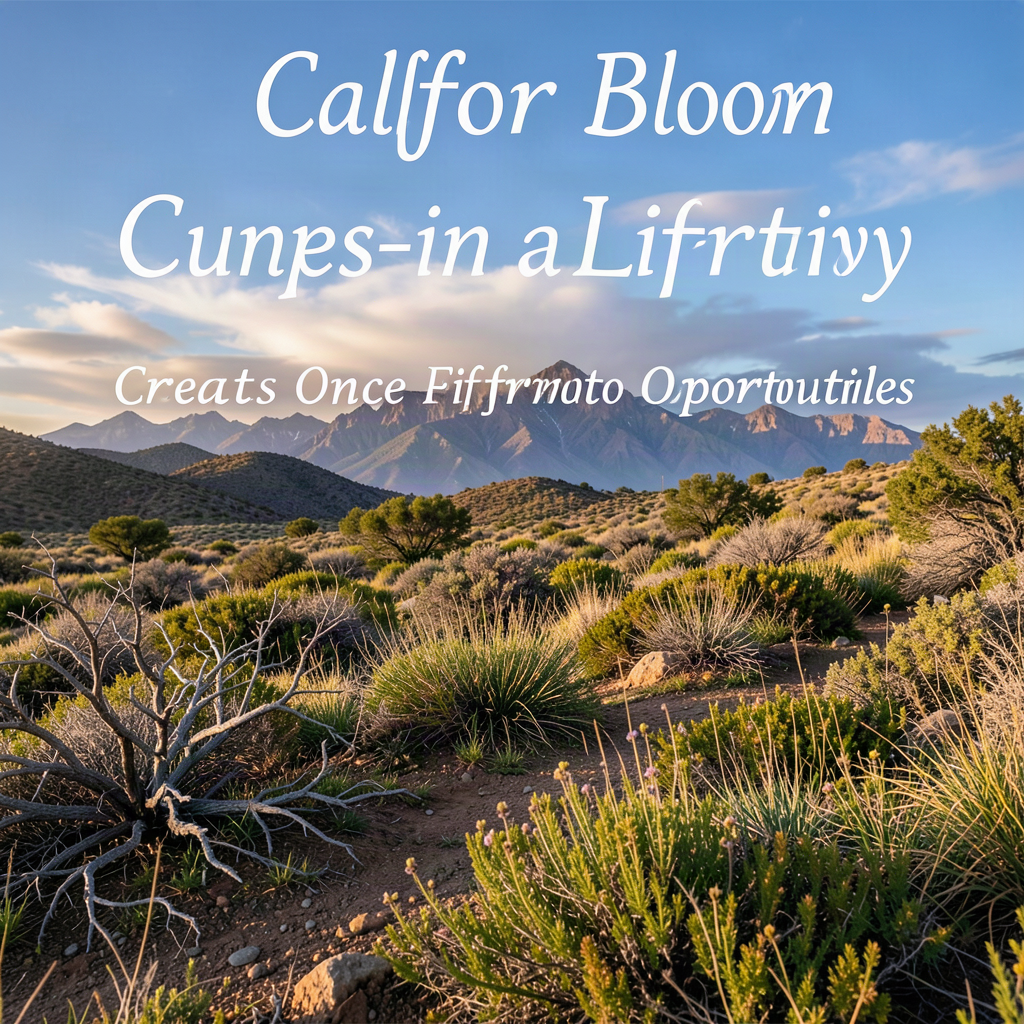
Every few years, the arid landscapes of California undergo a breathtaking transformation. What were once golden, parched hillsides suddenly erupt into a vibrant tapestry of orange, purple, and yellow. This phenomenon, known as a “super bloom,” is more than just a botanical curiosity; it is a visceral experience that draws photographers, nature lovers, and travelers from across the globe. For the photographer, it represents a rare intersection of timing, weather, and natural artistry, offering a window into the resilience of the desert ecosystem.
p>
Capturing a super bloom requires more than just showing up with a camera. Because these events are unpredictable and fleeting, the window for the perfect shot is narrow. To truly capture the scale and intimacy of these floral explosions, one must balance technical skill with a deep respect for the environment. This guide explores how to navigate the California super bloom, from the science behind the bloom to the ethical considerations of photographing fragile ecosystems.
The Science Behind the Super Bloom
To photograph a super bloom, it helps to understand why it happens. A super bloom is not a scheduled event; it is a biological response to specific climatic triggers. Most of the wildflowers found in California’s deserts and grasslands produce seeds that can remain dormant in the soil for years, or even decades. These seeds are coated in a natural chemical inhibitor that prevents them from germinating during light rains, which would only provide enough moisture for a sprout but not enough for a full life cycle.
A super bloom occurs when a sequence of heavy winter rains washes away these inhibitors and saturates the soil deeply. When this is followed by mild temperatures and a lack of extreme frost, millions of seeds germinate simultaneously. The result is a synchronized explosion of color. For the photographer, this means the “peak” is often a moving target. Depending on the elevation and the specific species—such as the iconic California Poppy (Eschscholzia californica) or the vivid Goldfields—the bloom may shift by several weeks as you move from the low deserts to the higher foothills.
Top California Locations for Super Bloom Photography
While flowers can pop up anywhere, certain regions are legendary for their scale and intensity. Knowing where to go is half the battle.
Antelope Valley California Poppy Reserve
Located in the high desert of Los Angeles County, this is perhaps the most famous site for the orange poppy bloom. The scale here is immense, with rolling hills that look like they have been painted in bright orange. To get the best shots here, aim for the edges of the reserve where the poppies meet the rugged terrain, creating a contrast between the soft petals and the harsh earth.
Carrizo Plain National Monument
For those seeking a more wilderness-oriented experience, the Carrizo Plain offers an otherworldly landscape. This area is known for its vast carpets of yellow Goldfields and purple wildflowers. Because it is more remote, you can often find compositions that feel untouched and expansive. The flat valley floor allows for stunning wide-angle shots that capture the horizon line stretching into infinity.
Anza-Borrego Desert State Park
This park is a haven for biodiversity. In a super bloom year, Anza-Borrego showcases a variety of species, from the delicate desert primrose to the striking desert sunflowers. The dramatic rock formations and slot canyons provide excellent natural frames for the foreground flowers, adding depth and context to your images.
Lake Elsinore and the Inland Empire
Often overlooked in favor of the deep deserts, the foothills around Lake Elsinore frequently experience spectacular blooms. These areas are more accessible for those based in Southern California and often feature a mix of native wildflowers and vibrant non-native species that add a surprising palette of colors to the landscape.
Essential Gear for Flower Photography
The gear you choose will dictate whether your photos feel like postcards or professional art. Because you are dealing with both vast landscapes and tiny details, versatility is key.
- Wide-Angle Lens (16-35mm): Essential for capturing the “sea of color.” Use a wide aperture to keep the foreground sharp while allowing the hills to recede into the distance.
- Macro Lens (90-105mm): To capture the intricate details of a single petal, the pollen on a stamen, or a bee pollinating a bloom. Macro photography transforms a landscape shoot into a study of nature’s geometry.
- Circular Polarizer (CPL): This is a non-negotiable for floral photography. A CPL filter reduces glare on waxy petals and deepens the blue of the California sky, making the colors of the flowers pop without needing excessive saturation in post-processing.
- Sturdy Tripod: While handheld shots are fine for snapshots, a tripod is necessary for long exposures during the golden hour or for precise macro stacking to ensure the entire flower is in focus.
- Comfortable, Closed-Toe Boots: The terrain can be rocky and dusty. Protecting your feet allows you to focus on the composition rather than the discomfort of the hike.
Mastering Composition in a Sea of Color
One common mistake photographers make during a super bloom is taking “flat” photos—images where the flowers simply look like a colorful blur. To create a compelling image, you need structure.
Creating Depth with Foreground Interest
Instead of standing upright and shooting downward, get low. By placing your camera just inches above the ground, you can use a few sharply focused flowers in the immediate foreground to lead the viewer’s eye into the vast field behind them. This creates a three-dimensional feel and gives the viewer a sense of being immersed in the bloom.
The Power of Leading Lines
Look for natural lines in the landscape. A winding dirt path, a fence line, or the curve of a hillside can serve as a leading line that guides the eye toward a focal point, such as a lone tree or a distant mountain peak. This prevents the image from feeling chaotic and gives it a narrative flow.
Playing with Scale
A field of flowers can look the same whether it’s ten acres or a thousand. To convey the true magnitude of a super bloom, introduce a human element or a known object. A person walking in the distance or a small building can provide a sense of scale, emphasizing just how overwhelming the bloom truly is.
Timing Your Visit for the Perfect Light
Light is the most critical element in landscape photography. Midday sun is the enemy of the super bloom; it creates harsh shadows and washes out the delicate hues of the petals.
The Golden Hour: The hour after sunrise and the hour before sunset provide soft, warm light that enhances the gold and orange tones of the poppies. During this time, the light hits the flowers from a side angle, highlighting the texture of the petals and creating long, dramatic shadows that add contour to the hills.
The Blue Hour: The period just before sunrise or after sunset offers a cool, ethereal glow. This is a fantastic time to capture the purple and blue wildflowers, as the ambient light complements their natural tones, resulting in a moody, atmospheric image.
Weather Tracking: Keep a close eye on local weather reports and “bloom trackers.” Many parks provide updates on the status of the flowers. Remember that a light drizzle can actually be a blessing; water droplets on petals add a layer of crystalline detail and freshness to your macro shots.
Ethical Photography and the “Stay on the Trail” Mandate
With the rise of social media, super blooms have become “Instagram magnets.” Unfortunately, this has led to a devastating trend of “flower trampling,” where visitors walk into the fields to get the perfect shot, destroying the very beauty they came to see.
The Impact of Soil Compaction: When people step off designated trails, they don’t just crush the current flowers; they compact the soil. This compaction destroys the air pockets necessary for roots to breathe and can kill the dormant seed bank, ensuring that the area may not bloom again for years. As a photographer, you have a responsibility to lead by example.
Leave No Trace: This fundamental principle of outdoor ethics is paramount. Carry out all trash, avoid disturbing wildlife, and never pick the flowers. A picked flower dies quickly, and it robs the ecosystem of the seeds needed for future generations. Use your zoom lens to get the “close-up” feel without physically entering the protected floral zones.
Respecting Local Regulations: Many reserves implement strict closures or one-way traffic flows during super blooms. Follow these rules without exception. The frustration of a detour is negligible compared to the permanent loss of a natural habitat.
Post-Processing Your Floral Landscapes
The goal of post-processing should be to enhance the natural beauty of the scene, not to create a surrealist painting. Over-saturation is a common pitfall in super bloom photography.
Color Grading with HSL Sliders: Instead of increasing the overall saturation, use the HSL (Hue, Saturation, Luminance) sliders in software like Adobe Lightroom. For poppies, slightly increase the luminance of the oranges to make them “glow” while keeping the saturation moderate. For purple lupines, shifting the hue slightly toward the blue spectrum can create a more modern, cinematic look.
Managing Contrast and Clarity: Use a subtle amount of clarity to bring out the textures of the landscape, but be careful with the flowers. Too much clarity can make petals look crunchy or artificial. A soft radial filter over the main floral clusters can help draw the eye toward the subject while keeping the edges of the frame slightly softer.
Correcting White Balance: Depending on the time of day, your camera may struggle with the overwhelming amount of a single color (like yellow). Manually adjusting the white balance to ensure the whites remain neutral will prevent the entire image from looking like it has a yellow cast.
Planning Your Trip: Logistics and Safety
A successful photo expedition requires preparation. The areas where super blooms occur are often remote and exposed to the elements.
- Water and Nutrition: The California sun can be deceptive, especially in the spring. Carry more water than you think you need. High-protein snacks will keep your energy levels stable during long hikes to the best vantage points.
- Navigation: Cell service is often spotty in the Carrizo Plain or Anza-Borrego. Download offline maps or carry a physical topo map of the area.
- Parking and Crowds: Expect heavy traffic. Arrive at the reserves at dawn—not only for the light but to secure a parking spot. Once the lots are full, rangers often close the entrances to prevent gridlock.
- Safety Gear: Be mindful of local wildlife. Rattlesnakes are active in the spring, and ticks can be common in tall grass. Wear long pants and carry a basic first-aid kit.
Identifying and Capturing Specific Wildflower Species
While a sea of color is visually stunning from a distance, the true artistry of a super bloom lies in the diversity of the species. Each flower possesses a unique geometry and color profile that requires a different photographic approach to truly honor its form. Understanding these nuances allows a photographer to move beyond general landscape shots and create a comprehensive botanical study.
The Purple Lupine (Lupinus): These towering spikes of purple and blue provide a critical vertical element in an otherwise horizontal landscape. To capture the lupine effectively, use a narrow aperture (f/8 to f/11) to ensure the entire spike is in focus from the bottom bloom to the top bud. Because purple is a receding color, it can sometimes look muted against a bright blue sky; try underexposing by half a stop to deepen the saturation of the violet hues.
The Goldfields (Lasthenia): Unlike the distinct shape of a poppy, goldfields create a dense, shimmering carpet of yellow. The challenge here is avoiding a “blob” of color. To solve this, look for “texture breaks”—areas where the goldfields mingle with grey-green scrub or dark soil. Using a slightly higher contrast setting in-camera can help define the individual tiny florets, preventing the image from looking like a flat yellow wash.
The Phacelia (Phacelia tanacetifolia): These striking blue-purple flowers often have a coiled, intricate structure. They are perfect subjects for extreme macro photography. Use a shallow depth of field (f/2.8 or f/4) to isolate a single coil of the flower, blurring the rest of the field into a creamy, impressionistic background. This emphasizes the alien-like architecture of the plant.
Desert Sunflowers (Encelia farinosa): These blooms offer a bright, clean yellow with a distinct center. The key to photographing sunflowers is the angle of the sun. Backlighting a sunflower can make the petals appear translucent and glowing, a technique known as “rim lighting.” Position yourself so the sun is behind the flower, then use a fill flash or a reflector to illuminate the face of the bloom, creating a professional, studio-like quality in the wild.
Advanced Technical Strategies for Floral Landscapes
Once the basics of composition are mastered, professional results require advanced technical maneuvers. The volatility of outdoor lighting and the physical limitations of lens depth of field often create hurdles that standard settings cannot overcome.
Focus Stacking for Macro Precision: In macro photography, the depth of field is razor-thin—sometimes only a few millimeters. To get a flower that is sharp from the front petal to the back of the stem, employ focus stacking. This involves taking a series of images (usually 5 to 20) of the same flower, shifting the focus point slightly deeper into the subject with each shot. In post-processing, software like Helicon Focus or Adobe Photoshop can merge these “slices” into a single image with an impossible depth of field, ensuring every detail is tack-sharp.
Exposure Bracketing for High-Contrast Skies: A super bloom often occurs under a brilliant, high-contrast sky. If you expose for the bright orange poppies, the sky may blow out to pure white; if you expose for the clouds, the flowers will be underexposed and muddy. Use AEB (Auto Exposure Bracketing) to take three shots: one underexposed, one neutral, and one overexposed. Merging these into an HDR (High Dynamic Range) image allows you to retain the vividness of the flowers while preserving the dramatic texture of the storm clouds that likely triggered the bloom in the first place.
Managing Motion Blur in the Wind: Flowers are rarely still. Even a light breeze can cause “motion blur,” which ruins the sharpness of a macro shot. To combat this, increase your shutter speed to at least 1/500s or 1/1000s. If the light is too low for such high speeds, use a tripod and a remote shutter release to eliminate camera shake, and wait for the “lulls” in the wind. For a more creative approach, try a slow shutter speed (1/15s) while keeping the camera steady; this creates a “painterly” effect where the flowers blur into streaks of color while the background remains static.
Expanding the Map: Northern California’s Bloom Zones
While the Southern deserts receive the most press, Northern California offers an entirely different aesthetic and set of challenges for the floral photographer. The blooms here are often tied to different elevations and microclimates, resulting in a different color palette and timing.
The Sierra Nevada Foothills: As the snow melts in the Sierras, a wave of bloom follows the receding frost line. This region is famous for its mixture of yellow poppies and deep red paintbrush flowers. The photography here is characterized by dramatic verticality; you can often capture a foreground of wildflowers with the snow-capped peaks of the High Sierra in the background. This juxtaposition of spring rebirth and winter remnants creates a powerful visual narrative.
The Coastal Ranges and Central Valley: Along the coast, the blooms are often more sporadic but incredibly vivid. Look for coastal lupines and seaside daisies that cling to the cliffs. The lighting here is often diffused by marine layers (fog), which acts as a giant natural softbox. This is the ideal environment for capturing the subtle gradients of pastel flowers without the harsh shadows found in the desert. The Central Valley, meanwhile, offers vast, flat expanses of wildflowers that mimic the Carrizo Plain but with a more lush, green undertone due to higher moisture levels.
Timing the Northern Shift: Photographers should be aware that the “bloom wave” generally moves from south to north. While Anza-Borrego might peak in March, the Northern foothills may not hit their stride until late April or May. Tracking the “snow line” in the Sierras is the best way to predict when the foothill blooms will erupt.
Mastering the Elements: Dealing with Wind and Dust
The environments that produce super blooms are often harsh. High winds and airborne grit are the two primary enemies of high-end camera gear. A single grain of sand on a sensor or a gust of wind during a long exposure can derail an entire expedition.
Protecting the Sensor and Glass: Avoid changing lenses in the open air. The wind that whips through the poppy fields often carries fine silica dust that can settle on your sensor, leading to “dust spots” that are a nightmare to remove in post-processing. If you must change lenses, do so inside a vehicle or use a “lens changing bag.” Additionally, use a high-quality UV filter to protect your front element from abrasive dust; it is much easier to replace a filter than to polish a scratched lens coating.
Stabilization in High-Wind Scenarios: A lightweight tripod can become a liability in a desert windstorm, acting more like a sail than a stabilizer. To add stability, hang your camera bag from the center column of the tripod to lower the center of gravity. For macro shots where a tripod is too cumbersome, use a “beanbag” support. Resting your lens on a beanbag allows you to glide the camera smoothly over the flowers and provides a steadier base than a tripod on soft, sandy soil.
The “Dusty Lens” Dilemma: When shooting low to the ground, it is inevitable that some dust will hit your gear. Carry a rocket blower and a microfiber cloth. Never wipe a dusty lens with a dry cloth, as this can grind the silica into the glass and cause permanent micro-scratches. Always blow away the loose particles first before gently wiping.
Aerial Perspectives: Utilizing Drones for Scale
The sheer magnitude of a super bloom is often impossible to convey from the ground. Drones have revolutionized floral photography by allowing artists to capture the “tapestry effect”—the way different species of flowers cluster into organic, flowing shapes across the landscape.
The “God’s Eye” View: The most effective drone shot for a super bloom is the top-down (nadir) perspective. By flying directly above a transition zone—where orange poppies meet purple lupines—you can create an abstract image that looks more like a painting than a photograph. To enhance this, fly during the golden hour to create long, soft shadows that give the floral carpets a three-dimensional texture.
Dynamic Movement and Reveal Shots: Instead of static photos, use the drone to create “reveal” videos. Start with a tight shot of a single flower and slowly ascend and tilt the camera upward to reveal the endless horizon of color. This transition provides the viewer with a visceral sense of scale that a single wide-angle photo cannot achieve.
Legal and Ethical Flight: Drone use in California’s protected areas is strictly regulated. Most National Parks and many State Reserves prohibit drone take-offs and landings to protect wildlife and maintain the wilderness experience. Always check the “B4UFLY” app or local park regulations. When flying in permitted areas, maintain a significant distance from other visitors to avoid disturbing their experience and ensure you are not stressing local pollinators or nesting birds.
Capturing the Symbiosis: Flora and Pollinators
A super bloom is not just a visual event; it is a biological frenzy. The flowers attract an explosion of insect life, from iridescent bees to migrating butterflies. Capturing the interaction between the plant and the pollinator adds a layer of storytelling and life to a portfolio.
High-Speed Action Settings: To freeze a bee in mid-air as it lands on a poppy, you need an incredibly fast shutter speed—typically 1/2000s or faster. Use “Continuous AF” (AI Servo) to track the insect as it moves. Set your drive mode to “High-Speed Burst” to capture a sequence of images, increasing the odds of getting the perfect moment where the insect’s wings are fully extended and the flower is in sharp focus.
The Art of Patience and Observation: Pollinators are creatures of habit. Instead of chasing a bee, find a particularly vibrant cluster of flowers and wait. Observe the flight patterns of the insects; they often return to the same blossoms. By staying still and blending into the environment, you can anticipate the landing and time your shot perfectly.
Compositional Balance: When photographing a pollinator, the insect is the subject, but the flower is the context. Use a composition that balances the two. A “rule of thirds” approach, placing the bee on one intersection and the curve of the flower on another, creates a dynamic image that leads the eye through the biological interaction.
Narrative Storytelling: Beyond the Single Shot
The most impactful super bloom projects are those that tell a story rather than just presenting a gallery of pretty images. Moving from “snapshotting” to “storytelling” requires a conceptual approach to the expedition.
Documenting the Cycle: A super bloom is a process of birth, peak, and decay. To create a compelling photo essay, document the different stages. Capture the first “scout” blooms emerging from the brown earth, the chaotic intensity of the peak, and the quiet beauty of the seed-heads as the flowers fade. This chronological sequence tells a story of resilience and the cyclical nature of the desert.
The Human Element: While the goal is often to capture untouched nature, the human reaction to a super bloom is a story in itself. Use a telephoto lens to capture candid shots of people’s expressions—the awe, the wonder, and the sheer scale of the crowds. By contrasting a wide shot of a thousand people with a macro shot of a single, fragile petal, you can create a commentary on the fragility of nature in the face of human curiosity.
Creating a Color Study: Challenge yourself to create a “color palette” series. Dedicate one set of images entirely to the yellows, another to the purples, and another to the oranges. By stripping away the distraction of mixed colors, you force the viewer to focus on the texture, shape, and light of each specific species, transforming your work from a travelogue into a fine-art study of California’s botanical diversity.
Frequently Asked Questions
When is the best time of year to see a California super bloom?
Typically, the peak occurs between February and May, depending on the region. Low-desert blooms (like those in Anza-Borrego) usually happen earlier, often in February or March. Higher elevation blooms and coastal poppies may peak in April or May. Because it depends entirely on rainfall, there is no guaranteed date, but monitoring rainfall in December and January is the best predictor.
Do I need a professional DSLR to take good super bloom photos?
Not at all. Modern smartphones have incredible wide-angle and macro capabilities that are more than sufficient for capturing the beauty of a bloom. The key is composition and lighting. If you are using a phone, use the “Portrait Mode” for individual flowers to create a soft background blur (bokeh) and use a tripod adapter for stability during the golden hour.
How can I tell if a super bloom is actually happening this year?
The most reliable way is to follow official state park social media accounts and local news reports. Additionally, websites like the California Poppy Reserve often provide “bloom status” updates. Be cautious of outdated photos on social media; always check the date of the post to ensure the bloom is current and not from a previous year.
What is the best way to photograph flowers without stepping on them?
Use a telephoto lens (70-200mm) to compress the background and bring the flowers closer to you visually. If you want a low-angle shot, use a tripod or a remote shutter release to position the camera at the edge of the trail. This allows you to capture the “immersive” feel without physically entering the protected floral beds.
Why are some years “super blooms” and others just regular blooms?
A regular bloom happens annually with standard rainfall. A “super bloom” requires an extraordinary convergence of factors: high winter precipitation, the absence of killing frosts, and the correct temperature for germination. When these align, the dormant seed bank is triggered on a massive scale, resulting in a density of flowers that far exceeds the norm.
Related posts:
 The Immunity-Boosting Ginger Shot Recipe That Actually Works
 Budget-Friendly Flower Arranging Tips
 Ina Garten’s Flower Arranging Tips
 Handmade Ceramic Vases for the Perfect Spring Home Update
 Desert Dreams: California’s Best Airbnb Escapes
 Picture Perfect: The Science Behind Taking Instagram-Worthy Photos
 Extending Spring Bloom Life
 Zodiac Flower Meanings