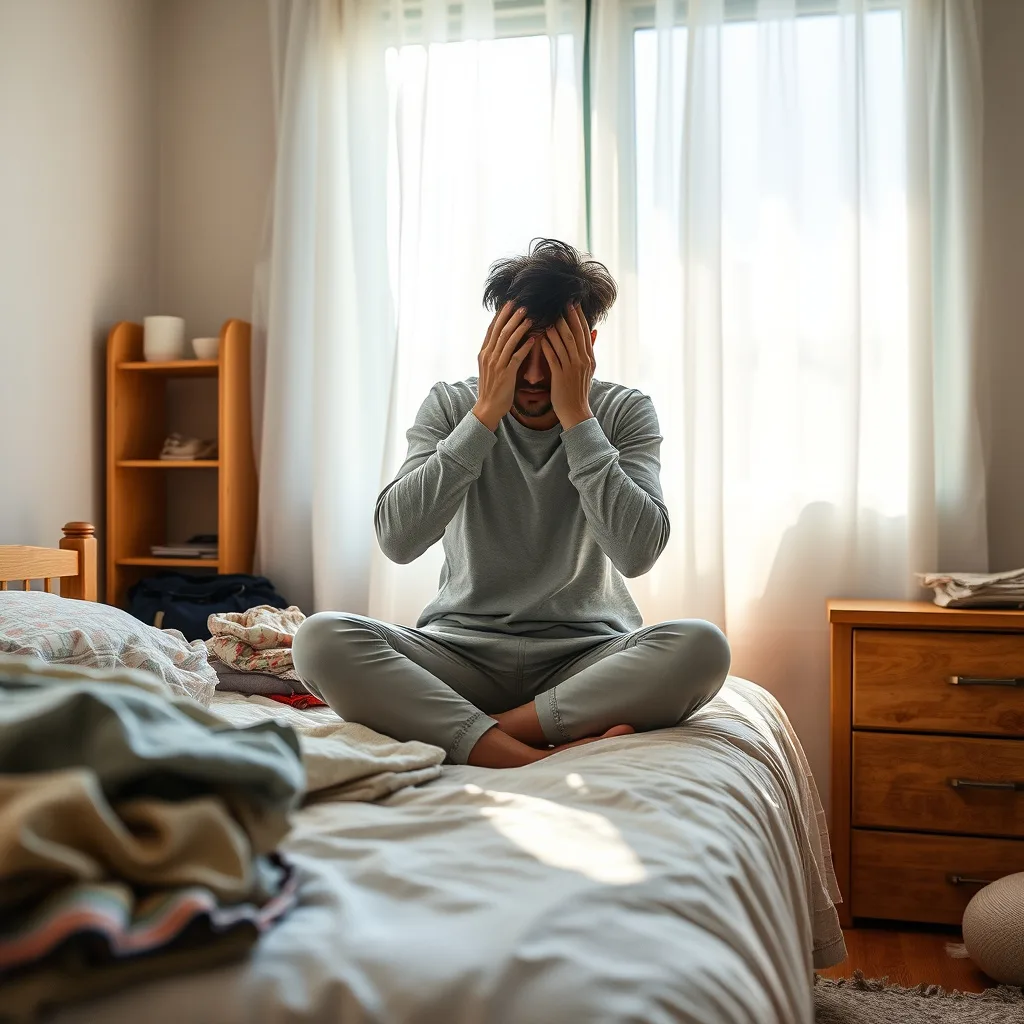
Sleep is often celebrated as a cornerstone of good health, but like many things, it can be a double‑edged sword. While most of us aim for the recommended 7‑9 hours per night, a growing number of people find themselves regularly sleeping 10 hours or more. This pattern, known as hypersomnia, may feel restorative, yet research suggests it can be linked to a range of physical and mental health concerns. In this article we explore the science behind excessive sleep, identify warning signs, and provide practical steps to help you find a balanced sleep routine that supports overall well‑being.
Key takeaways
- Long sleep is defined as consistently exceeding nine to ten hours per night and may indicate underlying health issues.
- Excessive sleep is associated with higher risks of coronary heart disease, obesity, type 2 diabetes, and chronic low-grade inflammation.
- Medical conditions like sleep apnea, hypothyroidism, and depression can drive the need for extra rest and require professional evaluation.
- Reset your sleep schedule by using morning light exposure, exercising regularly, and shifting wake times earlier in 15-minute increments.
- Genetics influence sleep duration, but oversleeping can also blunt immune responses and reduce natural killer cell activity.
What Counts as “Too Much” Sleep?
Sleep duration varies by age, genetics, and lifestyle, but most adult health authorities define the optimal range as 7‑9 hours per night. Consistently exceeding 9‑10 hours is generally considered “long sleep.” The National Sleep Foundation notes that long sleepers represent roughly 10‑15 % of the adult population. However, the definition is not merely a number; it also depends on how you feel during the day. If you regularly need more than 10 hours to feel rested, it may be a sign that something else is influencing your sleep needs.
Potential Physical Health Risks Associated with Long Sleep
Large epidemiological studies have identified correlations between long sleep and several health conditions. While correlation does not prove causation, the following associations have been observed repeatedly:
- Cardiovascular disease: A meta‑analysis published in Sleep Medicine Reviews found that adults sleeping 10 hours or more had a modestly higher risk of coronary heart disease compared with those sleeping 7‑8 hours.
- Obesity and metabolic syndrome: Long sleepers often exhibit higher body‑mass index (BMI) and waist circumference. Some researchers suggest that extended time in bed reduces physical activity and can disrupt appetite‑regulating hormones.
- Type 2 diabetes: Several cohort studies have reported an increased incidence of insulin resistance among long sleepers, possibly linked to altered glucose metabolism during prolonged rest.
- Inflammatory markers: Elevated C‑reactive protein (CRP) levels have been noted in groups with habitual long sleep, indicating a potential low‑grade inflammatory state.
These findings highlight the importance of evaluating sleep length as part of a broader health assessment.
Mental Health Implications of Oversleeping
Sleep and mood are tightly intertwined. Excessive sleep can be both a symptom and a contributing factor to mental health challenges:
- Depression: Clinical depression often presents with hypersomnia. Conversely, consistently sleeping too much may exacerbate feelings of lethargy and low motivation, creating a feedback loop.
- Anxiety disorders: While anxiety more commonly leads to insomnia, some individuals experience “sleep‑avoidance fatigue,” resulting in longer sleep periods as a coping mechanism.
- Cognitive fog: Oversleeping can impair attention, memory, and executive function, making it harder to concentrate at work or school.
Addressing the underlying emotional factors is essential for breaking the cycle of excessive sleep.
Underlying Medical Conditions That Can Cause Long Sleep
Before labeling long sleep as a lifestyle issue, consider whether a medical condition might be driving the need for extra rest. Common contributors include:
- Sleep apnea: Interrupted breathing reduces sleep quality, prompting the body to seek additional sleep to compensate.
- Hypothyroidism: Low thyroid hormone levels can cause fatigue and a desire for prolonged sleep.
- Chronic fatigue syndrome (CFS) and fibromyalgia: Both conditions feature pervasive tiredness that often leads to extended sleep periods.
- Depressive disorders: As mentioned, depression can manifest as hypersomnia.
If you suspect a medical cause, schedule a comprehensive evaluation with a primary‑care physician or sleep specialist.
How to Assess Your Personal Sleep Needs
Finding the right amount of sleep involves a mix of self‑monitoring and objective data. Follow these steps:
- Track your sleep for two weeks: Use a sleep diary or a reputable wearable device to record bedtime, wake‑time, and perceived sleep quality.
- Note daytime alertness: Rate your energy levels on a 1‑10 scale at three points each day (morning, afternoon, evening).
- Identify patterns: If you consistently need more than 9 hours to score above 7 on the alertness scale, you may be oversleeping.
- Consider lifestyle factors: Evaluate caffeine intake, exercise frequency, and screen time, as these can influence sleep duration.
Documenting these variables helps you and any health professional pinpoint whether your sleep length is appropriate.
Practical Strategies to Reduce Excessive Sleep
If you determine that you’re regularly sleeping too much, the following evidence‑based tactics can help you reset your sleep schedule:
- Gradual wake‑time shift: Move your alarm earlier by 15‑30 minutes every two days until you reach a target wake‑time that yields 7‑9 hours of sleep.
- Morning light exposure: Spend at least 20 minutes in natural sunlight within the first hour of waking. Light suppresses melatonin and reinforces a healthier circadian rhythm.
- Limit napping: If you feel the urge to nap, keep it under 20 minutes and avoid napping after 3 p.m.
- Exercise regularly: Moderate aerobic activity (e.g., brisk walking, cycling) for 30 minutes most days improves sleep efficiency, making it easier to feel rested in a shorter window.
- Optimize bedroom environment: Keep the room cool (60‑67 °F), dark, and quiet. Remove electronic devices that emit blue light.
Implementing these changes gradually reduces the risk of rebound fatigue and supports sustainable sleep habits.
When to Seek Professional Help
Even with self‑management, certain signs warrant a medical consultation:
- Persistent daytime sleepiness despite adequate nighttime rest.
- Loud snoring, observed breathing pauses, or choking sensations during sleep.
- Sudden weight gain or loss accompanied by changes in sleep patterns.
- Feelings of hopelessness, loss of interest, or persistent low mood.
A sleep specialist may recommend a polysomnography (sleep study) to assess sleep architecture, while a mental‑health professional can evaluate for depression or anxiety. Early intervention often prevents the progression of associated health risks.
Balancing Sleep with a Busy Lifestyle
Modern life can make it tempting to sacrifice sleep for work, family, or social commitments. However, the goal is not merely to cut back on hours but to improve sleep quality. Here are actionable tips for busy individuals:
- Set a consistent bedtime: Aim for the same hour each night, even on weekends, to stabilize your internal clock.
- Create a wind‑down routine: Spend 30 minutes before bed reading, stretching, or practicing mindfulness—avoid screens.
- Batch tasks: Consolidate errands and meetings to free up uninterrupted evenings for rest.
- Use “sleep‑friendly” technology: Many smartphones have built‑in “Do Not Disturb” schedules that mute notifications during sleep hours.
By integrating these habits, you can protect your sleep window without compromising productivity.
Genetic and Biological Factors Behind Long Sleep
While lifestyle choices are often blamed for excessive sleep, a growing body of research indicates that genetics can set a baseline for how much rest an individual naturally requires. Twin studies conducted in Scandinavia and the United States have estimated that roughly 30‑40% of the variance in sleep duration is heritable. Specific gene variants—most notably DEC2 (also known as BHLHE41) and PER3—have been linked to both short and long sleep phenotypes. People who carry a rare mutation in DEC2 may feel fully refreshed after only six hours, whereas certain PER3 polymorphisms appear to shift the homeostatic sleep pressure curve, making the body linger in deep sleep longer than average.
Beyond single‑gene effects, genome‑wide association studies (GWAS) have identified dozens of loci associated with sleep duration, many of which intersect with pathways that regulate metabolism, inflammation, and neuronal excitability. For instance, variants near the ABCC9 gene—known for its role in potassium channel function—correlate with a propensity for prolonged sleep and also with higher body‑mass index. This overlap suggests that some individuals may be genetically predisposed to both longer sleep and metabolic dysregulation, creating a feedback loop that amplifies health risks.
Understanding one’s genetic backdrop does not replace clinical evaluation, but it can inform personalized strategies. If a family history reveals multiple relatives who naturally sleep 9‑10 hours without apparent fatigue, it may be reasonable to accept a slightly extended sleep window, provided other health markers remain within normal ranges. Conversely, if a person with a “long‑sleep” genotype experiences daytime sleepiness, the genetic factor may be interacting with an external stressor—such as a medication side‑effect or an undiagnosed sleep disorder—warranting further investigation.
Practical tip: Direct‑to‑consumer genetic testing platforms now include sleep‑related markers. While the results should be interpreted cautiously, they can serve as a conversation starter with a sleep specialist, especially when combined with objective sleep data from wearables or polysomnography.
Long Sleep and the Immune System: Infections, Inflammation, and Recovery
The relationship between sleep and immunity is bidirectional. Acute infections often trigger a temporary increase in sleep need—commonly called “sickness behavior”—as the body reallocates energy toward immune processes. Cytokines such as interleukin‑1β (IL‑1β) and tumor necrosis factor‑α (TNF‑α) act on the hypothalamus to promote deeper, more restorative sleep. In most healthy adults, this response resolves within a few days, after which sleep duration returns to baseline.
Problems arise when the heightened sleep demand persists beyond the acute phase. Chronic low‑grade inflammation, reflected by elevated C‑reactive protein (CRP) or ferritin levels, can keep the brain’s sleep‑regulating centers in a semi‑activated state, leading to habitual oversleeping. Longitudinal studies in older adults have shown that individuals who consistently sleep more than nine hours exhibit higher baseline inflammatory markers, even after adjusting for body mass index, physical activity, and comorbidities.
Conversely, excessive sleep can itself dampen certain aspects of immune function. A 2020 randomized trial examined participants who were assigned to a “prolonged‑sleep” condition (10‑11 hours per night) versus a “standard‑sleep” condition (7‑8 hours). After six weeks, the prolonged‑sleep group demonstrated a modest reduction in natural killer (NK) cell activity and a slower antibody response to an influenza vaccination, suggesting that too much sleep may blunt the body’s ability to mount a rapid immune defense.
Edge case example: Individuals recovering from major surgery often receive physician‑ordered “rest periods” that exceed typical nightly sleep. While short‑term oversleeping can aid tissue repair, extending this pattern for weeks without a clear medical indication may inadvertently sustain inflammation, delaying full recovery.
Actionable guidance:
- Track inflammatory biomarkers (e.g., CRP) annually if you habitually sleep >9 hours and have a family history of autoimmune disease.
- Prioritize anti‑inflammatory nutrition—omega‑3 fatty acids, colorful fruits and vegetables, and limited processed sugars—to help normalize cytokine levels.
- Incorporate moderate‑intensity exercise at least three times per week; aerobic activity has been shown to lower systemic inflammation and improve sleep efficiency, reducing the need for prolonged time in bed.
Chronotype, Shift Work, and Seasonal Variations: When the Body’s Clock Pushes You to Sleep More
Chronotype—the intrinsic preference for activity in the morning or evening—plays a pivotal role in determining optimal sleep length. “Larks” (morning‑type individuals) often feel fully rested after 6‑7 hours, while “owls” (evening‑type individuals) may require 8‑9 hours to achieve the same level of alertness. However, the interaction between chronotype and external schedules can create a mismatch that forces the body to compensate with extra sleep.
Shift workers provide a clear illustration. A night‑shift nurse who sleeps from 7 a.m. to 3 p.m. may experience fragmented REM cycles because daylight exposure suppresses melatonin at the wrong time. To counteract the reduced sleep quality, many night‑shift employees report napping for an additional 1‑2 hours during off‑hours, sometimes pushing total daily sleep beyond 10 hours. Over time, this pattern can evolve into a chronic hypersomnia state, even after the individual returns to a day‑time schedule.
Seasonal changes also influence sleep duration. In higher latitudes, winter days bring prolonged darkness, which can lengthen melatonin secretion and increase the propensity for longer sleep. Studies from Norway and Canada have documented a 30‑45 minute average increase in total sleep time during the winter months for the general population. For people already predisposed to long sleep, the seasonal shift may tip the balance into a problematic range.
Edge case scenario: A college student with an evening chronotype who also engages in heavy weekend “social jetlag” (staying up until 2 a.m. on Fridays and sleeping until noon on Sundays) often reports a need for 10‑11 hours of sleep on Monday mornings. This rebound effect is a classic example of circadian misalignment that can masquerade as a primary sleep‑duration issue.
Practical interventions:
- Chronotype‑aligned scheduling: When possible, align work or study commitments with your natural peak alertness periods. If you’re an evening type, negotiate later start times or flexible hours.
- Strategic light exposure: Use bright light boxes (10,000 lux) for 30 minutes upon waking during night‑shift rotations, and wear amber‑tinted glasses in the hours before your daytime sleep to protect melatonin production.
- Gradual phase‑shifts: If you must transition from night to day work, shift your bedtime and wake‑time by 15 minutes each day rather than making abrupt changes, allowing the circadian pacemaker to adjust without excessive sleep debt.
Medications, Substances, and Lifestyle Influences That Extend Sleep Duration
Beyond the obvious culprits like alcohol, a wide spectrum of prescription and over‑the‑counter substances can lengthen sleep. Antihistamines (e.g., diphenhydramine) possess sedative properties that may increase total sleep time but often fragment REM sleep, leading to grogginess upon waking. Certain antidepressants—particularly tricyclics (amitriptyline) and some selective serotonin reuptake inhibitors (SSRIs) with strong antihistaminic effects—are notorious for causing “morning heaviness” that encourages extra sleep.
Beta‑blockers, commonly prescribed for hypertension and anxiety, can suppress melatonin synthesis, paradoxically leading to a delayed sleep onset and a compensatory increase in total sleep time to achieve adequate REM cycles. Similarly, benzodiazepines and non‑benzodiazepine hypnotics (e.g., zolpidem) can produce a “rebound hypersomnia” when the medication is tapered or discontinued, as the brain seeks to restore lost sleep architecture.
Caffeine metabolism also varies dramatically. Individuals who are “slow metabolizers” of caffeine (due to the CYP1A2*1F allele) may experience prolonged stimulant effects that disrupt sleep onset, prompting them to sleep longer the following night to make up for lost deep sleep.
Edge case illustration: A patient with chronic migraine takes a daily dose of naproxen and a preventive medication that includes a low‑dose tricyclic. Over several months, the patient notes a gradual increase from 7 to 10 hours of nightly sleep, accompanied by vivid, often disturbing dreams. The combination of analgesic‑induced fatigue and the tricyclic’s antihistaminic action creates a perfect storm for oversleeping.
Management checklist:
- Review all medications with a pharmacist or physician, focusing on those listed as “sedating.”
- Consider timing adjustments—taking antihistamines earlier in the evening rather than right before bed can reduce residual drowsiness.
- If you consume caffeine, limit intake to before 10 a.m. and avoid high‑dose energy drinks that may interfere with sleep homeostasis.
- Track substance use (alcohol, nicotine, recreational drugs) in a sleep diary to identify patterns that correlate with extended sleep.
Long Sleep in Different Life Stages: Children, Adolescents, and Older Adults
Age‑specific norms for sleep duration complicate the definition of “too much.” For school‑aged children (6‑12 years), the American Academy of Pediatrics recommends 9‑12 hours per night. Adolescents (13‑18 years) need 8‑10 hours, while adults (19‑64) fall within the 7‑9 hour range. Seniors (65+) often experience a natural shift toward earlier bedtimes and lighter sleep, with a recommended 7‑8 hours.
In children, chronic oversleeping can be a sign of underlying neurological conditions such as idiopathic hypersomnia or even early‑onset neurodegenerative processes like mitochondrial disorders. Parents should monitor whether the child’s excessive sleep is accompanied by developmental delays, poor school performance, or mood changes.
Adolescents face a unique set of pressures: early school start times, heavy academic workloads, and high screen usage. The mismatch between biological sleep propensity (often delayed) and societal expectations can lead to “social jetlag,” where teens compensate on weekends by sleeping 10‑12 hours, only to return to insufficient sleep during the week. Over time, this pattern can solidify into a chronic need for longer sleep, increasing the risk for mood disorders and metabolic dysregulation.
Older adults frequently report longer time spent in bed but not necessarily more actual sleep. Age‑related reductions in slow‑wave sleep (SWS) mean that even if an elderly person spends 9 hours in bed, they may only achieve 5‑6 hours of restorative deep sleep. The excess time in bed can become a sedentary habit, contributing to muscle deconditioning and heightened fall risk.
Case vignette: Mrs. Patel, 72, begins sleeping 10 hours nightly after a recent hip replacement. While she feels less fatigued, her physician notes a decline in gait stability and a modest weight gain. A sleep study reveals fragmented sleep with frequent micro‑arousals due to nocturia. Adjusting fluid intake timing and using a bedside commode reduces night‑time awakenings, allowing her to consolidate sleep into a more efficient 7‑8 hour window without compromising recovery.
Guidelines for each stage:
- Children: Ensure consistent bedtime routines, limit screen time after 7 p.m., and screen for medical conditions if sleep consistently exceeds 12 hours.
- Adolescents: Advocate for later school start times, enforce a “digital curfew” 1‑hour before bedtime, and encourage regular physical activity to enhance sleep pressure.
- Older Adults: Optimize bedroom lighting (bright light in the morning, dim light after sunset), schedule daytime naps under 30 minutes, and address nocturia through timed fluid intake.
Advanced Monitoring Tools and When to Use a Sleep Study
Traditional sleep diaries provide valuable subjective data, but emerging technologies enable a more granular view of sleep architecture and physiological correlates. Here are three tiers of monitoring that can help differentiate benign long sleep from pathological hypersomnia.
1. Wearable actigraphy with heart‑rate variability (HRV) analysis – Modern wrist‑worn devices combine accelerometry with photoplethysmography (PPG) to estimate sleep stages. By examining the proportion of REM, light, and deep sleep, users can see whether extra hours are spent in restorative SWS or low‑quality light sleep. A pattern of >30% light sleep across a prolonged night often signals poor sleep efficiency, a red flag for underlying disorders.
2. Home sleep apnea testing (HSAT) – Portable devices that record airflow, oxygen saturation, and respiratory effort can detect obstructive sleep apnea (OSA) without an overnight lab stay. Since untreated OSA frequently leads to compensatory oversleeping, a positive HSAT result may redirect treatment toward CPAP or oral appliances rather than behavioral sleep restriction.
3. Full polysomnography (PSG) – The gold standard, PSG records electroencephalogram (EEG), electrooculogram (EOG), electromyogram (EMG), respiratory parameters, and limb movements. It is indicated when the clinical picture includes any of the following:
- Unexplained daytime hypersomnolence despite adequate sleep duration.
- Periodic limb movements or restless‑leg symptoms that could fragment sleep.
- Suspected central hypersomnia disorders such as narcolepsy, where multiple sleep latency tests (MSLT) are performed in conjunction with PSG.
Edge case: A 45‑year‑old software engineer reports sleeping 11 hours nightly but feels “foggy” after coffee. Actigraphy shows 70% of his time in bed is spent in light sleep, with frequent awakenings that he does not recall. An HSAT is negative for apnea, prompting a referral for PSG, which uncovers a moderate periodic limb movement disorder (PLMD). Treating PLMD with low‑dose gabapentin reduces nocturnal arousals, improves sleep efficiency, and shortens his total sleep time to a more functional 8‑9 hours.
Implementation roadmap:
- Start with a 14‑day actigraphy trial; analyze sleep efficiency (total sleep time ÷ time in bed). If efficiency <85%, consider further testing.
- If actigraphy suggests breathing irregularities (e.g., desaturation spikes), schedule an HSAT.
- When HSAT is inconclusive and symptoms persist, pursue an in‑lab PSG with an MSLT to rule out central hypersomnia.
Therapeutic Approaches for Chronic Hypersomnia: CBT‑H, Light Therapy, and Lifestyle Integration
Cognitive‑behavioral therapy for hypersomnia (CBT‑H) adapts the core principles of CBT‑I (insomnia) but focuses on reducing excessive sleep drive and improving daytime functioning. The protocol typically includes four components:
- Sleep restriction: Paradoxically, limiting the time allowed in bed (e.g., setting a 6‑hour window initially) can increase sleep pressure, leading to deeper, more efficient sleep. The window is gradually expanded as sleep efficiency improves.
- Stimulus control: The bed becomes associated strictly with sleep and sexual activity. If you cannot fall asleep within 20 minutes, you get up, engage in a quiet activity, and return only when sleepy.
- Cognitive restructuring: Address maladaptive beliefs such as “I must sleep 10 hours to be healthy” by reviewing objective sleep data and challenging catastrophizing thoughts.
- Chronotherapy: Systematically shift sleep timing using light exposure and melatonin supplementation to align circadian phase with desired wake‑time.
Light therapy, delivered via a 10,000‑lux light box for 20‑30 minutes each morning, can suppress residual melatonin and advance circadian phase, especially useful for evening‑type individuals who tend to oversleep. For night‑shift workers, timed light exposure during the shift and darkness during the day can re‑anchor the internal clock, reducing the need for compensatory long sleep.
Adjunctive lifestyle modifications enhance the therapeutic effect:
- Meal timing: Consuming the largest meal earlier in the day (before 6 p.m.) supports circadian alignment of metabolism and can reduce evening somnolence.
- Physical activity sequencing: Aerobic exercise performed at least three hours before bedtime improves sleep efficiency without causing a delayed sleep onset.
- Mindfulness and stress reduction: Brief mindfulness‑based stress reduction (MBSR) sessions (10‑15 minutes) before bed can lower cortisol levels, preventing the “stress‑induced” urge to stay in bed longer.
Case study: James, a 38‑year‑old freelance graphic designer, slept 10‑11 hours nightly and reported chronic fatigue. After a baseline actigraphy assessment showed 78% sleep efficiency, he entered a CBT‑H program. Over six weeks, his prescribed sleep window was reduced from 11 to 8 hours, supplemented with daily morning light therapy. By week eight, his sleep efficiency rose to 92%, total sleep time stabilized at 7.5 hours, and his daytime alertness scores improved from 4/10 to 8/10.
Key take‑away: Combining behavioral interventions with targeted physiological tools (light, melatonin, exercise) offers a comprehensive pathway to normalize sleep duration while preserving the restorative benefits of sleep.
Frequently Asked Questions
1. Is it normal to feel refreshed after sleeping 10 hours?
While occasional long sleep can leave you feeling refreshed—especially after illness or intense physical activity—regularly needing 10+ hours may indicate underlying issues. Consistently feeling sluggish after long sleep suggests that quality, not just quantity, is compromised.
2. Can I “make up” lost sleep on weekends?
Weekend catch‑up can temporarily alleviate sleep debt, but it does not fully reverse the physiological effects of chronic undersleeping or oversleeping. A regular schedule is more effective for maintaining circadian stability.
3. How does alcohol affect long sleep?
Alcohol can initially deepen sleep stages, leading some people to stay in bed longer. However, it fragments REM sleep later in the night, resulting in poorer sleep quality and increased daytime fatigue, which may prompt additional sleep.
4. Are there specific foods that help regulate sleep length?
Balanced meals that include complex carbohydrates, lean protein, and healthy fats support steady blood‑sugar levels, reducing nighttime awakenings. Tryptophan‑rich foods (e.g., turkey, nuts) and magnesium‑rich options (e.g., leafy greens) can modestly promote sleep onset, helping you fall asleep within a reasonable window.
5. What role does stress play in oversleeping?
Chronic stress can disrupt cortisol rhythms, leading some individuals to seek extra sleep as a coping mechanism. Addressing stress through mindfulness, exercise, or therapy often reduces the urge to oversleep and improves overall sleep efficiency.
Related posts:
 Can Your Sleep Supplement Double as a Fountain of Youth?
 Three Scientific Reasons to Become a Morning Person
 Optimal Bedtime Guide
 Weekend Sleep Recovery
 Turkey Day Slumber: Bedroom Inspiration for the Ultimate Food Coma
 Do You Really Need Less Sleep as You Age?
 Nap Revolution: NYC’s Sleep Café Is Making Rest Trendy Again
 PHA Bodyweight Workout: Efficient Fitness Anywhere, Anytime