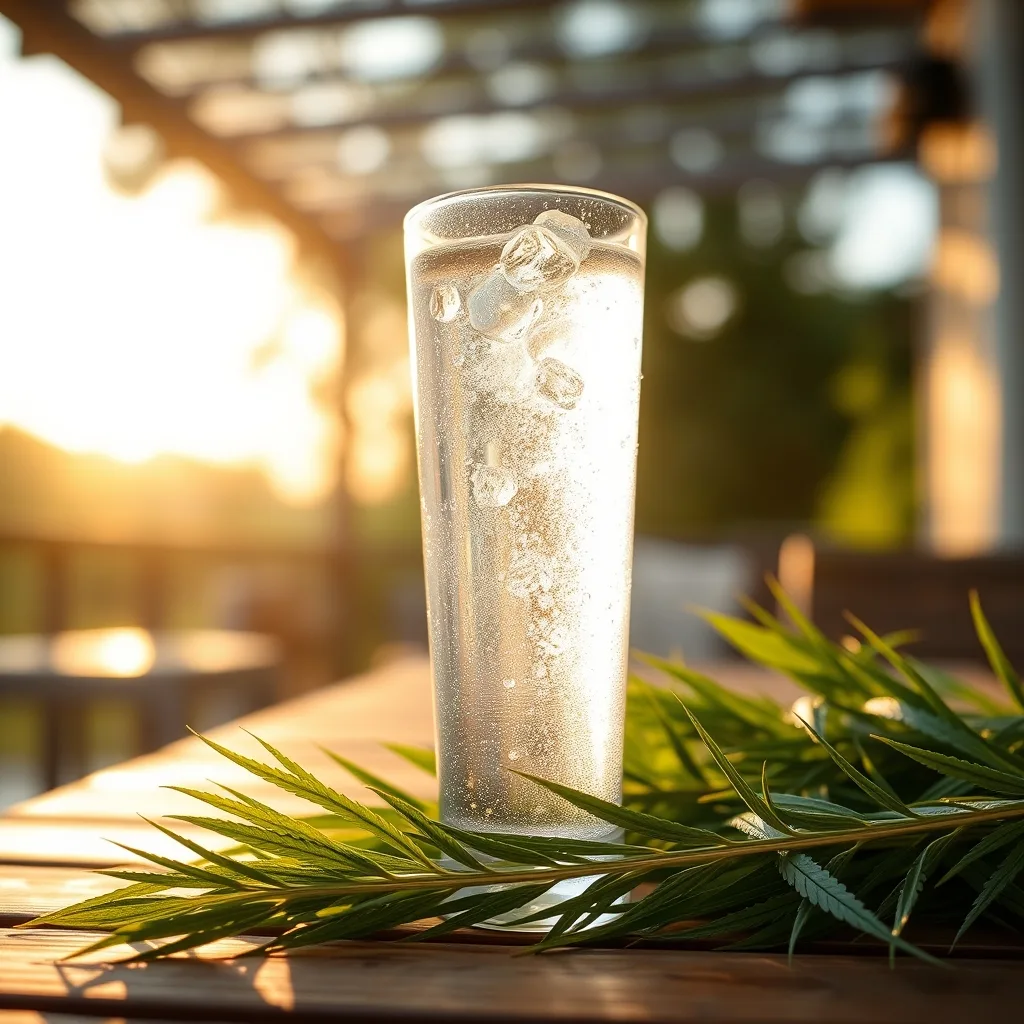
In recent years, the beverage world has seen a surge of innovative, low‑alcohol and non‑alcoholic options that promise both refreshment and functional benefits. Among these, cannabis‑infused sparkling water stands out as a curious blend of hydration, subtle flavor, and the nuanced effects of cannabinoids. Whether you’re a seasoned home‑infuser, a wellness enthusiast looking for a new way to incorporate hemp‑derived compounds, or simply curious about the craft, this guide walks you through everything you need to know to create a safe, enjoyable, and legally compliant sparkling water at home.
Key takeaways
- Use water-soluble cannabinoid powders or emulsified oils to ensure even distribution and avoid unwanted texture in your sparkling water.
- Always source cannabinoids from reputable, third-party tested manufacturers and verify the certificate of analysis for safety and potency.
- Start with a low dose of 2.5-5 mg for THC or 10-15 mg for CBD per serving to gauge your personal tolerance safely.
- Clearly label every batch with production dates, serving sizes, and cannabinoid content to ensure responsible consumption for all adults.
- Store beverages in refrigerated, dark containers to prevent light degradation and maintain the stability of the cannabinoid compounds.
Understanding Cannabis‑Infused Sparkling Water
At its core, cannabis‑infused sparkling water is a carbonated beverage that contains cannabinoids—most commonly cannabidiol (CBD) or tetrahydrocannabinol (THC)—dissolved or suspended in a water‑based matrix. Unlike traditional edibles, which often rely on fats to carry cannabinoids, water‑based infusions use emulsifiers, nano‑emulsion technology, or water‑soluble isolates to achieve a uniform distribution. This means the drink can be clear, lightly flavored, and free of the grainy texture sometimes associated with oil‑based infusions.
Key differences between CBD and THC water infusions include:
- CBD is non‑psychoactive and is often chosen for potential calming or anti‑inflammatory effects.
- THC produces psychoactive effects and is typically used for relaxation, creativity, or appetite stimulation.
Both compounds interact with the body’s endocannabinoid system, but the intensity and experience depend heavily on dosage, individual tolerance, and the presence of other ingredients.
Legal Landscape and Safety Considerations
Before you open a bottle of homemade cannabis‑infused sparkling water, you need to understand the legal framework in your jurisdiction. In the United States, for example, hemp‑derived CBD products containing less than 0.3% THC are federally legal, but many states impose additional restrictions. THC‑infused beverages are generally only legal in states that have legalized recreational or medical cannabis.
Safety should be your top priority:
- Always source cannabinoids from reputable, third‑party tested manufacturers. Look for certificates of analysis (COAs) that confirm potency and the absence of contaminants such as heavy metals, pesticides, and residual solvents.
- Start with a low dose—typically 2.5‑5 mg of THC or 10‑15 mg of CBD per serving—and increase gradually based on personal response.
- Label every batch clearly with cannabinoid content, production date, and recommended serving size.
- Keep infused beverages out of reach of children and pets.
Consult a healthcare professional if you are pregnant, nursing, have a chronic medical condition, or are taking medication that could interact with cannabinoids.
Choosing the Right Cannabis Ingredients
The quality of your final product hinges on the quality of the cannabis ingredient you start with. Here are the most common formats and what to look for:
- Broad‑Spectrum CBD Isolate: Pure CBD with no detectable THC. Ideal for those who want the benefits of CBD without any psychoactive effect.
- Full‑Spectrum Hemp Extract: Contains a full range of cannabinoids, terpenes, and flavonoids, including trace THC (≤0.3%). This can produce an “entourage effect” that some users find more balanced.
- THC Distillate: Highly concentrated THC, often 80‑95% purity. Requires careful dosing and may need further dilution before use.
- Water‑Soluble Cannabinoid Powder: Processed with carrier agents to become instantly soluble in water. These are the easiest to incorporate into sparkling water without additional emulsifiers.
When selecting a product, verify the following on the COA:
- Exact cannabinoid percentages (CBD, THC, CBG, etc.).
- Absence of residual solvents like butane or propane.
- Microbial limits (e.g., total yeast and mold count).
Equipment and Supplies You’ll Need
Creating a consistent, clear sparkling water does not require a professional lab, but a few key tools make the process smoother and more reliable:
- Carbonation System: A soda siphon, CO₂ tank with regulator, or a countertop soda maker (e.g., SodaStream). Choose a system that allows you to control carbonation levels, typically measured in volumes of CO₂ (1‑3 volumes is common for flavored waters).
- Precision Scale: A digital scale that measures to 0.01 g is essential for accurate dosing of cannabinoids.
- Mixing Vessel: A glass pitcher or stainless‑steel container with a tight‑fitting lid to prevent CO₂ loss.
- Emulsifier (if needed): Lecithin, gum arabic, or a commercial nano‑emulsion kit can help disperse oil‑based extracts evenly.
- Flavor Additives: Natural fruit juices, herbal extracts, or essential oils (food‑grade) for taste variation.
- Bottles: BPA‑free PET or glass bottles with airtight caps. Dark glass helps protect cannabinoids from light degradation.
Step‑by‑Step Recipe: Crafting Your Own Sparkling Water
Below is a detailed, scalable recipe that yields approximately 1 liter of cannabis‑infused sparkling water. Adjust the quantities proportionally for larger batches.
- Gather Ingredients:
- 1 L filtered, cold water (preferably mineral or spring water).
- 2 g of water‑soluble CBD isolate (≈20 mg CBD per 10 mL serving) or 0.5 g of THC distillate (≈5 mg THC per 10 mL serving) diluted with an emulsifier.
- ½ tsp food‑grade lecithin (if using oil‑based THC).
- 1‑2 Tbsp natural flavoring (e.g., freshly squeezed lemon juice, cucumber‑mint infusion, or a splash of cranberry juice).
- Optional: ¼ tsp sea salt to enhance flavor perception.
- Prepare the Cannabinoid Solution:
- If using a water‑soluble powder, simply whisk it into a small amount (≈100 mL) of warm water until fully dissolved.
- If using oil‑based THC, combine the distillate with lecithin in a separate glass jar. Add a few drops of warm water and blend with a handheld frother or mini‑blender until a smooth emulsion forms.
- Mix Base Water:
- Pour the remaining 900 mL of cold filtered water into your mixing vessel.
- Add the flavoring agents and sea salt (if using). Stir gently to integrate.
- Combine Cannabinoid Solution with Base:
- Slowly pour the dissolved cannabinoid mixture into the flavored water while stirring continuously. This ensures even distribution before carbonation.
- Carbonate:
- Transfer the mixture into your carbonation device according to the manufacturer’s instructions.
- Set the CO₂ pressure to achieve 2 volumes of carbonation (a pleasant fizz without overwhelming the palate).
- Carbonate for 30‑45 seconds, then gently shake the bottle once to release any large bubbles and achieve a smooth mouthfeel.
- Label and Store:
- Immediately label the bottle with cannabinoid content per 100 mL, production date, and suggested serving size (e.g., 100 mL = 2 mg CBD).
- Store in the refrigerator. Cannabinoids are relatively stable in cold, dark conditions for up to 3 weeks.
Enjoy your beverage responsibly. A typical serving (100‑150 mL) provides a mild dose that can be enjoyed any time of day, but avoid consuming large quantities in a short period.
Flavor Pairings and Customization Ideas
One of the most exciting aspects of crafting your own sparkling water is the ability to experiment with flavors that complement the subtle earthiness of cannabinoids. Here are five tried‑and‑tested pairings, each with a brief preparation note:
- Lemon‑Ginger: Combine 1 Tbsp fresh lemon juice with a ½ tsp grated ginger. The bright acidity cuts through any vegetal notes, while ginger adds a gentle warming sensation.
- Cucumber‑Mint: Muddle 4 thin cucumber slices and a few fresh mint leaves in a small amount of water before straining. This creates a clean, refreshing base perfect for daytime use.
- Berry‑Lavender: Blend ½ cup mixed berries, strain, and add 2‑3 drops of food‑grade lavender oil. The sweet‑tart profile works well with higher‑THC doses for a relaxing evening.
- Blood Orange‑Rosemary: Use freshly squeezed blood orange juice and a sprig of rosemary steeped for 5 minutes. The aromatic rosemary pairs nicely with CBD’s calming properties.
- Spiced Apple‑Cinnamon: Warm ½ cup apple juice with a cinnamon stick, then chill before adding to the water base. This is a cozy option for cooler months.
When adding any fresh ingredient, always strain the mixture to prevent pulp from clogging your carbonation system.
Storing, Dosing, and Serving Tips
Proper storage preserves both flavor and cannabinoid potency. Follow these guidelines:
- Temperature: Keep the beverage refrigerated (≤4 °C). Heat accelerates cannabinoid degradation.
- Light Exposure: Use dark glass bottles or keep PET bottles in a shaded cabinet. UV light can break down THC and CBD over time.
- Shelf Life: For water‑soluble isolates, expect up to 30 days of freshness. Nano‑emulsions may begin to separate after 2 weeks; give the bottle a gentle shake before serving.
- Dosing Consistency: Use a calibrated syringe or dropper to measure exact milligram amounts when preparing larger batches. Document each batch’s potency in a simple spreadsheet for future reference.
- Serving Size: A typical “light” serving is 100‑150 mL (≈3‑5 oz). Adjust based on personal tolerance, activity level, and whether you are using CBD (generally higher doses) or THC (lower doses).
- Pairing with Food: CBD‑infused water can be enjoyed with meals to potentially support digestion, while THC‑infused water may be savored after dinner to promote relaxation.
Integrating Into a Balanced Lifestyle
While cannabis‑infused sparkling water can be a pleasant addition to your routine, it works best when paired with broader wellness habits. Consider these complementary practices:
- Hydration: Even with cannabinoids, the primary purpose of the drink is to keep you hydrated. Aim for at least 2 L of total fluids per day, counting plain water, infused beverages, and other low‑calorie drinks.
- Movement: Light exercise, such as yoga or a brisk walk, can enhance the sense of calm that CBD provides and mitigate any potential lethargy from higher‑THC doses.
- Mindful Consumption: Keep a journal of how different doses affect mood, focus, and sleep. Over time, you’ll identify the sweet spot that aligns with your goals.
- Nutrition: Pair your infused water with a balanced diet rich in whole foods, healthy fats, and fiber. Cannabinoids are lipophilic, so a modest amount of dietary fat can aid absorption when using oil‑based extracts.
- Sleep Hygiene: If you use THC‑infused water for evening relaxation, create a wind‑down routine—dim lights, limit screens, and allow at least 30 minutes after consumption before bedtime.
By viewing cannabis‑infused sparkling water as one component of a holistic approach, you can enjoy its benefits without relying on it as a sole solution for stress, sleep, or wellness.
Frequently Asked Questions
1. How long does it take to feel the effects of a cannabis‑infused sparkling water?
Onset varies by individual and by the type of cannabinoid used. CBD typically begins to be felt within 30‑60 minutes, while THC may take 45‑90 minutes because it must be absorbed through the digestive tract. Factors such as an empty stomach, metabolism, and tolerance influence timing.
2. Can I use regular soda water instead of a carbonated system?
Yes, you can purchase pre‑carbonated club soda or sparkling mineral water. Just ensure the water is cold and add your cannabinoid solution before sealing the bottle. However, using a dedicated carbonation device gives you more control over fizziness and reduces the risk of over‑carbonation.
3. Are there any health risks associated with daily consumption?
When consumed responsibly and within recommended dosages, cannabis‑infused beverages are generally considered low‑risk for most adults. Potential concerns include interactions with certain medications, impaired motor skills at higher THC doses, and the possibility of developing tolerance over time. Always consult a healthcare professional if you have underlying conditions.
4. How can I make the drink completely THC‑free while still enjoying a “buzz”?
A true “buzz” is linked to THC’s psychoactive properties. If you wish to avoid THC, focus on higher‑dose CBD formulations (e.g., 30‑50 mg per serving) combined with terpenes like limonene or myrcene, which can produce subtle mood‑enhancing effects without intoxication.
5. What is the best way to clean my carbonation equipment after using cannabinoid mixtures?
Disassemble the soda siphon or carbonation bottle according to the manufacturer’s guide. Rinse each component with warm, soapy water, then run a cycle of plain carbonated water through the system to flush out any residual oil or emulsifier. Finally, sanitize with a mild vinegar solution (1 part vinegar to 3 parts water) and rinse thoroughly.
Related posts:
 Mandy Moore’s CBD Oil Secret for High Heels
 THC vs CBD: Which Is Better for Beginners?
 Prima’s Hemp Education Guide
 Testing Aceso Cannabis Drink Powders
 Dirty Little Secret: The CBD Drink That’s Surprisingly Clean
 The Best National CBD Day Sales to Shop Right Now
 Beauty Meets Wellness: The CBD Oil Mascara That’s Breaking All the Rules
 The CBD Product Guide That Cuts Through the Overwhelming Hype