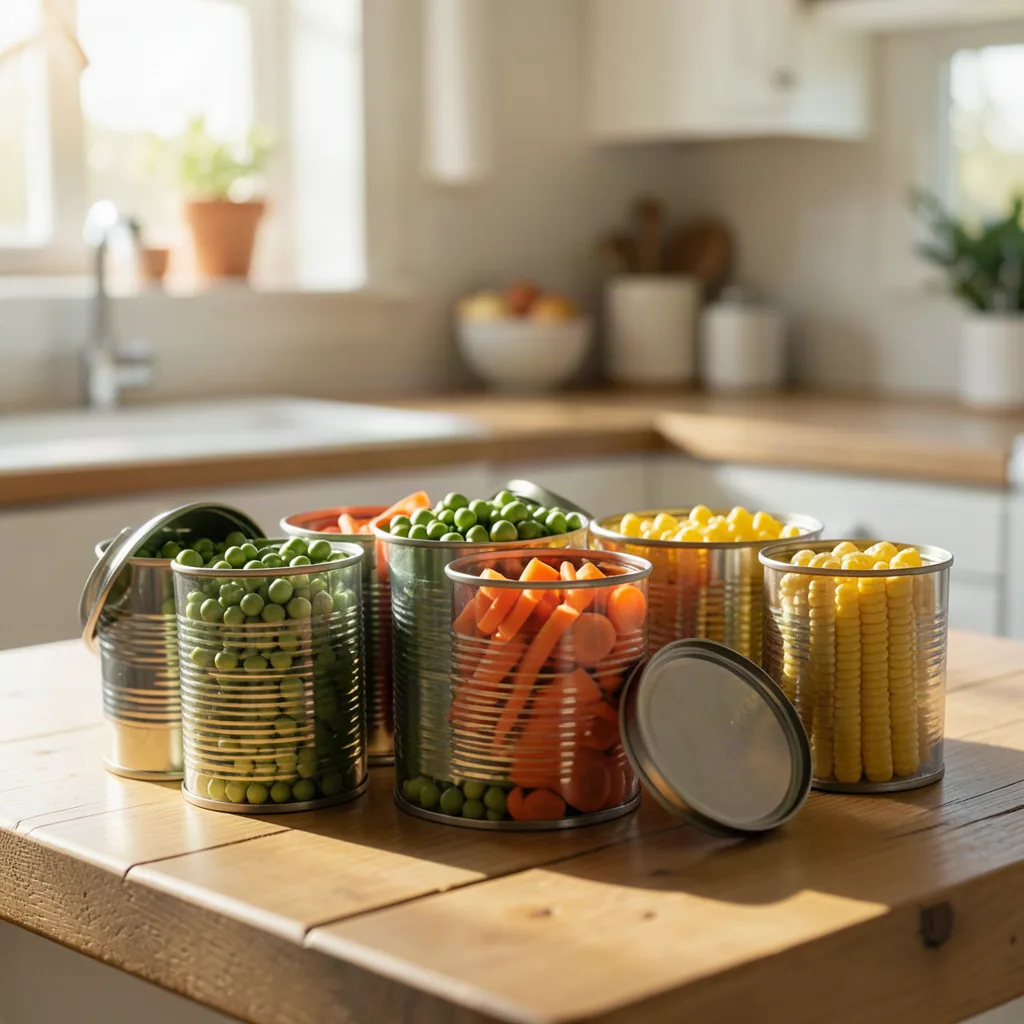
When the pantry door swings open, many home cooks still reach for fresh produce first, assuming that anything in a can must be a nutritional compromise. The reality is more nuanced. Modern canning technology locks in vitamins, minerals, and phytonutrients at peak ripeness, often delivering a product that rivals or even exceeds the nutrient density of vegetables that have spent days in transit and on store shelves. This article explores the science behind the canned veggie comeback, offers practical label‑reading strategies, shares budget‑friendly recipes, and explains why keeping a few cans on hand can be a smart move for health, wallet, and planet.
Key takeaways
- Choose no-salt-added or low-sodium varieties and rinse under cold water to reduce sodium content by up to 40 percent.
- Store cans in a cool, dry place and discard any that show signs of damage like bulging, rust, or deep dents.
- Drain and pat canned vegetables dry before roasting or sautéing to achieve better texture and caramelization.
- Transfer unused portions from opened cans into glass or BPA-free containers and refrigerate for up to four days.
The Nutritional Profile of Canned Veggies
Canned vegetables are harvested at their nutritional peak and processed within hours. Heat treatment deactivates enzymes that would otherwise degrade vitamins such as C and certain B‑complex nutrients. While some water‑soluble vitamins experience modest losses, fat‑soluble vitamins A, D, E, and K remain largely intact. Minerals like potassium, magnesium, and iron are stable through the canning process. Studies from the USDA show that canned tomatoes often contain higher lycopene levels than fresh counterparts because heat makes this antioxidant more bioavailable. Similarly, canned pumpkin delivers a concentrated dose of beta‑carotene. The key is to choose varieties packed in water or their own juice rather than heavy syrups or sauces.
How Canning Preserves Nutrients
The canning sequence — blanching, filling, sealing, and heat sterilization — creates an anaerobic environment that halts microbial growth and oxidative reactions. Blanching times are calibrated to inactivate enzymes without overcooking. The sealed metal can acts as a barrier to light and oxygen, two major drivers of nutrient loss in fresh produce stored at home. Because the product is shelf‑stable for years, the nutrient profile at the moment of opening is essentially the same as it was at the factory. This stability is especially valuable for nutrients that degrade quickly in fresh vegetables, such as folate in spinach or vitamin C in green beans.
Comparing Fresh, Frozen, and Canned
Each form has a place in a balanced diet. Fresh vegetables shine when eaten shortly after harvest, offering crisp texture and maximal vitamin C. Frozen vegetables are typically flash‑frozen within hours of picking, preserving most nutrients and offering convenience without added sodium. Canned vegetables excel in shelf life, cost per serving, and readiness for soups, stews, and casseroles. A 2022 review in the Journal of Food Science found that, on a per‑serving basis, canned corn, peas, and carrots delivered comparable fiber and mineral content to frozen equivalents, while often costing 30‑50 percent less. The decision matrix should weigh recipe needs, storage space, and budget rather than a blanket hierarchy.
Reading Labels: Sodium, Additives, and BPA
Not all cans are created equal. The nutrition facts panel reveals sodium levels that can range from 5 mg to over 400 mg per half‑cup serving. Opt for “no salt added” or “low sodium” versions and rinse under running water to cut sodium by up to 40 percent. Check the ingredient list for preservatives such as calcium chloride, which firms texture but adds negligible sodium. Many brands now use BPA‑free linings; look for “BPA‑free” on the label or choose glass jars when possible. Organic certifications guarantee the produce was grown without synthetic pesticides, which may matter for those seeking to minimize exposure.
Creative Ways to Use Canned Vegetables
Beyond the classic green bean casserole, canned vegetables can star in vibrant dishes. Blend canned roasted red peppers into a smoky hummus, stir canned artichoke hearts into a lemon‑garlic pasta, or fold canned corn into a quick cornbread batter. For a protein‑packed breakfast, sauté canned spinach with eggs and feta. Puree canned pumpkin into a spiced soup, then swirl in coconut milk for richness. Use canned beets to add earthy sweetness to a quinoa salad, or mash canned sweet potatoes with a pinch of cinnamon for a speedy side. The uniform texture of canned veg makes them ideal for sauces, dips, and baked goods where consistent moisture matters.
Budget-Friendly Meal Planning with Canned Produce
A well‑stocked canned aisle can slash grocery bills. A 15‑ounce can of mixed vegetables often costs under a dollar and yields three servings. Build a weekly menu around “canned‑core” meals: chili with canned beans and tomatoes, shepherd’s pie topped with canned peas and carrots, or a Mediterranean grain bowl featuring canned chickpeas, olives, and roasted peppers. Pair cans with bulk grains, dried legumes, and seasonal fresh produce for variety. Planning meals around shelf‑stable items also reduces impulse purchases and food waste, because you can use exactly what you need and keep the rest for months.
Sustainability and Food Waste Reduction
Canned vegetables contribute to a more sustainable food system in several ways. The long shelf life means fewer trips to the store, lowering transportation emissions per serving. Canning facilities often locate near growing regions, shortening the supply chain. Metal cans are among the most recycled packaging materials worldwide, with recycling rates exceeding 70 percent in many countries. By keeping a reserve of canned produce, households can avoid discarding wilted fresh vegetables that spoil before use. Additionally, the energy required to produce a can is offset by the reduced need for refrigeration and the prevention of methane‑generating food waste in landfills.
Safety Tips and Storage Best Practices
Store cans in a cool, dry place away from direct sunlight; temperatures above 85 °F can accelerate quality loss. Inspect each can before use — discard any with dents on the seams, bulging ends, rust, or leaks, as these may indicate compromised seals. Once opened, transfer unused portions to a glass or BPA‑free plastic container and refrigerate, consuming within three to four days. Never heat food directly in the can; the lining can break down at high temperatures. For emergency preparedness, rotate stock using a first‑in, first‑out system and keep a manual can opener on hand.
Maximizing Flavor and Texture: Cooking Techniques for Canned Vegetables
Drain the canning liquid first; it often carries excess sodium and a metallic taste that can dull a dish. A quick rinse under cold water removes up to forty percent of the salt while preserving the vegetable’s cell structure. Pat the pieces dry with paper towels before they hit a hot pan — surface moisture is the enemy of browning.
Sauté in a thin film of high‑smoke‑point oil such as avocado or grapeseed. Keep the pan crowded enough to create steam but not so full that the pieces stew. A splash of acid — lemon juice, sherry vinegar, or a dash of hot sauce — added at the end brightens the flavor and counters any residual tinny note.
For deeper caramelization, spread the vegetables on a rimmed baking sheet and roast at 425 °F for ten to fifteen minutes, turning once. The dry heat evaporates remaining water, concentrating natural sugars and producing crisp edges that mimic fresh‑roasted produce.
When a recipe calls for a sauce or soup base, reserve a portion of the canning liquid, reduce it by half, and whisk in a cornstarch slurry. The starch thickens without clouding, and the reduced liquid adds a subtle umami backbone that commercial broths lack.
Air‑fryer baskets work surprisingly well for canned corn, chickpeas, or diced potatoes. Toss with a pinch of smoked paprika, garlic powder, and a drizzle of olive oil, then air‑fry at 380 °F for eight minutes, shaking halfway. The result is a crunchy, snack‑ready component that can top salads, grain bowls, or tacos.
Canned Vegetables in Specialized Diets: Low‑Sodium, Keto, Low‑FODMAP, and Vegan Strategies
Beyond the standard rinse, low‑sodium eaters can soak canned beans or vegetables in fresh water for fifteen minutes, then drain again. This two‑step method cuts sodium an additional ten to fifteen percent without sacrificing texture.
Keto followers should prioritize low‑carb varieties: green beans, spinach, artichoke hearts, and mushrooms. A half‑cup of canned spinach delivers roughly one gram net carbs while supplying magnesium and iron — key electrolytes on a ketogenic plan. Pair with a high‑fat dressing such as avocado‑lime mayo to meet macro targets.
Low‑FODMAP diets tolerate canned carrots, green beans, and firm tofu (often packed in water) but avoid canned onions, garlic, or legumes unless they are labeled “low‑FODMAP” and have been rinsed thoroughly. The canning process can leach fructans into the liquid, so discarding that liquid is essential.
Vegan meal builders can combine canned chickpeas, black beans, and lentils with canned tomatoes and roasted red peppers for a complete protein matrix. Adding a spoonful of nutritional yeast or a splash of tamari supplies B‑vitamins and a savory depth that replaces cheese or meat.
For diabetic meal planning, the glycemic index of canned vegetables is generally low, but watch for added sugars in sweetened corn or glazed carrots. Choose “no sugar added” labels and pair with a source of healthy fat or protein to blunt post‑prandial glucose spikes.
Home Canning vs. Commercial Canning: What the Differences Mean for Nutrition and Safety
Commercial facilities use high‑speed pressure retorts that reach 250 °F in seconds, delivering a uniform lethal dose to Clostridium botulinum spores while limiting nutrient exposure to heat. Home pressure canners typically operate at 240 °F and require longer hold times, which can increase vitamin C loss by an extra five to ten percent.
Acidification is the pivotal safety lever for low‑acid foods. Commercial lines add calibrated citric acid or lemon juice concentrate to guarantee a pH below 4.6. Home canners must follow tested recipes precisely; a half‑teaspoon error can raise pH enough to permit toxin formation.
Nutrient retention studies show that home‑canned tomatoes retain ninety percent of lycopene when processed within two hours of harvest, comparable to factory output. However, home‑canned green beans often show a fifteen percent greater folate decline because blanching times are longer in a domestic kitchen.
Cost analysis reveals that a twelve‑jar batch of home‑canned beans costs roughly $0.30 per serving after accounting for jars, lids, and energy, while a commercial can averages $0.45. The trade‑off is time: a full day of prep, processing, and cooling versus a five‑minute grocery run.
Safety certifications differ. Commercial cans carry a USDA‑inspected seal and a traceable lot code. Home jars rely on the canner’s adherence to USDA guidelines; a broken seal or improper headspace can go unnoticed until spoilage appears. Investing in a reliable dial‑gauge pressure canner and a yearly gauge check mitigates this risk.
Canned Produce in Institutional and Community Settings: Schools, Food Banks, and Emergency Shelters
School nutrition programs leverage canned vegetables to meet USDA’s “vegetable subgroup” requirements while staying within tight per‑meal budgets. A 15‑ounce can of mixed vegetables supplies three half‑cup servings at under $0.25 each, allowing districts to allocate funds to fresh fruit or whole‑grain upgrades.
Food banks prioritize shelf‑stable, nutrient‑dense cans because they survive long distribution chains without refrigeration. Partnering with local canneries for “seconds” — produce with cosmetic imperfections — reduces waste and supplies high‑quality product at a fraction of retail cost.
Emergency shelters design rotating menus around a core set of ten canned items: diced tomatoes, corn, green beans, carrots, peas, mixed beans, pumpkin, beets, spinach, and potatoes. This limited inventory simplifies inventory management, ensures consistent micronutrient delivery, and supports culturally familiar recipes such as chili, stew, and casseroles.
Senior meal‑delivery services use pre‑portioned canned veg to control sodium and portion size. Nutritionists formulate recipes that combine a can of low‑sodium carrots with a packet of instant brown rice and a sachet of herb blend, yielding a balanced plate that meets the Older Americans Act nutrition standards.
Training staff on label literacy — spotting “no salt added,” “BPA‑free,” and “organic” — empowers them to make procurement decisions that align with health equity goals. Bulk purchasing agreements with regional co‑ops further lower unit cost and shorten supply lines.
Life‑Cycle Environmental Impact: Beyond Recycling Rates
A full life‑cycle assessment (LCA) of a steel can shows that raw‑material extraction and primary steel production account for roughly fifty-five percent of the carbon footprint, while the canning process itself contributes twenty percent. The remaining twenty‑five percent stems from transportation, end‑of‑life recycling, and avoided food waste.
Aluminum cans, lighter by thirty percent, cut transport emissions but require more energy per kilogram to produce. When the electricity grid is decarbonized, aluminum’s advantage narrows; in coal‑heavy regions steel remains competitive.
Water usage in canning facilities is dominated by blanching and cooling loops. Closed‑loop water recovery systems can reclaim up to eighty percent of process water, reducing the water‑footprint per can to under 0.2 liters — far less than the irrigation needed for equivalent fresh produce that may spoil before consumption.
Food‑waste avoidance is the single largest environmental benefit. A USDA model estimates that each household that keeps a three‑month canned reserve prevents an average of twelve pounds of fresh vegetable waste annually, translating to a methane reduction of 0.3 kg CO₂e per pound avoided.
Policy levers such as extended producer responsibility (EPR) for metal packaging and incentives for renewable‑energy‑powered canneries can shift the industry toward a circular economy where cans are collected, melted, and reformed with minimal virgin material input.
Advanced Meal‑Prep Systems: Batch Cooking, Freeze‑After‑Open, and Portion‑Control Hacks
Design a “canned‑core” batch cook once a week: sauté a large pot of onions, garlic, and canned diced tomatoes, then divide into four quart‑size containers. Each portion becomes the base for chili, shakshuka, pasta sauce, or a quick braise — just add protein, grains, or fresh greens.
After opening a can, transfer leftovers to a silicone muffin tin, freeze solid, then pop the frozen pucks into a zip‑top bag. One puck equals a half‑cup serving, ready for stir‑fries, omelets, or smoothies without thawing the entire can.
Vacuum‑seal opened cans in portion‑size bags using a handheld sealer. Removing air halts oxidation, preserving color and vitamin C for up to three months in the freezer. Label each bag with the vegetable type, opening date, and intended recipe to avoid mystery meals.
For macro‑tracking, weigh each frozen portion on a kitchen scale and log the exact gram weight in a nutrition app. Canned vegetables have consistent density, so a 120‑gram puck of green beans reliably delivers 4 g fiber, 2 g protein, and 35 kcal.
Reheat frozen portions directly in a microwave‑safe bowl with a splash of water, covering loosely. Stir halfway through to distribute heat evenly; this prevents the mushy texture that can develop when canned veg sit in a sauce for too long.
Innovations in Can Linings, Smart Packaging, and Traceability
Next‑generation epoxy‑phenolic linings replace bisphenol‑A with plant‑based oleoresin polymers that maintain barrier performance while eliminating estrogenic activity. Independent migration testing shows less than 0.1 ppb of any detectable monomer after twelve months at 40 °C.
Some brands embed a QR code on the lid that links to a blockchain ledger recording farm origin, harvest date, canning timestamp, and transport temperature logs. Scanning the code gives the consumer a verifiable provenance chain — valuable for organic certification and allergen transparency.
Active packaging research integrates oxygen‑scavenging sachets into the headspace, extending shelf life of high‑fat vegetables like canned olives by up to eighteen months without additional preservatives. The sachets are food‑grade iron powder that rusts harmlessly, consuming residual O₂.
Freshness sensors printed on the label change color when the internal pH shifts beyond a safe threshold, providing a visual cue for compromised seals. Pilot programs in Europe have reduced consumer‑level spoilage reports by twenty‑seven percent.
Manufacturers are also exploring compostable polymer linings derived from polylactic acid (PLA) blended with nanocellulose. Early trials show comparable barrier properties for low‑acid foods, and the entire can — metal plus lining — can be processed in existing steel recycling streams after a brief thermal separation step.
Frequently Asked Questions
Are canned vegetables less nutritious than fresh?
Not necessarily. Canning captures produce at peak ripeness and protects many nutrients from degradation during transport and storage. Some antioxidants, like lycopene in tomatoes, become more bioavailable after heat processing.
How can I reduce sodium in canned vegetables?
Choose “no salt added” or “low sodium” labels, and rinse the vegetables under cold water for 30 seconds. This simple step can cut sodium content by roughly 40 percent.
Is BPA a concern with canned foods?
Many manufacturers have switched to BPA‑free linings. Look for “BPA‑free” on the label or select products in glass jars if you prefer to avoid any potential exposure.
Can I use canned vegetables in baking?
Yes. Pureed canned pumpkin, sweet potato, or beet adds moisture and natural sweetness to muffins, breads, and brownies. Drain excess liquid and pat dry if the recipe calls for a drier texture.
How long do canned vegetables last after the “best by” date?
If the can remains intact and stored properly, the contents are safe indefinitely, though quality — flavor, texture, color — may slowly decline after the printed date. Use your senses; discard any product with off odors, discoloration, or a compromised seal.
Related posts:
 The 2018 Dirty Dozen List That Will Change How You Shop for Produce
 BPA Found in Popular Sports Bras
 Toxic Chemicals in Store Receipts
 Delicious White Bean Sandwich Recipe
 Blow Drying Hair Without Damage: Expert Tips
 The Game-Changing 50 Percent Rule That Makes Eating Vegetables Effortless
 Essential Healthy Grocery List
 Healthy Canned Foods Worth Stocking Up On