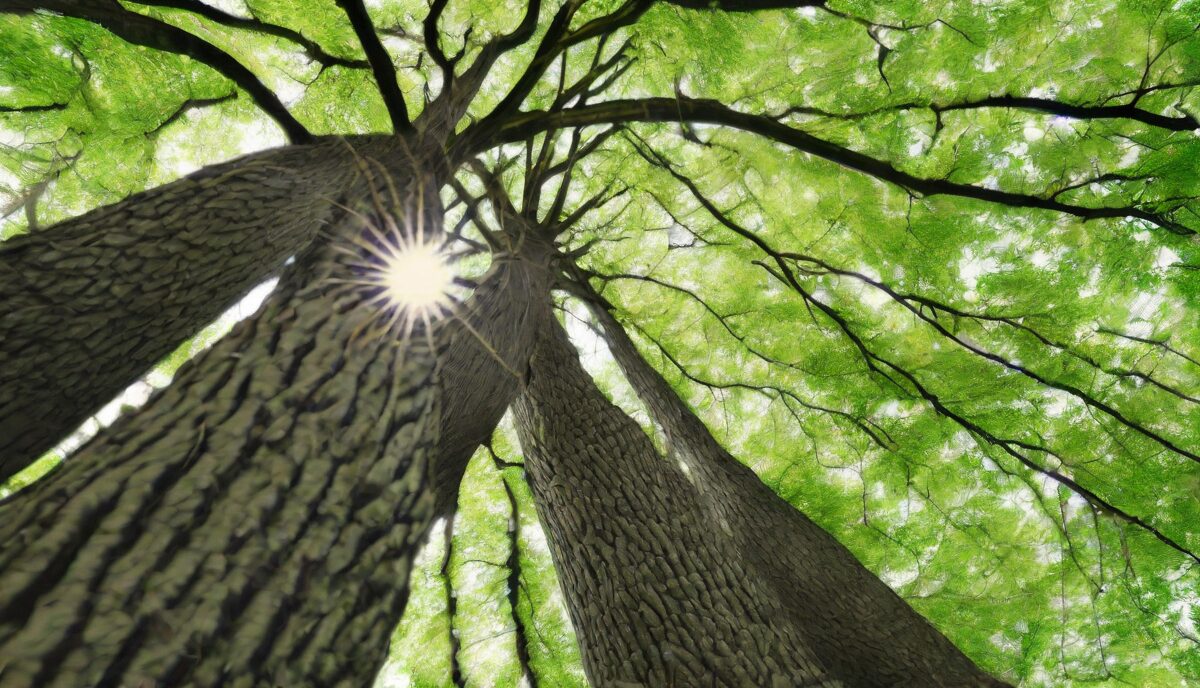
Nurturing Our Tree Friends
Trees are amazing organisms that provide oxygen, shade, food, and homes for wildlife. We depend on them for so many benefits. Let’s explore how we can nurture our tree friends and show them compassion.
Challenges Facing Trees
- Climate change
- Deforestation
- Diseases and pests
- Pollution
- Lack of water
Many trees face existential threats from human activity. The good news is we can help counter these threats by caring for trees in our neighborhoods and protecting forests globally.
Providing Trees With Care
Water trees, especially when young
Newly planted and young trees need plenty of water to establish deep roots. Be sure to water them thoroughly and regularly.
Mulch around trees
Mulch helps retain soil moisture and regulate soil temperature. Spread 2-4 inches around the base of trees.
Prune trees minimally and properly
Incorrect pruning can damage trees. Learn proper technique and prune only when necessary.
Advocating For Trees
Beyond direct care, we can advocate for trees in our communities and globally by:
- Supporting tree planting programs
- Asking leaders to expand urban forests
- Protecting forests from logging
- Speaking out against deforestation
Living Gently With Trees
Ultimately trees nurture us. As we care for them, may we live gently through:
- Consuming less and wasting less
- Driving and flying less
- Using recycled paper goods
- Choosing sustainable wood products
Deep-Root Irrigation Strategies for Arid Environments
While surface watering is standard for young saplings, mature trees in drought-prone regions often require more specialized delivery systems to thrive. During prolonged heatwaves, simply wetting the surface encourages shallow root growth, leaving the tree vulnerable to toppling during storms. Instead, utilize deep-root irrigation stakes or “gator bags” that release water slowly over several hours. This method forces moisture deep into the subsoil, encouraging roots to grow downward where the earth stays cooler and more stable. For homeowners with clay-heavy soil, implement a slow-drip “soak” cycle; applying water for thirty minutes at a low flow rate prevents runoff and ensures the moisture infiltrates the heavy soil structure rather than evaporating on the surface.
The Science of Mycorrhizal Fungi and Soil Health
The health of a tree is often dictated by what happens beneath the surface, specifically the symbiotic relationship between roots and mycorrhizal fungi. These microscopic organisms form a network that extends the reach of a tree’s root system, allowing it to absorb minerals and water that would otherwise be inaccessible. To nurture this ecosystem, avoid over-fertilizing with synthetic products, which can suppress natural fungal activity. Instead, practice “living mulch” techniques by planting native groundcovers or clover beneath the canopy. These companions fix nitrogen and provide shade for the soil, keeping the fungal colonies active. If planting a new tree, consider inoculating the root ball with a commercially available mycorrhizal supplement to jumpstart this essential biological partnership from day one.
Mastering Structural Pruning for Long-Term Resilience
Pruning is often misunderstood as a purely aesthetic task, but it is actually a vital architectural intervention. Structural pruning, performed during the first decade of a tree’s life, focuses on developing a strong “central leader”—a single, dominant trunk that resists splitting during high winds. Identify and remove co-dominant stems (branches that compete with the main trunk) early, as these often form “included bark,” a structural weakness where the tree’s own growth creates a seam prone to snapping. By making precise cuts at the branch collar—the swollen area where the branch meets the trunk—you allow the tree to compartmentalize the wound naturally, sealing it off from decay-causing fungi. Never use wound paint; modern arboriculture dictates that trees heal best when left to “paint” themselves with their own internal resins.
Identifying and Managing Urban Stressors
Trees living in urban environments face unique “metabolic” stressors, such as the heat island effect caused by asphalt and concrete. These surfaces absorb and radiate heat, significantly increasing the transpiration rate of nearby trees. To mitigate this, ensure that the tree pit or planting area is as large as possible to allow for gas exchange in the soil. Soil compaction is the silent killer of urban trees; when humans and vehicles compress the earth, they crush the air pockets that roots require for respiration. If you notice a tree struggling in a high-traffic area, consider installing a permeable paving system or a decorative fence that discourages foot traffic over the root zone, effectively “de-compacting” the soil and giving the tree room to breathe.
The Art of Species Selection for Climate Adaptation
The most compassionate act a tree steward can perform is selecting the right species for the next fifty years of climate change. Rather than choosing trees based solely on current local conditions, look at the projected USDA hardiness zone shifts for your region. Choose “climate-resilient” species that are native to slightly warmer, drier zones than your current location. Diversity is your best defense against catastrophic loss; if a specific pest or disease targets a single species (such as the Emerald Ash Borer did to Ash trees), a monoculture neighborhood will lose its entire canopy. Aim for a mix of deciduous and evergreen species, and prioritize those that provide high-quality forage for local pollinators, creating a “living corridor” that supports birds and insects as well as human residents.
Recognizing Early Warning Signs of Pathogens
Trees are excellent at masking illness until it is far advanced, so proactive monitoring is essential. Regularly inspect the bark for “frass” (sawdust-like debris), which indicates wood-boring insects, or weepings and lesions that may suggest bacterial infections. Changes in leaf color, such as chlorosis (yellowing between the veins), often indicate a nutrient deficiency caused by soil pH imbalances rather than a lack of water. If you notice a sudden “die-back” in the crown or unusual fungal fruiting bodies (mushrooms) growing directly on the trunk, consult a certified arborist immediately. Early diagnosis—such as identifying a systemic infection before it spreads to the cambium—can mean the difference between a simple treatment plan and the eventual removal of a mature giant.
Creating Wildlife Micro-Habitats Within the Canopy
To truly nurture a tree, treat it as a cornerstone for a larger ecosystem rather than a solitary object. You can enhance the biodiversity of your yard by installing birdhouses, bat boxes, or insect hotels in the upper reaches of the tree. These additions provide essential services: bats consume thousands of mosquitoes, and birds keep caterpillars and beetles in check, reducing the need for chemical pesticides. When branches eventually die, consider leaving a “snag”—a standing dead section of the tree—if it does not pose a safety risk. These dead limbs are the primary nesting grounds for woodpeckers and owls, providing critical habitat that is increasingly rare in modern, manicured landscapes.
FAQ
What are the benefits of trees?
Trees provide oxygen, store carbon, prevent soil erosion, create shade, provide habitat, reduce flooding, supply food and wood products, and have aesthetic beauty.
How often should trees be watered?
Trees should be watered 1-2 times per week for the first two years after planting, and during drought conditions. Established trees may not need additional watering.
What is the proper way to prune trees?
Proper pruning technique involves always making clean cuts just outside the branch collar, and avoiding topping or removing too many branches.
How can I advocate for trees in my area?
You can advocate for trees by supporting local tree planting programs, asking city planners to expand tree canopy cover, and speaking out against unnecessary tree removal.
How does sustainable wood harvesting work?
Sustainable wood harvesting focuses on selecting mature trees and regenerating the forest through replanting. It follows best practices to protect water, soil, and habitat.
Related posts:
 Caring for Plants During Extreme Heat Waves
 The Australian Cult Classic That’s About to Replace Your Entire Medicine Cabinet
 The Climate Crisis Is a Public Health Emergency
 The Science Behind Tree Hugging
 Beginner-Friendly Fruits to Grow
 Blooming Beautiful: China’s Incredible Floral Transformation
 Mini Indoor Trees for Your Home
 How to Propagate Succulents