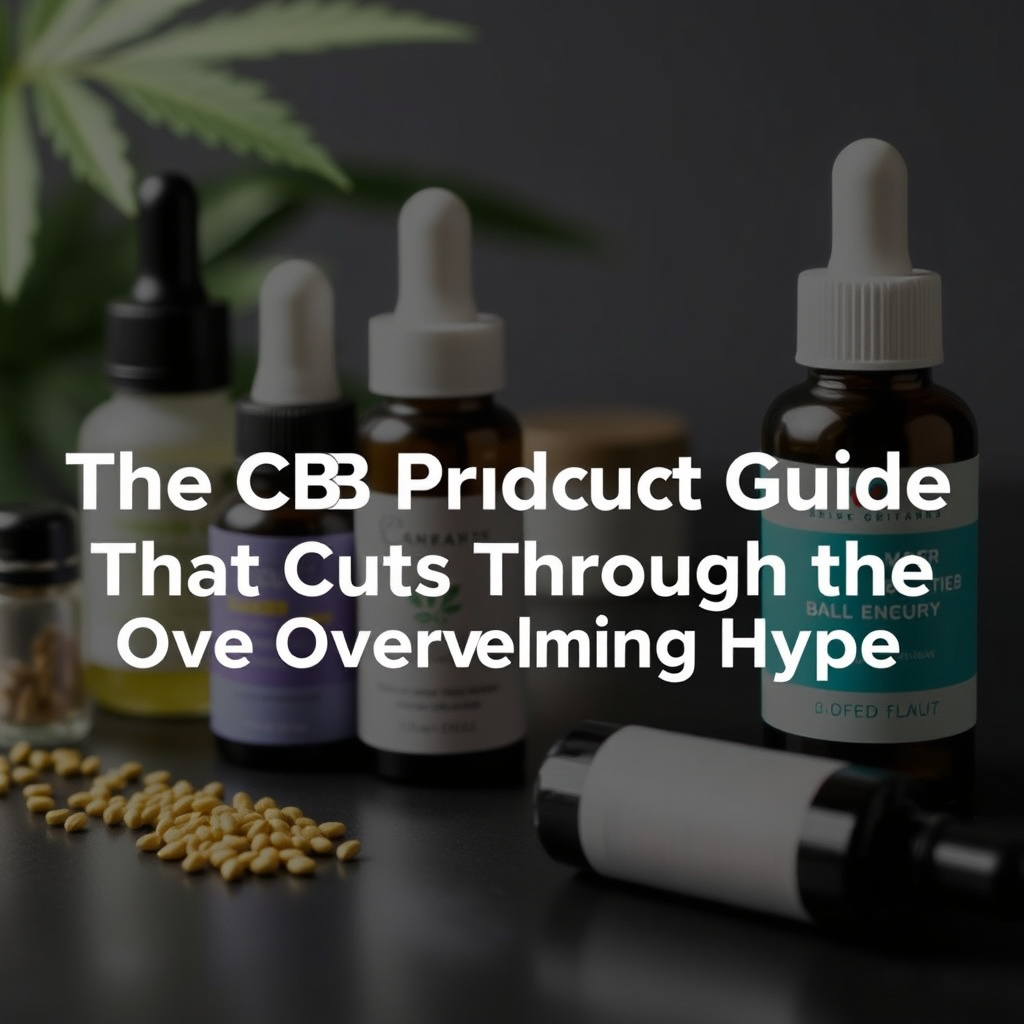
Walking into a CBD store or browsing an online marketplace today can feel like entering a digital wild west. Between the glossy packaging, the bold claims of “miracle cures,” and a dizzying array of terminology like “broad spectrum” and “isolates,” it is easy to feel overwhelmed. For many, the desire to explore the potential benefits of cannabidiol (CBD) is often met with a wall of marketing hype that obscures the actual science.
The truth is that CBD is a complex compound with a variety of applications, but its effectiveness depends entirely on the quality of the product, the method of delivery, and the individual’s unique chemistry. To make an informed decision, you don’t need a degree in pharmacology, but you do need a framework for evaluating what you are buying. This guide is designed to strip away the noise and provide you with a practical, transparent roadmap for navigating the CBD landscape.
Understanding the Basics: CBD vs. THC
To understand CBD, we first have to distinguish it from its more famous sibling, THC (tetrahydrocannabinol). Both are cannabinoids—compounds found in the cannabis plant—but they interact with the human body in fundamentally different ways.
THC is the primary psychoactive component of cannabis. It binds strongly to CB1 receptors in the brain, creating the “high” associated with marijuana. While it has therapeutic uses, it can also cause anxiety or impaired coordination in some users.
CBD, on the other hand, is non-psychoactive. It does not produce a feeling of euphoria or intoxication. Instead of binding directly to the same receptors as THC, CBD acts more like a modulator. It interacts with the Endocannabinoid System (ECS), a complex cell-signaling system that helps regulate homeostasis—the body’s internal balance—including sleep, mood, appetite, and immune response.
When you see products labeled as “hemp-derived,” it generally means the CBD was extracted from industrial hemp, a variety of cannabis specifically bred to contain very low levels of THC (legally, less than 0.3% in the US). This allows users to access the properties of the plant without the intoxicating effects.
Decoding the Labels: Full Spectrum, Broad Spectrum, and Isolate
One of the most confusing parts of shopping for CBD is choosing between the three main types of extracts. The difference lies in which other compounds from the plant are kept in the final product.
Full Spectrum CBD
Full spectrum products contain all the cannabinoids, terpenes, and flavonoids naturally found in the hemp plant, including a legal trace amount of THC (under 0.3%). Proponents of full spectrum CBD point to the “entourage effect,” the theory that these compounds work synergistically to enhance the effects of CBD. For many, this provides a more robust experience, though the trace THC may be a concern for those who are highly sensitive or subject to strict drug testing.
Broad Spectrum CBD
Broad spectrum is the middle ground. It contains a wide array of cannabinoids and terpenes, but the THC has been specifically filtered out. This is an ideal choice for individuals who want the benefits of the entourage effect without any THC whatsoever.
CBD Isolate
Isolate is the purest form of CBD, typically appearing as a crystalline powder. Through a rigorous refining process, every other compound is removed, leaving 99% pure CBD. While it lacks the synergistic benefits of the other plant compounds, it is the most predictable option and is often preferred by those who want a precise dose or have severe sensitivities to other cannabinoids.
Choosing the Right Delivery Method
How you take CBD changes how quickly it enters your bloodstream and how long it lasts. There is no “best” method, only the method that best suits your specific goals.
- Tinctures and Oils: These are usually taken sublingually (under the tongue). This allows the CBD to enter the bloodstream directly through the mucous membranes, bypassing the digestive system for faster onset (typically 15-45 minutes).
- Edibles and Gummies: These are processed through the liver (first-pass metabolism). While they take longer to kick in (1-2 hours), the effects often last longer. They are ideal for those who dislike the earthy taste of hemp oil.
- Capsules: Similar to edibles, capsules are digested. They offer a precise, pre-measured dose and are convenient for those who want a consistent daily routine.
- Topicals (Creams and Balms): These are applied directly to the skin. They do not enter the bloodstream in significant amounts; instead, they interact with local cannabinoid receptors in the skin and muscle tissue. They are best for localized discomfort.
- Vaping and Inhalation: This is the fastest delivery method, with effects felt almost instantly. However, it is the most taxing on the lungs and can be irritating for some users.
How to Read a COA (Certificate of Analysis)
If a CBD company does not provide a Certificate of Analysis (COA), do not buy their product. Period. The COA is the only way to verify that the product contains what the label claims and is free from dangerous contaminants.
A COA is a document produced by an independent, third-party laboratory. When reviewing one, look for these three critical markers:
- Potency: Check the “Cannabinoid Profile.” Does the amount of CBD listed match the amount on the bottle? If the bottle says 1,000mg but the lab report says 600mg, the company is being dishonest.
- Pesticides and Heavy Metals: Hemp is a bioaccumulator, meaning it sucks up everything from the soil. If the hemp was grown in contaminated soil, the CBD oil could contain lead, arsenic, or mercury. The COA should show that these are “ND” (Non-Detected) or well within safety limits.
- Solvents: Extraction often requires chemicals like butane or ethanol. A quality COA ensures that these residual solvents have been properly purged from the final product.
Most reputable brands include a QR code on their packaging that links directly to the lab results for that specific batch.
Determining Your Dosage: The “Start Low and Go Slow” Approach
One of the most common mistakes beginners make is taking too much too soon, or giving up because a small dose didn’t work immediately. Because everyone’s endocannabinoid system is different, there is no universal “correct” dose.
The gold standard for dosing is titration. Here is a practical example of how to find your sweet spot:
Step 1: Start Low. Begin with a small dose, such as 5mg to 10mg per day. Stay at this dose for 3-5 days to see how your body responds.
Step 2: Monitor. Keep a simple journal. Note your mood, sleep quality, and any physical sensations. Did you feel slightly more relaxed? Did you feel drowsy? Did you feel nothing?
Step 3: Increase Gradually. If you haven’t noticed the desired effect, increase your dose by another 5mg to 10mg. Repeat this process every few days.
Step 4: Find the Ceiling. Once you reach a point where you feel the maximum benefit without unwanted side effects (like excessive lethargy), you have found your maintenance dose.
Factors that influence your dose include your body weight, your metabolism, the potency of the product, and the specific reason you are using CBD.
Identifying Red Flags in CBD Marketing
Because the CBD industry is not as strictly regulated as pharmaceuticals, some companies use deceptive marketing. To cut through the hype, watch out for these red flags:
- “Cures” and “Treats”: In many jurisdictions, it is illegal for CBD companies to claim their products “cure,” “treat,” or “prevent” a specific disease. Any brand promising to cure cancer, Alzheimer’s, or chronic illness is ignoring scientific reality and legal boundaries.
- “Secret Formulas”: CBD is a plant extract. There is no “secret ingredient” that makes one brand magically superior. Transparency about the extraction method (e.g., CO2 extraction) is a sign of a quality brand.
- Overly Aggressive Pricing: If a product is significantly cheaper than all its competitors, it may be using low-grade hemp or synthetic CBD, which can be dangerous.
- Lack of Third-Party Testing: “In-house testing” is not the same as third-party testing. A company grading its own homework is not a reliable source of truth.
Potential Side Effects and Drug Interactions
While CBD is generally well-tolerated, it is not without risks. It is a bioactive compound, which means it can interact with other substances in your body.
The Grapefruit Warning: CBD is metabolized by the liver using the cytochrome P450 enzyme system. Certain medications—including some blood thinners, antidepressants, and anti-seizure drugs—are metabolized by the same enzymes. This can lead to a “bottleneck” effect, where the medication stays in your system longer than intended, potentially increasing the risk of side effects. This is similar to the well-known interaction between grapefruit juice and certain medications.
Common Side Effects: Some users report dry mouth, slight drowsiness, or changes in appetite. These are usually mild and often resolve as the body adjusts to the supplement.
Disclaimer: Always consult with a healthcare provider before starting a new supplement, especially if you are taking prescription medications or are pregnant or breastfeeding.
Practical Use-Case Scenarios
To help you visualize how to integrate CBD into your life, here are three common, grounded examples of how people use different products based on their needs.
Scenario A: The High-Stress Professional.
Someone dealing with daily work anxiety might prefer a Broad Spectrum Tincture. They take 20mg sublingually in the morning for a subtle, calming effect that doesn’t cause drowsiness, allowing them to remain productive while feeling less “on edge.”
Scenario B: The Athlete in Recovery.
An athlete with a sore lower back after a workout might opt for a Full Spectrum CBD Balm. Instead of taking a systemic dose, they apply the cream directly to the affected area to target localized inflammation and muscle tension without affecting their overall mental state.
Scenario C: The Restless Sleeper.
Someone struggling to wind down at night might use a CBD Gummy combined with other relaxing ingredients like melatonin or CBN (another cannabinoid). Because gummies have a slower onset, they take it 90 minutes before bed, allowing the effects to peak just as they are turning off the lights.
The Mechanics of Extraction: How CBD is Pulled from the Plant
While most consumers focus on the final product, the method used to extract the cannabinoids from the hemp plant fundamentally dictates the purity, potency, and flavor profile of the oil. Not all extraction methods are created equal, and understanding the difference allows you to identify why some oils taste like grass while others are tasteless and odorless.
CO2 Extraction (Supercritical Fluid Extraction) is widely considered the gold standard for high-end CBD. This process uses pressurized carbon dioxide to act as a solvent. When CO2 is pushed to a “supercritical” state—where it behaves like both a gas and a liquid—it can selectively pull cannabinoids and terpenes from the plant without leaving any toxic residue behind. Because the CO2 simply evaporates once the pressure is released, it is the cleanest method available. If a brand emphasizes “CO2 Extraction,” they are usually prioritizing purity and safety over cost.
Ethanol Extraction is more common in mass-market products. This method involves soaking the hemp in high-grade alcohol. While it is faster and more cost-effective than CO2, ethanol is less selective. It pulls out not only the CBD but also chlorophyll and plant waxes, which results in a darker oil with a much stronger, more bitter “hempy” taste. To fix this, companies often perform “winterization,” a process of freezing the extract to filter out the waxes. While safe, ethanol extraction is generally seen as a coarser process than CO2.
Solventless Extraction (Rosin) is the emerging frontier for connoisseurs. This method uses only heat and pressure—essentially “squeezing” the resin out of the plant. Because no chemicals are used at any stage, it preserves the most volatile terpenes, resulting in a product that is chemically identical to the raw plant. This is the most expensive method and is typically found in premium concentrates rather than standard tinctures.
The Danger Zone: Hydrocarbon Extraction. Some low-cost manufacturers use butane or propane to extract CBD. While effective, these solvents are highly flammable and toxic if not completely purged. This is why the “Solvents” section of a COA is so critical. If you see a brand with suspiciously low prices and no mention of their extraction method, there is a higher risk they are using cheap hydrocarbons that may leave residual chemicals in the oil.
Beyond CBD: The Power of Terpenes and Minor Cannabinoids
If CBD is the engine of the product, terpenes and minor cannabinoids are the steering wheel—they direct the effect. While CBD is the most famous compound, the hemp plant contains over 100 different cannabinoids and dozens of terpenes. When these are present together, they create a more nuanced effect than CBD isolate can ever achieve.
Understanding Terpenes. Terpenes are the aromatic oils that give plants their smell. In CBD, they don’t just provide flavor; they modulate how CBD interacts with your receptors. For example:
- Myrcene: Found in mangoes and hops, this terpene is associated with sedation and muscle relaxation. A CBD oil high in myrcene is better suited for nighttime use.
- Limonene: A citrus-scented terpene known for its mood-elevating and anti-anxiety properties. This is ideal for those using CBD for daytime stress management.
- Beta-Caryophyllene: This unique terpene can actually bind directly to CB2 receptors, making it particularly effective for targeting physical inflammation.
- Pinene: With a pine-like scent, this terpene is thought to promote alertness and counteract some of the memory-fogging effects of other cannabinoids.
The “Minor” Cannabinoids. Beyond CBD and THC, there are other compounds that provide specific benefits. Savvy users often look for “blends” that include these:
CBG (Cannabigerol) is often called the “stem cell” of cannabinoids because all other cannabinoids are derived from it. Research suggests CBG may be more effective for gut health, focus, and cognitive function, making it a popular addition to “wake up” formulas.
CBN (Cannabinol) is created when THC ages and oxidizes. While it isn’t very potent on its own, it is highly sedative. When paired with CBD, CBN becomes a powerful tool for those struggling with insomnia, as it enhances the sleep-inducing properties of the CBD.
CBC (Cannabichromene) is often used in conjunction with CBD to potentially enhance the antidepressant effects of the plant. It is believed to work by preventing the breakdown of anandamide, the body’s “bliss molecule.”
Calculating True Value: The Cost-Per-Milligram Formula
One of the most effective ways companies hide high prices is by using different bottle sizes and concentrations. A $50 bottle of oil might seem cheaper than an $80 bottle, but if the $80 bottle contains triple the CBD, it is actually the bargain. To cut through the pricing hype, you must calculate the cost per milligram (mg).
The formula is simple: Total Price ÷ Total Milligrams of CBD = Cost per mg.
Consider this real-world comparison:
- Product A: $30 for a 30ml bottle containing 300mg of CBD.
Calculation: $30 ÷ 300mg = $0.10 per mg. - Product B: $70 for a 30ml bottle containing 1,500mg of CBD.
Calculation: $70 ÷ 1,500mg = $0.046 per mg.
In this scenario, Product B is more than twice as affordable as Product A, despite the higher upfront price. By focusing on the cost per mg, you stop paying for the glass bottle and the marketing and start paying for the actual bioactive compound.
The “Filler” Trap. Be wary of products that list a high total milligram count but include a mix of “CBD and Hemp Seed Oil.” Hemp seed oil is a fantastic nutritional supplement rich in Omega-3s, but it contains zero cannabinoids. Some brands list the total weight of the oil blend to make the product seem more potent than it is. Always look for the specific amount of extracted CBD, not the total volume of hemp oil.
Advanced Stacking: Pairing CBD with Other Supplements
For those who have reached a plateau with CBD alone, “stacking”—the practice of combining CBD with other natural supplements—can create a synergistic effect. Because CBD is lipophilic (fat-soluble), it works best when paired with healthy fats and specific minerals that support the nervous system.
The Sleep Stack: CBD + Magnesium + L-Theanine. Magnesium helps the muscles relax and regulates the neurotransmitter GABA, while L-Theanine (found in green tea) promotes a state of “relaxed alertness.” When taken with a CBD gummy or tincture 60 minutes before bed, these three work in tandem: CBD lowers the mental noise, Magnesium relaxes the body, and L-Theanine smooths out the transition into sleep.
The Focus Stack: CBG + Omega-3s + B12. For those using CBD for productivity, replacing standard CBD with CBG (Cannabigerol) can be more effective. Pairing this with Omega-3 fish oils improves the absorption of the cannabinoids and supports brain cell membrane health, while B12 provides the cellular energy needed for mental clarity.
The Recovery Stack: CBD Topicals + Epsom Salt Baths. For athletes, the combination of external and internal application is key. Taking a warm Epsom salt bath (magnesium sulfate) opens the pores and relaxes the muscles, which allows a CBD-infused balm or cream to penetrate deeper into the skin and target localized inflammation more efficiently.
A Note on Absorption: The Fat Factor. One common edge case is the “non-responder”—someone who takes CBD but feels nothing. Often, this is because they are taking CBD on an empty stomach. Because CBD requires fat for optimal absorption, taking your tincture with a spoonful of almond butter, a piece of avocado, or a glass of whole milk can significantly increase the bioavailability of the compound, making your dose more effective without needing to increase the milligrams.
Managing Tolerance and the “CBD Break”
A common question among long-term users is whether the body builds a tolerance to CBD. While CBD does not create a chemical dependency or “craving” like THC or opioids, the Endocannabinoid System (ECS) can experience a phenomenon called downregulation.
Downregulation occurs when the body, sensing a constant external supply of cannabinoids, reduces the number or sensitivity of its own receptors to maintain homeostasis. Over time, you may find that the 20mg dose that once worked for your anxiety now requires 40mg to achieve the same result. This isn’t a sign that the product is failing, but rather that your receptors have adapted.
The Strategy of Cycling. To prevent tolerance and keep your receptors sensitive, many experienced users implement a “cycling” schedule. Common methods include:
- The 5/2 Split: Using CBD for five consecutive days and taking two days off (usually weekends). This brief pause allows the ECS to “reset.”
- The Monthly Reset: Using CBD normally for three weeks and taking one full week off every month.
- Dose Pulsing: Instead of a daily maintenance dose, only using CBD during periods of high stress or acute pain. This ensures that when you do need it, the effect remains potent.
If you feel your CBD has stopped working, resist the urge to simply double your dose. Instead, try a one-week break or switch the type of cannabinoid you are using (e.g., move from a Full Spectrum oil to a CBG-dominant oil) to engage different receptors in the brain and body.
CBD for Pets: Navigating the Animal Market
The rise of CBD for pets has led to a flood of “dog treats” and “cat oils,” but animals process cannabinoids differently than humans. While dogs and cats also have an endocannabinoid system, their receptors are distributed differently, and their sensitivity to certain compounds is higher.
The THC Danger. While 0.3% THC is negligible for most humans, some dogs are hypersensitive to THC, which can lead to ataxia (loss of coordination) and extreme anxiety. For pets, Broad Spectrum or Isolate products are always the safest choice to ensure there is zero THC exposure.
Dosage for Animals. You cannot simply divide a human dose by weight. A general rule of thumb for dogs is 0.2mg to 0.5mg of CBD per pound of body weight, but this varies wildly based on the animal’s age and health condition. Always start at the lowest possible dose—often just a few drops—and monitor for lethargy or digestive upset.
Hidden Ingredients (The Xylitol Warning). The biggest risk in pet CBD products isn’t the CBD itself, but the additives. Many human-grade gummies and treats contain Xylitol, an artificial sweetener that is highly toxic—and potentially fatal—to dogs. When buying pet-specific CBD, scrutinize the ingredient list for Xylitol, grapes, chocolate, or excessive sugars that could exacerbate canine diabetes or obesity.
Common Pet Use-Cases. Most pet owners use CBD for two primary reasons: joint support for aging dogs (similar to the athlete’s use of topicals) and separation anxiety in cats and dogs. For anxiety, a tincture administered via a “treat pocket” or directly into the cheek is more effective than a treat, as it allows for more precise dosing and faster onset during a stressful event, such as a thunderstorm or a trip to the vet.
Frequently Asked Questions
Will CBD make me feel “high”?
No. Pure CBD is non-psychoactive. It does not bind to the CB1 receptors in the brain in the same way THC does, so it will not produce euphoria or intoxication. Even full-spectrum products contain so little THC (under 0.3%) that it is generally insufficient to produce a high for the average person.
How long does it take for CBD to start working?
It depends entirely on the delivery method. Inhalation (vaping) is almost instant. Sublingual oils typically take 15 to 45 minutes. Edibles and capsules take the longest, often between 1 and 3 hours, because they must be digested and processed by the liver.
Can I take CBD and THC together?
Yes. In fact, this is the basis of the “entourage effect.” Many people find that a small amount of THC enhances the therapeutic effects of CBD. However, this depends on your tolerance and your goals. If you are avoiding psychoactive effects, stick to Broad Spectrum or Isolate products.
Where should I store my CBD products?
Cannabinoids are sensitive to light, heat, and air, all of which can cause the CBD to degrade over time. To maintain potency, store your oils and edibles in a cool, dark place—such as a kitchen cabinet away from the stove or a dedicated supplement drawer.
Is CBD legal everywhere?
In the United States, hemp-derived CBD with less than 0.3% THC is federally legal under the 2018 Farm Bill, though some states have their own specific regulations. Internationally, laws vary wildly. Always check your local and national laws before purchasing or traveling with CBD products.
Related posts:
 Innovative Ways to Integrate CBD into Your Daily Life
 Prima’s Hemp Education Guide
 Testing Aceso Cannabis Drink Powders
 Cannabinoids in Cancer Treatment
 Hemp Derived CBD Made Simple
 Cooking with CBD Oil: Your Guide to Cannabis-Infused Cuisine
 Understanding Terpenes
 Your Daily Diet: How to Incorporate CBD to Your Daily Meals