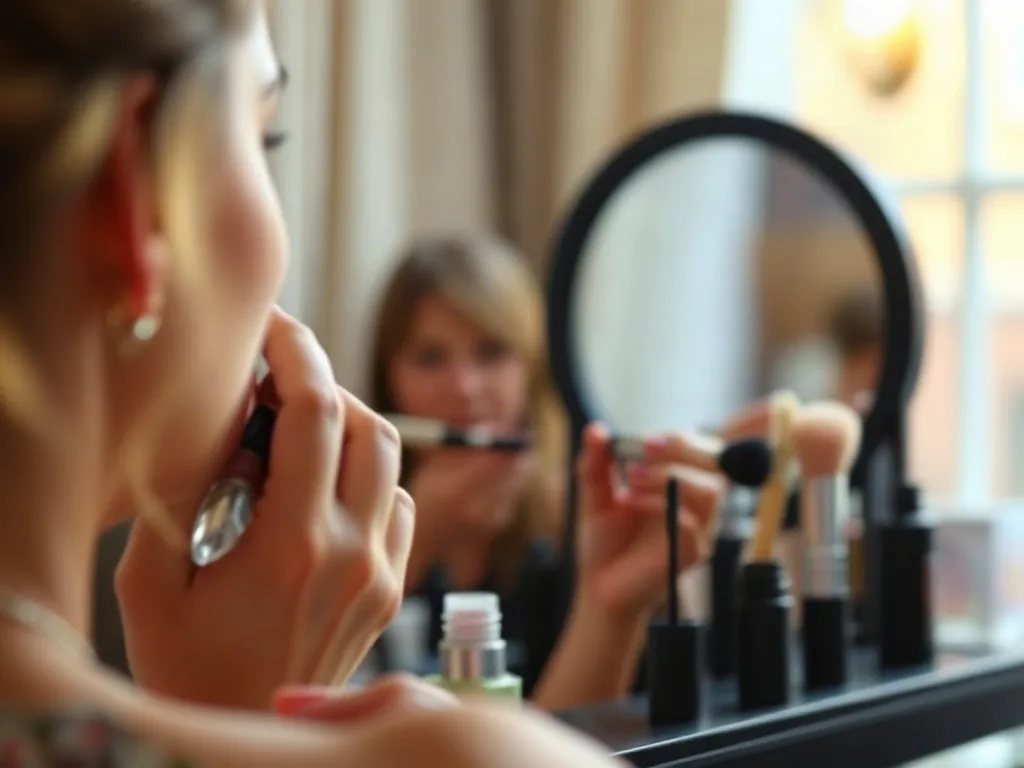
Stepping onto a red carpet is a high‑stakes moment where every detail, from the dress to the smile, is scrutinized by millions of viewers. While designers and stylists receive most of the credit, the behind‑the‑scenes beauty regimen is often the true game‑changer. In this guide we unpack the practical, research‑backed strategies that celebrities and their teams use to achieve a radiant, camera‑ready look that lasts through endless flashes, interviews, and after‑party celebrations. Whether you’re preparing for a formal gala, a wedding, or simply want to elevate your own event‑day routine, these tips are adaptable, affordable, and grounded in real‑world practice.
1. Start with a Skin‑Care Blueprint
Professional makeup artists (MUA) treat the skin like a canvas, and the most reliable canvas is a well‑maintained one. The first 4–6 weeks before an event are crucial for building a solid foundation. Here’s a streamlined skin‑care schedule that mirrors celebrity protocols without requiring a dermatologist’s office at home:
- Morning cleanse: Use a gentle, sulfate‑free cleanser to remove overnight oil without stripping the skin’s natural barrier.
- Antioxidant serum: Vitamin C (10‑15% concentration) protects against free‑radical damage from environmental stressors and brightens complexion.
- Moisturizer with SPF: Opt for broad‑spectrum SPF 30‑50; even on overcast days UV exposure contributes to uneven tone.
- Evening routine: Double‑cleanse if you wear makeup, follow with a hyaluronic‑acid serum for hydration, and finish with a night‑repair cream containing peptides or niacinamide.
Consistency beats occasional luxury. Celebrities often schedule weekly professional facials to boost circulation and lymphatic drainage, but at home you can replicate the effect with a warm facial steam (5‑10 minutes) followed by a gentle exfoliating mask once a week.
2. Hydration and Nutrition for a Natural Glow
Beauty truly starts from within. Dehydration manifests as dullness, fine lines, and a lack of elasticity—issues no amount of highlighter can mask. Aim for at least 2.5‑3 liters of water daily, and consider adding electrolytes if you’re in a hot climate or will be active on the day of the event.
Nutrition also plays a pivotal role. Foods rich in omega‑3 fatty acids (salmon, walnuts, chia seeds) support skin barrier function, while antioxidant‑dense fruits (berries, pomegranate) combat oxidative stress. A simple pre‑event meal plan might look like this:
- Breakfast: Greek yogurt with mixed berries, a drizzle of honey, and a sprinkle of chia seeds.
- Lunch: Quinoa salad with mixed greens, avocado, grilled chicken, and a lemon‑olive‑oil dressing.
- Snack: A handful of almonds and a piece of dark chocolate (70% cacao).
- Dinner (the night before): Steamed salmon, roasted sweet potatoes, and sautéed spinach.
These choices provide the vitamins and minerals needed for collagen synthesis and skin repair, helping you achieve that coveted “lit from within” radiance.
3. Mastering Professional Makeup Techniques
Celebrity MUAs rely on a blend of product knowledge, lighting expertise, and precision tools. Below are the core techniques you can practice at home:
- Primer placement: Apply a silicone‑based primer to oily zones (T‑zone) and a hydrating primer to drier areas. This balances oil control with moisture retention.
- Layered foundation: Use a two‑step method—first a lightweight, serum‑like base for coverage, then a powder‑finish foundation for longevity. Blend with a damp beauty sponge for a seamless finish.
- Contour and highlight: Opt for cream products for a natural look under bright lights. Contour under the cheekbones, jawline, and sides of the nose; highlight the high points (cheekbones, bridge of the nose, cupid’s bow) with a pearlescent cream.
- Setting spray: Choose a mist that offers both hydration and lock‑in power. A 10‑second spray after each major makeup step helps prevent powder fallout.
Practice these steps on a practice face a week before the event. Video yourself applying each layer to identify any uneven areas that need extra blending.
4. Hair Care Secrets for Lasting Volume and Shine
Red‑carpet hairstyles often involve intricate up‑dos or sleek blowouts that must survive hours of movement. The secret lies in preparation and the right products:
- Pre‑wash treatment: Apply a lightweight, protein‑rich mask 24 hours before the event to strengthen strands without weighing them down.
- Heat protectant: Use a spray containing dimethicone or cyclomethicone before blow‑drying or curling. This reduces cuticle damage and maintains shine.
- Texture building: For volume, incorporate a sea‑salt spray or a root‑lifting mousse while hair is still damp. Flip the head upside down while blow‑drying to boost lift.
- Finishing spray: A light‑hold hairspray (30‑40 g) keeps the style in place while allowing movement. Avoid heavy, sticky formulas that can cause flaking under bright lights.
Many celebrities also schedule a professional blowout 1–2 days before the event, allowing the style to settle and reducing the need for last‑minute heat styling.
5. Long‑Lasting Foundation and Base Strategies
High‑definition cameras can reveal even the smallest imperfections, so a flawless base is non‑negotiable. Here are three strategies that professionals swear by:
- Color‑correcting primers: Use green‑tinted primer for redness, lavender for dullness, and peach for dark circles. Apply sparingly only where needed.
- Layered coverage: Start with a thin layer of a lightweight, breathable foundation. Build additional coverage only on areas that need it (e.g., blemishes) using a concealer that matches your skin tone exactly.
- Powder sealing: After the liquid layers, set with a translucent, finely milled powder using a fluffy brush. Press gently rather than sweeping to avoid disturbing the foundation.
For those with oily skin, a mattifying powder blended with a touch of translucent shimmer can provide a balanced finish that looks natural on camera.
6. Touch‑Up Tools and Portable Essentials
Even the best application can fade under hot lights and humidity. Packing a compact touch‑up kit ensures you stay picture‑perfect from the entrance to the after‑party. Essential items include:
- Blotting papers: Remove excess oil without disturbing makeup.
- Mini setting spray: A 5‑ml travel‑size bottle can be spritzed quickly before a photo.
- Concealer stick: Ideal for spot‑treating blemishes or under‑eye darkness on the go.
- Compact powder: A small pan powder applied with a puff can refresh the entire face.
- Hair pins and mini hairspray: For quick fixes to up‑dos or stray strands.
Keep the kit in a sleek clutch or a dedicated makeup bag; many celebrities use a designer cosmetic case that doubles as a fashion accessory.
7. Sleep, Recovery, and Stress Management
Beauty is not just about what you do on the day of the event; it’s about how you prepare your body in the days leading up to it. Adequate sleep (7‑9 hours) supports skin repair, reduces cortisol‑related puffiness, and improves overall mood. Incorporate these recovery habits:
- Cold facial mist: Spritz a chilled rose‑water mist before bed to calm inflammation.
- Gentle facial massage: Use a jade roller or gua sha tool for 2‑3 minutes each night to stimulate lymphatic drainage.
- Mindful breathing: A 5‑minute diaphragmatic breathing session reduces stress hormones that can affect skin clarity.
Even a short, consistent routine can make a noticeable difference in the skin’s texture and radiance on the red carpet.
8. Sustainable Choices on the Red Carpet
Increasingly, celebrities are championing eco‑friendly beauty brands. Choosing sustainable products not only reduces environmental impact but also often means cleaner ingredient lists. Look for these certifications when selecting your red‑carpet staples:
- Leaping Bunny or PETA‑approved: Guarantees cruelty‑free testing.
- EcoCert or COSMOS‑standard: Indicates organic or natural sourcing.
- Refillable packaging: Brands such as refillable foundation palettes cut down on plastic waste.
When possible, borrow high‑end products from a friend or a beauty subscription service to avoid single‑use purchases. This approach mirrors the “green‑glam” trend seen on many award shows, where designers and makeup artists showcase responsibly sourced looks.
9. Mindset, Confidence, and the Power of a Smile
The final, often overlooked, element of red‑carpet beauty is confidence. A genuine smile activates facial muscles that naturally lift the skin, creating a youthful glow that no highlighter can replicate. Here are three mindset practices to cultivate confidence before stepping onto the carpet:
- Positive visualization: Spend 2‑3 minutes visualizing a successful appearance—imagine the flashbulbs, the applause, and your poise.
- Power posing: Adopt an open, expansive posture for 60 seconds; research shows it can increase feelings of confidence.
- Gratitude journaling: Write three things you’re grateful for about your body and appearance. This shifts focus from perfection to appreciation.
When inner confidence aligns with outward preparation, the result is an authentic, magnetic presence that resonates with audiences and cameras alike.
1. Decoding Red‑Carpet Lighting and Camera Technology
Every award show, gala, or premiere uses a specific lighting design that can dramatically alter how makeup appears on camera. Understanding the three most common lighting setups—soft‑box LED panels, tungsten spotlights, and high‑speed strobe rigs—lets you anticipate color shifts before you even step onto the carpet.
- Soft‑box LED panels (5600 K): These produce a cool, daylight‑balanced light that accentuates any blue or pink undertones in foundation. To counteract a washed‑out look, blend a warm, yellow‑based cream highlighter on the high points of the face and choose a slightly deeper foundation shade than your everyday match.
- Tungsten spotlights (3200 K): The warm amber glow can make skin look sallow and cause bronzer to appear orange. Apply a thin layer of a green‑tinted color‑correcting primer on the cheeks and forehead, then set with a translucent matte powder that contains a subtle pearl to reflect a hint of cool light.
- High‑speed strobe rigs (often 5600 K with a slight magenta tint): Strobes freeze motion but also highlight texture. Use a silicone‑based primer with a smoothing polymer (e.g., dimethicone) to blur pores, and finish with a setting spray that contains a light‑weight film former to lock the surface without creating a heavy mask.
Camera resolution adds another layer of complexity. Modern 4K and 8K broadcast cameras capture skin pores, fine lines, and product grain far more clearly than standard HD. For these formats, opt for:
- Micro‑fine powders: Look for powders with particle sizes under 10 µm. They settle into skin crevices without creating a “caked” appearance.
- Silicone‑based foundations: These create a smooth, slightly reflective film that diffuses light, reducing the visibility of micro‑imperfections.
- Minimal shimmer: While a subtle pearl can add dimension, excessive glitter reflects the strobe’s burst and can cause hot‑spotting on camera.
Practical tip: Before the event, request a “tech‑run” from the venue’s lighting director. Even a quick 30‑second test under the actual lights will reveal whether your foundation appears too light, too dark, or too oily, allowing you to make a last‑minute tweak.
2. Color Theory for Dress‑Makeup Harmony
Red‑carpet outfits are often bold, and the makeup must either complement or intentionally contrast without clashing. The key is to apply basic color‑theory principles—complementary, analogous, and triadic schemes—to create a cohesive visual story.
Complementary Pairings work when the dress color sits opposite the chosen makeup hue on the color wheel. For example, a royal‑blue gown pairs beautifully with copper‑bronze eye shadows and a warm terracotta lip. The contrast creates visual pop while keeping the overall palette balanced.
Analogous Pairings involve colors that sit next to each other on the wheel, providing a harmonious, monochromatic look. A deep emerald dress can be paired with jewel‑tone eyeshadows—emerald, teal, and sapphire—while keeping the lip neutral to avoid over‑saturation.
Triadic Schemes use three colors evenly spaced around the wheel. A magenta dress, for instance, can be accentuated with a soft lavender eye shadow and a muted gold highlighter, giving a sophisticated yet vibrant effect.
Fabric texture also influences makeup finish. Velvet and satin reflect light differently than matte chiffon. For high‑sheen fabrics, choose a dewy foundation and a glossy lip to echo the material’s luster. For matte fabrics, a satin‑finish foundation and a matte lip prevent the overall look from becoming overly reflective.
Case study: At the 2024 Oscars, a celebrity wore a metallic silver sheath dress with a subtle pewter undertone. The makeup artist selected a cool‑taupe contour, a soft silver eye shadow with a hint of lavender, and a muted mauve lip. The result was a seamless echo of the dress’s metallic sheen without competing for attention.
Practical exercise: Lay the dress fabric next to a printed color‑wheel swatch. Identify the dominant hue, then select three makeup shades that follow one of the schemes above. Test each on a small patch of skin under the event’s lighting to confirm harmony.
3. Grooming Beyond the Face: Brows, Lashes, Nails, and Body Glow
Red‑carpet perfection is a full‑body endeavor. While the face often receives the most focus, eyebrows, lashes, nails, and even subtle body shimmer contribute to the overall impression.
- Eyebrow Architecture: Shape eyebrows to frame the face and complement the hairstyle. For high‑ponytails or up‑dos, a slightly higher arch lifts the eye area, creating a more open look. Use a waterproof brow pomade to prevent smudging under bright lights. A quick tip—apply a thin line of brow gel using the tip of a fine brush for a feathered, natural finish.
- Lash Strategies: Two main routes exist: high‑volume false lashes or a hybrid of strip and individual extensions. For events with heavy airflow (e.g., outdoor premieres), choose lashes with a flexible band and a silicone coating that adheres without excessive glue. Finish with a waterproof mascara that adds a subtle curl, preventing the lashes from drooping during long standing periods.
- Nail Aesthetics: Choose a polish that complements the dress’s undertone. For cool‑toned gowns, a sheer mauve or a classic French tip with a silver accent line works well. If the dress is bright, a nude or soft pink keeps the focus on the outfit. Consider a quick‑dry, chip‑resistant formula that includes a top coat with UV protection—this maintains shine under stage lights.
- Hand & Arm Preparation: A subtle body oil with a light shimmer (e.g., a blend of jojoba, vitamin E, and mica) applied to the forearms and hands adds a refined glow without looking greasy. Use a silicone‑based hand cream the night before to smooth any fine lines, ensuring the oil spreads evenly.
- Body Glow Alternatives: For those who prefer a spray tan, opt for a gradual, DHA‑free bronzer that can be built up over a few days. This avoids the orange cast that high‑intensity tanners sometimes produce under flash photography.
Edge case: When the dress is sleeveless and the event is outdoors, a light dusting of a body shimmer powder on the shoulders can catch sunlight without creating a greasy sheen. Choose a product with micron‑sized mica particles to prevent clumping.
4. Customizing Makeup for Different Skin Types and Age Groups
Red‑carpet makeup must be adaptable. Below are nuanced protocols for four primary skin categories, each paired with age‑specific considerations.
Oily / Combination Skin (20‑35 years)
Goal: Control shine while preserving a fresh, luminous finish.
- Start with a mattifying primer that contains silica microspheres on the T‑zone. Avoid heavy silicone gels that can cause pilling later.
- Choose a liquid foundation with a “oil‑free” label and a 20‑30% silicone blend. Apply with a stippling brush to create a breathable veil.
- Set the entire face with a translucent powder that includes a tiny amount of dimethicone to reduce flashback without looking flat.
- For mature skin within this age bracket, incorporate a light‑touch luminous highlighter on the cheekbones—this adds dimension without accentuating oiliness.
Dry / Dehydrated Skin (30‑45 years)
Goal: Infuse moisture while preventing cakiness.
- Use a hydrating primer enriched with glycerin and squalane. Apply a thin layer only where needed, typically the cheeks and under‑eye area.
- Select a cream‑based foundation with hyaluronic acid. Blend with a damp silicone sponge to lock in moisture.
- Finish with a light‑weight setting spray that contains a mist of rose water and panthenol; avoid powder‑heavy formulas.
- For the 40+ demographic, incorporate a subtle bronzing cream that adds warmth without emphasizing fine lines.
Mature / Aging Skin (45+ years)
Goal: Lift, diffuse, and hydrate.
- Begin with a peptide‑rich primer that stimulates collagen synthesis. Apply with gentle tapping motions.
- Opt for a medium‑coverage foundation with a built‑in light‑diffusing technology (e.g., micro‑lens particles). Use a damp beauty sponge to press the product into the skin, avoiding dragging which can accentuate sagging.
- Employ a cream contour that is 1‑2 shades deeper than the foundation, focusing on the hollows of the cheeks and jawline. Blend outward to avoid harsh lines.
- Set with a finely milled, translucent powder that contains a soft‑focus pigment. Avoid heavy shimmer powders which can settle into fine lines.
Sensitive / Reactive Skin (All Ages)
Goal: Minimize irritation while delivering performance.
- Patch‑test all new products 48 hours before the event. Choose fragrance‑free formulas and those labeled “non‑comedogenic.”
- Utilize mineral‑based foundations (titanium dioxide, zinc oxide) that sit on the skin’s surface without penetrating.
- Replace traditional setting sprays with a water‑based hydrating mist containing aloe vera and cucumber extract.
By tailoring each step to the skin’s innate characteristics, you achieve a flawless look that endures under the most demanding lighting conditions.
5. The Ultimate Emergency Red‑Carpet Kit: Rapid Fixes for Unforeseen Mishaps
Even the most meticulously planned routine can be disrupted by sweat, tears, a sudden rain shower, or a wardrobe malfunction. A compact, strategically stocked kit can turn a potential disaster into a quick recovery.
- Miniature Blotting Papers (2 × 2 in): Use a gentle patting motion to absorb excess oil on the T‑zone without disturbing foundation.
- Travel‑Size Powder Press (1 g): A translucent matte press applied with a puff restores a smooth finish and eliminates shine from perspiration.
- Concealer Stick (creamy, shade‑matched): Ideal for spot‑treating sudden blemishes or red‑eye marks after a flash.
- Micro‑Lip Brush + Long‑Wear Lip Color: For a smudged lip, dab a small amount of the same lipstick onto the brush, then gently re‑define the edges.
- Compact Mirror with LED Light: Ensures you can see fine details in low‑light backstage areas.
- Hair Rescue Kit: Include a few bobby pins, a mini hairspray (30 g), a travel‑size dry shampoo, and a small comb. For curly or textured hair, a tiny bottle of anti‑frizz serum can tame flyaways caused by humidity.
- Safety Pins & Double‑Sided Tape: In case a strap of a gown loosens, a discreet safety pin can hold it in place without visible evidence. Double‑sided fashion tape can temporarily secure a slipping hem.
- Cold Water Spray Bottle (2 oz): A quick mist can calm flushed skin and reduce sweat buildup.
Scenario walkthrough: Imagine you’re on the red carpet and a sudden rain shower drenches your dress. First, use the compact mirror to assess makeup integrity. Pat the T‑zone with blotting papers, then press the translucent powder to reset the base. If the lipstick runs, dab the concealed lip brush with fresh color and re‑apply. For the dress, a discreet splash of dry shampoo on the hair prevents it from clinging to the fabric, while a few safety pins keep the hem from billowing.
Pro tip: Store the kit in a sleek, hard‑case clutch that doubles as a fashion accessory. Many celebrity stylists use a matte‑black leather case with a magnetic closure, keeping everything organized and preventing accidental spills.
6. Post‑Event Recovery: Restoring Skin, Hair, and Body After Hours of Spotlight
The red‑carpet glow is fleeting, but the impact on skin and hair can linger for days. A systematic recovery protocol helps erase residual stress, prevent breakouts, and preserve the health of hair and nails.
Phase 1 – Immediate After‑Hours (0‑2 hours)
- Double‑Cleanse: Start with an oil‑based cleanser to dissolve waterproof makeup, then follow with a gentle, pH‑balanced foaming cleanser to remove any residue.
- Cool Water Rinse: A splash of cool (not ice‑cold) water constricts pores, reducing the chance of post‑event breakouts.
- Hydrating Serum: Apply a hyaluronic‑acid serum with added ceramides to replenish the skin barrier that may have been compromised by heavy foundation and setting sprays.
Phase 2 – Overnight Repair (2‑8 hours)
- Repair Night Cream: Choose a formula containing niacinamide, peptides, and a modest amount of retinol (0.3 % max) for those comfortable with retinoids. This encourages cellular turnover while soothing inflammation.
- Eye‑Area Treatment: A caffeine‑infused eye gel reduces puffiness caused by late‑night excitement and flashes.
- Hair Care: Apply a leave‑in conditioner enriched with hydrolyzed keratin to the mid‑lengths and ends. This combats the dryness from heat styling and protects against split ends.
Phase 3 – 24‑Hour Reset
- Exfoliating Enzyme Mask: Use a fruit‑enzyme mask (papaya or pineapple) to gently dissolve dead skin cells without the abrasive feel of a physical scrub. Leave on for 5‑7 minutes, then rinse with lukewarm water.
- Lymphatic Drainage Massage: With a jade roller or gua‑sha stone, sweep from the center of the face outward and down the neck. This encourages fluid movement, reducing lingering swelling.
- Nail & Hand Revival: Soak hands in warm water with a few drops of olive oil for 5 minutes, then apply a thick hand cream containing shea butter. Finish with a quick buff of a clear nail polish to seal the cuticles.
Phase 4 – Nutritional Re‑Fuel (Day After)
Re‑hydrate with electrolyte‑rich beverages (coconut water or a low‑sugar sports drink). Incorporate foods high in vitamin C and zinc—citrus fruits, pumpkin seeds, and lean turkey—to support collagen repair and immune function. A supplemental option is a nightly oral collagen peptide (10 g) mixed into a warm tea.
Special Considerations for Sensitive or Acne‑Prone Skin
After intense makeup wear, the skin’s microbiome can be disrupted. Include a probiotic‑rich moisturizer (containing lactobacillus ferment) to restore balance. If breakouts appear, a spot‑treatment with 2 % salicylic acid applied only to the blemish will clear it without drying the surrounding area.
By following this tiered recovery plan, you’ll not only erase the physical traces of the event but also maintain the long‑term health of your skin, hair, and nails—ensuring you’re ready for the next spotlight moment.
FAQ
Q1: How far in advance should I start my skin‑care routine for a major event?
A: Begin at least four to six weeks before the event. This timeline allows your skin to adjust to new products, repair any minor issues, and build a resilient barrier that will hold makeup better under bright lights.
Q2: Can I achieve a long‑lasting foundation without professional products?
A: Yes. A combination of a well‑matched, breathable foundation, a silicone‑based primer, and a translucent setting powder can provide up to 10‑12 hours of wear. Choose formulas labeled “long‑wear” or “HD” for added durability.
Q3: What are the best quick‑fix hair solutions if my up‑do starts to loosen?
A: Keep a mini hairspray and a few bobby pins in your touch‑up kit. Lightly mist the style, then gently reshape with your fingers and secure stray strands with pins. A small amount of dry shampoo can also add texture for better grip.
Q4: Are there any specific foods that help reduce under‑eye puffiness before a photo shoot?
A: Foods high in potassium (bananas, sweet potatoes) help balance fluid retention, while cucumbers and chilled herbal teas can be applied topically to soothe the area. Staying well‑hydrated also minimizes puffiness.
Q5: How can I incorporate sustainable beauty without compromising performance?
A: Look for brands that offer high‑performance formulas with eco‑certifications. Refillable palettes, biodegradable wipes, and cruelty‑free pigments have become mainstream, allowing you to maintain a flawless look while supporting environmental responsibility.
Related posts:
 Hair Slugging Beauty Trend Guide
 Proper Order of Skincare Application
 Perfect Curly Hair Routine
 Foundation’s Impact on Skin
 Zoe Kravitz’s Coconut Oil Hair Care Secret
 Ariana Grande’s Hair Savior: Why Lavender Coconut Oil Is Her Secret Weapon
 The Makeup Tricks That Will Change Your Entire Face
 L’Oreal’s No Haircut Cream: Maintain Your Style Between Trims