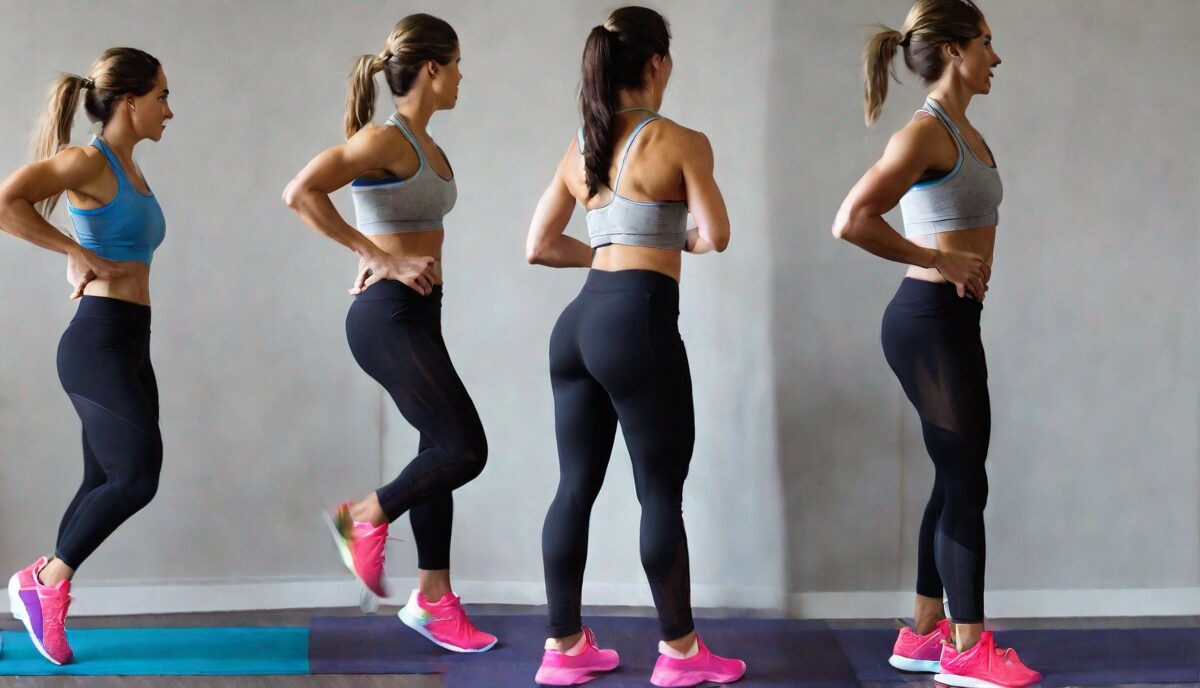
High-Intensity Interval Training (HIIT) has become a popular way to burn fat and improve cardiovascular fitness. This workout strategy alternates between intense bursts of activity and fixed periods of less-intense activity or even complete rest. Ready to take your fitness routine to the next level? This challenging HIIT workout is designed to push your limits and help you smash your fitness goals.
Understanding HIIT and Its Benefits
HIIT isn’t just a buzzword; it’s a scientifically-backed method to get the most out of your workouts. By pushing your heart rate up during the high-intensity phases, you’re not only burning calories during the workout but also stimulating your metabolism to keep burning calories long after you’ve finished.
Warm-Up: Preparing Your Body for Intense Activity
Before jumping into the high-intensity portion, it’s crucial to prepare your body with a proper warm-up. Spend about 5 minutes on dynamic stretches and light cardio exercises to get your muscles ready and prevent injury.
The HIIT Workout: Your Blueprint to Intensity
Now, let’s dive into the workout. Perform each exercise for 45 seconds, followed by 15 seconds of rest. Repeat the circuit 3-5 times, depending on your fitness level.
- Burpees
- High Knees
- Mountain Climbers
- Jump Squats
- Push-Ups
- Alternating Lunges
- Plank Jacks
Remember to maintain proper form to maximize the benefits and reduce the risk of injury.
Cool Down: Reducing Heart Rate and Stretching
After the high-energy session, bring your heart rate down with a cool-down period consisting of light jogging or walking, followed by static stretching to help your muscles recover and prevent stiffness.
Mastering Metabolic Conditioning and EPOC
To truly push your limits, you must understand the physiology behind the “afterburn” effect, technically known as Excess Post-exercise Oxygen Consumption (EPOC). When you perform at near-maximal intensity, your body incurs an oxygen debt. To restore homeostasis—balancing pH levels, replenishing ATP stores, and clearing metabolic byproducts like lactate—your body remains in an elevated metabolic state for hours post-session. To maximize this, focus on the “perceived exertion” scale. During your 45-second work intervals, you should be operating at an 8 or 9 out of 10. If you can hold a conversation during the work phase, you are not working hard enough to trigger the necessary physiological adaptation. Use a heart rate monitor to ensure you are hitting 85-95% of your max heart rate; if your heart rate doesn’t spike, the metabolic demand is insufficient to drive the results you are seeking.
Advanced Periodization for Sustained Progress
Performing the same circuit indefinitely will eventually lead to a plateau as your body becomes highly efficient at these specific movement patterns. To bypass this, implement a 4-week progressive overload cycle. In week one, focus on mastering form with moderate intensity. In week two, increase the work intervals to 50 seconds while reducing rest to 10 seconds. In week three, maintain the 45/15 split but add external resistance, such as a weighted vest or holding dumbbells during your lunges and squats. In week four, perform a “deload” week where you reduce the total number of sets to two, allowing your central nervous system (CNS) to recover. This cyclical approach prevents overtraining and ensures that your body is constantly forced to adapt to new stressors, which is the cornerstone of long-term athletic development.
Strategic Movement Selection for Kinetic Chain Optimization
While the basic circuit is effective, you can optimize your results by selecting exercises that target the posterior chain and core stability simultaneously. Incorporate “compound-complex” movements. Instead of standard burpees, try “Burpee Broad Jumps” to engage more explosive power in the glutes. Swap standard push-ups for “Renegade Rows” if you have access to dumbbells, which forces your core to resist rotation while your back muscles work to stabilize the load. By integrating movements that require cross-body coordination—such as lateral skater jumps—you improve agility and functional strength, ensuring that your HIIT routine translates into better performance in other sports or daily activities. Avoid “lazy” movements; focus on the eccentric (lowering) phase of every squat and push-up to increase time under tension, which is a critical factor for muscle hypertrophy alongside fat loss.
Managing Central Nervous System Fatigue
HIIT is not just physically demanding on your muscles; it is exceptionally taxing on the central nervous system. If you find your performance dropping mid-workout or feel a sense of “heavy limbs” even after a full night of sleep, you may be experiencing CNS fatigue. To manage this, monitor your resting heart rate upon waking. If it is consistently 5-10 beats higher than your baseline, skip the high-intensity session and opt for active recovery, like a long walk or restorative yoga. Nutrition plays a pivotal role here as well; ensure you are consuming adequate electrolytes—specifically magnesium and potassium—to support nerve transmission. Ignoring the signs of CNS burnout is the fastest route to injury and long-term stagnation, so treat your recovery days with the same discipline as your training days.
Incorporating Equipment for Peak Performance
While bodyweight HIIT is convenient, integrating specialized equipment can break through physical plateaus. A battle rope, for instance, provides a high-intensity stimulus for the upper body that requires no impact, making it ideal for those with joint sensitivities. Using a plyometric box allows for higher-intensity jump training, which recruits more fast-twitch muscle fibers than floor-based jumping. If you have access to a kettlebell, include “Kettlebell Swings” in your circuit; they are the gold standard for posterior chain power and cardiovascular endurance. When using equipment, maintain the same 45/15 timing, but prioritize the quality of each rep. A single perfect, explosive swing is worth more than five sloppy ones that compromise your lumbar spine. Always prioritize form over speed when introducing new equipment to your routine.
Nutritional Timing and Fueling the Fire
HIIT requires significant glycogen stores to perform at the necessary intensity. If you are training in a fasted state, you may find that you cannot reach the peak output required to trigger the desired EPOC effect. Aim to consume a small, easily digestible carbohydrate source about 30 to 60 minutes before your workout, such as a banana or a slice of toast. Post-workout, focus on the “anabolic window” by consuming a mix of high-quality protein and carbohydrates within an hour of completion. This helps halt muscle protein breakdown and initiates the repair process. Hydration is equally critical; even a 2% drop in hydration levels can lead to a significant decline in power output. Consider adding a pinch of sea salt to your water pre-workout to ensure your cells are hydrated and your muscle contractions remain crisp and powerful throughout the duration of the circuit.
FAQ Section
How Often Should I Do HIIT Workouts?
For best results, aim for 2-3 times per week, allowing your body time to recover between sessions.
Can Beginners Do HIIT?
Absolutely! Adjust the intensity and duration according to your fitness level and gradually build up as you get stronger.
What Are the Key Benefits of HIIT?
HIIT boosts metabolism, burns calories, improves oxygen and blood flow, and increases endurance, all in a shorter time compared to traditional workouts.
Do I Need Equipment for HIIT?
No, you can perform HIIT with bodyweight exercises, making it perfect for those without access to a gym or equipment.
Is HIIT Suitable for Weight Loss?
Yes, due to its high calorie-burning potential, HIIT is an excellent workout for those looking to lose weight.
Related posts:
 The Genius Travel Workout You Can Do With Just Your Luggage
 Savannah Guthrie’s Olympic Tennis Workout
 PHA Bodyweight Workout: Efficient Fitness Anywhere, Anytime
 HIIT Workouts Explained: Everything You Need to Know
 Understanding Gym Equipment
 Carrie Underwood’s Secret Weapon: Why Tabata Training Rules Her Routine
 How to Change Your Fitness Routine to Avoid Plateau
 15-Minute No-Equipment HIIT