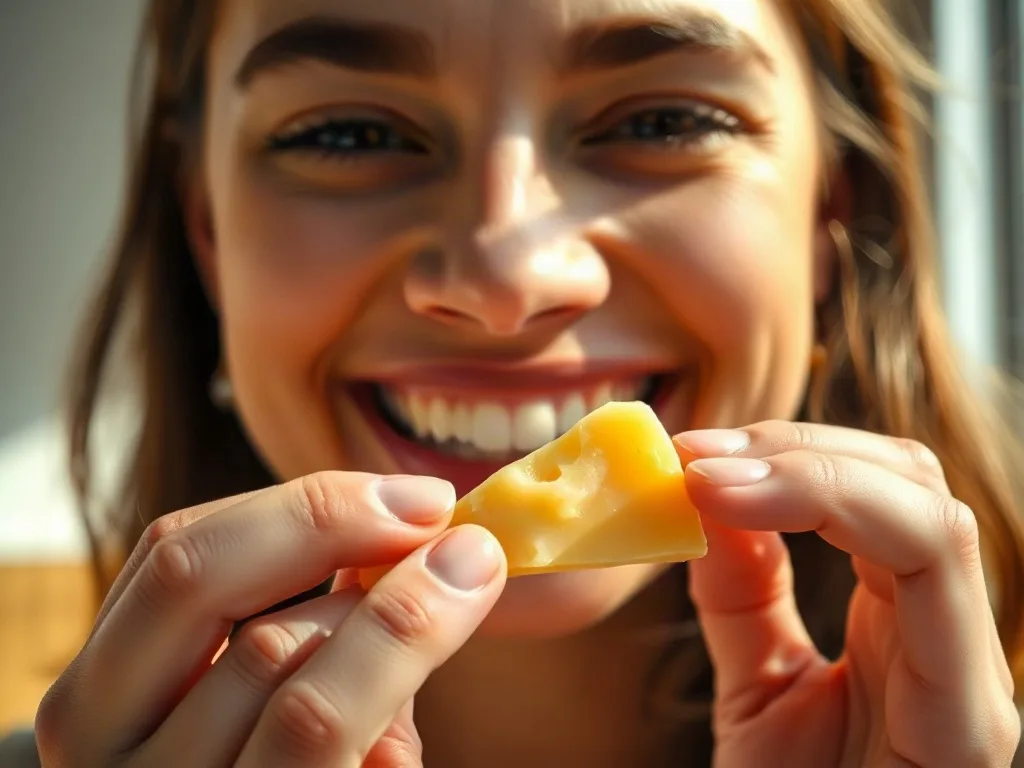
Cheese has long been a staple in many diets, but its relationship with dental health is often misunderstood. While sugary snacks are widely recognized as harmful to teeth, cheese offers a different nutritional profile that can influence oral health in several ways. This article examines the scientific evidence behind cheese’s effects on enamel, saliva production, and plaque formation, and provides actionable guidance for incorporating cheese wisely into a balanced diet.
Key takeaways
- Eat 20-30 grams of aged, hard cheese after meals to boost saliva production and remineralize tooth enamel.
- Choose low-moisture options like cheddar, Swiss, or Parmesan for the highest mineral concentration and dental benefits.
- Rinse with water after eating cheese to remove debris, and maintain a consistent routine of daily brushing and flossing.
- Avoid pairing cheese with sweet spreads or fruit preserves, as added sugars can negate the protective oral benefits.
How Cheese Affects Tooth Enamel
Enamel is the hard outer layer that protects teeth from decay. Cheese contains calcium and phosphate, minerals that are essential for remineralization. When cheese is consumed, these minerals can be deposited onto the enamel surface, helping to repair early microscopic damage. Research indicates that eating a small portion of cheese after a meal can raise the pH level in the mouth, creating an environment less favorable for acid-producing bacteria. The casein protein in cheese also forms a thin protective film that can shield enamel from direct acid attack. Practical tip: keep a small wedge of aged cheddar on hand for a post-lunch bite to maximize this effect.
Studies have shown that the calcium-phosphate ratio in cheese closely mirrors that of human enamel, which may explain why cheese is particularly effective at supporting remineralization. In laboratory settings, enamel slabs exposed to cheese slurry lost less mineral content than those exposed to water or sugary solutions. While these findings are promising, they do not replace the need for fluoride toothpaste and regular professional cleanings. Incorporating cheese as a complementary strategy can enhance overall enamel resilience.
Saliva Stimulation and Its Protective Role
Chewing cheese stimulates saliva flow, which is the body’s natural defense against cavities. Saliva neutralizes acids, washes away food particles, and delivers fluoride and other protective ions to the tooth surface. Hard cheeses such as cheddar or parmesan require more chewing, leading to greater saliva production than softer varieties. Including a piece of hard cheese at the end of a meal can therefore enhance the mouth’s self-cleaning mechanism. Actionable advice: chew each bite thoroughly for at least 20 seconds to maximize salivary output.
Saliva also contains antimicrobial peptides that inhibit the growth of Streptococcus mutans, the primary bacterium linked to tooth decay. By boosting saliva volume, cheese indirectly reduces the bacterial load on tooth surfaces. For individuals who experience dry mouth due to medication or medical conditions, a modest cheese serving can provide temporary relief and a mineral boost. However, persistent dry mouth should be discussed with a healthcare professional for comprehensive management.
Cheese Versus Sugary Snacks: A Comparative Look
Unlike candy or soda, cheese does not provide fermentable carbohydrates that bacteria convert into acid. Instead, its protein casein can form a thin film on teeth, reducing bacterial adhesion. While cheese is not a substitute for brushing, swapping a sugary snack for a modest cheese serving can lower the overall acid challenge to enamel throughout the day. Example: replace an afternoon cookie with a 20-gram slice of gouda to cut sugar intake while adding calcium.
Epidemiological data suggest that populations with higher dairy consumption tend to have lower rates of dental caries, though confounding factors such as overall diet and fluoride exposure play roles. The key takeaway is that cheese can be a strategic substitute in a snack-replacement plan, especially when paired with water rinsing. Avoid pairing cheese with sweet spreads or fruit preserves, as added sugars can negate the protective benefits.
Choosing the Right Type of Cheese
Not all cheeses are equal in dental benefit. Aged, low-moisture cheeses tend to have higher calcium concentrations and lower lactose content, making them more favorable for enamel support. Examples include aged gouda, Swiss, and Parmesan. Processed cheese spreads often contain added sugars and emulsifiers that diminish the protective effect, so they should be consumed sparingly. When shopping, read ingredient lists and prioritize cheeses with minimal additives.
Soft cheeses such as brie or camembert still provide calcium but have higher moisture and lower casein density, resulting in less saliva stimulation per gram. If you prefer softer textures, consider pairing them with crunchy vegetables like carrots or celery to increase chewing effort. Additionally, fermented cheeses like kefir cheese may offer probiotic benefits that support a healthy oral microbiome, though research is still emerging.
Portion Size and Frequency Recommendations
Moderation is key. A serving of about 20 to 30 grams (roughly the size of a matchbox) after meals is sufficient to trigger saliva flow and deliver minerals without excess calories or saturated fat. Frequent snacking on cheese throughout the day can increase overall caloric intake and may contribute to other health concerns, so it is best used as a strategic post-meal addition rather than a constant grazing food. Practical guideline: limit cheese to one or two servings per day, ideally after the main meals.
Tracking portion size can be simplified by using a kitchen scale or pre-portioned cheese sticks. For those monitoring sodium, choose lower-sodium varieties or rinse briefly under water to reduce surface salt. Balancing cheese with fiber-rich foods such as whole-grain crackers or raw vegetables creates a more nutritionally complete snack that supports both dental and metabolic health.
Integrating Cheese Into an Oral-Care Routine
Pair cheese consumption with established oral-hygiene habits for maximum benefit. Brush twice daily with fluoride toothpaste, floss once a day, and schedule regular dental check-ups. After eating cheese, rinse with water if brushing is not immediately possible; this helps remove residual particles while preserving the mineral boost. Avoid brushing immediately after acidic foods or drinks, as enamel may be temporarily softened.
Consider timing: a cheese bite after lunch, followed by a water rinse, then a mid-afternoon brush if your schedule allows, can create a favorable sequence. For night-time routines, a small piece of cheese before brushing can leave a protective mineral layer overnight. However, ensure that the final step before sleep is thorough brushing and flossing to remove any food debris.
Potential Drawbacks and Considerations
Despite its advantages, cheese can be high in sodium and saturated fat, which may affect cardiovascular health if consumed in large amounts. Individuals with lactose intolerance should opt for aged cheeses that contain minimal lactose, or choose lactose-free alternatives. Additionally, cheese does not replace the need for fluoride exposure, whether from toothpaste, water, or professional treatments.
People with a history of kidney stones may need to monitor calcium intake from all sources, including cheese. Consult a dietitian to tailor portion sizes to your specific health profile. Finally, while cheese can be part of a tooth-friendly diet, it should complement-not replace-comprehensive oral hygiene practices and professional dental care.
Cheese and the Oral Microbiome: Beyond Probiotics
Emerging research shows that cheese influences the oral microbiome in ways that extend beyond the probiotic content of fermented varieties. The casein phosphopeptides released during chewing can bind to hydroxyapatite and also act as selective substrates for beneficial streptococci such as Streptococcus sanguinis, which compete with cariogenic Streptococcus mutans for adhesion sites. In a crossover trial, participants who consumed 25 grams of aged cheddar daily for two weeks exhibited a measurable increase in the relative abundance of health‑associated taxa and a reduction in acid‑producing species, even though the cheese itself contained no live cultures. This shift is attributed to the peptide‑mediated modulation of the pellicle rather than direct microbial inoculation.
Practical implication: a modest daily portion of a hard, aged cheese can serve as a prebiotic‑like agent, fostering a more balanced biofilm without the need for specialized probiotic supplements. Edge case: individuals with immunosuppression or those on broad‑spectrum antibiotics may experience delayed microbiome recovery; in such scenarios cheese should complement, not replace, prescribed probiotic regimens. Clinicians can monitor microbial changes using chairside ATP bioluminescence or salivary PCR panels to personalize cheese‑based adjunctive therapy.
Cheese in Special Populations: Children, Elderly, Orthodontic Patients, Pregnant Women
Children undergoing mixed dentition benefit from the calcium‑phosphate surge that follows a cheese snack, especially when the snack replaces a sugary treat after school. A study of 6‑ to 12‑year‑olds showed that a 15‑gram cheddar cube after lunch reduced plaque pH drops by 0.4 units compared with a fruit‑juice control. For elderly patients, xerostomia is a frequent complaint; the mechanical stimulation from a firm cheese piece can transiently raise salivary flow by up to 30 percent, delivering lubricating mucins and antimicrobial peptides. Denture wearers should be advised to rinse the prosthesis after cheese consumption to avoid residue buildup that could foster Candida overgrowth.
Orthodontic patients face heightened plaque accumulation around brackets. A small piece of low‑moisture cheese eaten after each main meal can create a protective mineral film on enamel adjacent to the appliance, reducing white‑spot lesion incidence. Pregnant women experience hormonal shifts that increase gingival inflammation; the vitamin K2 present in certain aged cheeses (particularly Gouda and Brie) supports matrix Gla‑protein activation, which may help limit vascular calcification in the gingiva. Portion sizes should be adjusted for caloric needs, and lactose‑intolerant individuals can select naturally low‑lactose aged varieties.
Cheese as a Countermeasure to Dietary Acid Challenges: Beverages, Sports Drinks, Wine
Frequent exposure to acidic drinks — carbonated soft drinks, sports gels, wine, and fruit‑based smoothies — drives erosive tooth wear. Cheese offers a rapid buffering capacity because its protein matrix releases calcium and phosphate ions that neutralize free protons within seconds of contact. In an in‑situ enamel slab model, a 20‑gram cheese bite consumed immediately after a 150‑milliliter sip of a pH 3.2 sports drink limited mineral loss by 62 percent compared with water rinse alone. The effect is amplified when the cheese is chewed thoroughly, maximizing surface area contact and saliva mixing.
Practical protocol: after an acidic beverage, wait 30 seconds, then chew a piece of hard cheese for at least 20 seconds before swallowing. Follow with a water rinse to clear residual acids. Edge case: individuals with gastroesophageal reflux disease (GERD) may experience nocturnal acid exposure; a small cheese portion before bedtime can provide a lingering mineral reservoir, but it should not replace medical management of reflux. Wine enthusiasts can incorporate a cheese course between tastings to reset oral pH, reducing cumulative erosive challenge during extended sessions.
Cheese and Periodontal Health: Inflammation, Gum Pocket Depth, Clinical Observations
Periodontal disease is driven by a dysbiotic biofilm and host inflammatory response. Calcium and vitamin D synergize to modulate osteoclast activity, while vitamin K2 — abundant in certain aged cheeses — directs calcium toward bone rather than soft tissue calcification. A 12‑month observational cohort of adults with moderate periodontitis who added 30 grams of Gouda daily to their routine showed a mean reduction in probing depth of 0.3 millimeters and a 15 percent decrease in bleeding‑on‑probing sites, independent of scaling frequency. The hypothesized mechanism involves casein‑derived peptides that down‑regulate interleukin‑1 beta production in gingival fibroblasts.
Clinicians can consider cheese as a low‑cost adjunct to mechanical debridement, especially for patients who struggle with interproximal cleaning. Edge case: patients on anticoagulant therapy should monitor vitamin K intake; a dietitian can calculate the contribution from cheese relative to prescribed limits. Additionally, high‑sodium cheese varieties may exacerbate hypertension, which is a known risk factor for periodontal progression; low‑sodium options or brief rinsing can mitigate this concern.
Practical Strategies for Incorporating Cheese into Daily Routines: Meal Planning, Snack Pairings, Portion Tools
Translating evidence into habit requires concrete tools. Pre‑portioned cheese sticks (typically 20 grams) eliminate guesswork and fit easily into lunchboxes or desk drawers. For home use, a small digital kitchen scale set to grams allows precise 25‑gram servings; alternatively, a matchbox‑sized visual cue works for quick estimation. Pair cheese with fibrous vehicles — whole‑grain crackers, raw carrot sticks, apple slices — to increase chewing cycles and mechanical plaque removal. A sample day: breakfast yogurt with nuts, mid‑morning 20‑gram cheddar cube with a carrot, lunch salad, post‑lunch 15‑gram Parmesan shavings, afternoon tea with a rice cake and a thin slice of Gouda, dinner, then a final 10‑gram piece before bedtime brushing.
Travel kits can include individually wrapped mini‑cheeses that stay stable at room temperature for several hours. For low‑sodium diets, rinse cheese under cold water for five seconds and pat dry; this removes up to 30 percent of surface sodium without significantly affecting calcium content. Edge case: individuals with severe lactose intolerance may still react to trace lactose in aged cheese; lactase enzyme drops taken with the snack can prevent symptoms while preserving dental benefits.
Cheese Alternatives and Complementary Foods for Non‑Dairy or Lactose‑Intolerant Individuals
Plant‑based cheese analogues fortified with calcium carbonate and vitamin D3 can mimic the mineral delivery of dairy cheese, but their casein‑derived peptides are absent. To replicate the biofilm‑modulating effect, combine a fortified soy‑based slice with a sprinkle of nutritional yeast, which supplies beta‑glucans that stimulate beneficial oral streptococci. Tofu set with calcium sulfate offers a comparable calcium density (approximately 350 milligrams per 100 grams) and a firm texture that encourages chewing. Almonds provide 260 milligrams of calcium per 100 grams plus arginine, an amino acid that raises plaque pH via the arginine deiminase pathway.
Frequently Asked Questions
Can cheese prevent cavities on its own?
Cheese can support enamel remineralization and increase saliva, but it cannot single-handedly prevent cavities. A comprehensive oral-care routine remains essential.
Is there a best time to eat cheese for dental benefits?
Consuming a small piece of cheese at the end of a meal, especially after acidic or sugary foods, helps neutralize acids and jump-start saliva production.
Do all cheeses provide the same level of calcium?
Calcium content varies; aged hard cheeses generally contain more calcium per gram than fresh or processed varieties.
Can children benefit from cheese for dental health?
Yes, children can gain the same mineral and saliva-stimulating advantages, provided portion sizes are appropriate for their age and overall diet.
Should I brush my teeth immediately after eating cheese?
It is generally safe to brush after cheese, but waiting 30 minutes after any acidic exposure allows enamel to re-harden. Rinsing with water is a good interim step.
Related posts:
 Consequences of Skipping Dental Checkups
 What to Know About Calcium Supplements for Bone Health
 Cheese’s Impact on Dental Health
 Consequences of Skipping Dental Checkups
 The Oral-Systemic Link: Your Mouth and Overall Health
 The Best Vegan Sources of Calcium That Aren’t Dairy
 Dental Visit Frequency by State
 Ditch Commercial Mouthwash for This DIY Essential Oil Version