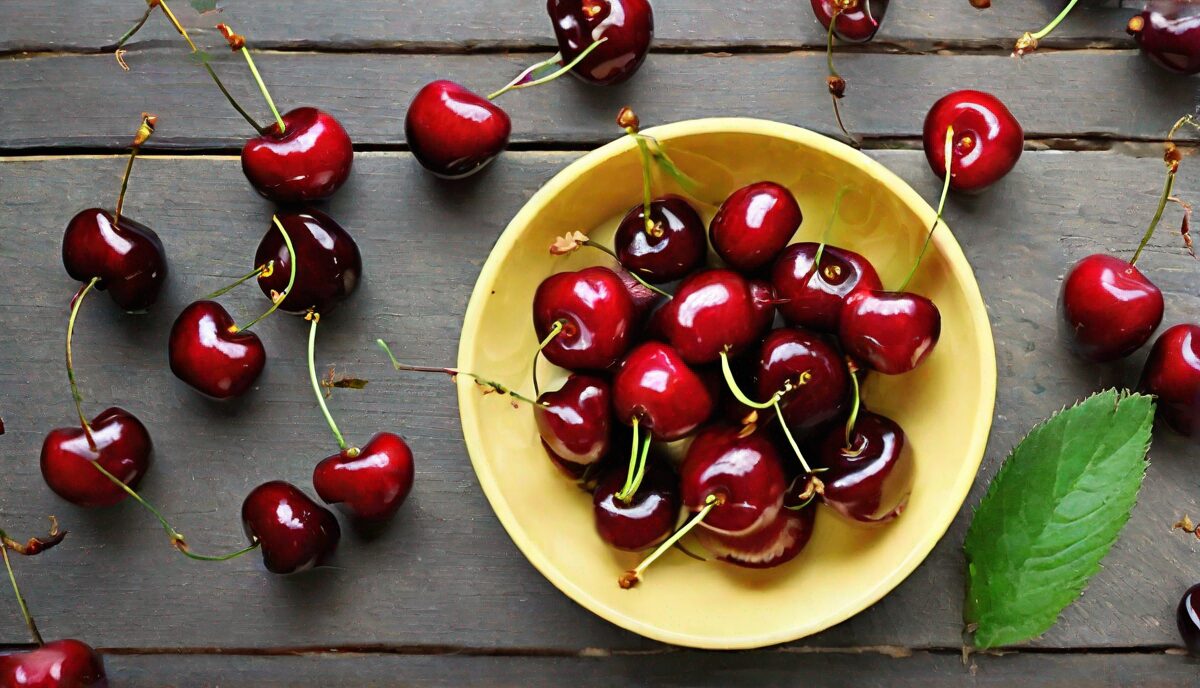
The Sweet Joy of Cherries
Cherries evoke images of warm summer days – their deep red color like rubies glinting in the sunlight. Their sweet juicy flavor bursts in your mouth, bringing a smile to your face. Cherries have long been celebrated for their delightful taste, but did you know they also offer remarkable health benefits?
Nutrient Powerhouses
Cherries contain an impressive array of vitamins, minerals, and antioxidants. Just one cup provides vitamin C, potassium, magnesium, iron, and vitamin A. The anthocyanins that give cherries their vibrant color are powerful antioxidants that help fight inflammation and protect cells from damage.
Natural Remedies
Research shows that cherries can ease joint pain and arthritis thanks to their anti-inflammatory effects. The melatonin in cherries promotes healthy sleep. Many people enjoy tart cherry juice as a soothing nightcap. Cherries may also help lower blood pressure and cholesterol.
In Season Delights
When summer cherries are ripe for picking, take advantage! Here are delightful ways to enjoy this seasonal treat:
- Add to fruit salads
- Enjoy as a snack
- Make homemade cherry pies and jams
- Mix into yogurt or oatmeal
- Blend into smoothies
A Sweet Finish: Cherries Jubilee
Cherries Jubilee is a classic dessert of cherries flambéed in liqueur and browned sugar. The sweet cherry flavor mixes deliciously with the caramelized sugar. Try this easy recipe to create a perfect summer finale!
Cherries Jubilee Recipe
- 1 pound fresh cherries, pitted
- 1⁄4 cup sugar
- Pinch of cinnamon
- 1⁄3 cup brandy or rum
- Combine cherries, sugar and cinnamon in saucepan. Cook over medium heat for 5 minutes until juicy.
- Pour in brandy and carefully ignite with match to flambé. Shake pan for 1 minute as the flames subside.
- Spoon into dessert bowls and serve warm, with ice cream if desired.
Mastering the Art of Cherry Pitting
While the flavor of a fresh cherry is unparalleled, the ritual of removing the pit can be a daunting task for the home cook. If you are preparing a large batch for canning or a deep-dish cobbler, efficiency is key. While specialized cherry pitters are common, you can achieve professional results with a simple paperclip or a sturdy chopstick. By inserting the tool into the stem end and rotating it, you can pop the pit out while keeping the fruit largely intact, which is essential for maintaining the aesthetic of a tart or a decorative glaze.
For those handling massive harvests, consider the “bottle method.” Place a cherry on the opening of an empty glass bottle and use a chopstick to push the pit through the center; the pit drops into the bottle while the fruit stays on top. This technique minimizes mess and saves significant time, allowing you to process several pounds of fruit in minutes. Remember to wear an apron, as cherry juice is notorious for staining textiles permanently.
The Chemistry of Cherry Preservation
To extend the taste of summer into the cooler months, mastering preservation techniques is essential. While freezing is the most straightforward method, it requires a bit of finesse to prevent the fruit from turning into a mushy clump. The secret lies in the “flash freeze”: lay your pitted cherries in a single layer on a parchment-lined baking sheet and place them in the freezer for two hours before transferring them to a heavy-duty freezer bag. This ensures that every cherry remains individual, making it easy to grab a handful for a morning smoothie or a quick muffin batter.
If you prefer canning, cherries are an excellent fruit for beginners because of their high natural acidity. When creating cherry preserves or jams, you do not always need store-bought pectin. Cherry pits contain natural compounds that can assist in thickening, but for a foolproof batch, combine your cherries with a squeeze of lemon juice. The acidity of the lemon not only balances the intense sweetness of the fruit but also helps the natural sugars set into a beautiful, glossy gel without the need for excessive additives.
Pairing Cherries with Savory Profiles
Cherries are not relegated solely to the dessert menu; their complex flavor profile bridges the gap between sweet and savory remarkably well. The deep, dark notes of a Bing cherry provide an excellent counterpoint to rich, fatty proteins like duck breast, pork tenderloin, or even seared lamb. A simple reduction made from balsamic vinegar, shallots, and fresh cherries creates a sophisticated gastrique that elevates a standard weeknight meal into a restaurant-quality experience.
When working with savory applications, try roasting your cherries. Tossing them with a drizzle of olive oil, a sprig of fresh thyme, and a pinch of sea salt before roasting them at 400°F (200°C) causes the sugars to caramelize and concentrates the fruit’s intensity. These roasted cherries can be served over a whipped goat cheese crostini or stirred into a grain salad with quinoa, toasted walnuts, and crumbled feta cheese for a refreshing, nutrient-dense lunch.
The Nuances of Cherry Varieties in Baking
Not all cherries behave the same way under heat. Sweet cherries, such as the golden-hued Rainier or the iconic Bing, are best utilized in recipes where their structural integrity is appreciated, such as a rustic galette or a clafoutis. Because they have a higher sugar content, they can caramelize quickly, which is why they are often best baked at slightly lower temperatures for a longer duration to allow the juices to thicken naturally without burning the crust.
Conversely, tart cherries (like the Montmorency) are the workhorses of the pastry world. Their sharp, acidic profile prevents the final product from becoming cloying. If you find yourself with an abundance of sweet cherries, do not hesitate to add a splash of apple cider vinegar or a tablespoon of lemon juice to your filling. This “acid kick” mimics the profile of a tart cherry, ensuring your pies and crumbles have that bright, vibrant finish that keeps guests reaching for a second slice.
Elevating the Jubilee Technique
The traditional Cherries Jubilee is a masterclass in culinary theater, but the technique can be adapted for a more sophisticated palate. To move beyond the standard brandy, experiment with different spirits that highlight the fruit’s undertones. A dark, spiced rum adds warmth and notes of vanilla, while an almond-based liqueur like Amaretto creates a classic pairing, as the bitter almond notes naturally complement the stone fruit flavor of the cherry.
For an extra layer of complexity, incorporate fresh aromatics into your flambé pan. A strip of orange zest, a single star anise, or a crushed cardamom pod added during the initial simmering phase infuses the sauce with a haunting depth. Ensure your pan is hot enough before adding the alcohol, and always tilt the pan away from your face when igniting. If you are uncomfortable with an open flame, you can achieve a similar result by simmering the alcohol until it reduces by half; while you lose the dramatic sear, you retain the concentrated, boozy essence that defines the dish.
Cherry-Infused Beverages and Mixology
Beyond the plate, cherries offer endless possibilities for the home bartender. Creating a cherry-infused simple syrup is a versatile project: boil equal parts sugar and water with a cup of pitted cherries, mashing them as they soften. Once cooled and strained, this syrup can transform a standard sparkling water into a gourmet soda or provide the base for a “Cherry Smash” cocktail.
For a non-alcoholic treat, try a cherry shrub. This involves macerating cherries in sugar and vinegar over several days, resulting in a tangy, concentrated elixir. When mixed with club soda and a fresh mint sprig, it offers a sophisticated, refreshing beverage that is perfect for hot afternoons. The vinegar acts as a preservative and adds a layer of complexity that cuts through the sweetness, making it a favorite for those who prefer drinks that are less sugary and more dynamic in flavor.
Troubleshooting Common Cherry Pitfalls
One common challenge when baking with cherries is the “soggy bottom” syndrome, caused by the fruit releasing too much liquid during the baking process. To prevent this, toss your pitted cherries with a small amount of cornstarch or tapioca flour before adding them to your pie crust or cake batter. This thickens the juices as they release, creating a syrupy consistency rather than a watery one.
Additionally, if you are concerned about cherries bleeding color into your entire dish, rinse them thoroughly under cold water after pitting. This removes the surface juices that cause staining. If you are working with a delicate cake, like an angel food or a light sponge, consider folding the cherries in at the very last second, or better yet, placing them on top of the batter rather than mixing them in, which keeps the crumb structure light and prevents the heavy, wet fruit from sinking to the bottom of the pan.
Frequently Asked Questions
Are all varieties of cherries healthy?
All cherries contain beneficial nutrients and antioxidants, but tart cherries (also called sour cherries) tend to be higher in anthocyanins and melatonin than sweet cherries.
Can frozen cherries be substituted in recipes?
Absolutely! Frozen cherries work great in most recipes calling for fresh cherries. Just thaw first if the recipe requires it.
How long is cherry season?
In most regions cherries are in season for just a few weeks during summer. The exact timing varies by climate and variety, but generally cherries ripen from June into August.
What’s the difference between sweet cherries and tart cherries?
Sweet cherries varieties like Bing and Rainier cherries tend to be larger, firmer, and sweeter. Tart cherries, often used for cooking, have bright red flesh and a more sour-sweet flavor.
Can dogs eat cherries?
No. Cherries (especially pits and stems) contain substances that can be toxic for dogs. Avoid giving any type of cherry to pets.
Related posts:
 Cherry Water: The New Hydration Trend
 Keep Bugs Out of Your House Using This Kitchen Staple
 Forget Bleach: This Kitchen Staple Cleans Everything
 Creative Ways to Use Baking Soda
 Golden Summer: Creative Turmeric Recipes to Spice Up Your Season
 Sleep-Boosting Bedtime Smoothie Recipe
 Cherry Benefits You Never Knew
 Liquid Gold: The Surprising Health Benefits of Drinking Aloe Vera Juice