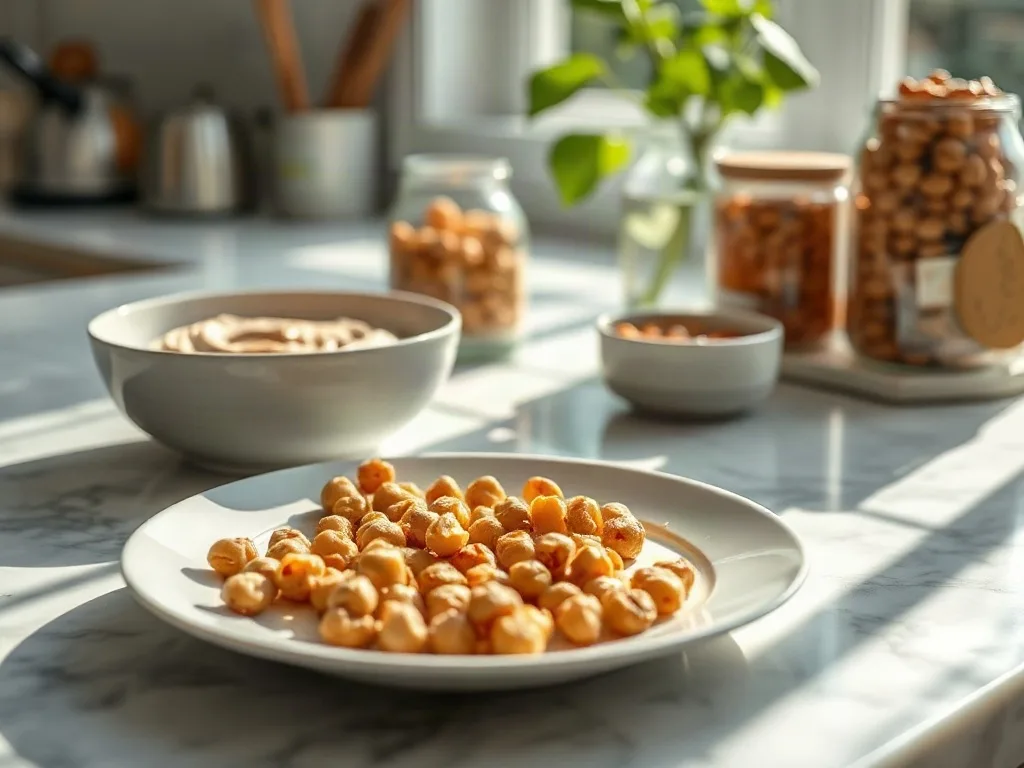
Chickpea products have surged from pantry staples to headline‑grabbing items in health‑food stores, specialty markets, and even mainstream grocery aisles. From smooth chickpea flour tortillas to protein‑packed chickpea snacks, the variety seems endless. But what’s really behind this culinary wave? In this article we’ll explore the cultural, nutritional, and economic forces that have turned humble legumes into a modern food phenomenon, and we’ll give you practical tips for incorporating these versatile ingredients into your own kitchen. Whether you’re a seasoned home cook, a busy parent, or someone looking to diversify your diet with plant‑based options, understanding the appeal of chickpea products can open up new flavor profiles and health benefits.
Key takeaways
- A half-cup of cooked chickpeas provides 7 grams of protein and 6 grams of fiber for digestive health.
- Replace up to 20% of wheat flour with chickpea flour in baking to increase fiber and moisture.
- Rinse canned chickpeas for 30 seconds to reduce surface sodium content by up to 40%.
- Regular consumption helps maintain steady blood sugar levels and improves cholesterol profiles due to a low glycemic index.
- Chickpeas are eco-friendly, requiring less water than animal proteins and naturally improving soil health through nitrogen fixation.
The Rise of Chickpea Products: What’s Driving the Trend
The spotlight on chickpea products is not just a fleeting fad; it reflects broader shifts in consumer behavior. First, the growing demand for plant‑based proteins has placed legumes at the forefront of nutrition conversations. As more people adopt flexitarian or vegetarian lifestyles, they seek convenient, protein‑rich alternatives to meat. Chickpeas, with their high fiber and protein content, fit this need perfectly. Second, the rise of “clean label” foods has pushed manufacturers to simplify ingredient lists. Chickpea‑based items often feature just one or two words on the package, appealing to shoppers who want transparency and minimal processing.
Social media also plays a pivotal role. Influencers and food bloggers frequently showcase vibrant chickpea salads, creamy soups, and crunchy snacks, generating viral recipes that inspire home cooks to experiment. Additionally, the pandemic accelerated at‑home cooking, prompting many to explore new ingredients and techniques. Chickpeas, being inexpensive and shelf‑stable, became a go‑to for meal planning, further cementing their place in modern kitchens.
Nutritional Powerhouse: Why Chickpeas Belong in Every Diet
At the heart of the chickpea product boom lies solid science. A half‑cup of cooked chickpeas delivers roughly 7 grams of protein, 6 grams of fiber, and essential micronutrients such as folate, iron, magnesium, and zinc. These nutrients support muscle repair, digestive health, blood sugar regulation, and immune function. Moreover, chickpeas have a low glycemic index, meaning they release energy slowly and help maintain steady blood glucose levels—ideal for people with diabetes or those seeking sustained energy.
Modern processing methods preserve many of these benefits. For example, chickpea flour retains the bran and germ, offering more fiber and antioxidants than refined wheat flour. Similarly, chickpea protein powders are isolate‑style, providing a concentrated dose of amino acids without the bulk of whole beans. When you choose minimally processed chickpea products, you maximize nutritional value while enjoying convenience.
Versatile Forms: From Canned to Powder, Fresh to Frozen
One reason chickpea products have become ubiquitous is their adaptability across formats. Canned chickpeas are the most basic form, offering quick meal prep for salads, curries, and hummus. They’re also the foundation for many packaged goods, such as chickpea‑based snacks that are baked rather than fried.
Dried chickpeas require soaking and cooking but yield superior texture for homemade dishes. For busy lifestyles, pre‑soaked or quick‑cook varieties reduce preparation time to under 30 minutes. Frozen chickpea purées are another innovation, allowing you to store ready‑to‑use bases for soups, sauces, and baked goods without waste.
Chickpea flour expands the culinary palette. It can replace up to 30% of all‑purpose flour in baking, adding moisture and a subtle nutty flavor. Chickpea protein powder serves as a plant‑based supplement for smoothies, protein bars, and savory dishes, delivering a high‑quality amino acid profile.
Finally, chickpea “noodles” and “rice” made from dehydrated chickpea flour provide gluten‑free alternatives that hold up well in hot dishes. These products appeal to consumers with celiac disease, wheat allergies, or those simply looking to reduce refined grains.
Popular Chickpea Products and How to Choose the Best
When scanning shelves, you’ll encounter a range of chickpea‑derived items. Here are the most common categories and selection tips:
- Canned Chickpeas. Look for products packed in water or sea salt, avoiding those with added sugars or artificial preservatives. Rinse thoroughly to reduce sodium.
- Chickpea Flour. Choose unbleached, stone‑ground varieties that retain the bran. Store in a cool, dark place for optimal freshness.
- Protein Powders. Opt for isolates or concentrates that list a single ingredient—chickpeas. Verify third‑party testing for heavy metals and contaminants.
- Snack Items (e.g., crackers, chips). Prioritize those baked with minimal oil and low sodium. Check the ingredient list for hidden additives.
- Ready‑to‑Eat Meals. Review nutrition labels to ensure adequate protein and fiber while keeping added sugars low.
Reading labels empowers you to pick products that align with your health goals and dietary restrictions. When possible, choose brands that provide transparent sourcing and sustainable farming practices.
Kitchen Hacks: Incorporating Chickpea Products into Everyday Meals
Integrating chickpea products into daily cooking doesn’t require a complete overhaul. Below are actionable hacks for each form:
1. Boost Salads. Drain and rinse a can of chickpeas, then toss them into mixed greens with lemon‑olive oil dressing. Their hearty texture adds protein and a satisfying chew.
2. Creamy Soups. Blend cooked chickpeas with vegetable broth, garlic, and herbs for a velvety chickpea bisque. Add a splash of coconut milk for richness without dairy.
3. Thickening Agents. Sprinkle chickpea flour over stews or chili to improve body without using cornstarch. It also adds a subtle nutty undertone.
4. Protein‑Rich Smoothies. Mix one scoop of chickpea protein powder with banana, spinach, and almond milk for a breakfast that keeps you full for hours.
5. Baking Substitutes. Replace up to 20% of flour in muffins or pancakes with chickpea flour to increase fiber and moisture while keeping the texture light.
6. Snack Alternatives. Roast canned chickpeas with smoked paprika and a drizzle of olive oil for a crunchy, high‑protein snack that rivals traditional chips.
7. Binding Agent. Use mashed chickpeas as a binder in veggie burgers or meatballs, reducing the need for breadcrumbs and adding extra protein.
Experimenting with these simple swaps can quickly elevate the nutritional profile of your meals while keeping preparation time manageable.
Health Benefits: Real Science Behind the Buzz
Research consistently highlights the health advantages of regular chickpea consumption. A meta‑analysis published in Nutrition Reviews found that chickpea intake improves cholesterol profiles, lowering LDL (“bad”) cholesterol while preserving HDL (“good”) cholesterol. The fiber content also contributes to reduced blood pressure and improved gut microbiota diversity.
Chickpeas are particularly beneficial for blood sugar management. Their low glycemic index and high resistant starch content slow glucose absorption, which can help prevent spikes and crashes. For individuals with type 2 diabetes, incorporating chickpea products into meals can be a strategic dietary adjustment.
Weight management is another area where chickpeas shine. Their combination of protein and fiber promotes satiety, reducing overall calorie intake. Studies in Obesity Research demonstrated that participants who replaced refined carbohydrates with legumes experienced modest but significant weight loss over a 12‑week period.
Finally, chickpea products are often fortified with additional nutrients like calcium or vitamin D, expanding their health impact. Always check the label to see if fortification aligns with your nutritional needs.
Sustainability Angle: Why Chickpea Products Are Eco‑Friendly
Beyond personal health, chickpea cultivation offers environmental benefits that resonate with today’s conscious consumers. Chickpeas are legumes that fix atmospheric nitrogen through a symbiotic relationship with rhizobia bacteria, reducing the need for synthetic fertilizers. This natural process lowers greenhouse gas emissions and improves soil health.
Water usage for chickpea farming is comparatively low—roughly 1,300 liters per kilogram of beans, far less than many animal proteins. Additionally, chickpeas have a small carbon footprint because they require less energy-intensive processing and transportation compared to meat or dairy.
Many manufacturers now source chickpeas from farms that practice crop rotation and soil conservation, further enhancing sustainability. By choosing chickpea products, consumers indirectly support agricultural practices that protect ecosystems and promote food security.
Frequently Asked Questions
Q1: Are chickpea products suitable for people with celiac disease?
A1: Yes, many chickpea products are naturally gluten‑free. However, always verify the packaging for gluten‑free certification, as cross‑contamination can occur during processing.
Q2: How can I reduce the sodium content of canned chickpeas?
A2: Rinse canned chickpeas under cold water for at least 30 seconds; this can remove up to 40% of surface sodium. Opt for brands that pack in water rather than brine.
Q3: Can I substitute chickpea flour for all‑purpose flour in any recipe?
A3: Chickpea flour works well in recipes where a denser, moister texture is desired, such as pancakes, muffins, or savory sauces. It lacks the leavening power of wheat flour, so you may need to adjust leavening agents accordingly.
Q4: Do chickpea protein powders contain all essential amino acids?
A4: Chickpea protein is a complete protein, providing all nine essential amino acids, though it is lower in methionine compared to animal proteins. Combining with other plant proteins (e.g., rice) can create a complete amino acid profile.
Q5: What is the best way to store chickpea flour for long‑term freshness?
A5: Store chickpea flour in an airtight container in a cool, dark place. Refrigeration or freezing can extend shelf life up to 12 months, preventing rancidity from stored oils.
Related posts:
 Creative Ways to Use Chickpeas
 Healthy Canned Foods Worth Stocking Up On
 Managing Fiber Intake with IBS
 Fiber for Healthy Aging: Nourishing Your Body as You Grow Older
 Canned Veggie Comeback: The Preserved Produce That’s Actually Good for You
 High-Protein Foods That Pack a Serious Nutritional Punch
 Creative Chickpea Recipe Collection
 Chickpea Rice Is Here to Replace Your Grain Game