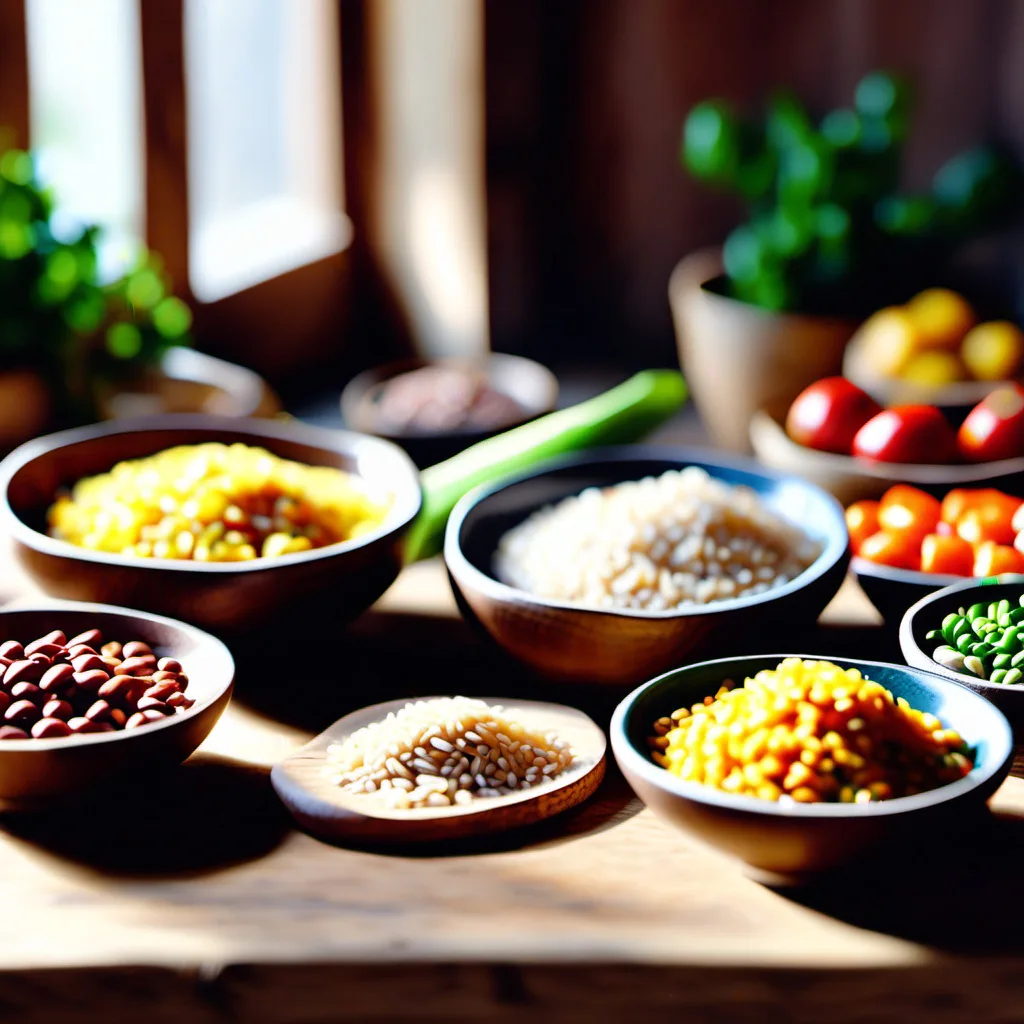
The “China Study,” formally known as The China Study: Revised and Updated Edition by Dr. T. Colin Campbell and Thomas M. Campbell, remains one of the most discussed and debated works in the field of nutritional science. At its core, the study examines the profound relationship between diet and chronic disease, suggesting that a whole-food, plant-based (WFPB) diet is not only preventative but potentially curative for many of the modern ailments that plague global populations.
Key takeaways
- Prioritize whole, plant-based foods like legumes, grains, and vegetables to lower risks of heart disease, diabetes, and cancer.
- Understand that animal proteins, particularly casein, may promote chronic disease by triggering hormonal growth switches in the body.
- Focus on nutrient synergy by eating whole foods rather than relying on isolated supplements or processed plant-based alternatives.
- Transition gradually by adding more plant-based meals and utilizing a pantry of staples to make the lifestyle shift sustainable.
While the book is often categorized as a guide to veganism, it is more accurately a scientific exploration of how specific nutrients—particularly animal proteins and fats—interact with our biological systems. For those seeking to optimize their health, understanding the key points of the China Study provides a roadmap for reducing the risk of heart disease, type 2 diabetes, and certain types of cancer. This article breaks down the complex findings of the study into actionable insights for a healthier lifestyle.
Understanding the Methodology of the China Study
To appreciate the conclusions of the China Study, one must first understand how the data was gathered. The research began as a massive cross-sectional study involving approximately 6,500 individuals across 65 different counties in rural China. This environment provided a unique “natural experiment” because the populations had similar genetic backgrounds and shared cultural habits, but their diets varied significantly based on local availability. Some regions relied heavily on fish, others on pork, and many on a diet almost exclusively consisting of plants.
By comparing the rates of chronic diseases in these different regions with their dietary patterns, the researchers noticed a striking correlation: populations with the lowest intake of animal products had the lowest rates of heart disease and cancer. However, the researchers didn’t stop at observation. To move from correlation to causation, they conducted laboratory experiments on animals and cell cultures to see if specific proteins—like casein from cow’s milk—could actually trigger the growth of cancer cells.
This dual approach—combining massive epidemiological data with targeted laboratory research—is what gives the China Study its weight. It suggests that the patterns observed in human populations are not coincidental but are driven by the biochemical impact of certain foods on our cellular health.
The Link Between Animal Protein and Chronic Disease
One of the most provocative claims of the China Study is the direct link between the consumption of animal proteins and the prevalence of chronic diseases. The study argues that it is not just the saturated fat in meat and dairy that is problematic, but the proteins themselves.
In the rural Chinese populations studied, those who consumed higher amounts of animal protein showed significantly higher rates of heart disease. The researchers noted that as the consumption of animal products increased, the incidence of cardiovascular issues rose proportionally. This challenged the prevailing wisdom of the time, which focused almost exclusively on cholesterol and fat. The China Study suggests that animal proteins may act as a trigger for the biological processes that lead to arterial plaque buildup and systemic inflammation.
Furthermore, the study explored the link to type 2 diabetes. While sugar is often blamed for insulin resistance, the researchers found that diets high in animal proteins often coincided with higher rates of diabetes. This suggests that a plant-heavy diet helps maintain insulin sensitivity, whereas a diet reliant on animal products may impair the body’s ability to regulate blood glucose effectively.
Cancer and the Role of Casein and Animal Fats
Perhaps the most famous part of the China Study involves its research on cancer. The researchers focused on the concept of “promotion”—the process by which a cell that has already been damaged (initiated) is encouraged to grow into a tumor.
In their lab experiments, the researchers found that casein, a primary protein found in cow’s milk, acted as a powerful promoter of breast and prostate cancer cells. When the casein was removed from the diet of the test subjects, the growth of the tumors slowed or stopped entirely. This led to the conclusion that certain animal proteins can act as a “switch” that turns on the growth of cancer cells.
The study also highlighted the protective nature of plant foods. Diets rich in legumes, vegetables, and fruits provided phytochemicals and antioxidants that appear to inhibit the growth of cancerous cells. By contrasting the high-casein diets with plant-based diets, the authors argued that we can significantly lower our cancer risk by minimizing animal-derived proteins and maximizing the intake of whole plants.
The Power of Whole-Food, Plant-Based (WFPB) Nutrition
It is crucial to distinguish between a “vegan” diet and a “Whole-Food, Plant-Based” (WFPB) diet. A vegan diet simply excludes animal products; however, a person can be vegan while eating processed sugars, refined flours, and fried foods. In contrast, a WFPB diet emphasizes foods in their most natural state.
Key components of a WFPB diet include:
- Legumes: Lentils, chickpeas, black beans, and soy (tofu, tempeh).
- Whole Grains: Brown rice, quinoa, oats, and farro.
- Vegetables: Leafy greens, cruciferous vegetables (broccoli, cauliflower), and root vegetables.
- Fruits: Berries, apples, citrus, and melons.
- Nuts and Seeds: Walnuts, flaxseeds, chia seeds, and almonds (consumed in moderation).
The China Study posits that the synergy of these foods—the combination of fiber, vitamins, minerals, and phytonutrients—creates a biological environment that resists disease. Fiber, in particular, plays a massive role by regulating blood sugar, lowering cholesterol, and feeding a healthy gut microbiome, all of which are essential for long-term wellness.
Addressing the “Protein Myth”
A common concern for those considering a plant-based transition is the fear of protein deficiency. The China Study spends considerable time debunking the “protein myth”—the idea that we need meat, eggs, or dairy to get “complete” proteins or enough protein for muscle maintenance.
The researchers argue that protein is abundant in the plant kingdom. Legumes, grains, and even green vegetables provide all the essential amino acids the human body requires. The study points out that many of the strongest animals in nature, such as elephants and gorillas, obtain 100% of their protein from plants. In humans, the issue is rarely a lack of protein, but rather an overconsumption of the wrong kind of protein.
By shifting the focus from “how much protein am I getting?” to “where is my protein coming from?”, individuals can maintain muscle mass and physical strength while avoiding the inflammatory effects associated with animal proteins. For example, replacing a beef patty with a lentil or black bean burger provides the necessary protein along with a massive dose of fiber and antioxidants, which are entirely absent in the meat version.
Practical Steps to Transition to a Plant-Forward Diet
Moving toward a WFPB lifestyle doesn’t have to happen overnight. A gradual transition is often more sustainable and allows the palate and the digestive system to adapt to increased fiber intake.
Actionable guidance for beginners:
- The “One Meal a Day” Rule: Start by making one meal completely plant-based. Breakfast is often the easiest; try oatmeal with berries and flaxseeds instead of eggs and bacon.
- The Swap Method: Identify your favorite animal-based dishes and find plant-based alternatives. Replace ground beef in tacos with cooked lentils, or use cashew cream instead of heavy cream in soups.
- Focus on Addition, Not Subtraction: Instead of thinking about what you are “giving up,” focus on adding new colors to your plate. Aim for three different colors of vegetables at every dinner.
- Explore New Grains: Move beyond white rice. Try quinoa, buckwheat, or wild rice to add variety in texture and nutrition.
- Prepare a “Plant-Based Toolkit”: Keep staples in your pantry like canned chickpeas, quinoa, frozen spinach, and various nuts. This prevents the temptation to order fast food when you’re tired.
For example, a typical WFPB day might look like this: Breakfast of steel-cut oats with walnuts and blueberries; Lunch of a quinoa bowl with roasted chickpeas, kale, avocado, and lemon-tahini dressing; Dinner of a vegetable stir-fry with tofu, broccoli, carrots, and brown rice; and snacks of apple slices with almond butter.
Navigating Potential Nutritional Gaps
While a WFPB diet is nutrient-dense, there are a few specific nutrients that require conscious attention to ensure long-term health. The China Study advocates for plants, but modern nutritional science emphasizes a few supplements for those avoiding all animal products.
Vitamin B12: This is the most critical consideration. B12 is produced by bacteria and is not naturally found in plant foods in reliable amounts. A deficiency can lead to neurological issues and anemia. Anyone following a strict WFPB diet should take a B12 supplement or consume B12-fortified foods (like nutritional yeast).
Omega-3 Fatty Acids: While fish are famous for Omega-3s, they get them from eating algae. You can go straight to the source by eating flaxseeds, chia seeds, and walnuts, or by taking an algae-based Omega-3 supplement to support brain and heart health.
Iron and Zinc: These are plentiful in beans, lentils, and seeds. To increase absorption, pair iron-rich plant foods with Vitamin C (e.g., squeeze lemon juice over sautéed spinach). This helps the body absorb non-heme iron more efficiently.
Balancing the Study’s Findings with Modern Science
It is important to approach the China Study with a balanced perspective. While its findings are compelling, the study is primarily observational. In science, observation shows correlation, but randomized controlled trials (RCTs) are the gold standard for proving causation. Some critics argue that the study oversimplifies the role of protein and underestimates the potential benefits of certain animal products in specific contexts.
However, when the China Study is viewed alongside other major research—such as the Adventist Health Studies or the EPIC-Oxford study—a consistent pattern emerges. Across different populations and decades, those who eat more whole plants and fewer animal products tend to live longer and have lower rates of chronic disease. The “compassionate” approach to this science is not to dogmatically follow one book, but to use these findings as a strong signal to reduce our reliance on processed animal proteins and increase our intake of nature’s most nutrient-dense offerings.
Creating a Sustainable Lifestyle Shift
Adopting a WFPB lifestyle is as much a psychological journey as it is a nutritional one. Many people struggle with social pressure, family traditions, or the perceived “difficulty” of plant-based cooking.
To make this shift sustainable, focus on the feeling of vitality. Notice how your energy levels stabilize when you stop the blood-sugar spikes associated with refined meats and sugars. Notice the improvement in digestion as fiber cleanses the gut. When you focus on the gain in health rather than the loss of certain foods, the transition becomes an act of self-care rather than a restriction.
Additionally, build a support system. Join online communities, find a “plant-based buddy,” or explore local farmers’ markets. The more you integrate these habits into your identity—seeing yourself as someone who fuels their body with life-giving plants—the easier it becomes to maintain the habit for a lifetime.
The Biochemical Mechanism: IGF-1 and the Growth Switch
To truly grasp the “switch” mentioned in the China Study, one must look at the role of Insulin-like Growth Factor 1 (IGF-1). While the study identifies animal proteins as promoters of disease, the biological mechanism often involves the stimulation of this specific hormone. IGF-1 is a potent growth promoter; in a developing child, it is essential for bone and muscle growth. However, in an adult, chronically elevated levels of IGF-1 can act as a catalyst for the proliferation of abnormal cells, effectively “feeding” tumors that have already been initiated by environmental toxins or genetic mutations.
Animal proteins, particularly those found in dairy and poultry, are high in amino acids like methionine and leucine, which are known to trigger the liver to produce more IGF-1. In contrast, plant proteins—especially those from legumes—tend to have a lower impact on IGF-1 levels. Some plant foods even contain IGF-binding proteins that neutralize the hormone’s effects in the bloodstream. This creates a stark contrast in cellular environments: a diet high in animal protein keeps the “growth switch” in the ON position, whereas a WFPB diet helps flip it to OFF, slowing the progression of chronic diseases. For example, a person consuming large amounts of whey protein or skim milk may inadvertently be signaling their cells to grow and divide more rapidly, which is the opposite of what is desired when managing a predisposition to cancer.
This mechanism also extends to the metabolic system. High levels of IGF-1 are often associated with insulin resistance. When the body is constantly signaled to grow and store, the sensitivity of insulin receptors decreases, paving the way for type 2 diabetes. By shifting to plant-based proteins, individuals can lower their circulating IGF-1, thereby improving insulin sensitivity and reducing the systemic drive toward cellular overgrowth.
Nutrient Synergy and the Fallacy of Isolation
A pivotal concept derived from the China Study is the idea of nutrient synergy—the notion that the health benefits of a food are not found in a single “super-nutrient” but in the complex interaction of all its components. Modern nutrition often falls into the trap of isolationism, where we attempt to isolate a single vitamin or mineral (like taking a calcium supplement for bone health) while ignoring the food matrix it came from. The China Study suggests that this approach is fundamentally flawed because nutrients do not work in a vacuum.
Consider the difference between eating a whole orange and taking a Vitamin C supplement. The whole orange contains Vitamin C, but it also provides fiber, bioflavonoids, and potassium. The fiber slows the absorption of the fruit’s natural sugars, preventing an insulin spike, while the bioflavonoids enhance the absorption and efficacy of the Vitamin C. When we isolate the nutrient, we lose the protective and regulatory effects of the whole food. This is why the study emphasizes “Whole-Food” rather than just “Plant-Based.” A diet of refined sugars and white flour is technically plant-based, but it lacks the synergistic matrix required to prevent disease.
This synergy is particularly evident in the relationship between fiber and phytochemicals. Phytochemicals are the non-nutritive plant chemicals that have protective or disease-preventive properties. In a WFPB diet, fiber acts as a delivery system, ensuring that these phytochemicals are released slowly in the lower intestine, where they can interact with the gut microbiome. This interaction produces short-chain fatty acids (SCFAs) like butyrate, which have potent anti-inflammatory effects on the colon lining. If one were to take a concentrated phytochemical extract in pill form, they would bypass this crucial digestive process, missing the systemic anti-inflammatory benefits that only the whole-food matrix can provide.
WFPB and the Management of Endothelial Health
While the existing discussion touches on heart disease, it is important to examine the specific impact of a WFPB diet on the endothelium—the thin layer of cells lining the blood vessels. The endothelium is not just a barrier; it is an active endocrine organ that regulates blood pressure and prevents clotting by producing nitric oxide (NO). Nitric oxide is a vasodilator, meaning it tells the blood vessels to relax and open up, allowing blood to flow freely.
Diets high in animal proteins and saturated fats tend to impair endothelial function. Saturated fats can lead to a state of “endothelial dysfunction,” where the production of nitric oxide is inhibited. This leads to stiffer arteries and higher blood pressure (hypertension). When the endothelium is compromised, the arterial walls become “sticky,” making it easier for LDL cholesterol to penetrate the vessel wall and form plaques. This is the foundational process of atherosclerosis.
A WFPB diet reverses this process by flooding the system with nitrates (found in leafy greens, beets, and arugula) and antioxidants. These nitrates are converted into nitric oxide in the body, which restores the elasticity of the blood vessels and naturally lowers blood pressure. For an individual struggling with hypertension, replacing a meat-heavy dinner with a large salad of arugula, chickpeas, and steamed broccoli can have a near-immediate effect on vascular resistance. This is not merely about lowering cholesterol levels, but about improving the actual functionality of the vascular system, reducing the workload on the heart and lowering the risk of stroke.
Navigating WFPB on a Budget and in Social Settings
One of the most common barriers to adopting the China Study’s recommendations is the perception that a WFPB diet is expensive or socially isolating. However, when analyzed by cost-per-calorie, whole plant foods are the most affordable options available. The key is shifting the shopping focus from the perimeter of the store (where expensive pre-cut produce and meat reside) to the bulk bins and frozen sections.
Budget-Friendly Strategies:
- The Power of Dried Legumes: Canned beans are convenient, but dried beans bought in bulk are significantly cheaper and contain less sodium. A large bag of dried lentils or chickpeas can provide the primary protein source for several weeks for just a few dollars.
- Frozen over Fresh: Frozen vegetables and fruits are often picked at peak ripeness and flash-frozen, preserving their nutrient synergy. They are typically cheaper than fresh produce and eliminate the risk of spoilage, reducing food waste.
- Seasonal Staples: Focus on root vegetables (carrots, potatoes, turnips) and hearty grains (brown rice, oats) during winter months, and transition to fresh berries and greens in the summer.
Socially, the transition to a WFPB diet can feel daunting, especially during family gatherings or business dinners. The most effective approach is to move from a mindset of “restriction” to one of “contribution.” Instead of simply telling a host you cannot eat the main course, offer to bring a substantial, flavor-rich plant-based dish to share. A hearty three-bean chili or a roasted vegetable platter with tahini dressing often becomes a hit with non-plant-based guests, shifting the conversation from what you are missing to what you are introducing.
When dining out, the “Customization Request” is a powerful tool. Most restaurants can modify existing dishes. For example, a stir-fry can be made with tofu instead of chicken, or a pasta dish can be requested with extra vegetables and no cheese. The goal is to navigate these situations without feeling deprived, focusing on the abundance of plant options rather than the absence of animal products.
Overcoming the “Transition Wall”: Managing Digestive and Energy Shifts
Many people experience a “transition wall” during the first two to four weeks of adopting a WFPB diet. This often manifests as increased bloating, gas, or a temporary dip in energy. These symptoms are not a sign that the diet is “not working” or that the body is “missing” something; rather, they are indicators of a profound biological shift in the gut microbiome.
The human gut is home to trillions of bacteria. Those who have eaten a standard Western diet (high in animal protein and low in fiber) have a microbiome optimized for processing fats and simple sugars. When suddenly introduced to high amounts of fiber and resistant starch from legumes and whole grains, the “fiber-loving” bacteria begin to proliferate rapidly. This shift in microbial populations produces gas as a byproduct of fermentation, leading to the common bloating associated with beans.
Strategies for a Smoother Transition:
- The Gradual Ramp-Up: Instead of jumping from zero beans to three servings a day, start with a small amount (e.g., a quarter cup) and increase the volume every few days. This gives the microbiome time to adapt without overwhelming the digestive tract.
- Hydration Optimization: Fiber absorbs water. If you increase fiber intake without increasing water consumption, you can experience constipation. Drinking an extra 16-32 ounces of water per day during the transition is essential for moving the increased bulk through the system.
- Prebiotic Support: Incorporating fermented foods like raw sauerkraut, kimchi, or unsweetened soy yogurt can introduce beneficial bacteria that help the gut process new fibers more efficiently.
Regarding the “energy dip,” some individuals experience a temporary feeling of lethargy. This is often due to a decrease in total caloric intake—plant foods are less calorie-dense than animal products. To combat this, it is crucial to increase the volume of food. A plate that once held a piece of meat and a small side of vegetables should now be filled with a larger portion of grains and legumes to ensure the body is receiving enough fuel to maintain its metabolic rate.
Comparative Analysis: The China Study and Global Longevity Patterns
To validate the findings of the China Study, it is helpful to look at other “Blue Zones”—regions of the world where people live significantly longer lives with lower rates of chronic disease. While the China Study focused on rural China, the dietary patterns in Okinawa (Japan), Loma Linda (California), and Nicoya (Costa Rica) mirror the WFPB principles almost exactly.
In Okinawa, the traditional diet is centered around the purple sweet potato, with soy and vegetables making up the vast majority of intake. Meat is consumed very rarely, typically only during special celebrations. In the Seventh-day Adventist community of Loma Linda, a strong emphasis on whole grains, nuts, and legumes is paired with a low intake of animal products. These populations demonstrate that the findings of the China Study are not an anomaly of Chinese genetics or culture, but a universal human response to plant-dominant nutrition.
The common thread across all these populations is the high intake of complex carbohydrates and the minimal intake of animal-derived growth promoters. This cross-cultural validation suggests that the human body is biologically optimized for a diet rich in plants. When we deviate from this pattern by consuming high levels of animal protein, we are essentially operating our biological systems outside of their designed parameters. By aligning our diet with these global longevity patterns, we are not following a “fad” or a restrictive regime, but are instead returning to a nutritional baseline that has supported human health for millennia.
Frequently Asked Questions
1. Does the China Study mean I have to be 100% vegan to see health benefits?
No. While the study suggests that the lowest rates of disease are found in those with the lowest animal protein intake, health exists on a spectrum. Reducing your intake of animal products—even if you don’t eliminate them entirely—can still provide significant benefits. The goal is to shift the balance of your plate so that whole plant foods are the primary source of your nutrition.
2. Is it true that dairy is the worst animal product according to the study?
The study placed a significant emphasis on casein (milk protein) as a promoter of certain cancers. Because many people consume dairy in large quantities and believe it to be “healthy,” the researchers highlighted it to challenge the common perception that milk is essential for bone health or growth.
3. Can I still eat processed vegan foods like fake meats?
The “Whole-Food” part of WFPB is key. Many processed vegan meats are high in sodium, refined oils, and artificial additives. While they are better than animal meats for some, they do not provide the protective benefits of whole plants. The study encourages focusing on legumes and vegetables rather than laboratory-created meat alternatives.
4. How do I handle the increased gas and bloating when eating more beans?
This is a common transition period as your gut microbiome adjusts to more fiber. To minimize this, start slowly, soak your dried beans thoroughly, and rinse canned beans well. Drinking plenty of water and gradually increasing your fiber intake over several weeks will allow your digestive system to adapt.
5. If animal protein is bad, what should I use for muscle growth?
Muscle growth is driven by a combination of adequate calories, a variety of amino acids, and resistance training. Tofu, tempeh, lentils, chickpeas, quinoa, and hemp seeds provide ample protein for muscle synthesis. Many elite athletes have successfully transitioned to WFPB diets and maintained or even increased their strength and recovery speeds.
Related posts:
 Pegan Diet Explained: The Paleo-Vegan Hybrid Taking Over
 The Plant-Based Revolution Is Just Getting Started
 Managing Fiber Intake with IBS
 Beyond Breakfast: The Plant-Based Sausage That’s Changing the Morning Game
 When Too Much Fiber Becomes a Problem for Your Health
 High-Protein Foods That Pack a Serious Nutritional Punch
 Wait, Are You Vegan—Or Are You Plant-Based? Learn the Difference…
 Vegan vs Plant-Based: Which is Healthier?